
pr.cns@mak.ac.ug

Transforming Food Waste into Clean Energy: Makerere University Researchers Equip Mbarara City Residents with Biogas Production Skills

*****Led by Dr. Patience Tugume from the Department of Plant Sciences, Microbiology and Biotechnology at Makerere University, a project titled “Bio-innovation of biogas, biofertilizer, and biopesticide through the utilization of bio-waste” is promoting the transformation of household food waste into biogas and other valuable bio-products. The project team disseminated the research findings to stakeholders in Mbarara City on 15th April 2026.
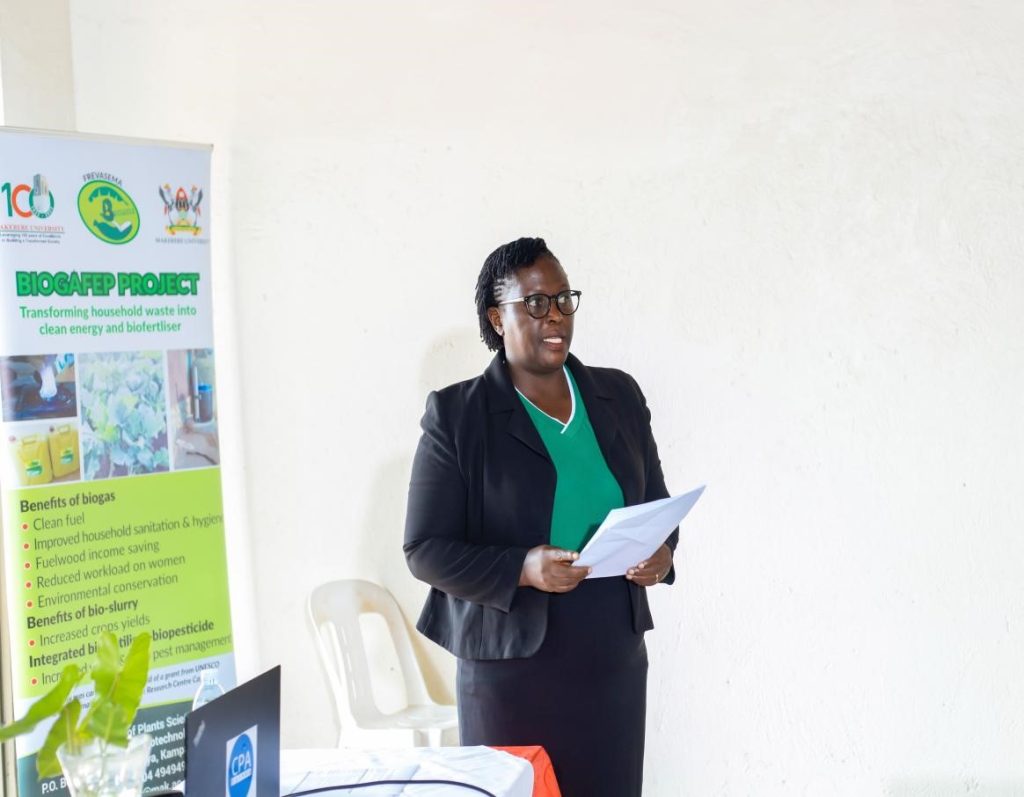
About the Project
A one-year bio-innovation initiative focused on converting household food waste into biogas, biofertilizer, and biopesticides has yielded promising results in improving access to clean energy and promoting sustainable agricultural practices in peri-urban communities of Mbarara City.
The project, implemented by Makerere University in collaboration with Frevasema Ltd in Mbarara, was supported by UNESCO and the International Development Research Centre (IDRC) – Canada through the Organization for Women in Science for the Developing World (OWSD). Launched in January 2024, it is led by Dr. Patience Tugume from the Department of Plant Sciences, Microbiology and Biotechnology at Makerere University.
The initiative has been implemented across five divisions of Mbarara City – Kakoba, Kamukuzi, Nyamitanga, Biharwe, and Nyakayojo – with additional field trials conducted in Masha Sub-county, Isingiro District.
Objectives of the project
The central aim of the project was to demonstrate how biodegradable household waste can be transformed into useful products, particularly biogas for cooking, as well as organic biofertilizers and biopesticides for improved crop production.
Key objectives of the project included: establishing a spin-off centre of bioreactors at the business partner institution (Frevasema Ltd) to demonstrate sustainable production of biogas, biopesticides and bio-fertilizers; training and equipping women and youth with hands-on skills in biogas production and usage; evaluation of yields from different bio wastes; and creation of linkages between academia, the private partner and rural communities in up-scaling production of biogas, biopesticides and bio-fertilizer from household/urban biodegradable wastes.
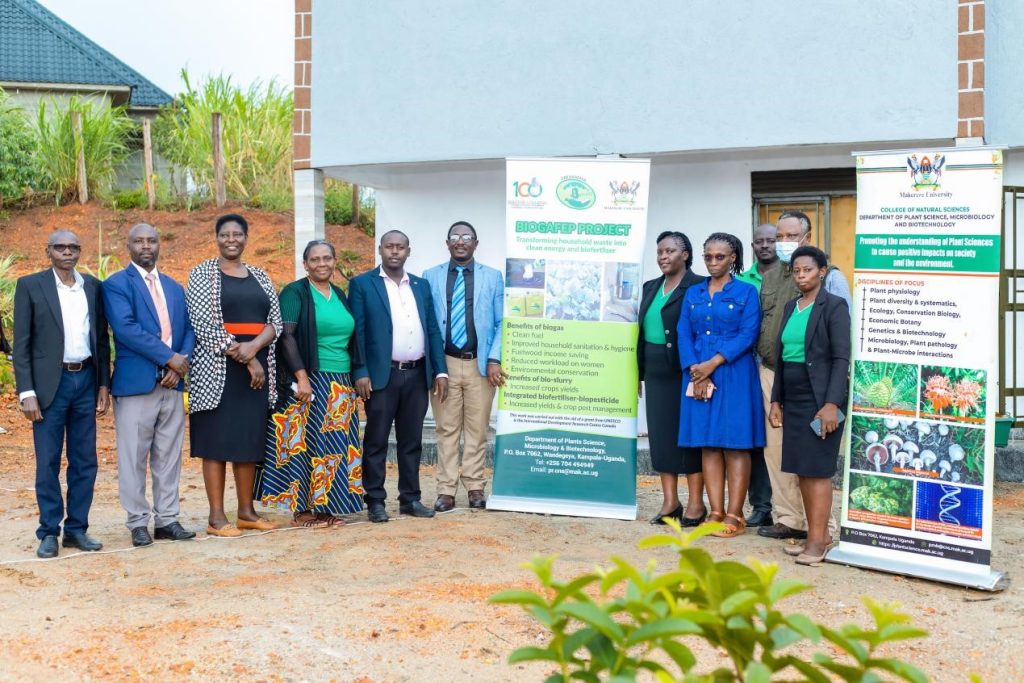
Key Activities and Dissemination of Project Findings
The project team conducted a survey to assess community perceptions and the factors influencing the adoption of biogas as an alternative cooking energy source in peri-urban areas of Mbarara City. In addition, biodigester tanks were constructed at FREVASEMA Ltd to support training and knowledge transfer activities.
Field experiments were undertaken in Masha Sub-county, Isingiro District to evaluate the effectiveness of an integrated biofertilizer–biopesticide. Further experiments to assess biogas yield from different types of food waste were conducted at Makerere University.
The team also developed an integrated biofertilizer–biopesticide by enhancing bioslurry, a by-product of biogas production, with plant extracts known for their pesticidal properties. The effectiveness of this product was tested on the growth performance of green pepper, cabbage, and eggplant.
In line with one of the project objectives, the team also conducted hands-on training in biogas production from food waste for 35 students and 6 staff members of MAMITA Technical and Business Institute.
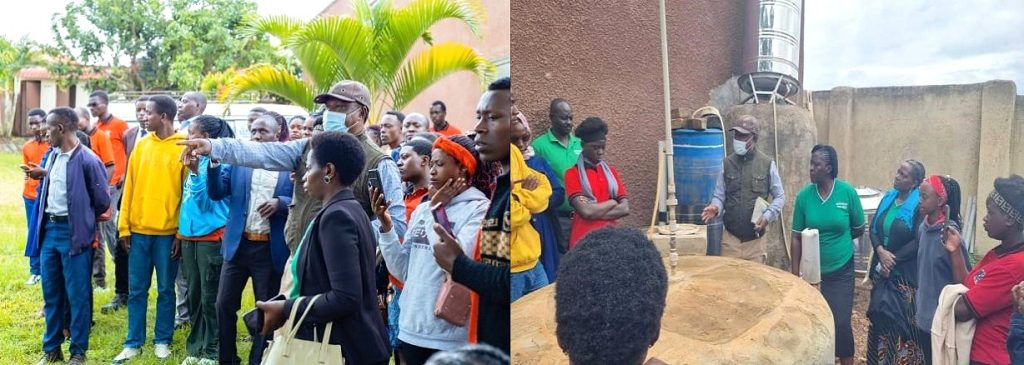
Dissemination workshop
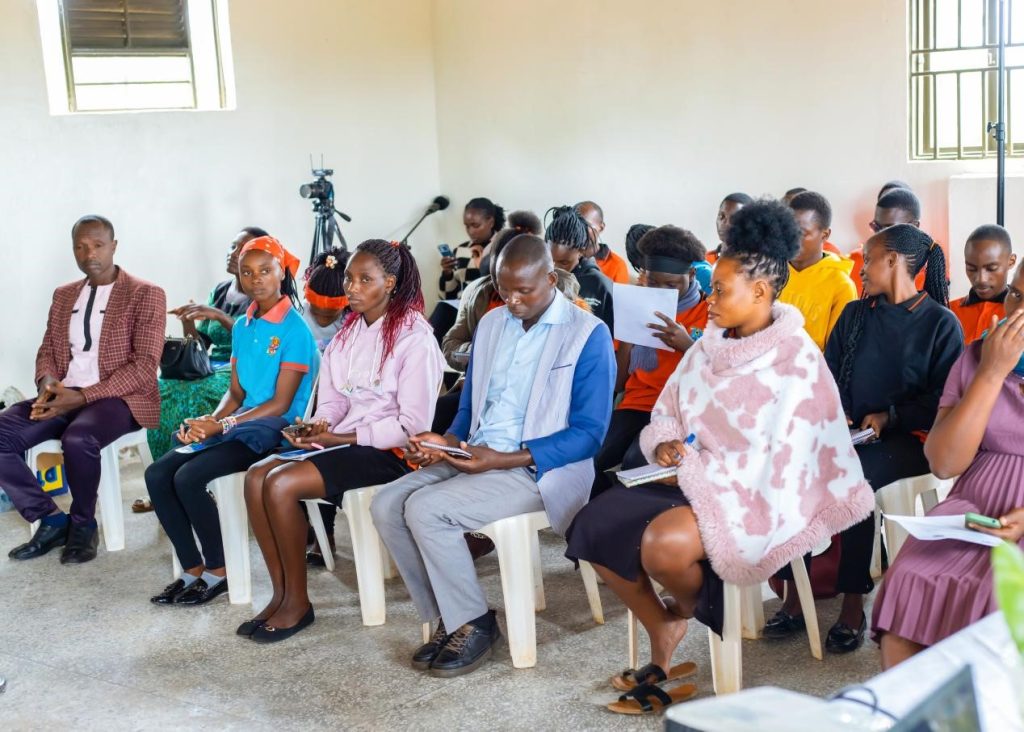
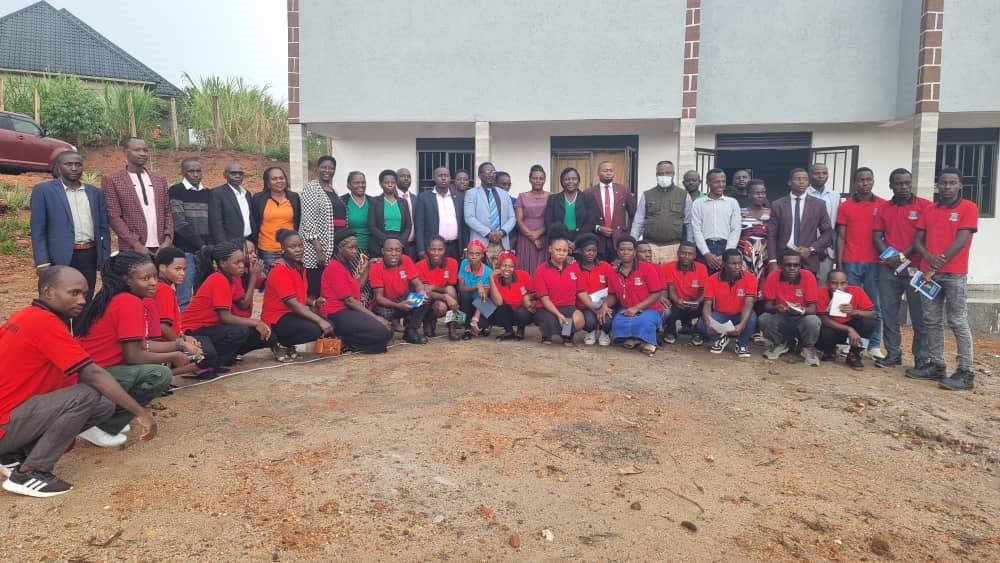
On 15th April 2026, the project team led by Dr. Tugume held a dissemination workshop to share findings with stakeholders and discuss strategies for scaling up the outcomes.
Findings from the research highlight the strong potential of biogas in contributing to sustainable energy solutions, improving livelihoods, and enhancing environmental conservation through proper food waste management.
Key research findings
i. The application of integrated biofertilizer–biopesticide presents a viable alternative to scarce, expensive, and environmentally harmful inorganic fertilizers for enhancing vegetable productivity.
ii. The study revealed that approximately 90.7% of respondents depend on charcoal and firewood as their primary cooking fuel.
iii. While 92.1% of respondents were aware that biogas is produced from animal and plant materials, only 7.9% recognized that food waste can also serve as a feedstock, indicating limited awareness of its full potential.
iv. Banana and potato peels, as well as posho and potatoes leftovers, and green vegetable trimmings, were identified as the most commonly generated food wastes.
v. A majority of respondents strongly agreed that biogas is a cleaner and more sustainable energy alternative compared to firewood.
vi. Key barriers to biogas adoption included inadequate technical knowledge, safety concerns regarding biogas systems, and the high costs of constructing and maintaining biodigesters.
vii. The extremely low adoption rate of biogas technology (0.3%) indicates significant underutilization despite its potential to mitigate fuel shortages.
viii. There is a prevailing perception that biogas is suitable for cooking and can effectively replace biomass fuels, given the availability of sufficient feedstock from household food waste, human waste, and animal manure.
ix. Potato and posho residues were identified as the most suitable primary feedstocks for biogas production due to their high nitrogen content, volatile solids, and total organic carbon (TOC).
x. Effective collection and proper segregation of food waste are essential for ensuring a consistent and uncontaminated supply of feedstock for biogas production systems.
xi. Further research is recommended on integrated biogas systems that combine anaerobic digestion with other renewable energy technologies, such as solar energy or bioelectrochemical systems, to improve overall energy recovery efficiency.
xii. Vegetables treated with the integrated biofertilizer–biopesticide consistently exhibited superior performance across all growth parameters compared to those treated with inorganic fertilizers (including 5% cypermethrin pesticide) and untreated controls.
Stakeholder engagement and appreciation of the initiative
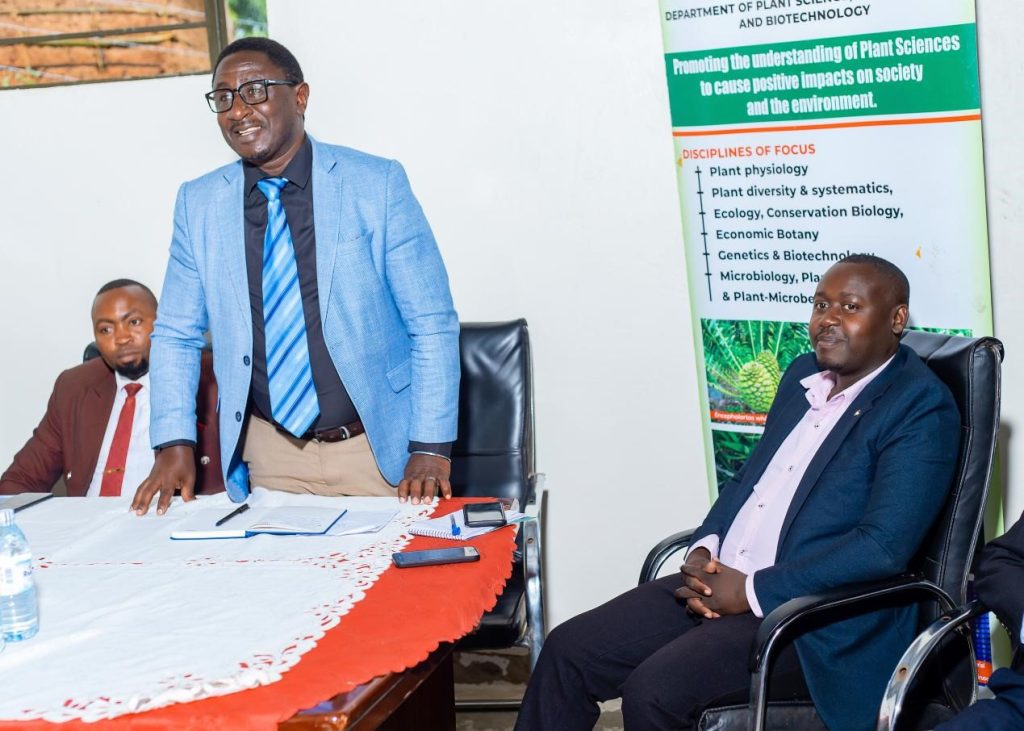
During the dissemination workshop, Dr. Patience Tugume, the Principal Investigator, expressed gratitude to UNESCO and the International Development Research Centre (IDRC)-Canada, through the Organization for Women in Science for the Developing World (OWSD), for funding the project. She appreciated the research team composed of Dr. Asiimwe Savina, Prof. Maud Kamatensi-Mugisha, Prof. Bazirake Byarugaba, Ms. Catherine Kiconco and Mr. Muhumuza Robert for their contribution. She equally appreciated all participants for contributing valuable information to the study.
Stakeholders commended the project for its relevance and community impact.
Prof. Bunny Lejju Julius from Mbarara University of Science and Technology, appreciated the project team for developing an innovation that directly addresses community needs and aligns with the principles of the competency-based curriculum, particularly the translation of academic knowledge into practical application. He advised that sustainability of the initiative could be strengthened through a multiplier approach, where the trained learners cascade the knowledge to other community members. He further recommended the identification of institutional staff who can undergo training at the spin-off centre and subsequently serve as trainers within their respective communities.
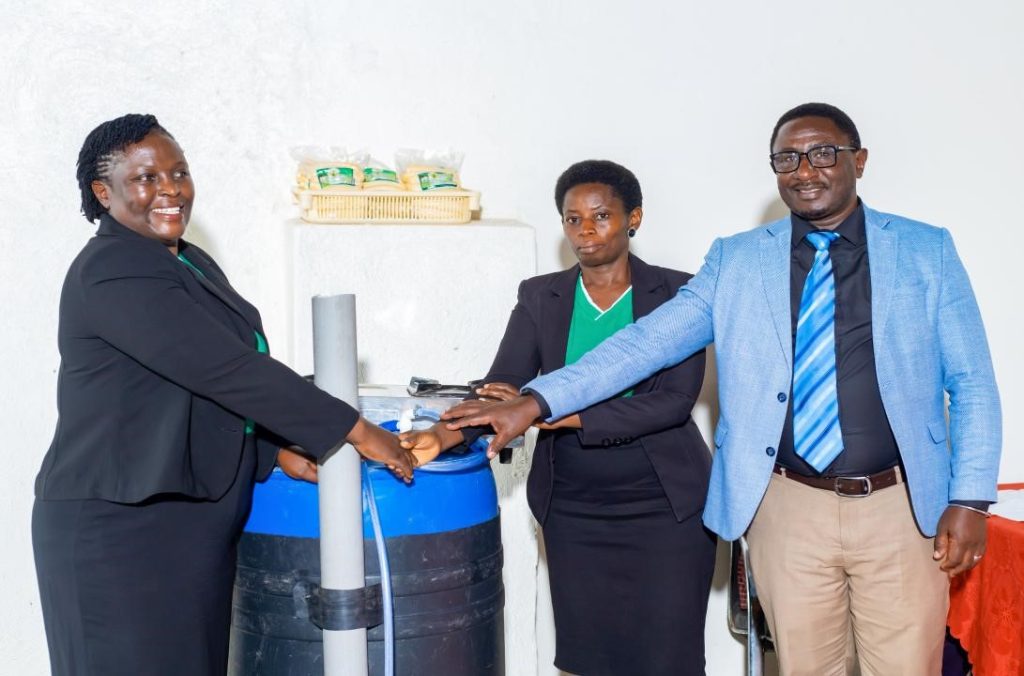
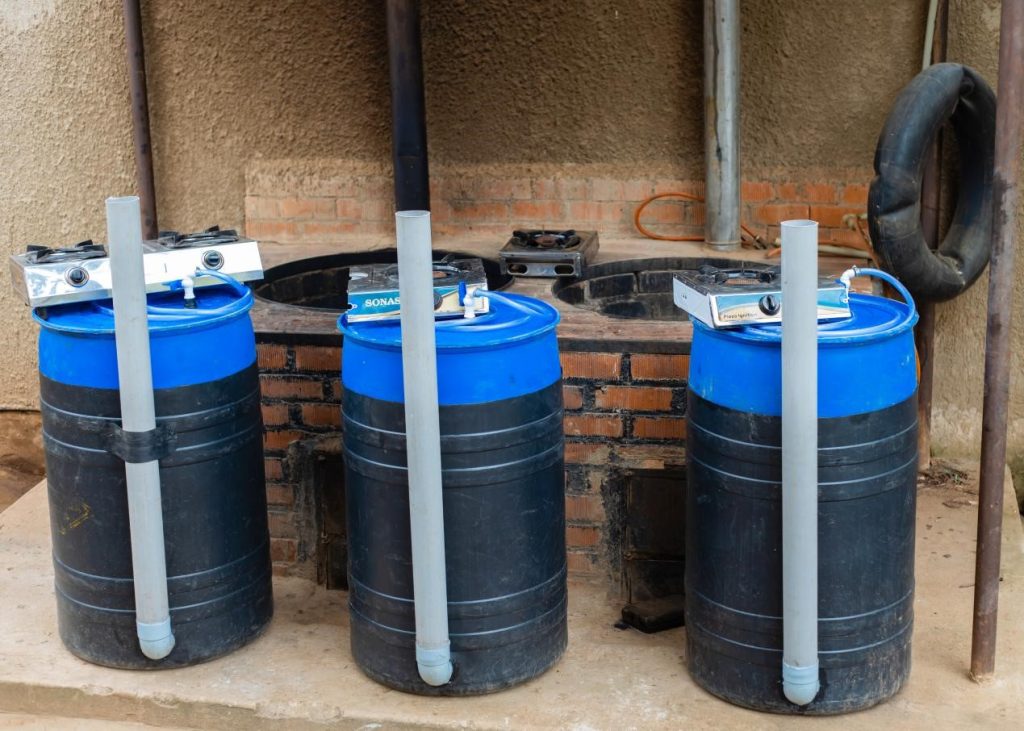
The portable biodigester system was recognized as a simple, affordable, and practical technology with the potential to provide a cost-effective alternative to charcoal and electricity. Participants noted that while resistance to change remains a challenge, continuous awareness creation is essential to promote adoption and facilitate behavioral change.
Mbarara District Forest Officer, Ms. Ainembazi Joses, highlighted the importance of the biogas production project in environmental conservation. She noted that the initiative contributes to reducing deforestation by offering an alternative to firewood and charcoal, thereby supporting sustainable natural resource management.
The Local Council Chairperson of Mailo-Biharwe Division, Mr. Didas Katabazi, appreciated the project team for the innovative work and its potential benefits to the community. He pledged to use his office to advocate for increased government support to scale up the project.
The Resident City Commissioner of Mbarara City expressed concern over the rising levels of deforestation in the district and commended the Principal Investigator for spearheading the innovation. He reaffirmed the government’s commitment to supporting science and innovation. He emphasized the importance of integrating environmental protection with agricultural productivity, explaining that food security remains a national priority. He further noted that the project demonstrates the concept of waste valorization, where organic waste is transformed into valuable products such as biofertilizers and biopesticides, thereby enhancing agricultural productivity. He pledged to engage the Office of the President to support wider dissemination of the project outcomes. Additionally, he encouraged the trained students to act as ambassadors of the project by sensitizing communities on the benefits of biogas as an alternative source of cooking energy.
Way forward
i. The government should invest in constructing bio digesters for households at subsidized prices or offer them financial assistance to cater for bio digester construction.
ii. Awareness campaigns about the production and use of biogas and associated benefits should be intensified in communities to dispel the negative perceptions.
iii. Provision of technical training in operating and maintenance of biogas installations should be conducted.
iv. Sorting of wastes at household level should be emphasised to separate biodegradable from non biodegradable ones.
v. The integrated bio-fertilizer-bio-pesticide is an effective, sustainable strategy to increase vegetable productivity while improving soil health in nutrient-limited soils.
vi. The project recommends adoption of bio-fertilizers (e.g., bio-slurry) which are affordable and can be made from kitchen and market waste to reduce dependence on expensive chemical fertilizers to improve crop growth while controlling pests safely in addition to being safe for humans and the environment.
Donation of portable biodigester systems
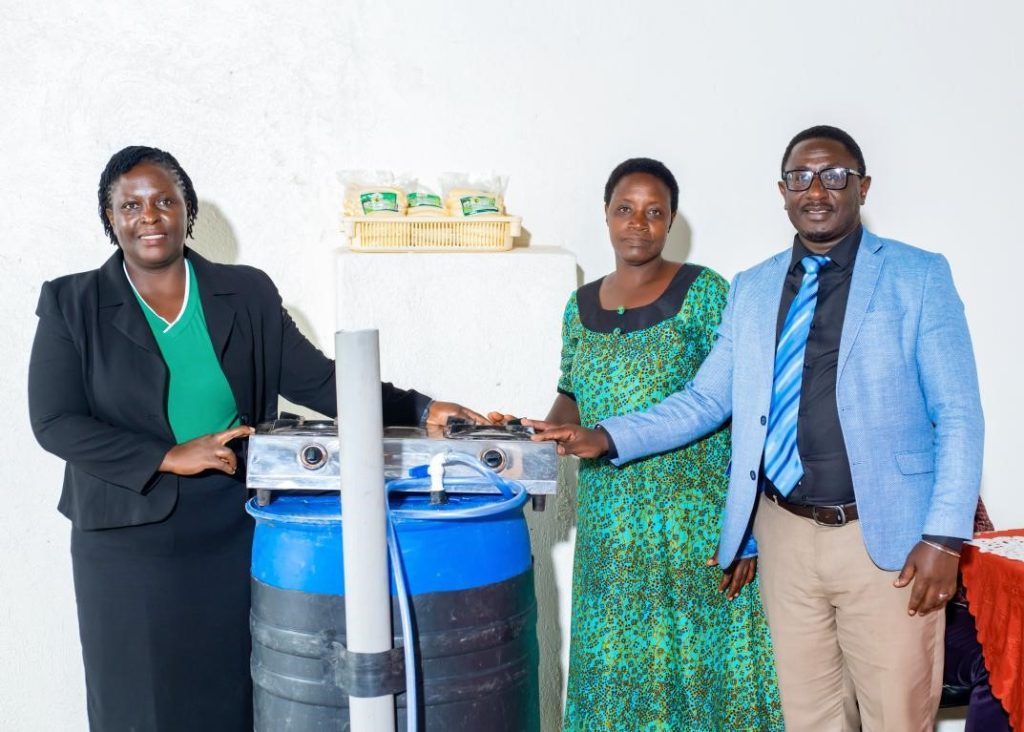
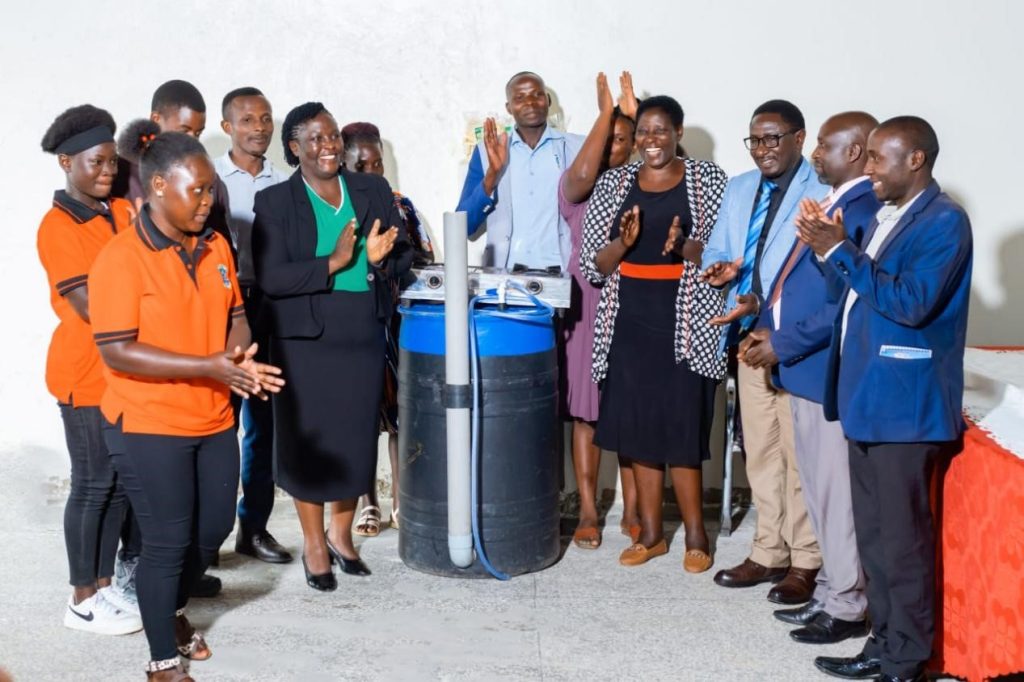
As part of the commitment to translate research into tangible benefits, the project awarded two women and MAMITA Technical and Business Institute with portable biodigester systems for installation and use in their households and institution respectively. These systems will serve as demonstration units within the community showcasing the practicality, affordability, and impact of clean energy solutions at the household level.
Report compiled by Dr. Patience Tugume, Principal Investigator, & Senior Academic Staff in the Department of Plant Sciences, Microbiology & Biotechnology at Makerere University