
pr.cns@mak.ac.ug

Mubende, Kasanda District Leaders Back Makerere Plans to Reform Geology Training

District leaders from Mubende and Kasanda have welcomed Makerere University’s initiative to review geology curricula and develop industry-aligned short courses, citing persistent skills gaps, unsafe mining practices and environmental degradation in Uganda’s mineral sector.
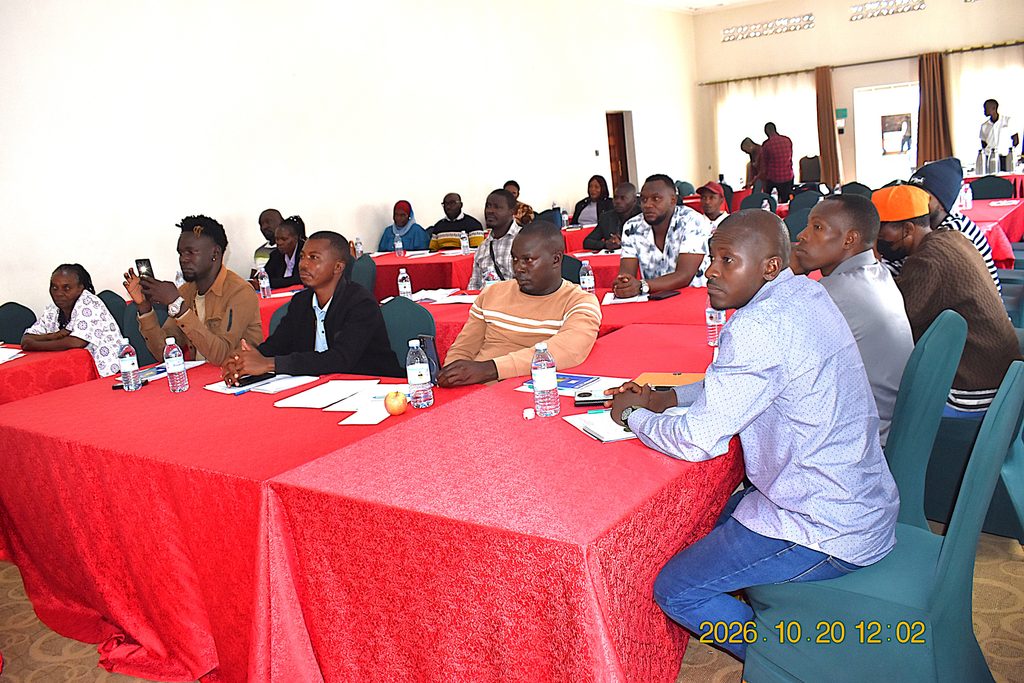
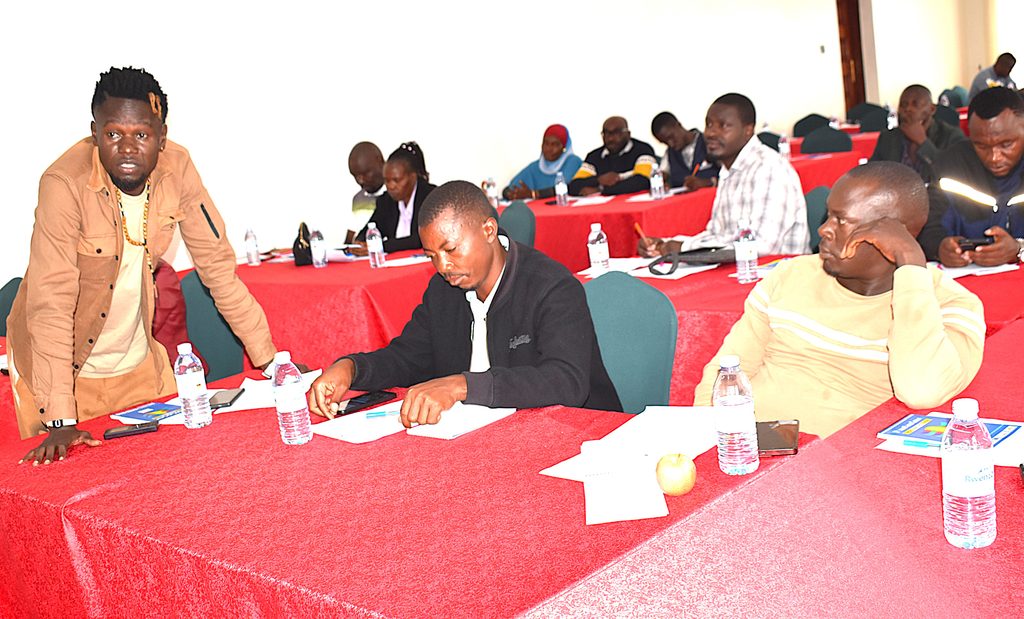
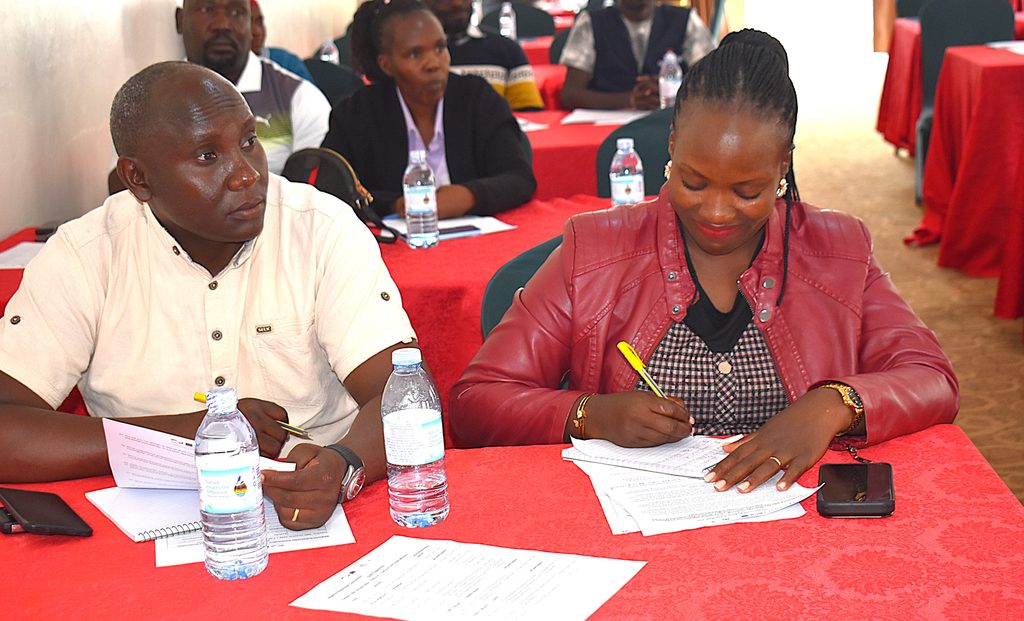
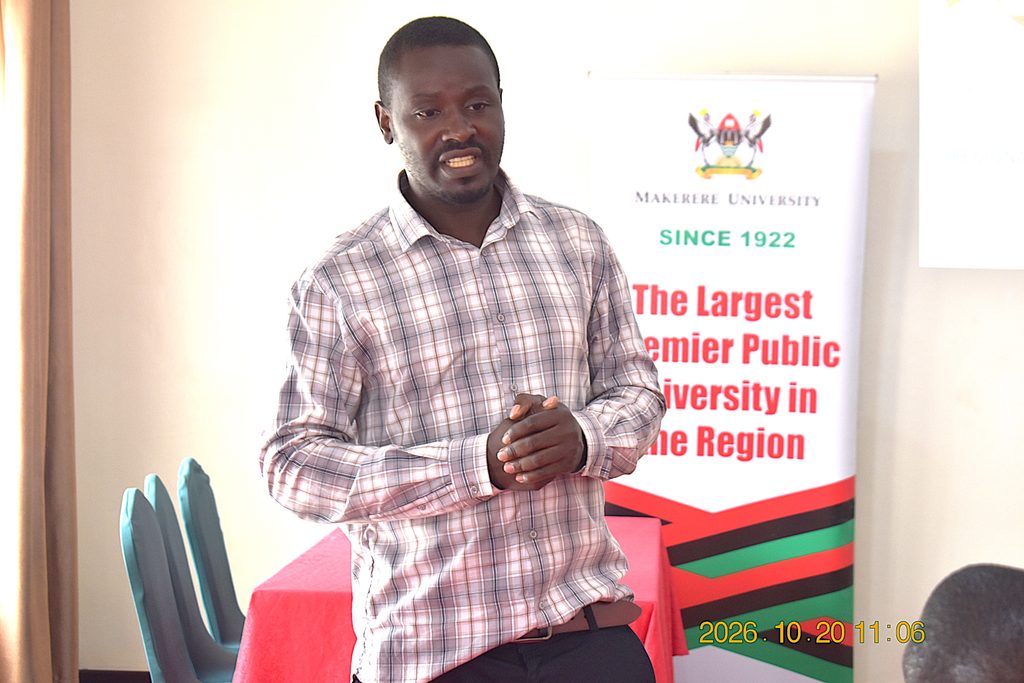
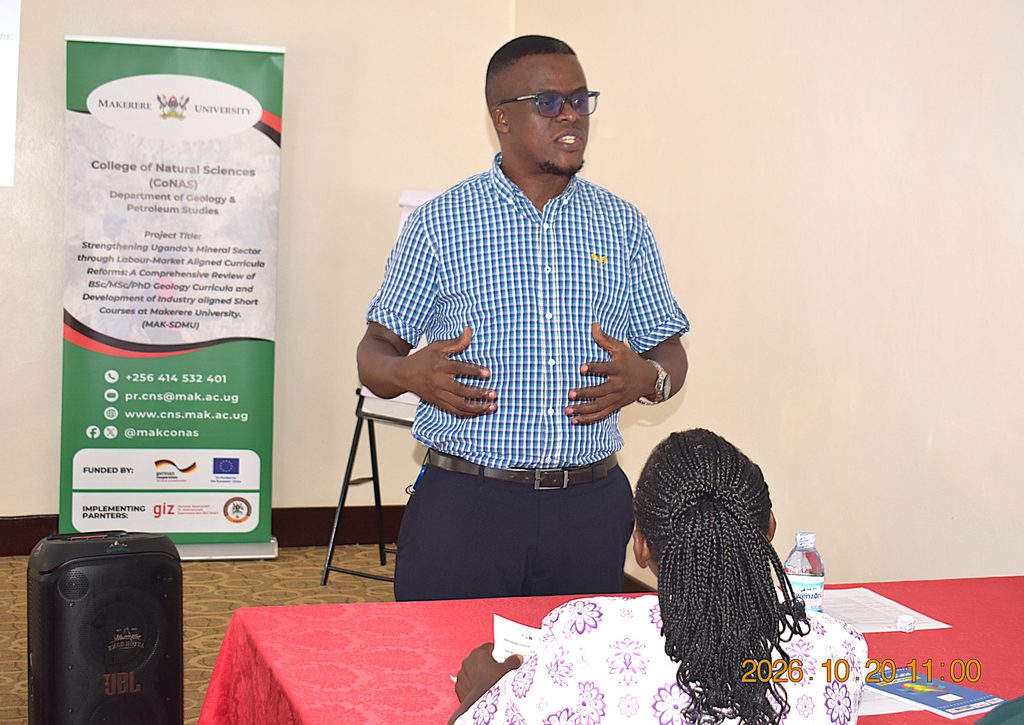
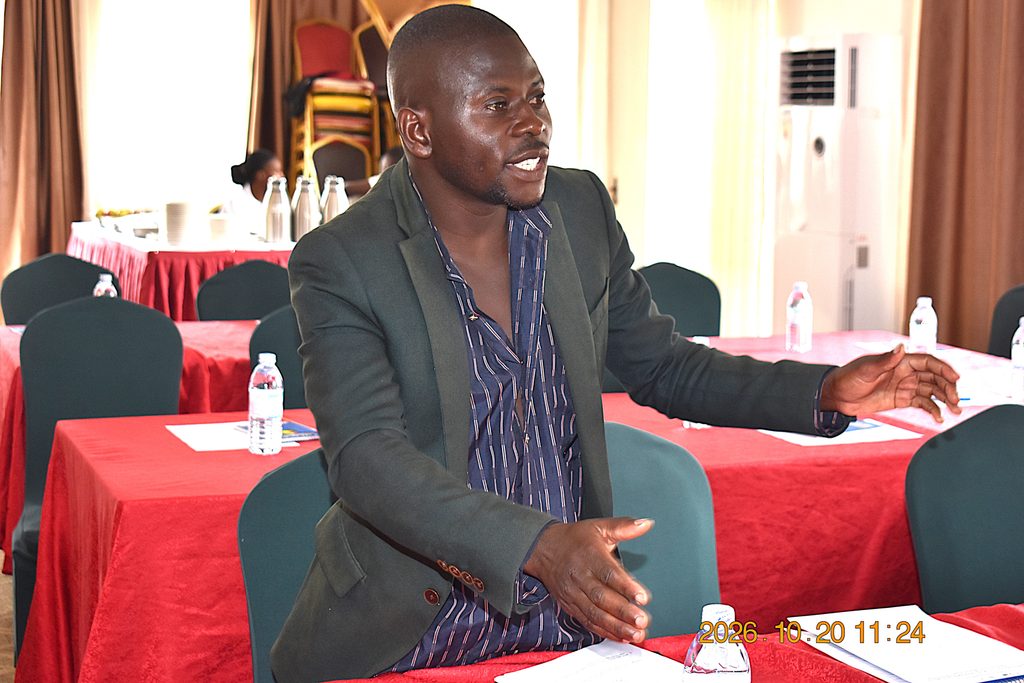
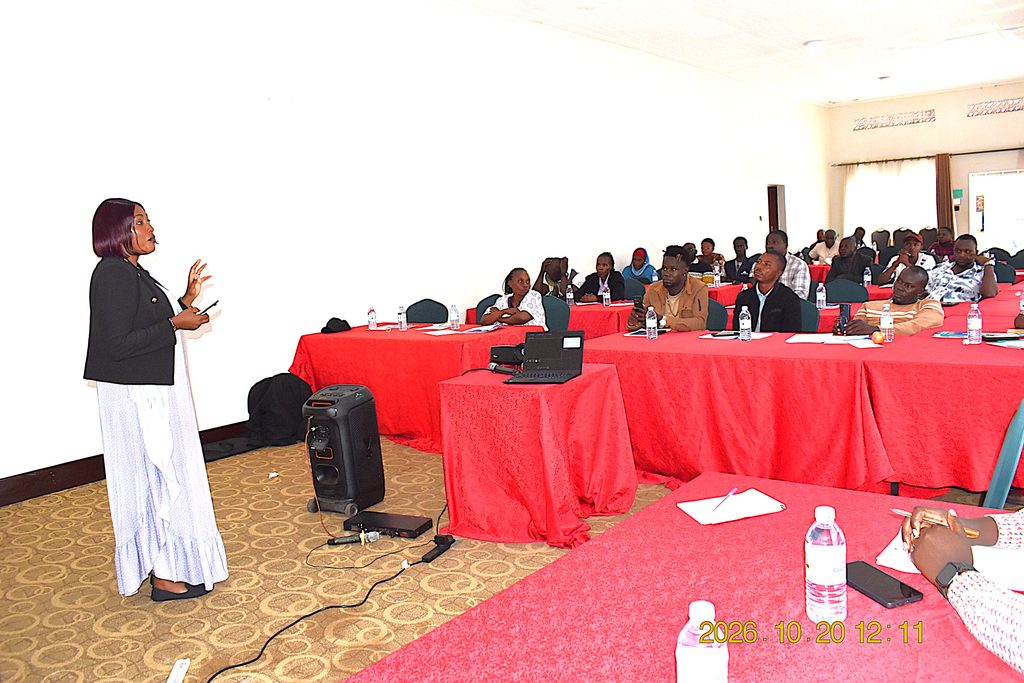
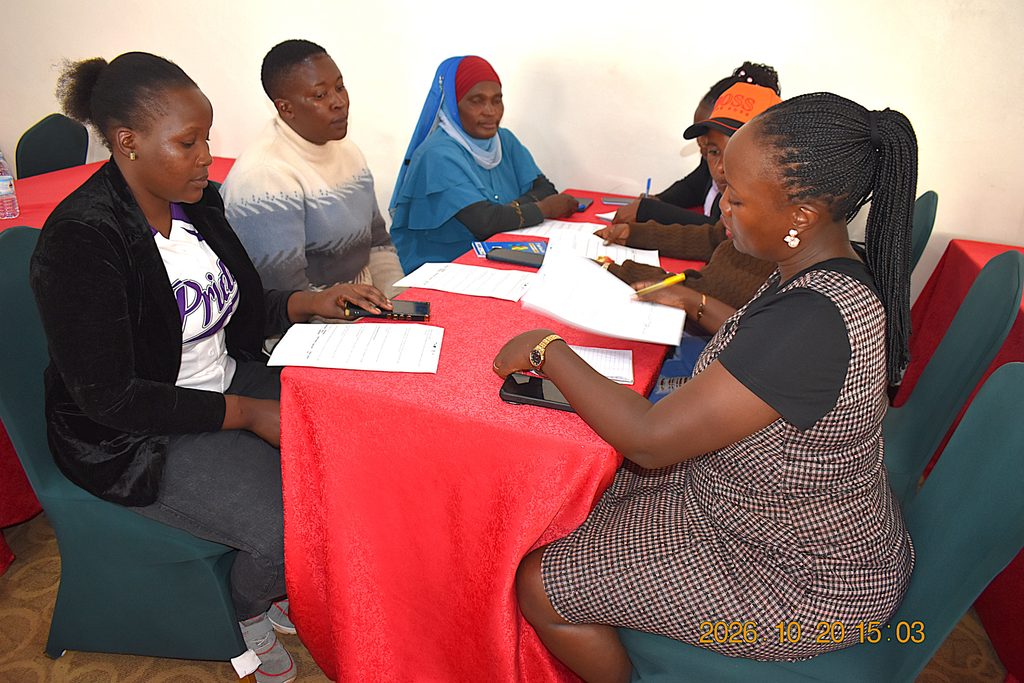
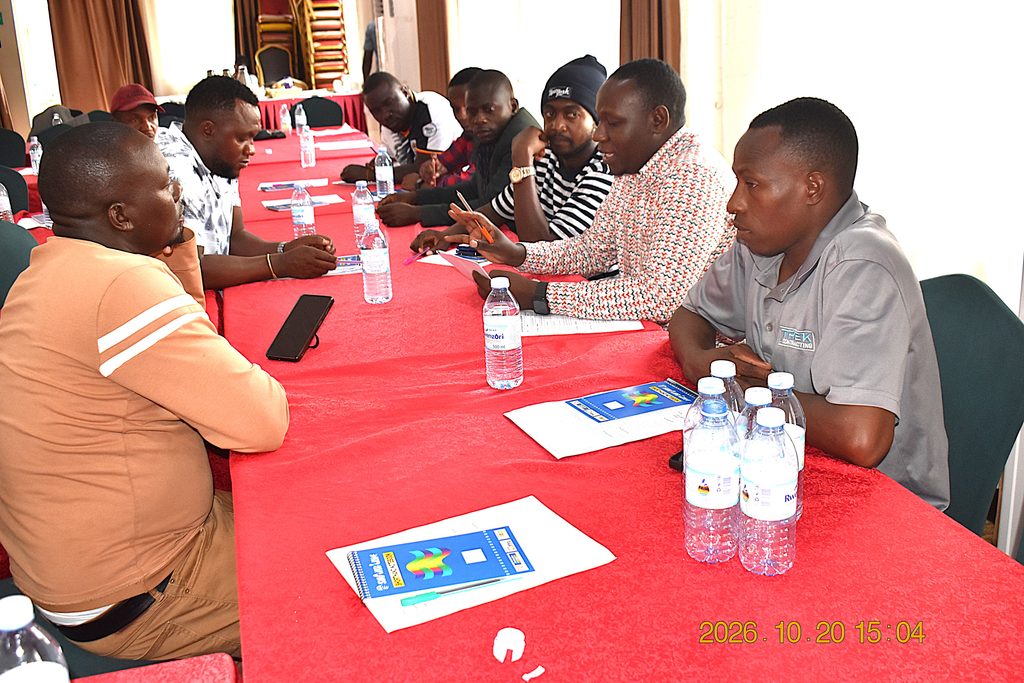
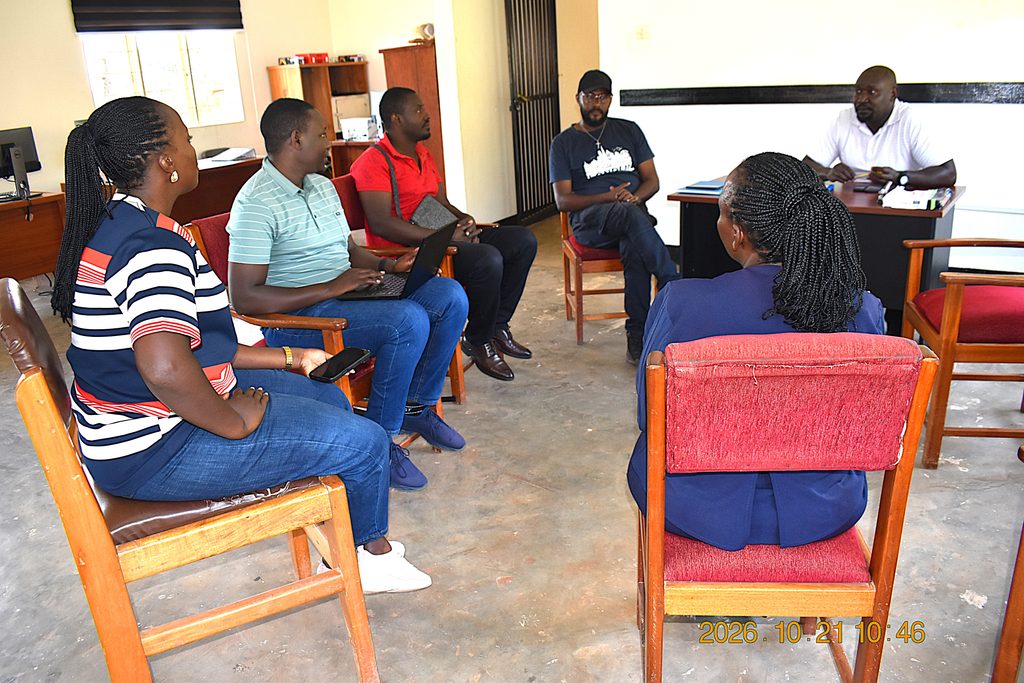
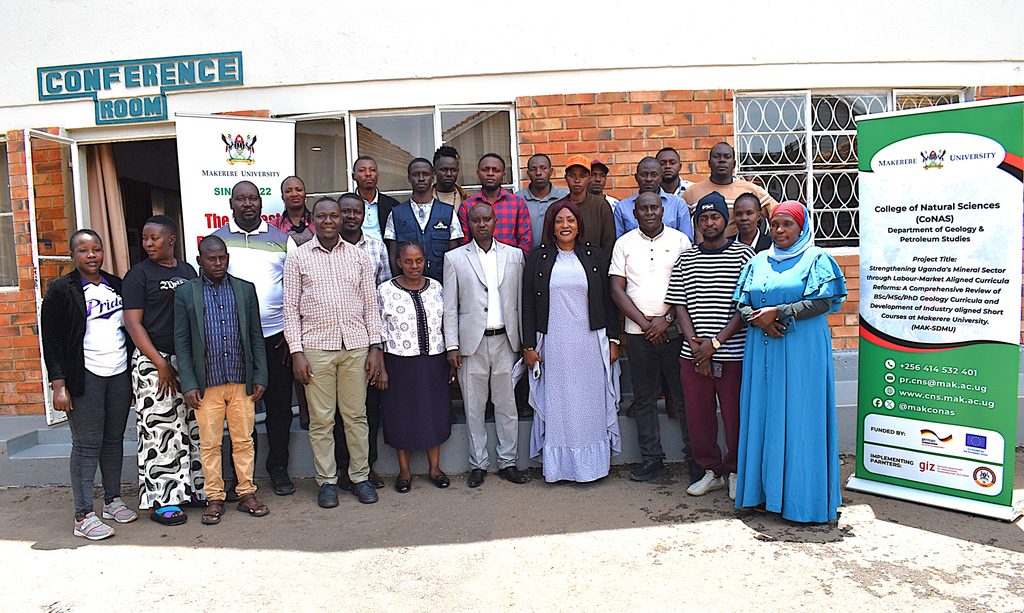
The leaders made the remarks during a stakeholder consultative meeting held on 20th October 2026 at Enro Hotel in Mityana. Conducted under the project Strengthening Uganda’s Mineral Sector through Labour-Market Aligned Curricula Reforms (Mak-SDMU), the meeting sought to identify the skills required by the mining industry to inform the review of the BSc, MSc and PhD programmes in Geology and the development of specialized short courses aligned with industry needs.
Purpose of the Consultative Meeting
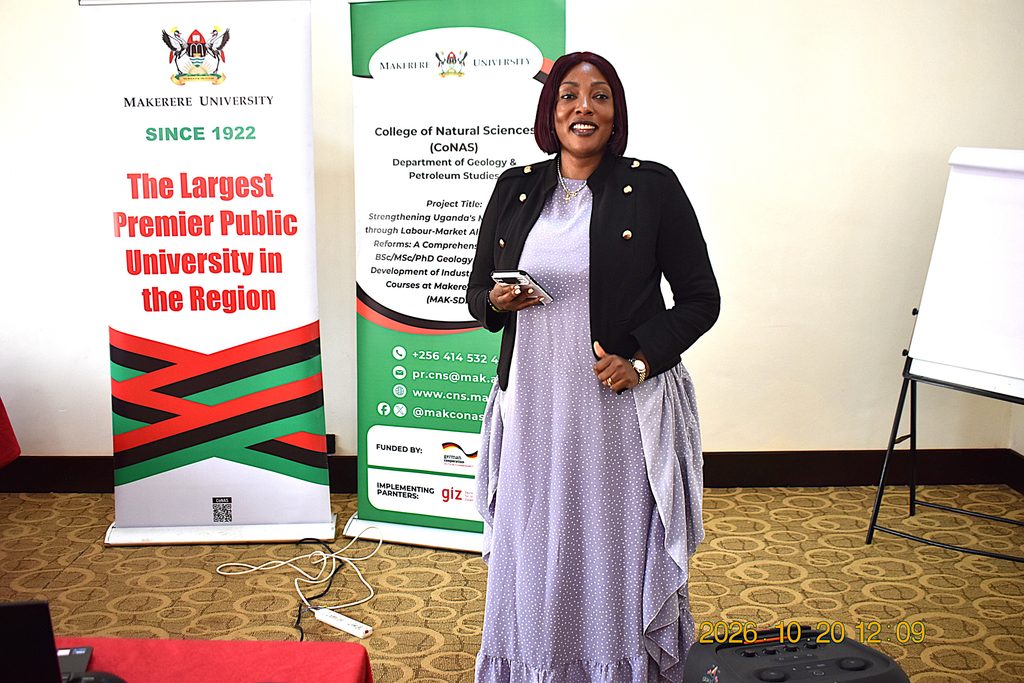
Led by Dr. Denis Mutebi, the project team specifically sought to establish employers’ expectations, assess the adequacy of existing training and identify emerging technologies, specializations and practical competencies required of geology graduates. The consultations also explored occupational health and safety concerns, regulatory and operational challenges, and opportunities to strengthen practical training and industry collaboration, improve graduates’ employability, and equip practising professionals and artisanal and small-scale miners with relevant technical skills.
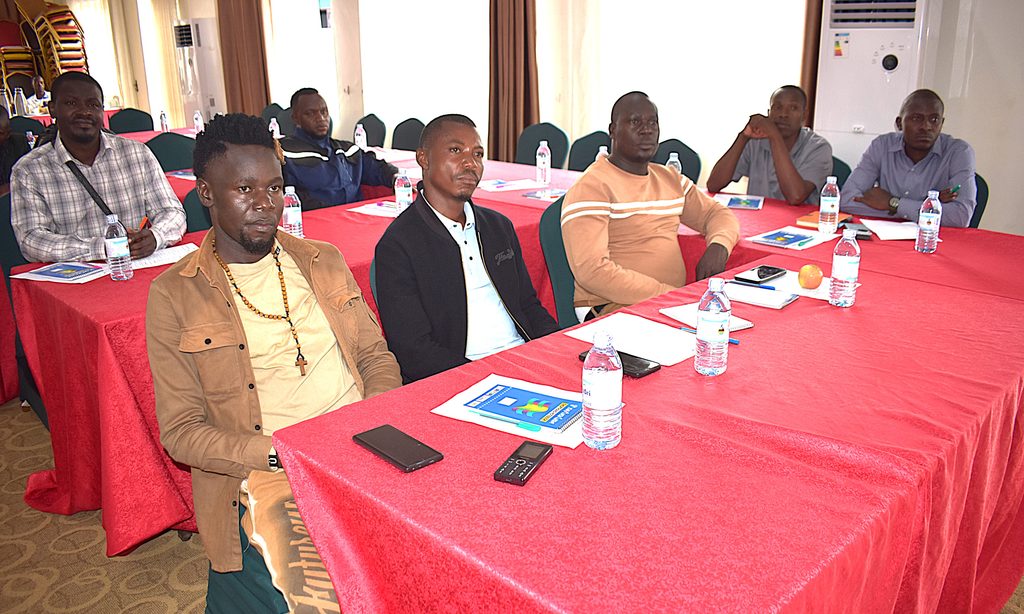
Participants included the Resident District Commissioners (RDCs) of Mubende and Kasanda, the Mubende District LC5 Chairperson and the Deputy LC5 Chairperson of Kasanda District, alongside stakeholders from the mining sector.
The leaders noted that although gold mining provides employment and income for many households and supports businesses across the two districts, inadequate technical skills, limited access to appropriate equipment and persistent health, safety and environmental (HSE) challenges continue to constrain productivity and limit the sector’s contribution to local economic development.
Remarks by the District Leaders
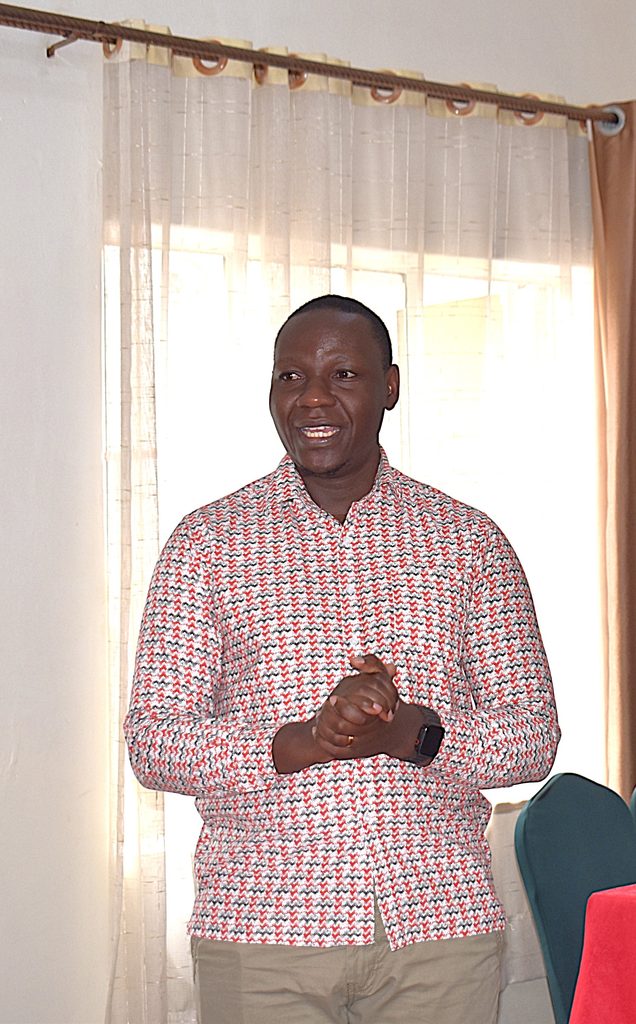
The Mubende District LC5 Chairperson, Mr. Michael Ntambi Muhereza, emphasized the need for a competence-based curriculum that equips graduates with skills they can apply in the workplace. He questioned the value of training students who cannot translate classroom knowledge into practical solutions and called for stronger links between universities and mining operations.
He also raised concerns about miners operating without appropriate mining licenses, noting that several rely on exploration licenses. He called for support to help miners obtain the required licenses and appealed to the government to recruit mining officials at district level to strengthen oversight and service delivery.
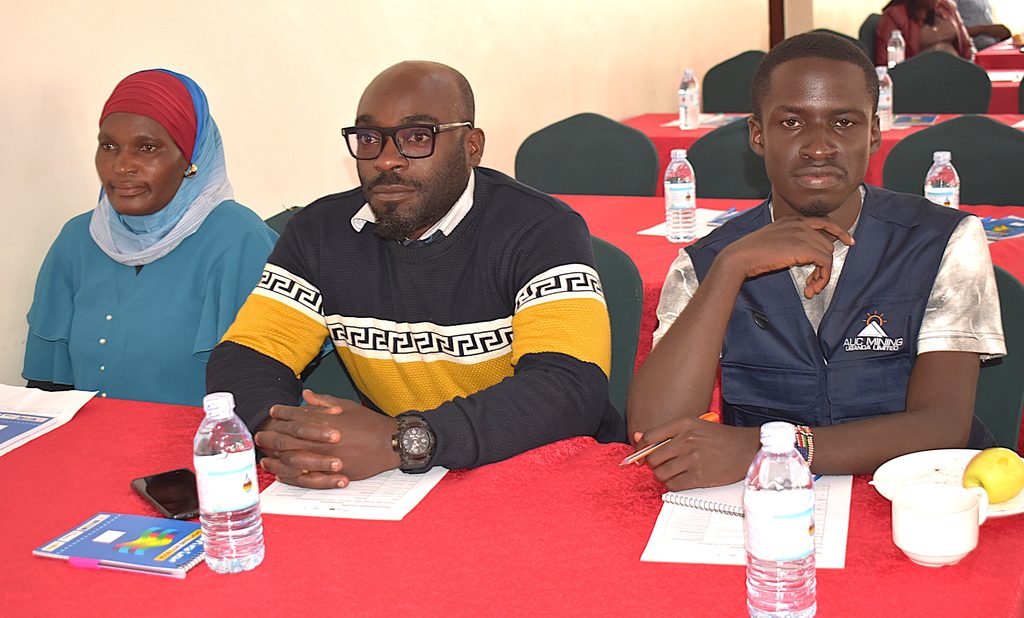
Mr Muhereza further questioned the taxes imposed on miners without corresponding support to improve their operations, and expressed concern over deaths resulting from mining-related hazards.
The Deputy LC5 Chairperson of Kasanda, Mr. Jackson Mugumya, similarly highlighted inadequate HSE knowledge among miners, linking unsafe practices to loss of life and environmental degradation. He described the proposed curriculum reforms as timely, given the need to equip both graduates and practicing miners with the skills required for safer and more responsible mining.
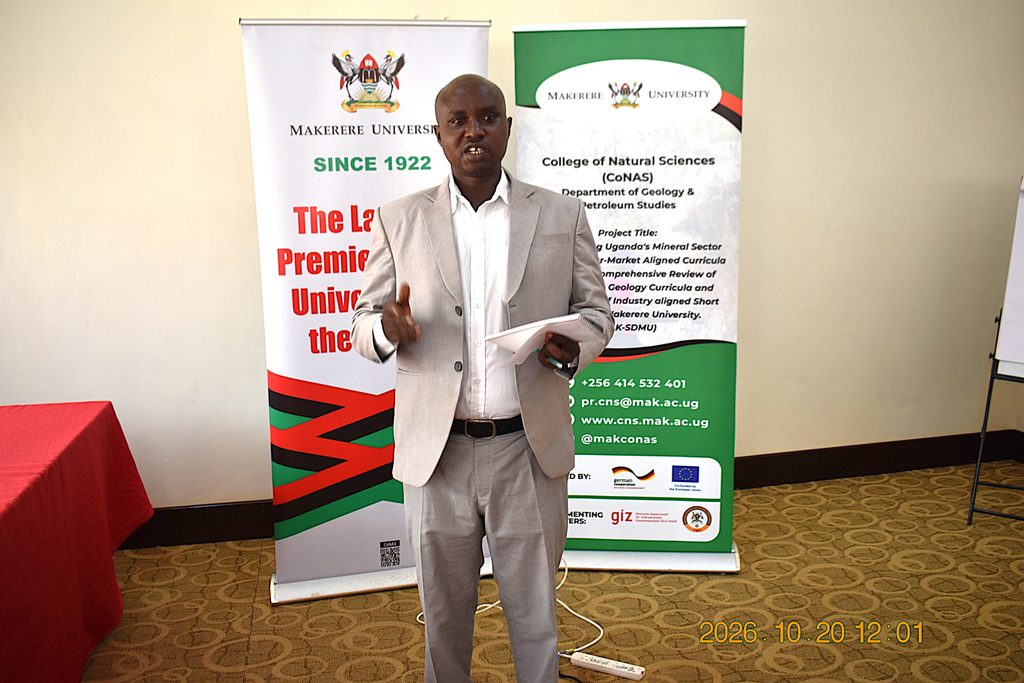
The Kasanda RDC, Ms. Phoebe Namulindwa, noted that the Ministry of Energy and Mineral Development was pursuing plans to improve coordination and formalization of the artisanal and small-scale mining (ASM) subsector. She, however, expressed concern about environmental damage associated with mercury use and the abandonment of mining sites without adequate restoration.
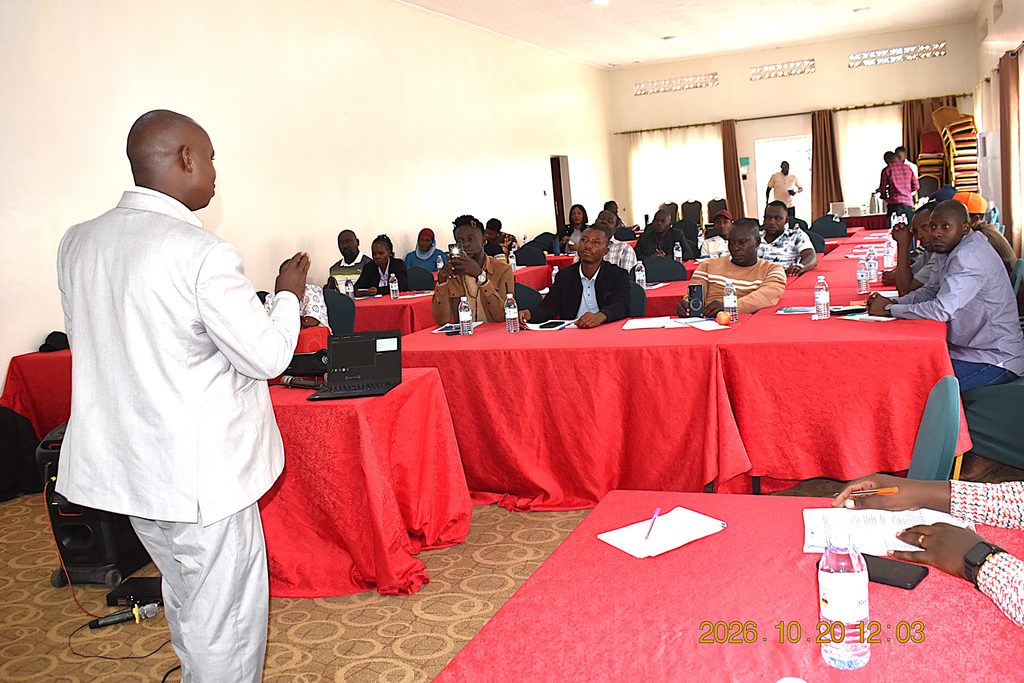
She called on geologists to work directly with small-scale miners to improve their understanding of mineral deposits, extraction methods, processing, personal safety and environmental protection. She pledged support for Makerere University’s field-based engagements in the district, proposing that Kasanda could serve as a living laboratory for geological studies and practical training.
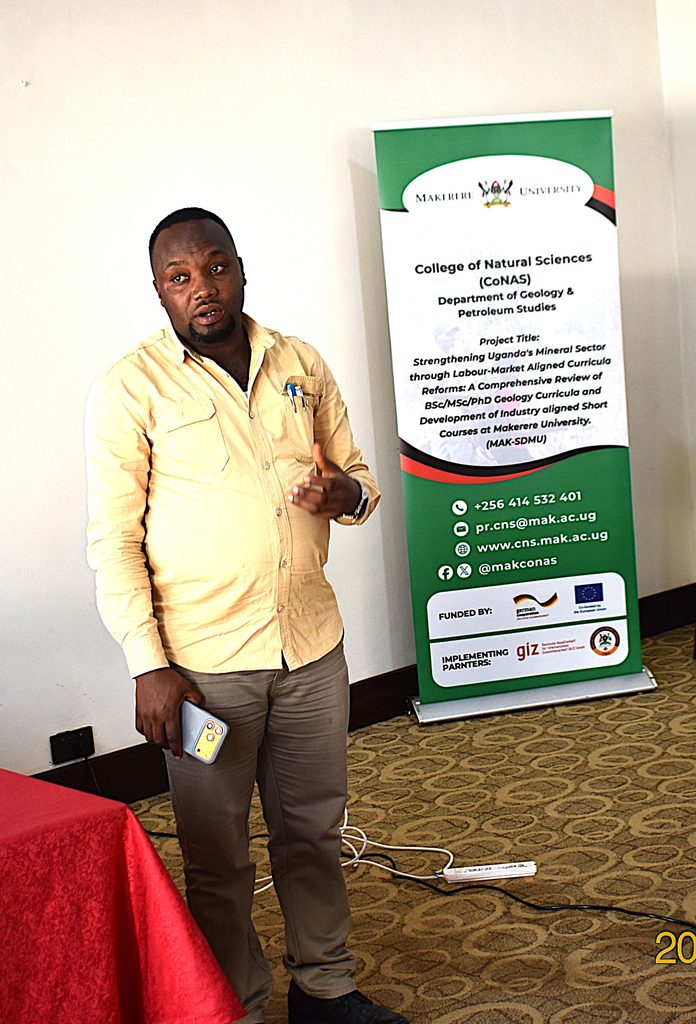
The Mubende Deputy RDC, Mr. Abubaker Birungi, called for stronger legal protection for miners and increased training on occupational health risks, citing concerns about illnesses affecting people working in the sector. He also emphasized the need for financial literacy training to help artisanal and small-scale miners manage their earnings more effectively.
Mr Birungi urged the project team to deliver short courses within mining communities, to enable participants to learn in the environments where they work. He further identified poor road infrastructure, limited government support and gaps in graduates’ practical competencies as challenges requiring attention.
Skills gaps point to need for practical training
Participants highlighted several technical and professional skills gaps affecting mining operations, including geological surveying, mineral exploration, mine geology, geotechnical work, mineral processing, grade control, laboratory operations and the operation of processing machinery.
They observed that some graduates lack the practical experience required by employers, particularly in machinery operation, laboratory procedures and occupational health and safety. Limited interaction between students and practicing miners was also identified as a barrier to translating academic knowledge into industry-ready competencies.
The meeting further highlighted the continued use of mercury in mineral processing despite its risks to human health and the environment. Participants also pointed to miners’ limited access to safety equipment and the financial resources needed to adopt safer technologies.
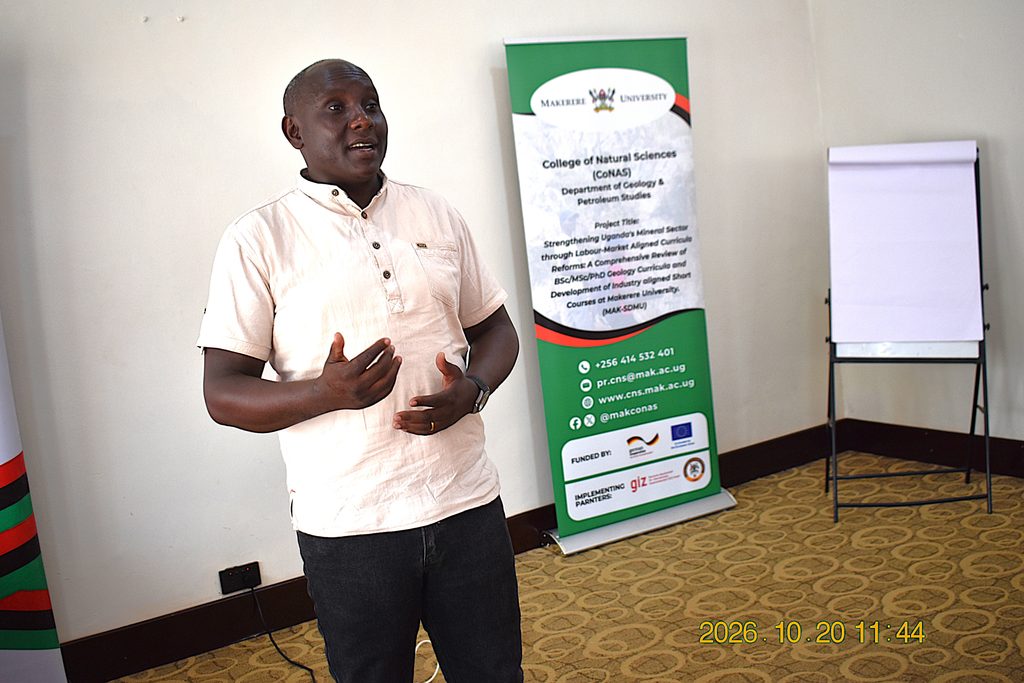
Other concerns included delays in licensing, inadequate awareness of mining regulations, water contamination, mining-related illnesses, and accidents and deaths in mining pits. Participants also highlighted barriers to women’s participation in the mining sector, including gender-based discrimination, limited access to technical training and professional development opportunities, and challenges in accessing resources and leadership roles. They emphasized the need for more inclusive training programmes that equip women with relevant technical skills and promote equal opportunities for participation across the mineral value chain.
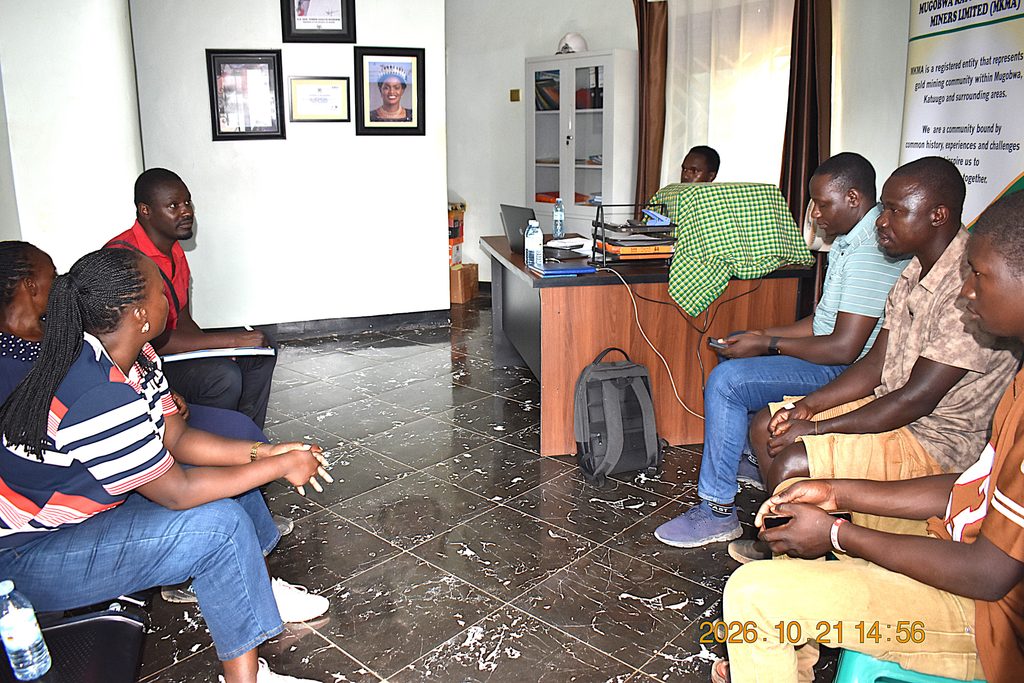
The project team also visited AUC Mining Company and Mugoba Katugo Small Scale Miners Ltd in Kasanda District to gain first-hand insights into the skills and competencies required in mining operations and explore opportunities for collaboration in student training.
Research and training priorities identified
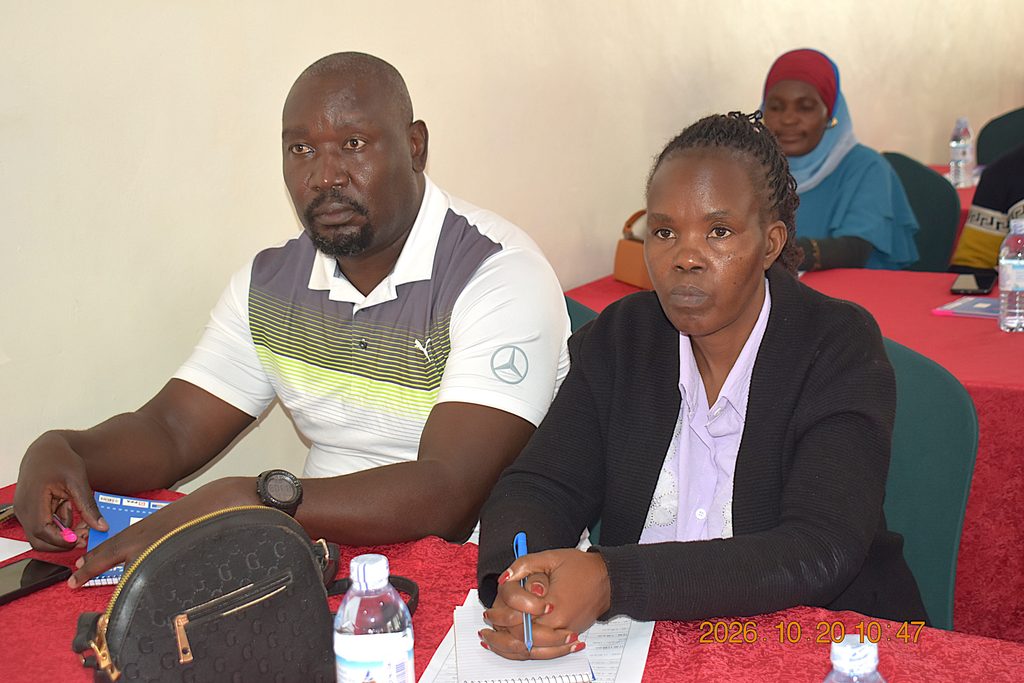
Stakeholders called for research and training that respond directly to the challenges faced by the mining communities. Priority areas included detecting geological and operational hazards, strengthening laboratory skills, identifying productive mineral veins, investigating mining-related health challenges and addressing barriers to women’s participation in the sector.
The discussions underscored the need for stronger collaboration between Makerere University and the mining operators, district authorities, regulators and mining associations to ensure that curriculum content reflects workplace realities and the skills demanded by the industry.
Through industry-aligned short courses, practicing miners, technical personnel and graduates could access specialized training in mineral exploration, surveying, processing, machinery operation, HSE, environmental management and mining regulations.
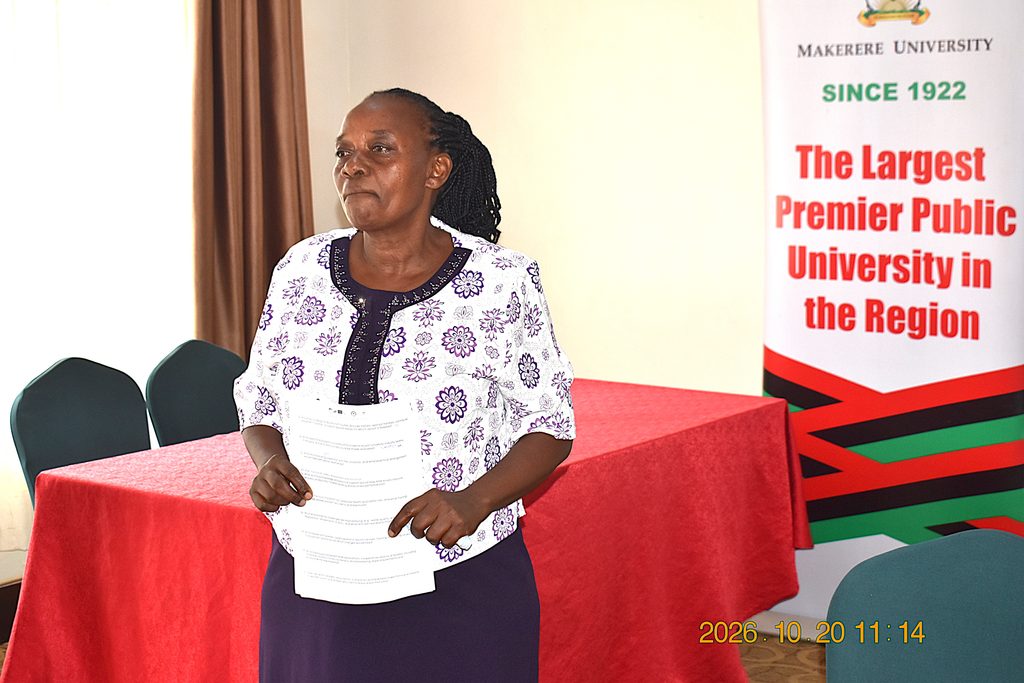
For Mubende and Kasanda, where gold mining supports livelihoods and local businesses, improved technical capacity could contribute to more efficient mineral extraction, better processing practices and increased value addition. Realizing these benefits would, however, require complementary measures, including appropriate equipment, improved infrastructure, effective regulation, access to finance and stronger environmental safeguards.
The consultation forms part of Makerere University’s broader effort to align geology training with labour-market needs and strengthen the contribution of Uganda’s mineral sector to sustainable economic development.
Project Funder and Implementing Partners
The project is implemented under the Sustainable Development of the Mineral Sector in Uganda (SDMU) initiative in collaboration with the Ministry of Energy and Mineral Development (MEMD). It is jointly funded by the Government of the Federal Republic of Germany and the European Union through GIZ.
The consultation team comprised Dr Denis Mutebi, Mak-SDMU Principal Investigator; Dr Betty Nagudi, Geoscience Curriculum Development Consultant; Dr Ivan Mukiibi Ssewanyaga, Mining Industry Liaison and Skills Mapping Lead; Dr Joan Nakajigo, Communication and Reporting Lead; as well as Ms. Hasifa Kabejja and Mr David Kisitu from the College of Natural Sciences (CoNAS) Communication Office.
Link to pictorial of the workshop: https://drive.google.com/drive/folders/1gBkpT6Cj3UnmKfz5dDeBOnFR9eyVGe7H?usp=sharing
More about the regional consultations and other project activities;