pr.cns@mak.ac.ug

Mak-SDMU Project Team Starts Regional Consultations on Geology Curriculum Reforms

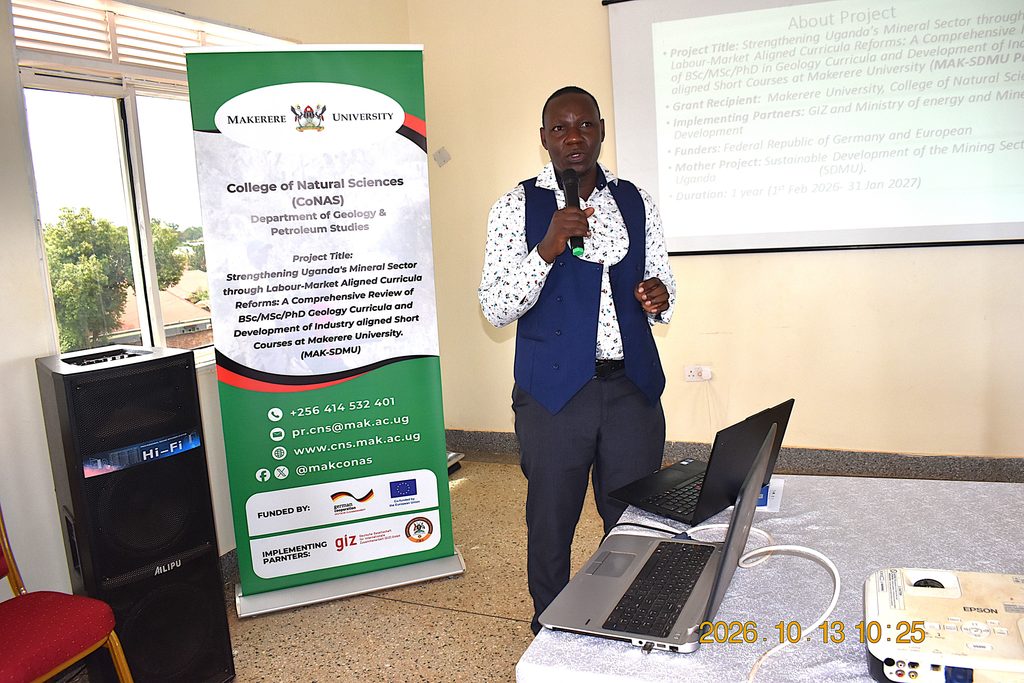
The Department of Geology and Petroleum Studies at the College of Natural Sciences (CoNAS), Makerere University, has commenced regional stakeholder consultations to guide the review of geology curricula and the development of industry-aligned short courses.
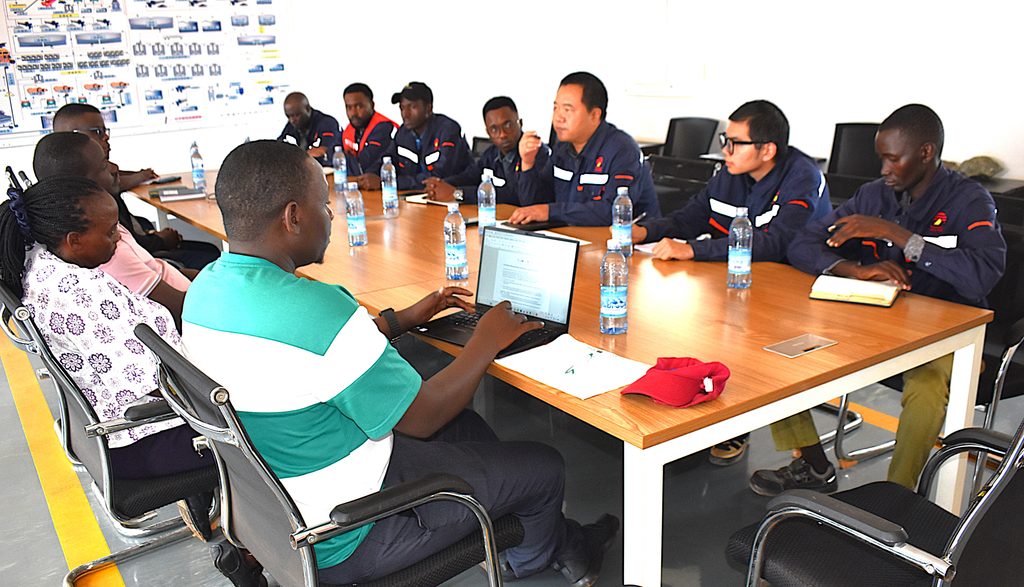
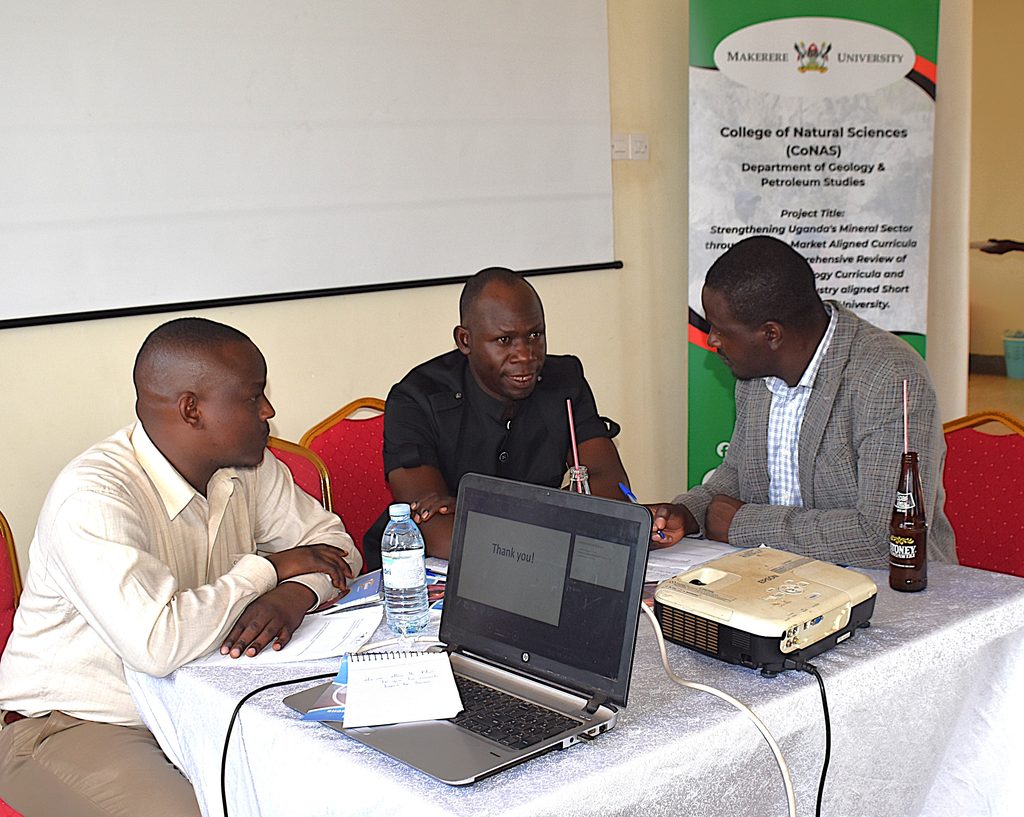
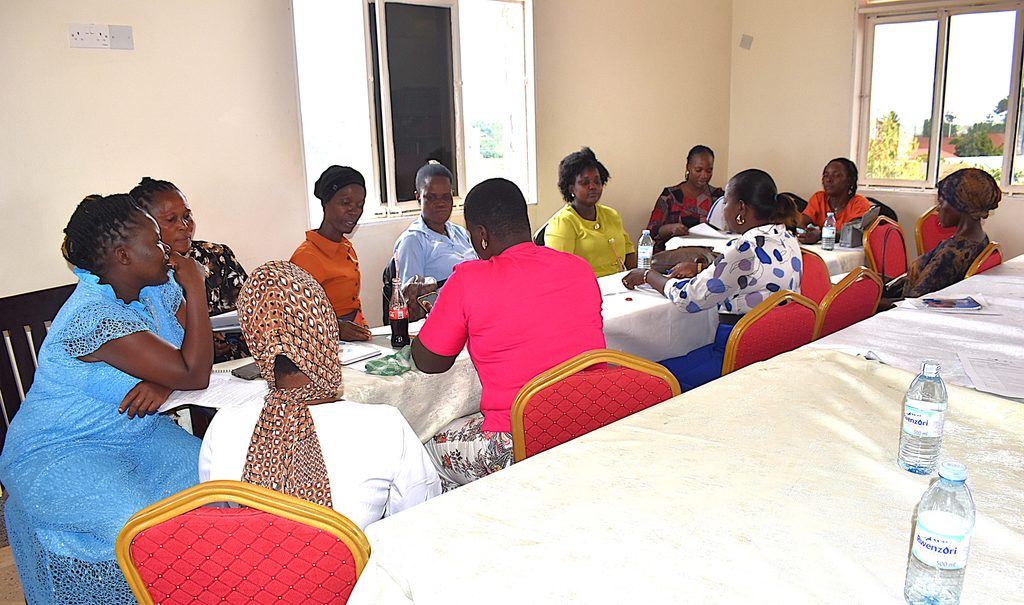
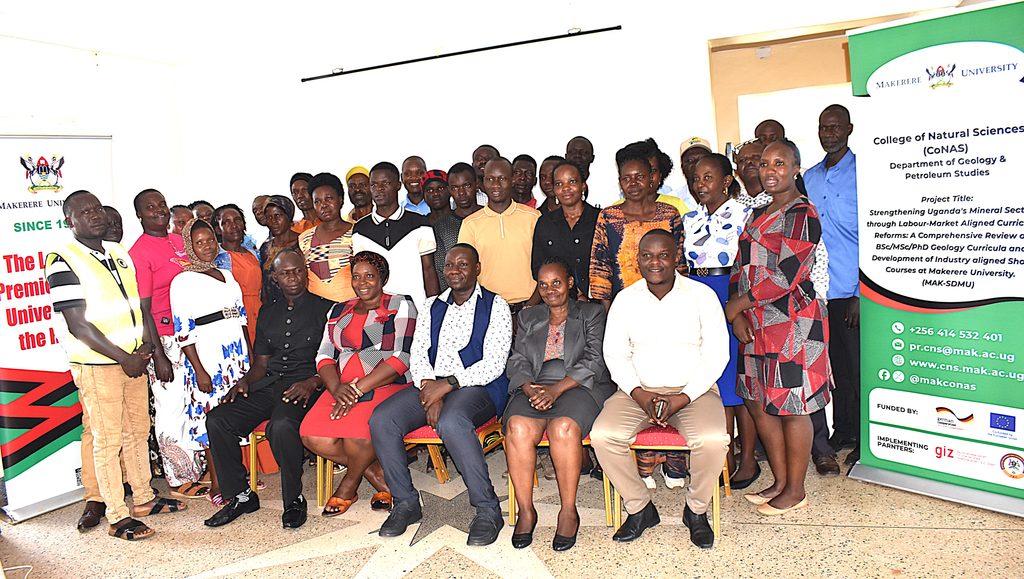
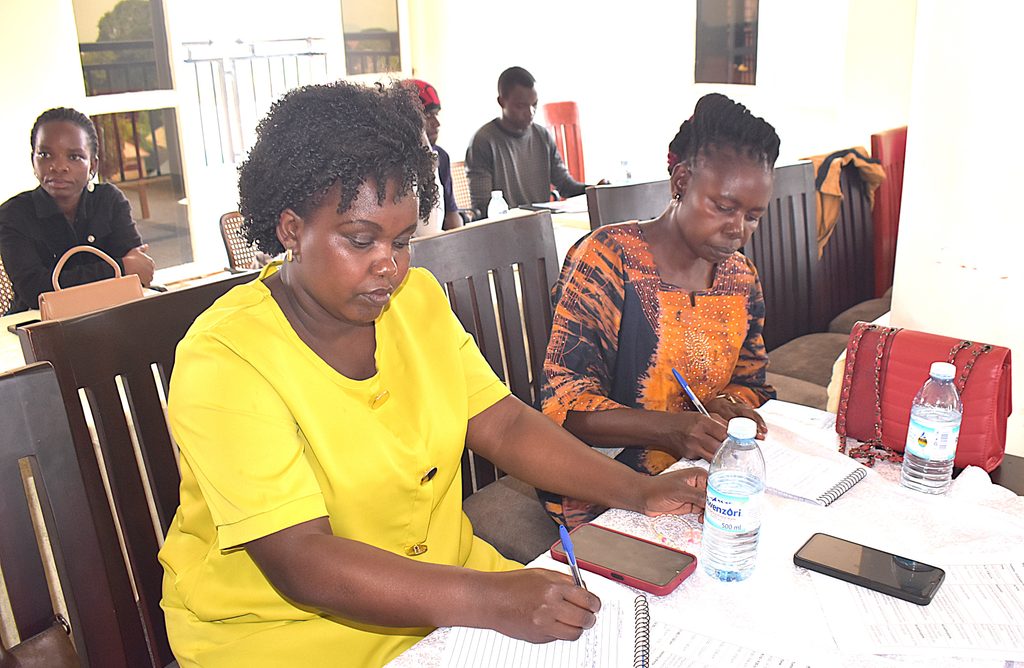
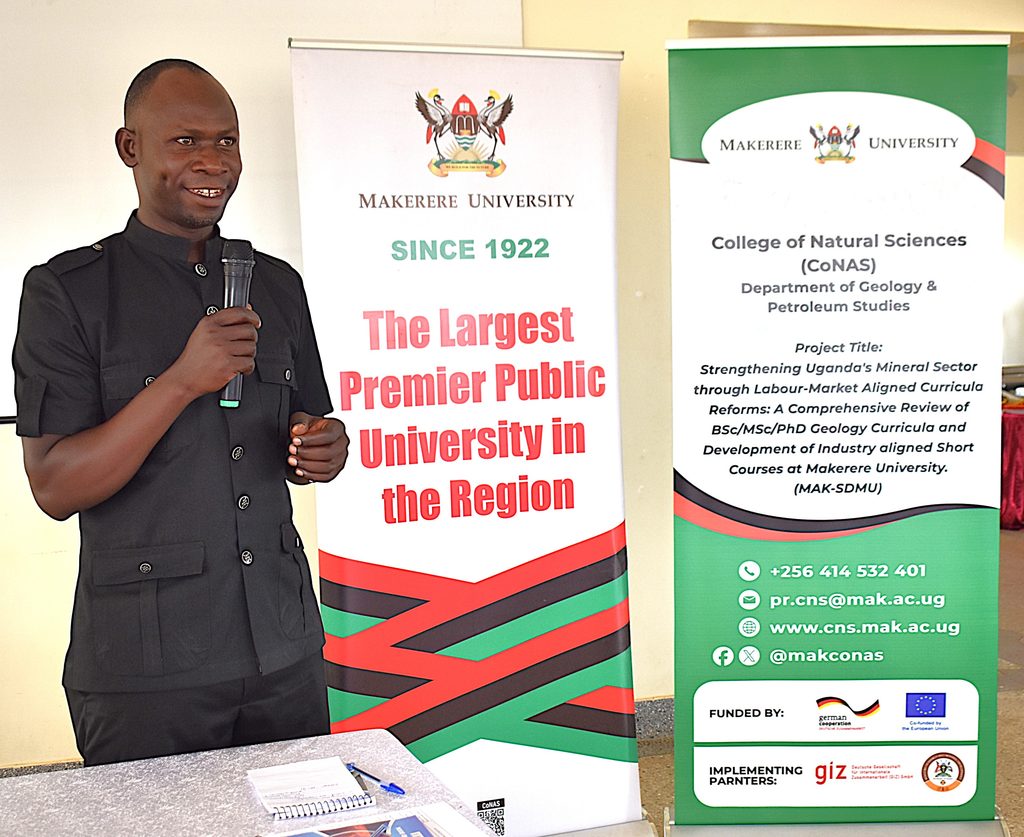
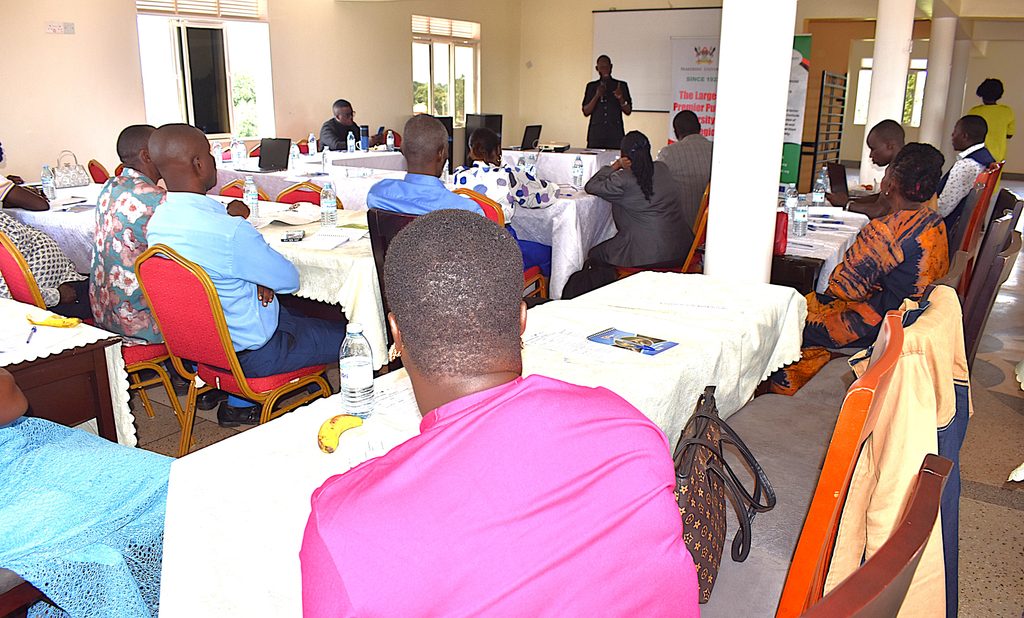
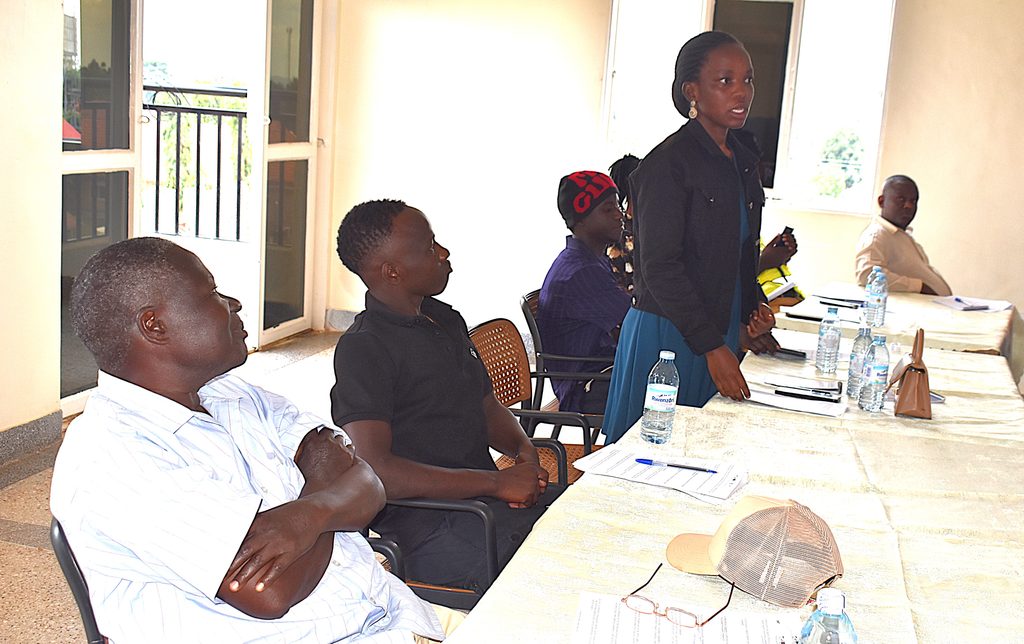
The consultations began in Eastern Uganda with a stakeholder engagement held on 13th October 2026 at Coco Hotel in Busia District. The meeting brought together representatives of local governments, mining companies and associations, and artisanal and small-scale miners to identify skills gaps and priorities for strengthening geology training.
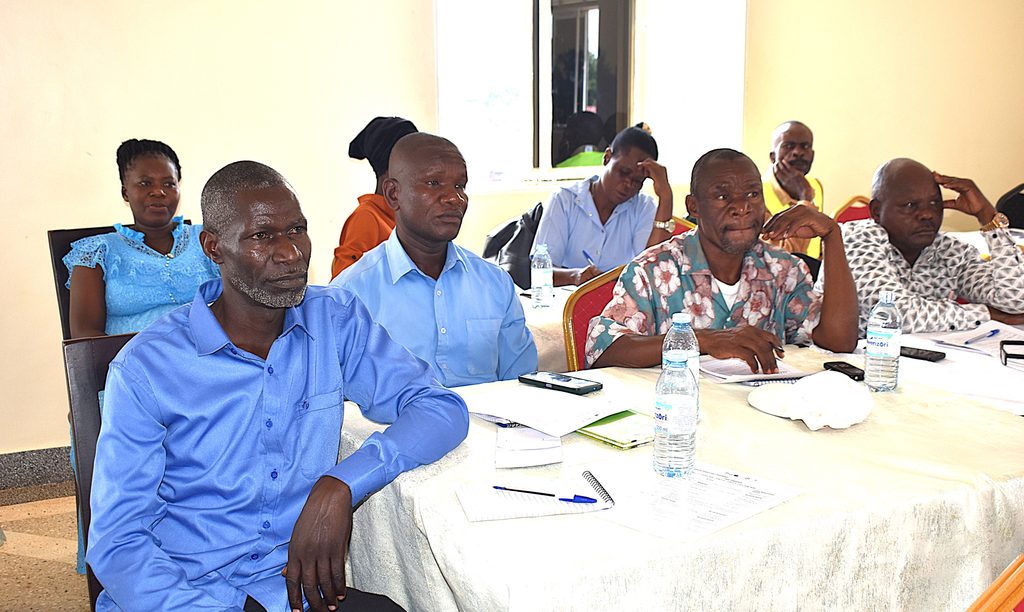
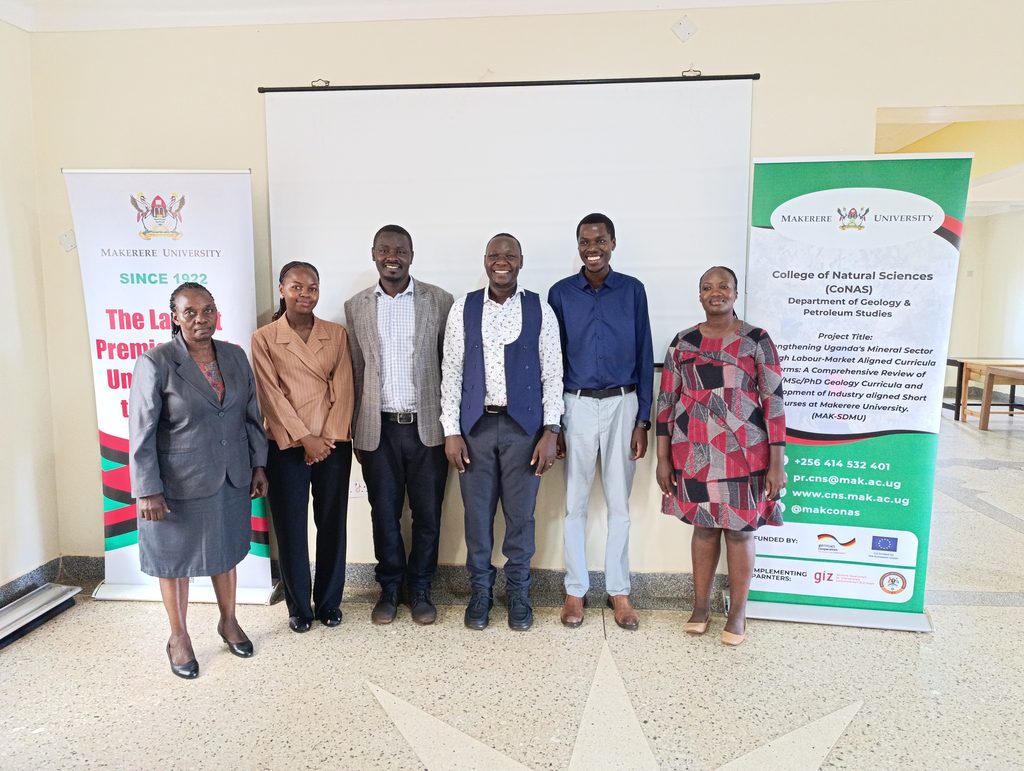
Led by Dr. Denis Mutebi, the project team sought input to inform the review of the Bachelor of Science (BSc), Master of Science (MSc) and Doctor of Philosophy (PhD) Geology programmes, and the development of short courses tailored to the needs of the mineral sector.
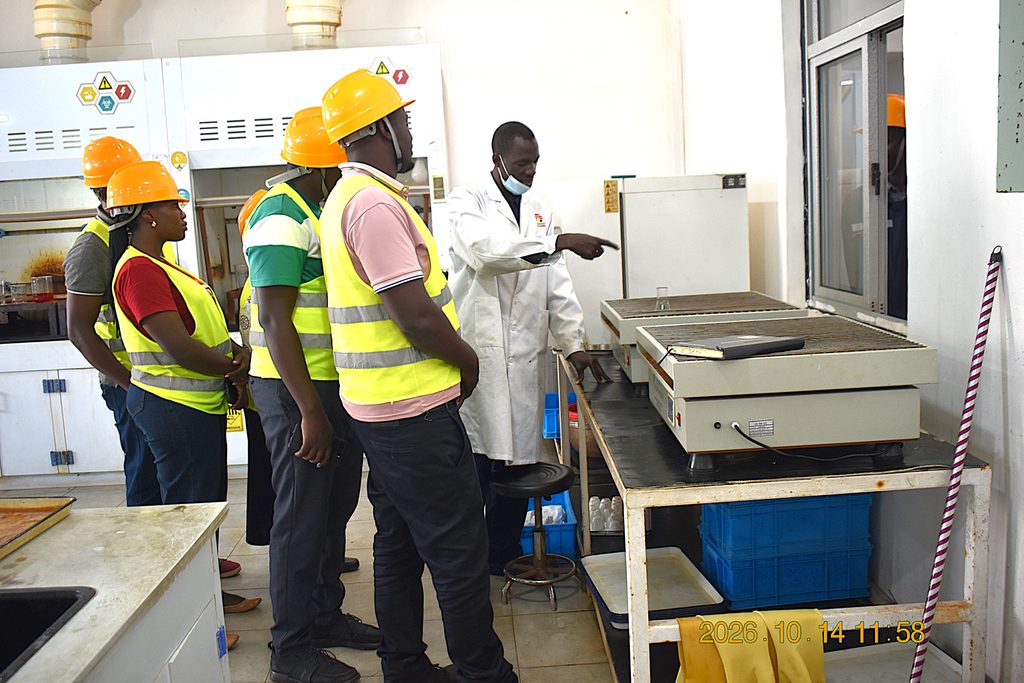
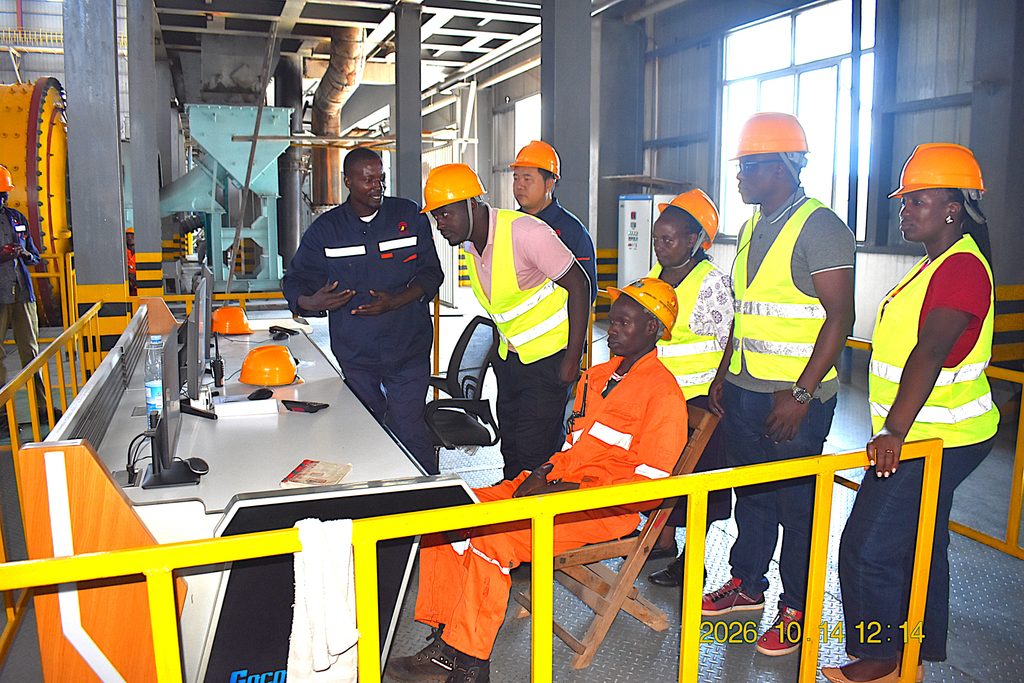
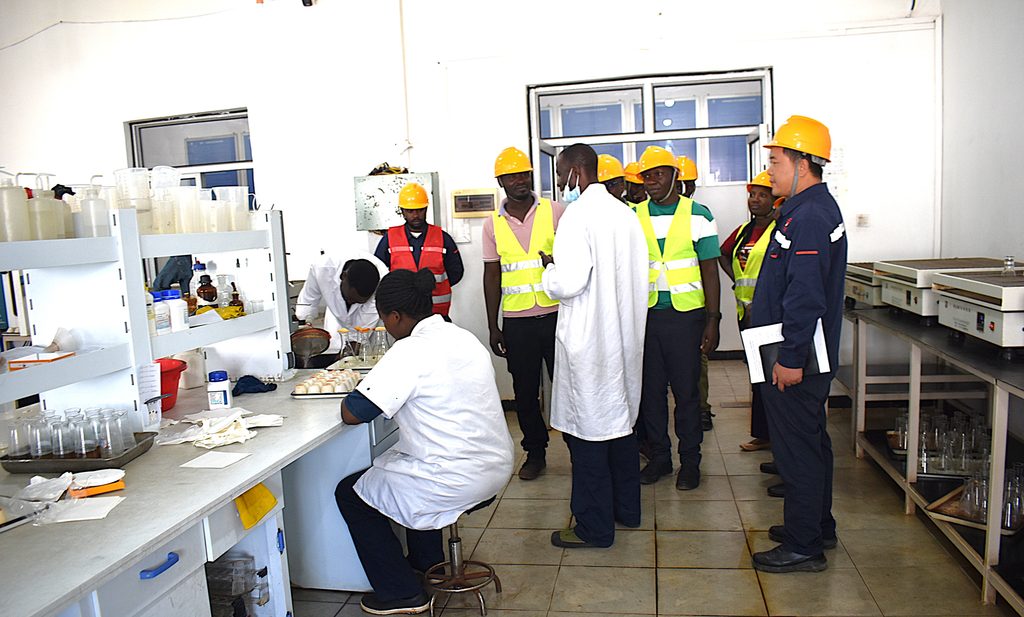
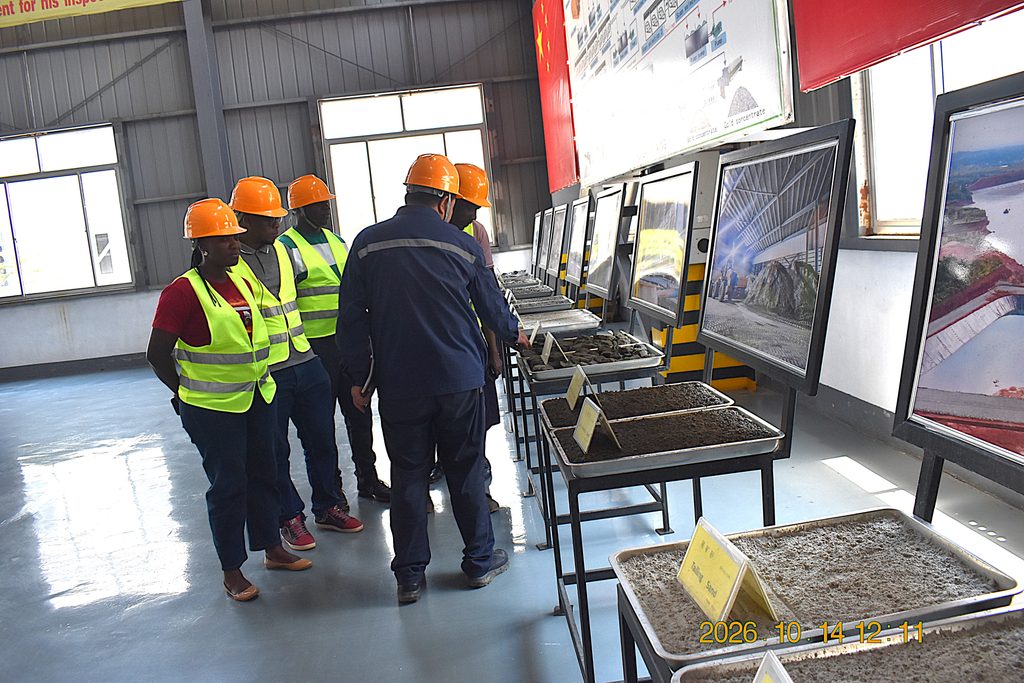
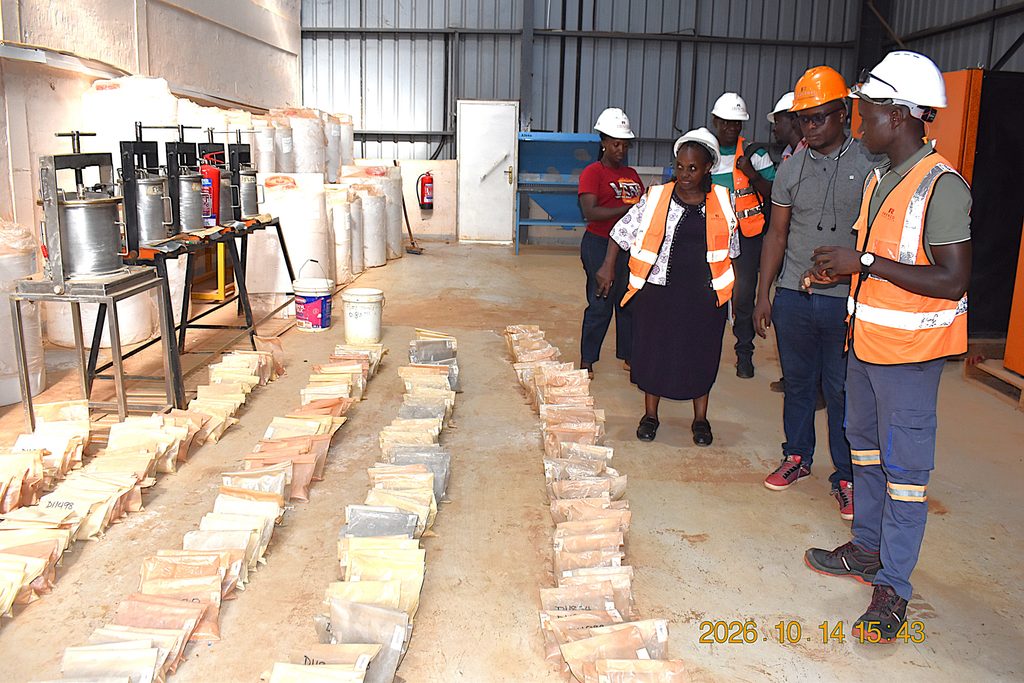
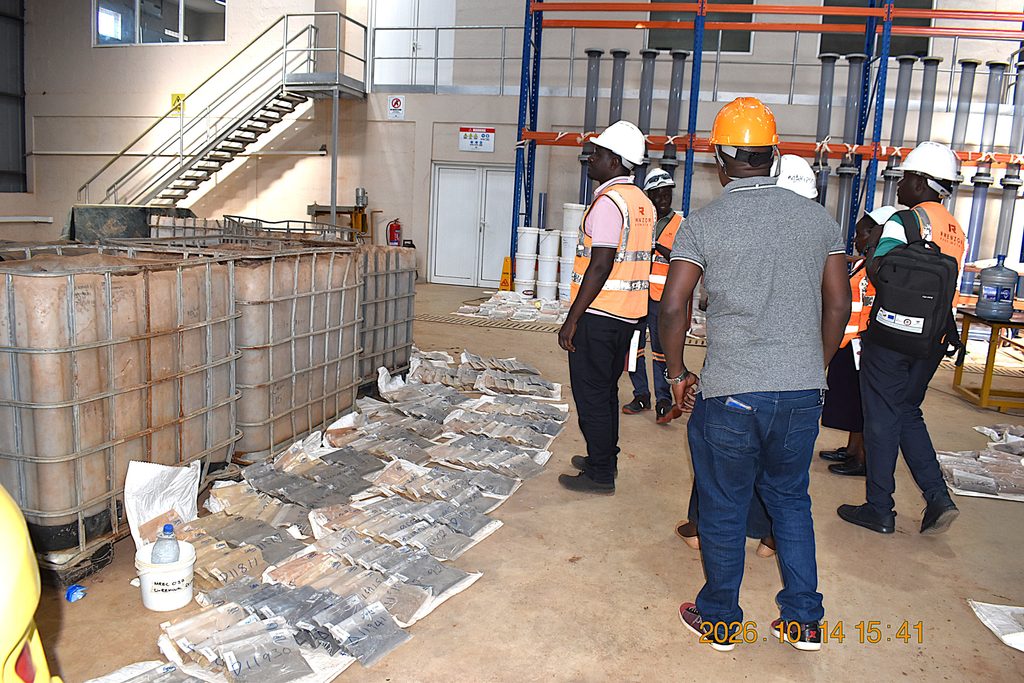
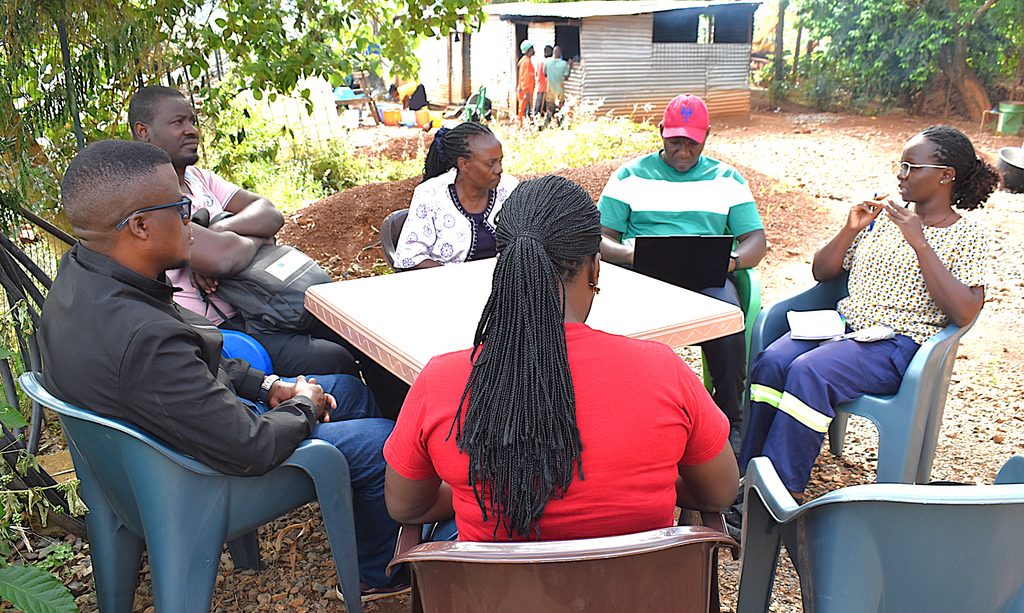
To gain first-hand insight into mining operations and explore opportunities for collaboration, the team visited several mining companies and mineral-processing facilities in Busia District, including Wagagai Mining (U) Ltd, Greenstone Resources Limited, Rwenzori Rare Earths, Meilin Mines Limited, and Pal Miners and Refineries. The visits provided an opportunity to engage with industry practitioners, understand operational processes and identify the technical competencies and training required to improve graduate preparedness and strengthen university-industry partnerships.
Aligning Geology Training with Industry Needs
The project team sought to identify skills gaps between geology training and industry requirements, including hard-to-fill positions, competencies lacking among new graduates, changing workforce demands and emerging technologies. Stakeholders also discussed differences in skills requirements between medium and large scale mining companies, as well as artisanal and small-scale mining (ASM) operations.
The findings will inform revisions to the three academic programmes, with attention to the technical, practical and research competencies required at each level. Discussions also focused on field methods, laboratory techniques, software, digital skills, fieldwork and industrial attachments that could be strengthened to better prepare graduates for the workplace.
Strengthening Practical Training and Applied Research
The team sought to identify curriculum changes that would improve graduate employability through greater exposure to mining operations, equipment, technologies and industry challenges. Stakeholders also identified problems that postgraduate students could investigate through research to address sector needs and improve mineral resource management.
Developing Industry-Aligned Short Courses
The consultations further sought to establish priority skills gaps that short courses could address, alongside suitable target groups, entry requirements, duration, delivery formats and certification valued by employers. Participants also discussed affordability, possible subsidies and training needs among artisanal and small-scale miners, mining associations, cooperatives and local leaders.
Proposed training areas included health, safety and environmental (HSE) management, rock drilling and blasting, underground mining, mineral identification and differentiation, metal analysis, and chemical handling. These courses would help address specific technical and operational gaps across the mineral value chain.
Expanding University-Industry Collaboration
The team explored opportunities for companies to host interns, provide guest lecturers and mentors, co-supervise research, support curriculum development and offer lecturer attachments. Discussions also covered access to equipment, laboratories, software, field sites and industry data, as well as opportunities to co-deliver short courses.
Participants also discussed barriers to effective collaboration and the possibility of signing memoranda of understanding (MoUs) to establish structured, mutually beneficial partnerships between Makerere University and industry.
Promoting Safe, Sustainable and Inclusive Mining
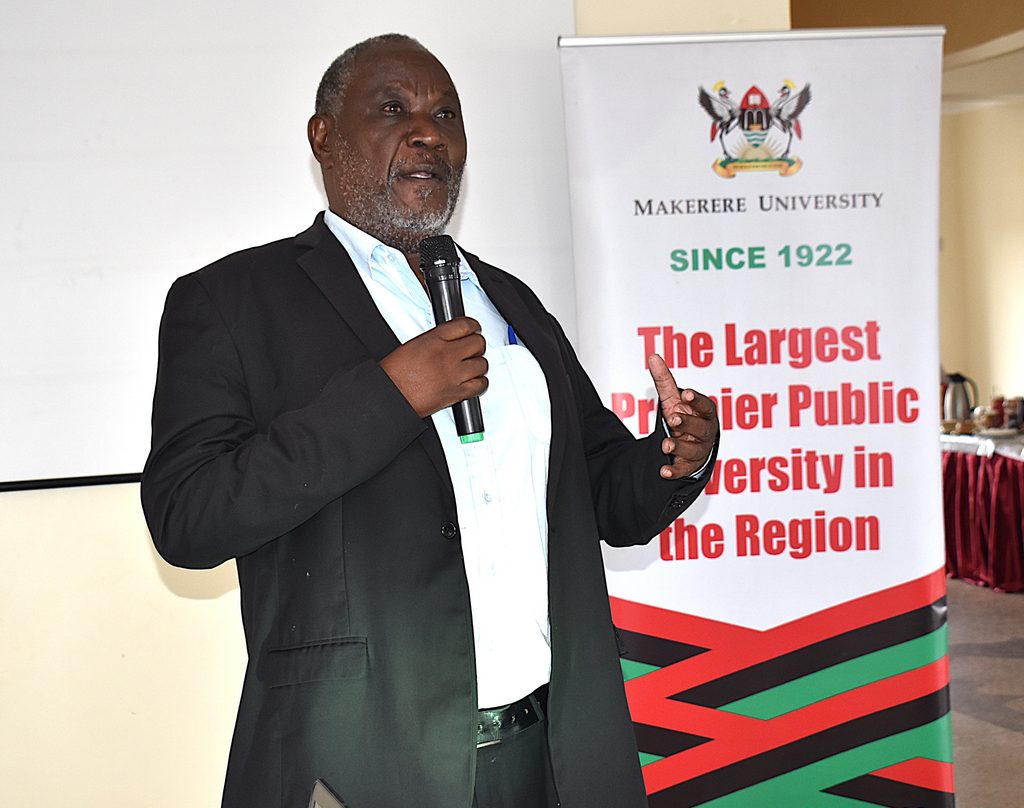
The consultations sought to identify occupational safety risks, environmental challenges and the training needed to promote responsible mining. Stakeholders also examined barriers to women’s participation in technical roles and ways to make training accessible to women, young people and workers unable to attend conventional courses.
Stakeholders Identify Technical, Safety and Financial Challenges
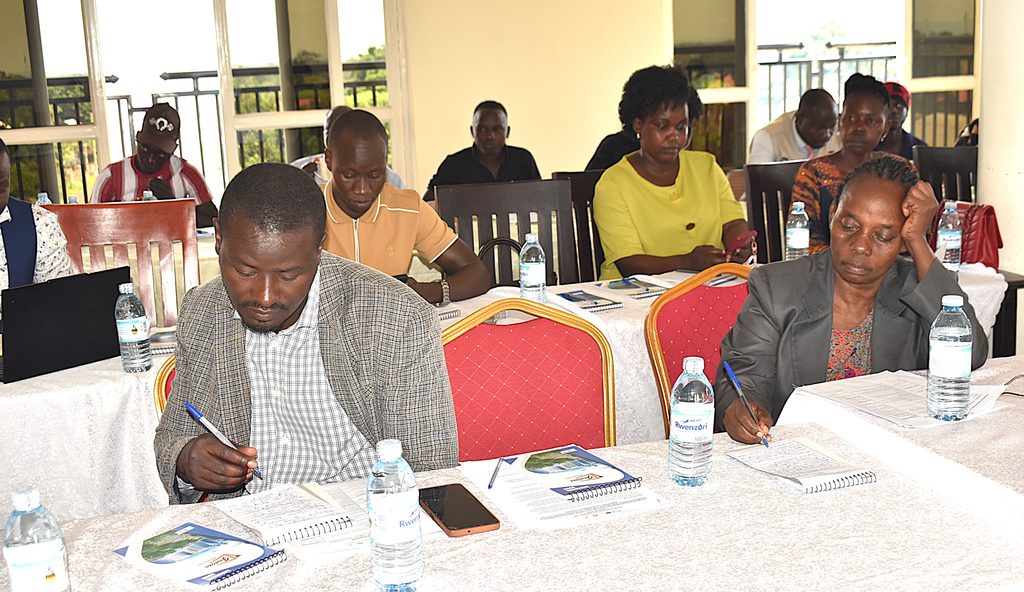
Participants expressed concern about the continued use of mercury in mineral processing, warning that exposure could cause serious harm to miners and surrounding communities, while contaminating soil and water. They highlighted gaps in HSE awareness and workplace practices, emphasizing the need for targeted training to reduce occupational hazards and promote environmentally responsible mineral processing.
They also highlighted gaps in technical and geotechnical expertise, particularly in mineral separation, metallurgy and laboratory procedures. They also pointed to limited access to specialized equipment, which restricts hands-on training and leaves miners and graduates less prepared to apply appropriate technologies, improve mineral recovery and meet industry requirements. They emphasized the need for stronger practical training and improved access to modern equipment to enhance operational efficiency and mineral production quality.
Beyond technical constraints, participants pointed to significant financial and institutional barriers. These include costly and bureaucratic licensing, limited access to capital and bank financing, low financial literacy, disorganized mineral markets, and high tuition for industry short courses. They also raised concerns about gender discrimination, gaps in graduates’ workforce readiness and regulatory inequalities that limit local participation in the mineral sector.
Remarks and Appreciation from the Local Government Officials
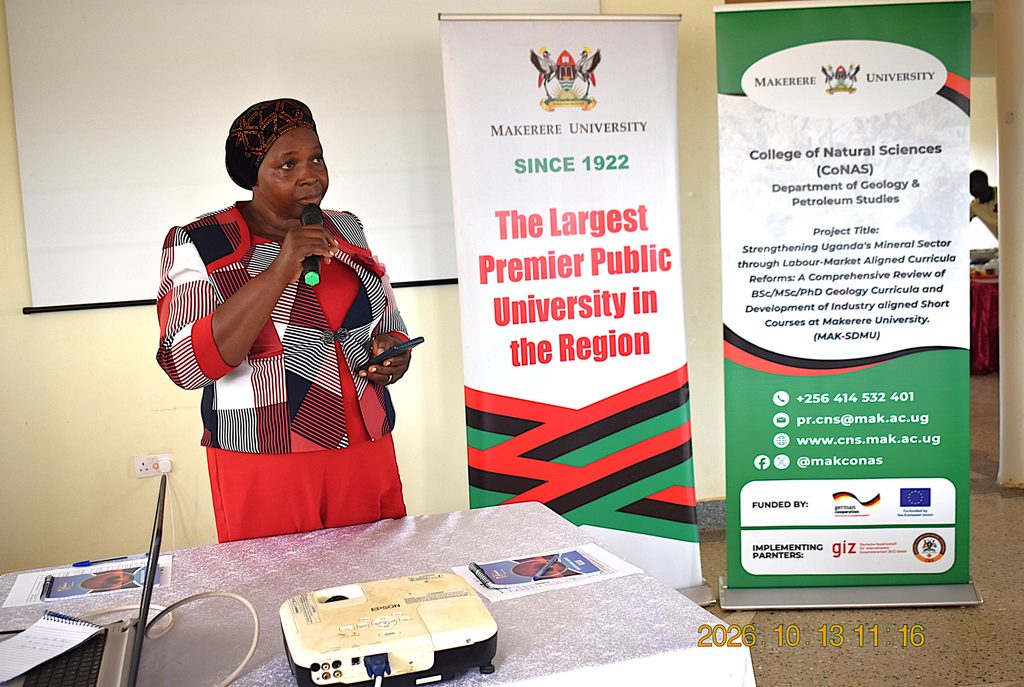
Addressing the meeting, local government representatives, including Tororo Resident District Commissioner, Mr. Bateganya Bakale Sadik; the Busia District LC5 Chairman, represented by Mr. Egesa Hebert; and Busia Resident District Commissioner, Ms. Hajira Namagogwe, welcomed the initiative, emphasizing the need to bridge skills gaps in the mining sector.
They noted that despite the region’s abundant mineral resources, exploration and development remain constrained by limited technical expertise and inadequate financing. They called for greater investment in skills development and improved access to financial resources to support responsible mineral exploration and sustainable growth. The leaders also underscored the importance of HSE training, particularly in light of the health and environmental risks associated with mercury use in mineral processing.
The consultations contribute to the broader project, “Strengthening Uganda’s Mineral Sector through Labour-Market Aligned Curricula Reforms: A Comprehensive Review of BSc/MSc/PhD Geology Curricula and Development of Industry-Aligned Short Courses at Makerere University (Mak-SDMU).”
Implemented under the Sustainable Development of the Mineral Sector in Uganda (SDMU) initiative in collaboration with the Ministry of Energy and Mineral Development (MEMD), the project is jointly funded by the Government of the Federal Republic of Germany and the European Union through GIZ.
The project team will also consult stakeholders in other mineral-rich districts including Mubende, Karamoja and Ntungamo.
Pictorial of the engagement: https://drive.google.com/drive/folders/1EakhDaqDzv96-8WGbpawWLwnC0W2x3gO?usp=sharing
More about the Mak-SDMU Project: https://news.mak.ac.ug/2026/06/makerere-university-to-revamp-geology-curricula-to-bridge-critical-skills-gap-in-ugandas-mineral-sector/