
pr.cns@mak.ac.ug


Makerere VC Calls for Increased Investment in Graduate Training & Research for Socio-economic Transformation

Africa’s Research Gap and Need for Investment in Graduate Training
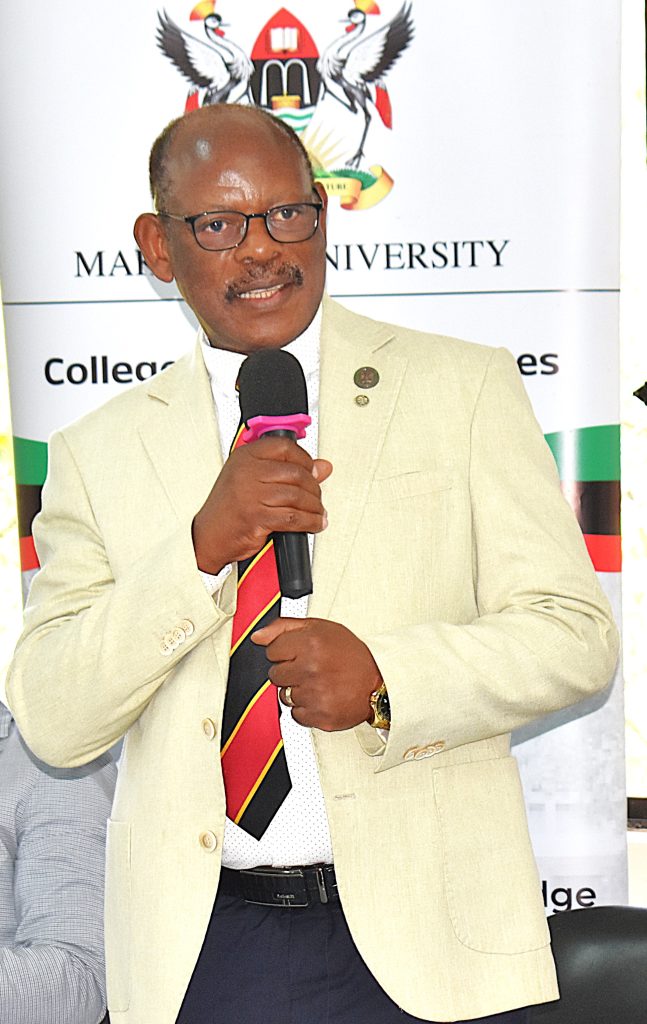
Makerere University Vice Chancellor, Prof. Barnabas Nawangwe, has called for increased investment in graduate training, research, and innovation, emphasizing that Africa’s socio-economic transformation depends on the continent’s ability to train and retain homegrown scientists and researchers capable of driving sustainable development.
Speaking during the University Senior Management engagement with staff at the College of Natural Sciences (CoNAS) on 19th June 2026, Prof. Nawangwe highlighted Africa’s limited contribution to global knowledge production, noting that the continent accounts for only about 3% of the world’s research publications.
He cited a 2020 World Bank recommendation that Africa needs to produce one million PhDs by 2030 if it is to accelerate transformation and compete effectively in the global knowledge economy.
“Africa cannot achieve sustainable development without significantly increasing its capacity for research, innovation, and graduate training,” Prof. Nawangwe said.
Lessons from South Korea’s Development Model
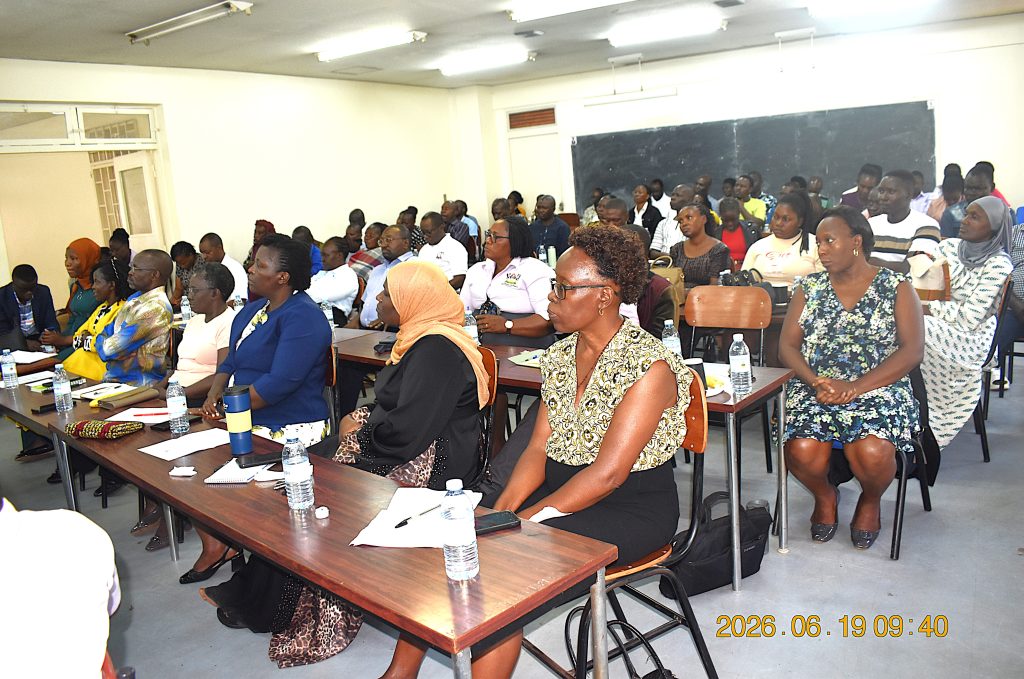
Drawing comparisons with countries that have successfully leveraged higher education to drive development, the Vice Chancellor pointed to South Korea’s remarkable transformation over the past six decades. He noted that in the 1960s, Uganda was economically ahead of South Korea and even extended financial support to the Asian nation. Today, however, South Korea has emerged as a global economic powerhouse largely because of sustained investments in higher education, research, and innovation.
According to Prof. Nawangwe, South Korea currently produces approximately 12,900 PhDs annually, while South Africa, one of Africa’s leading research nations, produces about 2,000 PhDs each year.
Makerere University’s Role in Closing the Research Gap
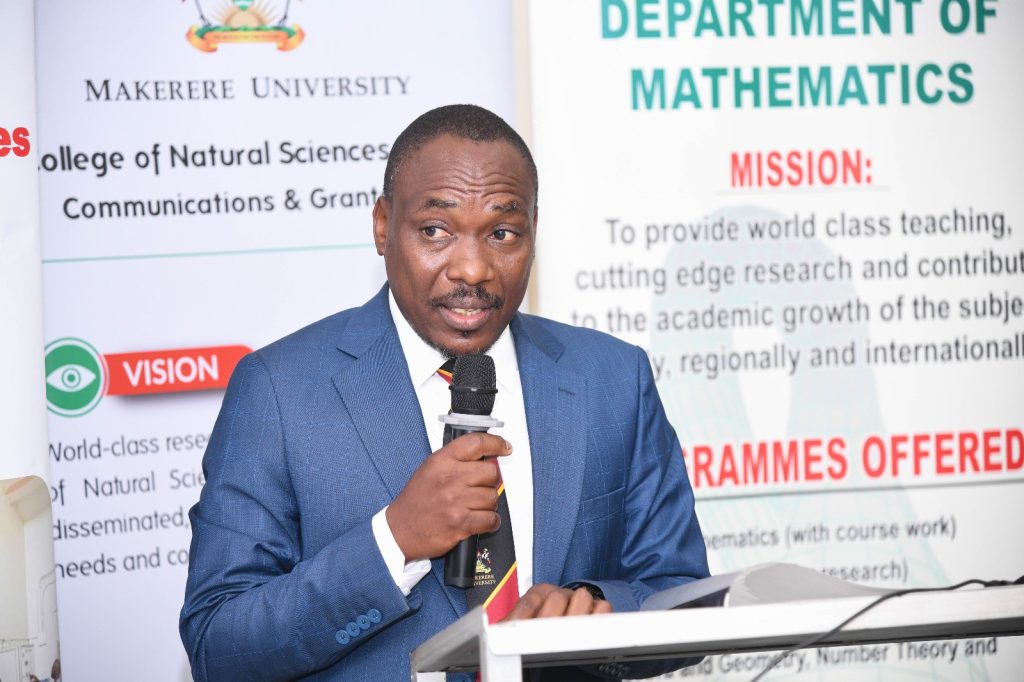
The Vice Chancellor challenged Makerere University, particularly the College of Natural Sciences (CoNAS), to play a greater role in addressing Africa’s research deficit. He described CoNAS as one of the best-resourced colleges at the university and urged it to expand postgraduate training and research output.
Despite acknowledging that much work remains to be done, Prof. Nawangwe said Makerere had made significant strides in building research capacity. He revealed that the university currently manages a research portfolio worth approximately USD 400 million, a figure he said exceeds the national budgets of several African countries, including Burundi, Eritrea, and Comoros.
He further noted that Makerere is implementing 35 United Kingdom-funded projects and more than 40 ongoing European Union-supported initiatives, underscoring the institution’s growing international research profile.
“Makerere is one of the most collaborative universities in the world, partnering with universities and agencies across the globe,” he said.
Call for Commercialization of Innovations
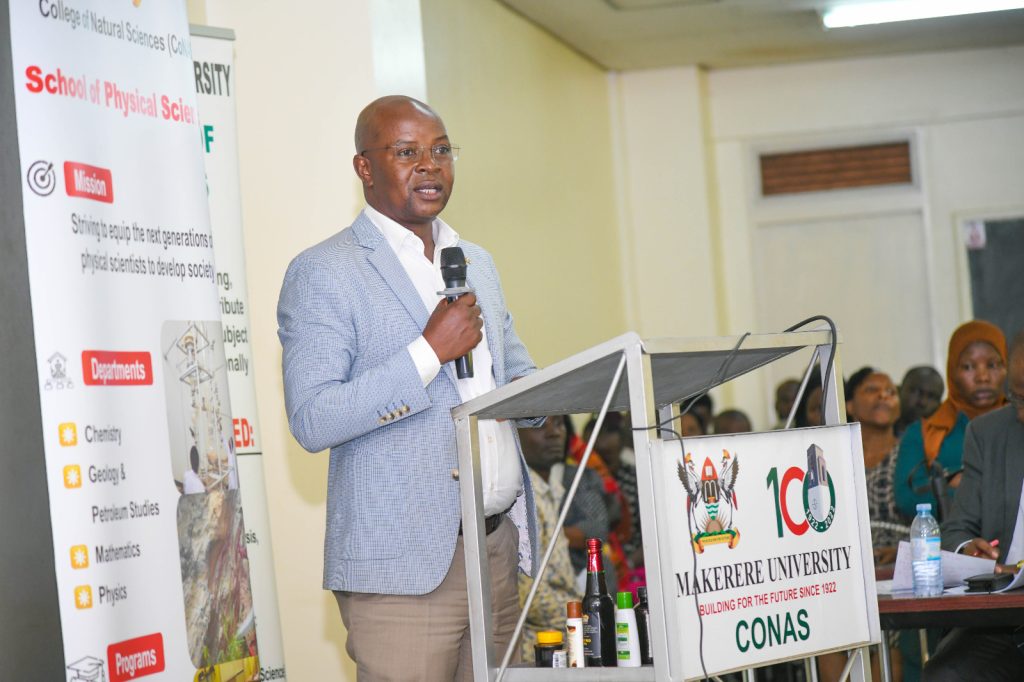
Prof. Nawangwe emphasized that Uganda’s future development will largely depend on the university’s ability to generate knowledge and innovative solutions. He called for the commercialization of research projects to ensure that innovations made at the institution contribute directly to national development.
“The socio-economic development of Uganda depends on what we do at Makerere. Our research must move beyond laboratories and classrooms to create industries, businesses, and solutions that improve people’s lives,” he said.
The Vice Chancellor also stressed the need to equip staff and students with computers and digital tools at all levels of education, arguing that technology access is essential for producing the scientists and innovators required to drive industrialization.
As part of Makerere’s long-term strategy, Prof. Nawangwe advocated for the establishment and strengthening of specialized centres of excellence in key areas, including space sciences, sports development, mathematics, science and technology, plant sciences, and petroleum and gas studies.
He said these centres would not only advance research and innovation but also stimulate the growth of discipline-specific academic journals, enhancing Africa’s contribution to global scholarship.
To further expand the university’s impact, Prof. Nawangwe called for increased student enrolment, particularly in science-related disciplines. He revealed that the University Management is engaged in discussions with government aimed at securing additional funding for research.
The engagement provided an opportunity for Senior Management and staff to discuss graduate enrolment, research productivity, supervision, mentorship, infrastructure, and strategic interventions needed to enhance the quality, relevance, and impact of postgraduate education at Makerere University.
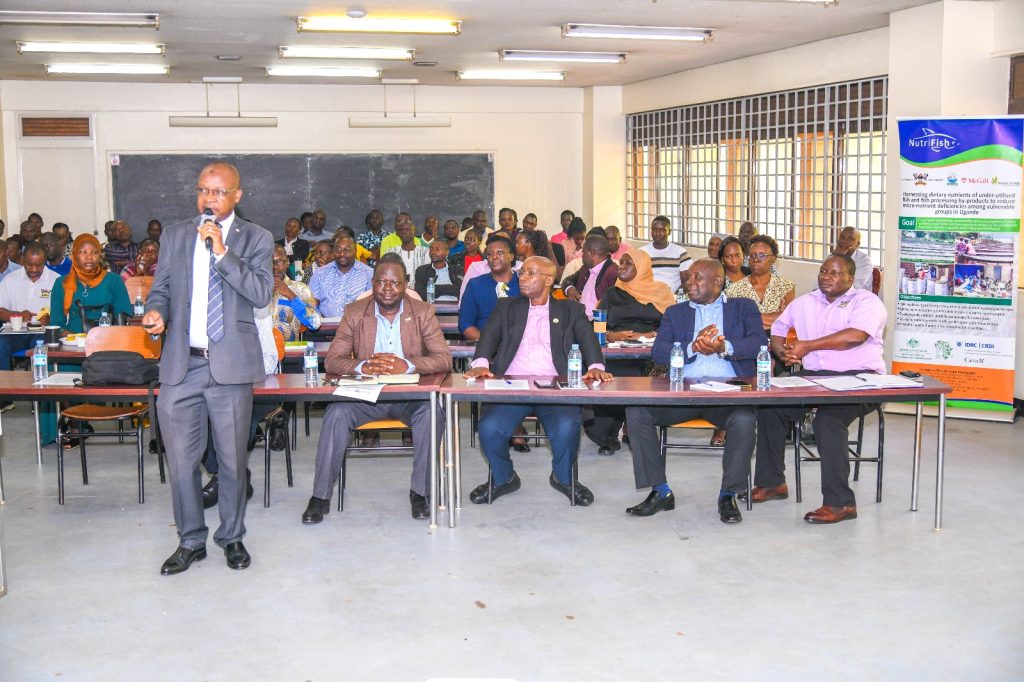
CoNAS Presentation: Research Output and Graduate Training
Briefing the Senior Management team about the status of research and graduate training at CoNAS, the Principal, Prof. Winston Tumps Ireeta, highlighted the College’s strategic role in advancing scientific knowledge, nurturing talent, and generating solutions to national and global development challenges.
As one of the University’s leading research hubs, CoNAS hosts over 1,300 students and about 153 academic, technical, and administrative staff across eight departments under the Schools of Biosciences and Physical Sciences. The College contributes significantly to teaching and research across several colleges and academic units at Makerere University, with more than 150 publications annually and research activities in several scientific fields. “These efforts have contributed to policy development, technological innovation, environmental conservation, public health, energy planning, and agricultural sustainability,” Prof. Ireeta noted.
To further enhance graduate training and research excellence, Prof. Ireeta called for increased funding for graduate students and research, establishment of more specialized laboratories, operationalization of the Research Information Management System (RIMS) to track student progress, revitalization of the Graduate Fellowship Programme, and expanded scholarship opportunities for outstanding students.
He also appealed for stronger industry partnerships, increased recruitment of technical staff, greater support for the Makerere University Biological Field Station (MUBFS) in Kibale, incentives for research publications, and a review of the Teaching Assistant position to retain talented graduates within the University system.
Prof. Ireeta emphasized that investing in graduate education and research will strengthen Makerere University’s contribution to Uganda’s Fourth National Development Plan, the African Union’s Agenda 2063, and the United Nations Sustainable Development Goals.
Presenting the graduate statistics at CoNAS, the Deputy Principal, Prof. Juma Kasozi, emphasized the importance of sustained investment in graduate training as a key strategy for maintaining and increasing enrolment.
The engagement also provided an opportunity for various university units to present their services and interventions aimed at enhancing graduate training, research productivity, and academic excellence.
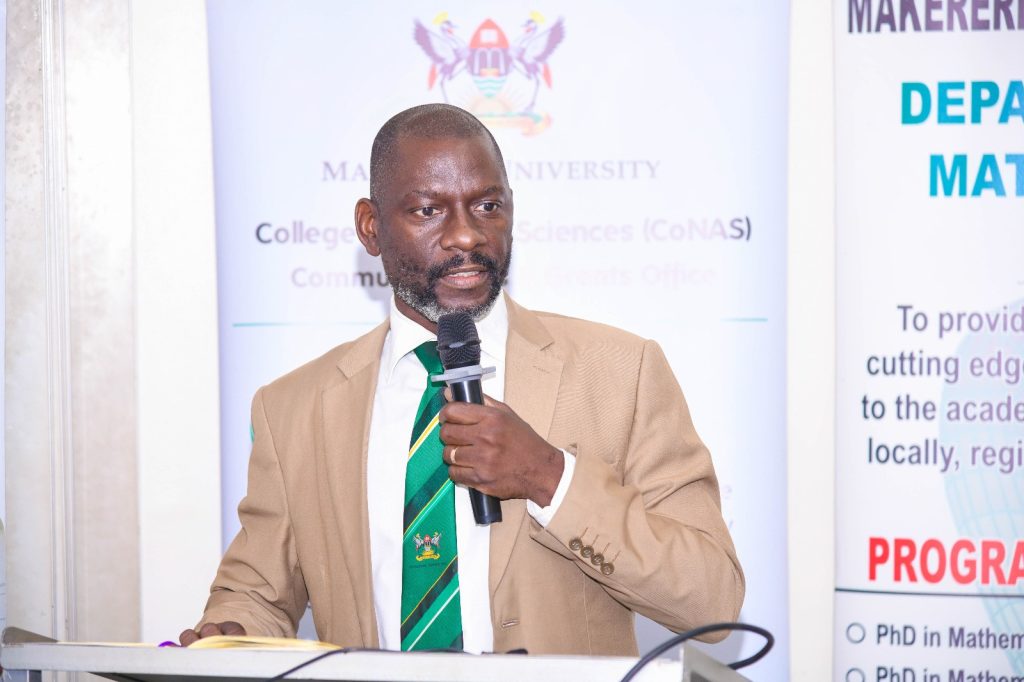
Strengthening Graduate Training Systems and Policy Reform
The Acting Deputy Vice Chancellor in charge of Academic Affairs, Prof. Edward Bbaale, called on the College to deepen its collaboration with industry partners in order to better align academic programmes with real-world needs. He further emphasized the importance of expanding research centres to strengthen innovation and knowledge generation within the institution. In addition, he encouraged continued implementation of competence-based curricula, noting that such approaches are essential for equipping students with practical skills and adaptability required to meet the changing demands of the job market.
Prof. Julius Kikooma, Director of Graduate Training at Makerere University, emphasized the need to strengthen institutional capacity to improve graduate training in both quality and numbers. He informed staff of the ongoing policy reforms aimed at improving graduate training. He called on academic staff to participate in a survey on doctoral supervision to inform future reforms. He also announced plans to introduce a PhD programme in Artificial Intelligence, intended to align graduate training with emerging technological trends and national development priorities. Additionally, he urged all academic staff to register on the Research Information Management System (RIMS), which is designed to improve research coordination, track academic outputs, and strengthen institutional oversight.
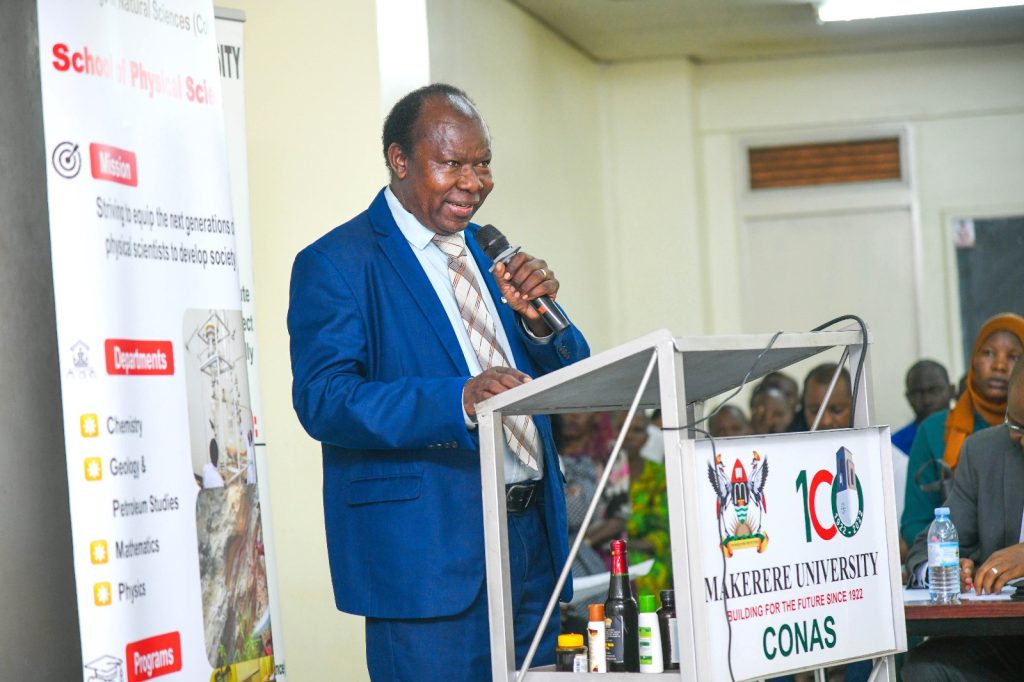
Support Systems for Research and Academic Writing
Prof. Fredrick Muyodi encouraged staff and students to leverage the services of the Makerere University Writing Centre. The Centre supports postgraduate students, early-career researchers, senior academics, and other categories of staff within the University to improve their writing skills. It particularly offers training programmes in manuscript writing, development of competitive grant proposals, responsible use of artificial intelligence in academic writing, and preparation of policy briefs, and minutes. The services are designed to improve research quality, publication output, and success in attracting research funding.
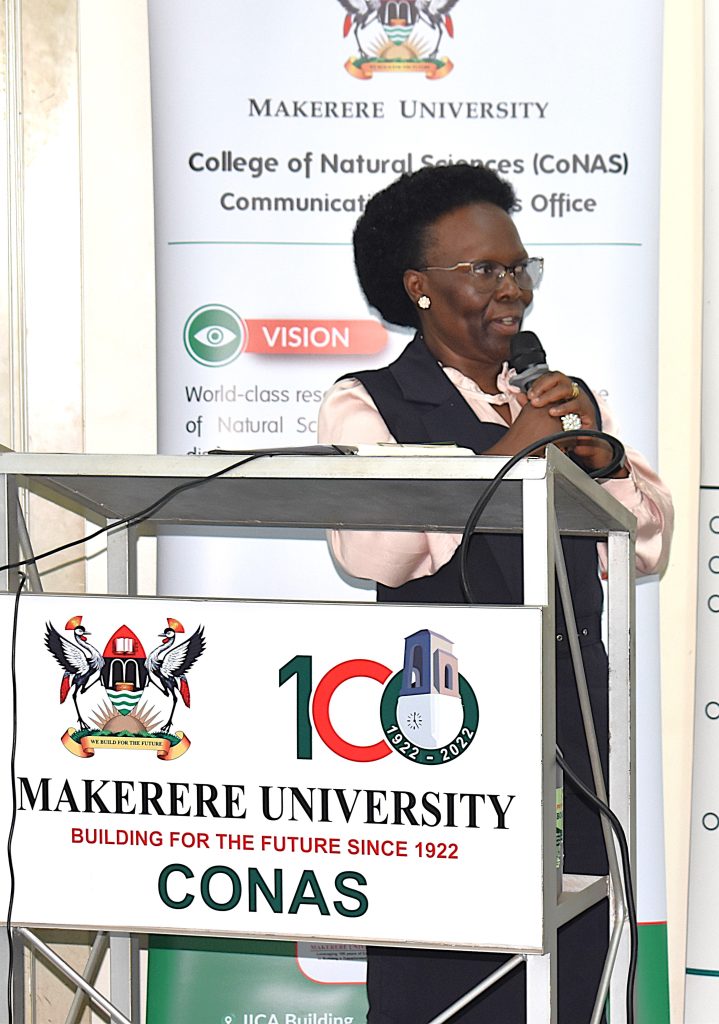
Speaking on grants management, Prof. Sylvia Antonia Nakimera Nannyonga-Tamusuza, Head of the Grants Administration and Management Support Unit (GAMSU) emphasized the critical importance of ensuring the proper and timely close-out of research grants upon completion. She observed that while many projects successfully deliver on their grant-funded activities, the formal close-out stage is frequently overlooked, despite being a key requirement for accountability, compliance, and strengthening the integrity of research management systems.
Prof. Tamusuza stressed that effective grant closure is not merely procedural, but an essential part of the research lifecycle that safeguards institutional credibility and enhances prospects for future funding. She further highlighted GAMSU’s comprehensive support role across the entire grant continuum, including the identification of funding opportunities, interpretation of donor requirements, facilitation of competitive proposal development, guidance during submission, and oversight of the pre-award process through a dedicated grants management system designed to improve efficiency, transparency, and coordination.
She urged Project Principal Investigators to prioritize the timely submission of quarterly progress reports, noting that consistent reporting is central to strengthening accountability frameworks, improving project monitoring, and ensuring that research activities remain aligned with the approved objectives and deliverables.
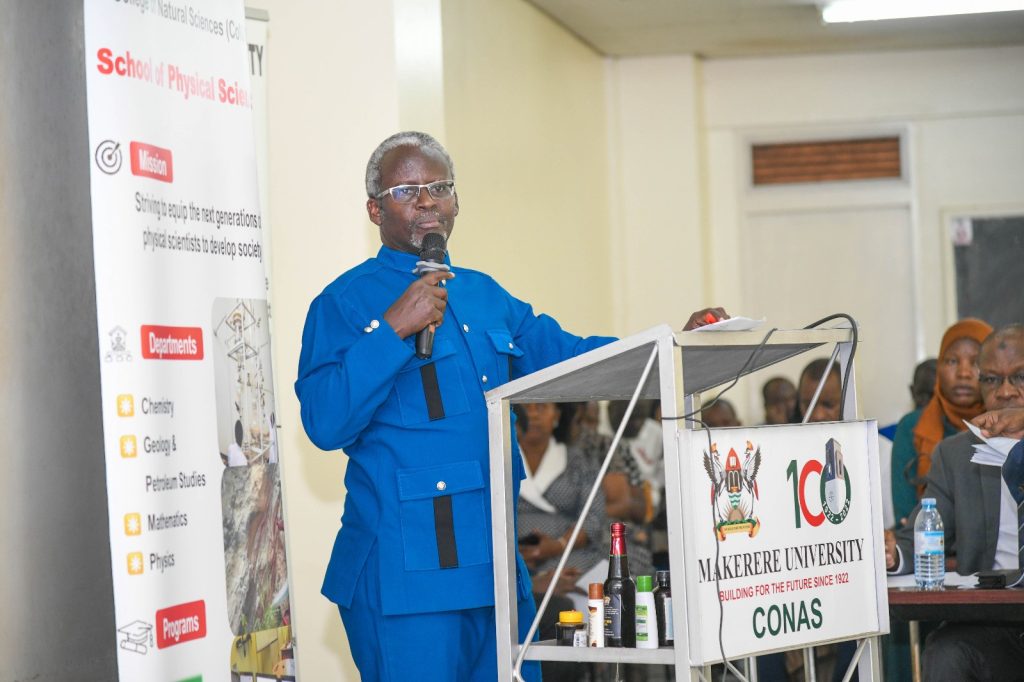
From the Makerere University Press (MakPress), Dr. William Tayebwa commended CoNAS for its contribution to book publishing and urged staff to increase the number of book projects and scholarly journals originating from the College. He emphasized the importance of developing more home-grown journals to enhance the visibility of local research. Dr. Tayebwa further pledged support in securing International Standard Serial Numbers (ISSN), obtaining Digital Object Identifiers (DOIs), and guiding journals through indexing pathways to increase their global reach and credibility.
Publishing, Quality Assurance, and Innovation Commercialization
In his remarks, the Chief Quality Assurance Officer, Dr. Cyprian Misinde, highlighted Makerere University’s continued academic progress, noting that it is currently ranked 904th globally and placed among the top 4.3% of universities worldwide-a reflection of the institution’s growing global standing.
He commended CoNAS researchers for their strong output in high-impact journals and urged staff to consistently upload all publications into the university’s quality assurance system to ensure accurate and comprehensive documentation of research achievements.
Dr. Misinde further emphasized the need to fully align academic programmes with the competence-based curriculum framework, with greater emphasis on practical skills development and industry engagement, to ensure graduates are well-prepared to meet evolving labour market demands.
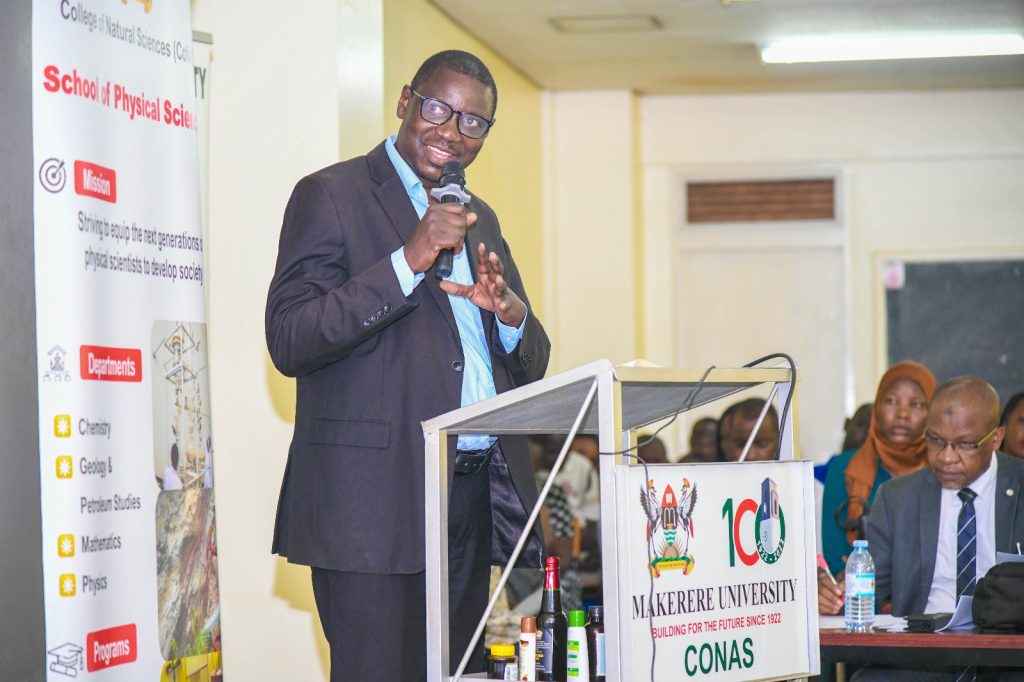
The Acting Assistant Manager at the Makerere University Technology and Innovation Centre (MUTIC), Dr. Margaret Nagwovuma, encouraged researchers to utilize the centre to refine, develop, and commercialize their innovations. She noted that the centre serves as a vital platform for transforming research outputs into market-ready products and services, bridging the gap between academia and industry while fostering innovation and entrepreneurship within the university community.
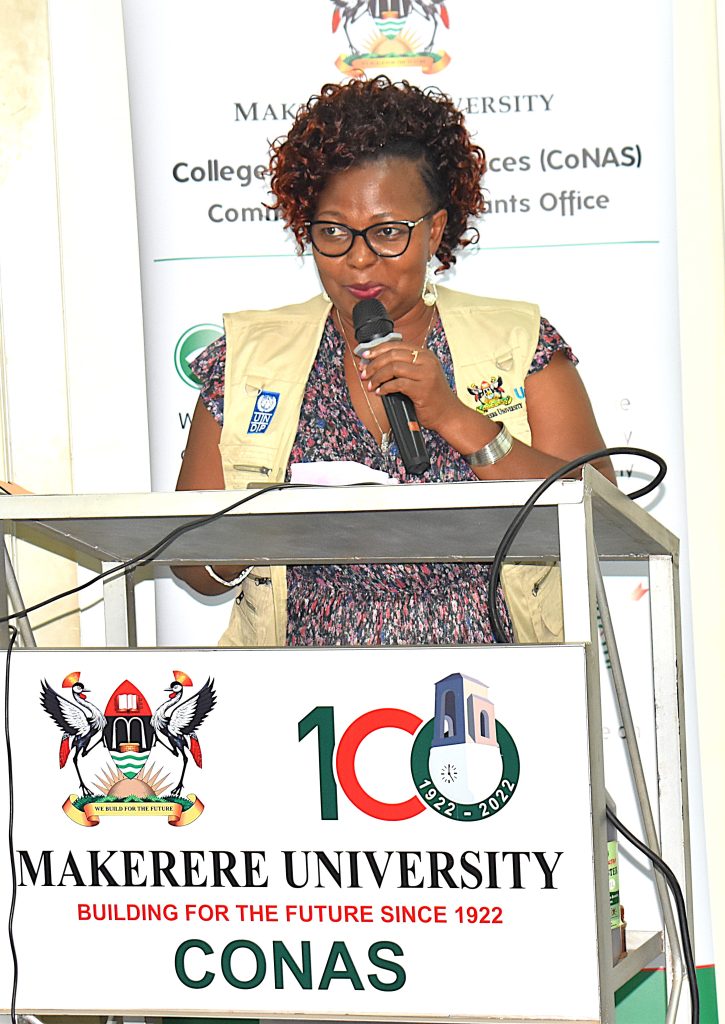
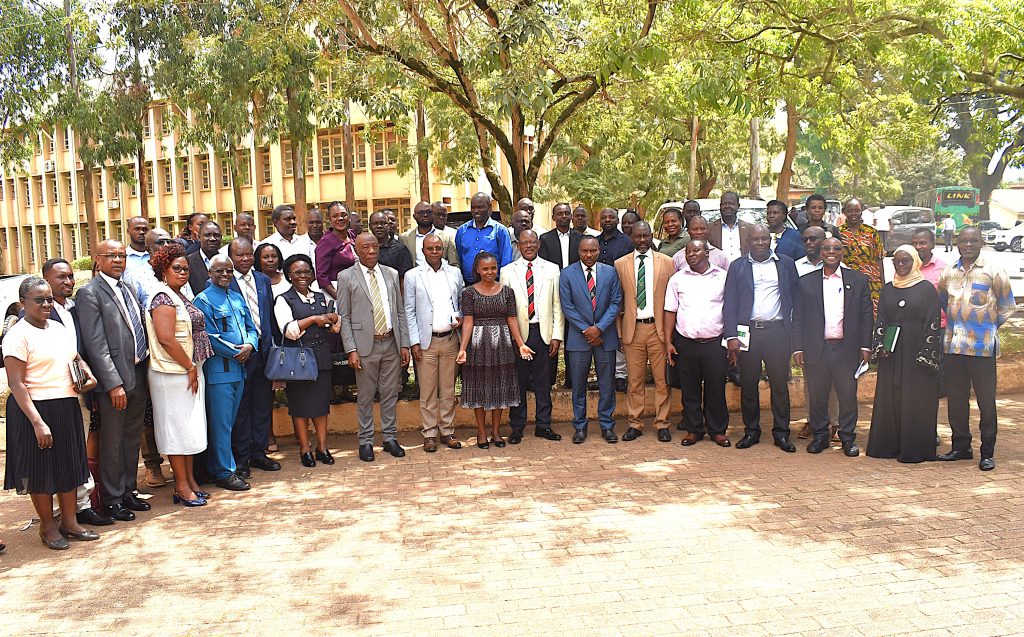
Pictorial of the meeting: https://drive.google.com/drive/folders/1NPUwpHONFFi-BbA3R1af1Ja6qnLDqKk2?usp=sharing