
pr.cns@mak.ac.ug


Limited Knowledge Exposes Karamoja Miners to Exploitation

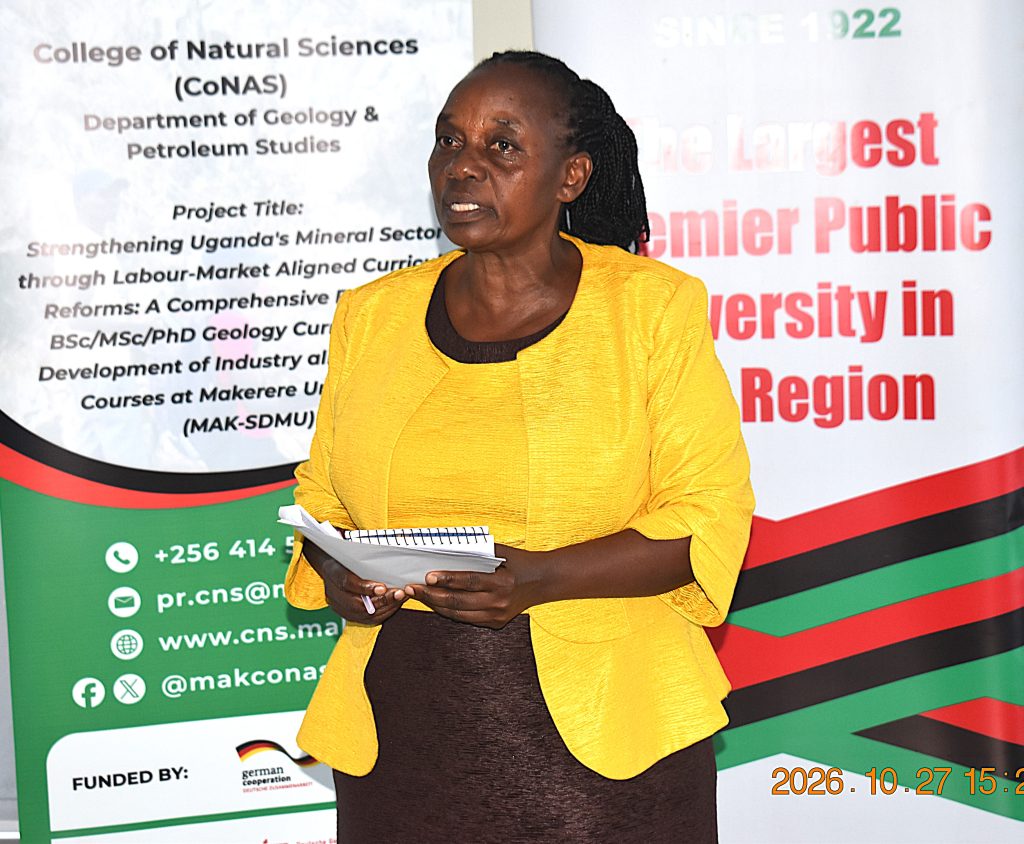
The ongoing reforms to the Makerere University geology curricula and development of industry-aligned short courses is expected to bridge the skills gaps in Uganda’s mineral sector. The Process is funded by the Government of the Federal Republic of Germany and the European Union through GIZ.
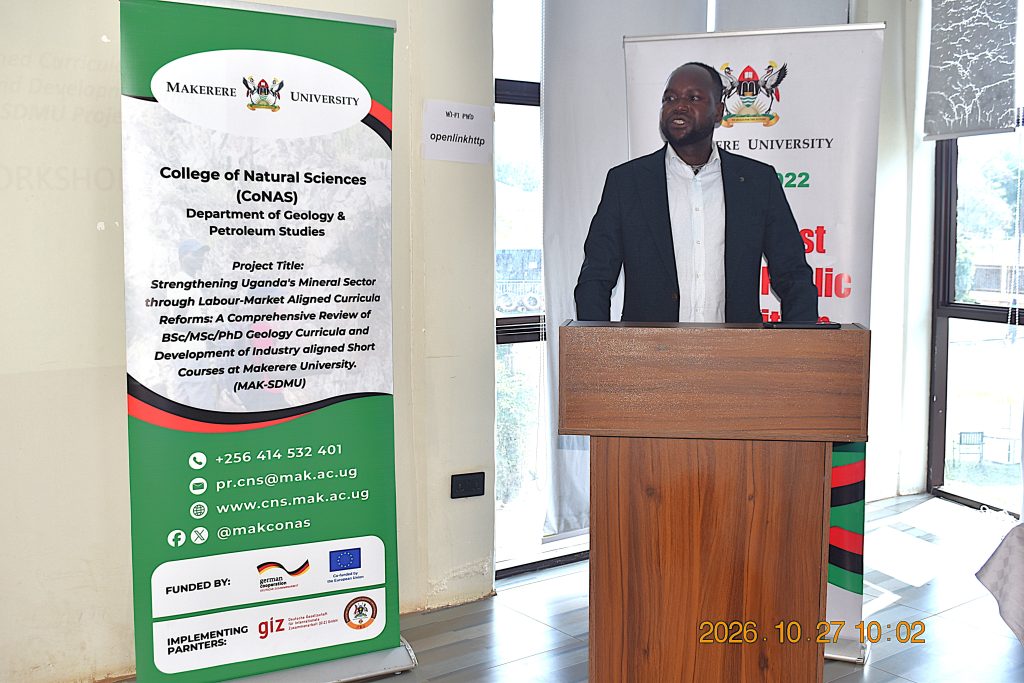
Limited knowledge of the value of minerals, mining laws, licensing requirements and market practices has left artisanal miners and local communities in Karamoja vulnerable to exploitation by investors, middlemen and other actors in the mineral value chain.
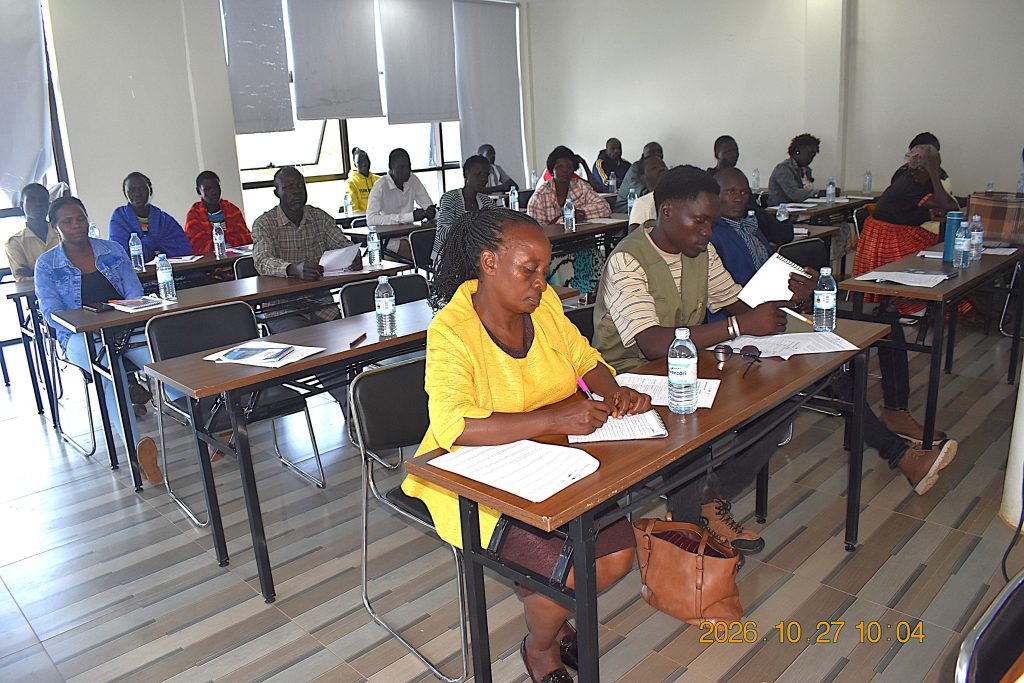
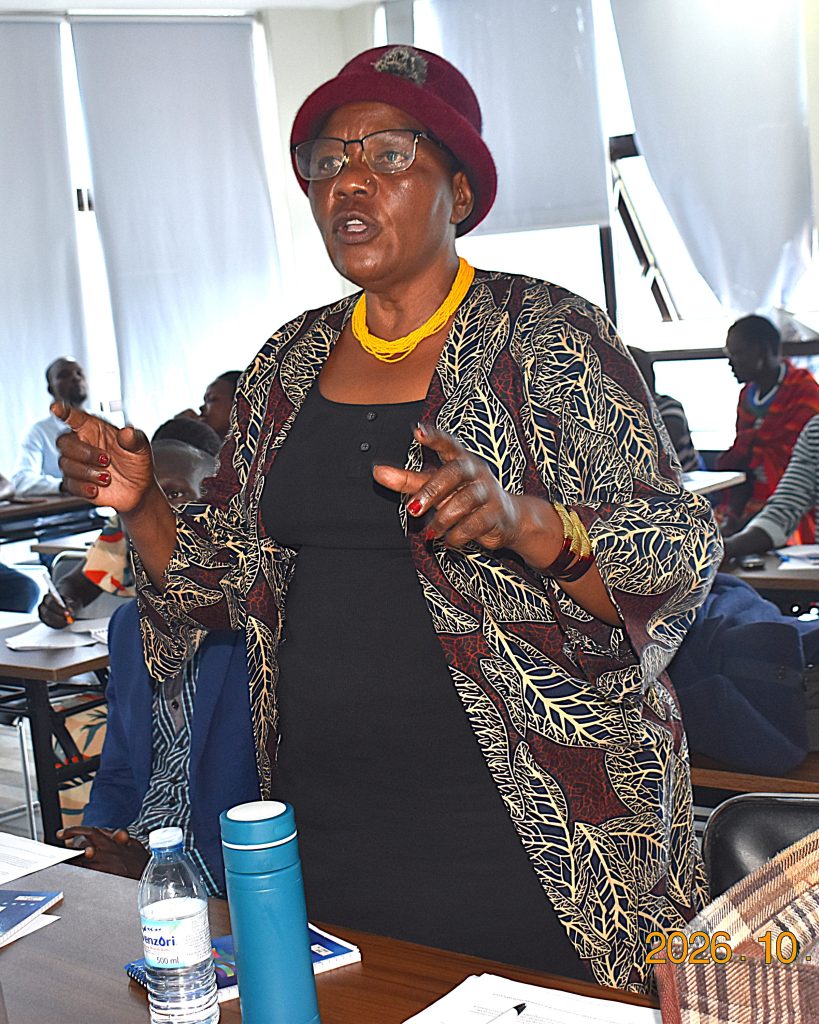
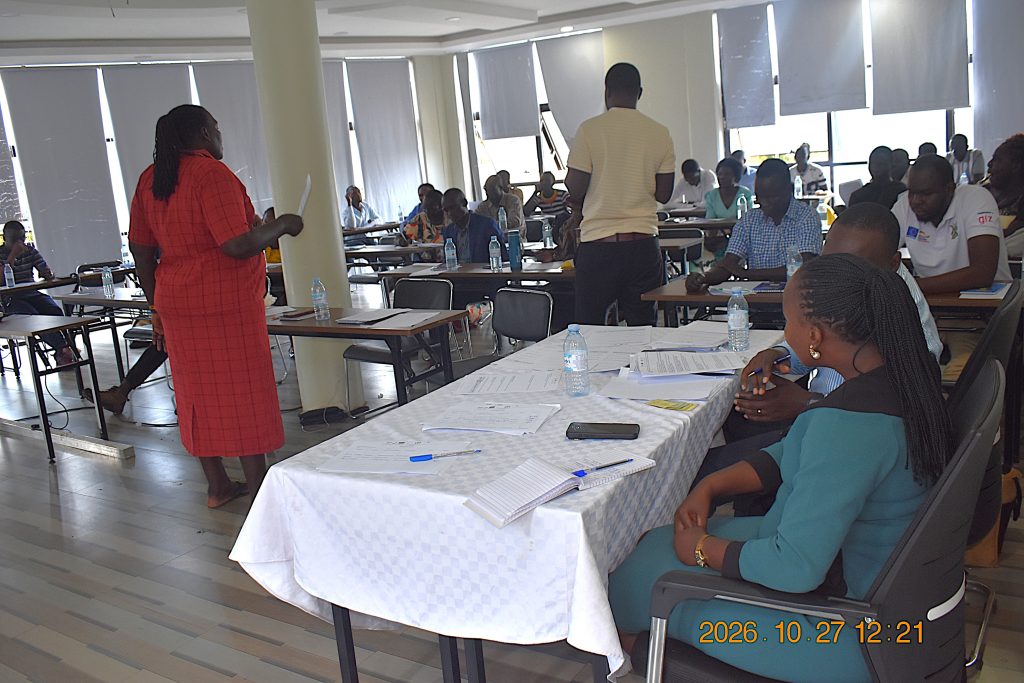
The concern emerged during a consultative meeting on the review of Makerere University’s geology curricula and development of industry-aligned short courses, held on 28th October 2026 at Strikers Hotel in Moroto District.
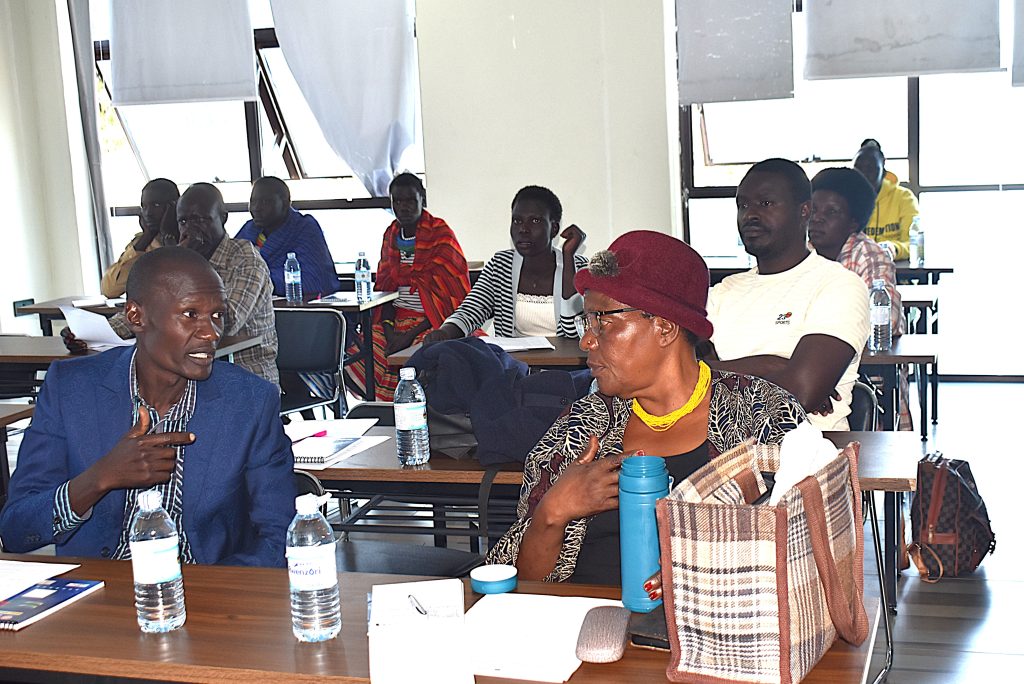
The consultation, conducted under the project Strengthening Uganda’s Mineral Sector through Labour-Market Aligned Curricula Reforms (Mak-SDMU), brought together local leaders, representatives from mining companies, artisanal miners and other stakeholders to identify skills and knowledge gaps that should inform the proposed reforms.
Stakeholders noted that while Karamoja is endowed with mineral resources including limestone, marble, gold and diamond, many communities remain unable to fully benefit from the resources because they lack adequate information and technical skills to participate effectively in the mineral value chain.
Moroto District LC5 Chairperson, Mr. Anjello Pulkol, said communities are often disadvantaged because they do not have sufficient knowledge to understand the value of the minerals they possess or to negotiate effectively with investors.
“Communities are over-exploited because they are illiterate,” Mr. Pulkol said, calling for greater investment in education and skills development within Karamoja.
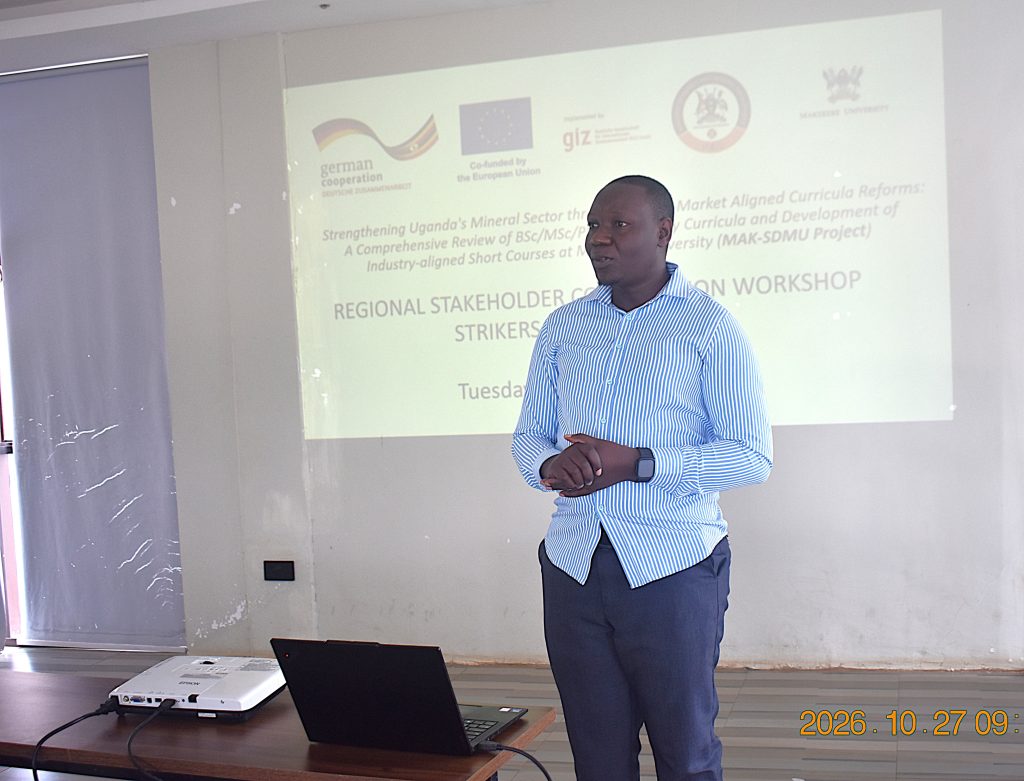
He appealed to Makerere University to take training opportunities closer to communities in the region, arguing that locally accessible programmes would reduce the cost of travelling elsewhere and enable more people to acquire knowledge and skills.
Mr. Pulkol called for stronger collaboration between the University and communities, noting that Karamoja has the potential to contribute significantly to Uganda’s development because of its mineral and agricultural resources.
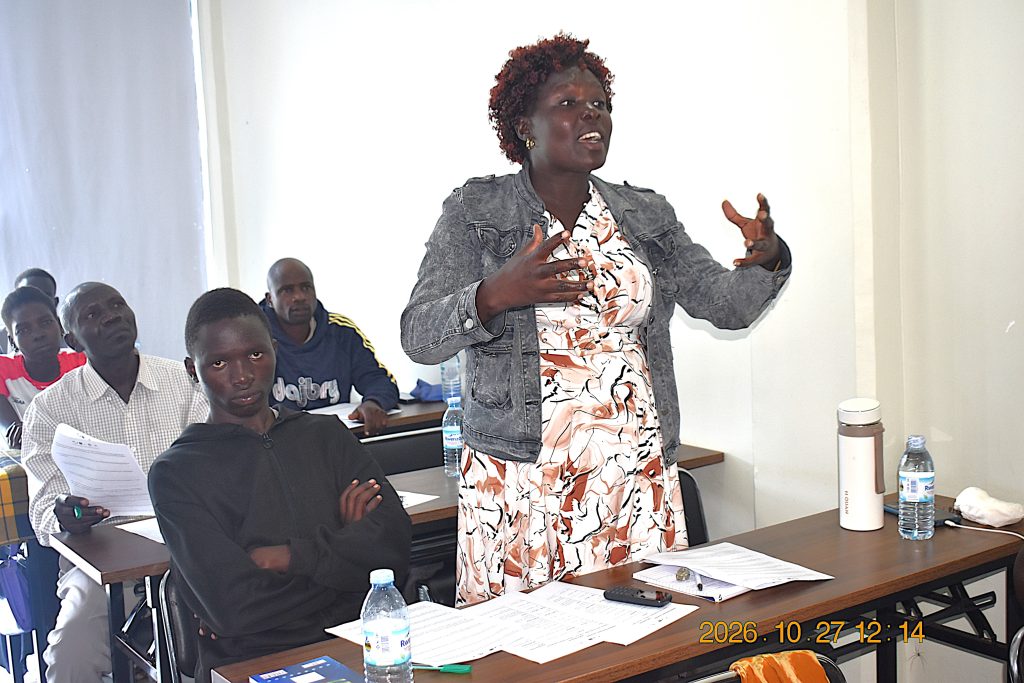
Knowledge gaps leave miners vulnerable
Participants identified lack of information and limited understanding of the legal and technical aspects of mining as some of the major factors contributing to exploitation.
They cited inadequate knowledge of the Mining Act and other regulations, limited understanding of mineral grades and value, delays in acquiring mining licences, weak negotiation skills and lack of clear agreements between investors and host communities.
Ms. Akello Sarah Judith from Tororo Cement said local communities often lack the technical capacity to operate modern mining equipment, leaving them dependent on investors while limiting their participation in more productive stages of mining.
She also noted that investors sometimes operate independently of local communities because there are no binding agreements clearly defining the responsibilities and benefits of both parties.
Participants called for translation of the Mining and Minerals Act, 2022, into local languages so that artisanal miners and community members can understand their rights, obligations and the procedures governing mining operations.
They further proposed community development agreements between mining companies and host communities to establish clear expectations and ensure that communities benefit from mining activities taking place on their land.
Lack of price information fuels cheating
Participants said inadequate knowledge of the value of minerals and the absence of transparent pricing mechanisms also expose miners to exploitation.
They noted that artisanal miners are often cheated during transportation and mineral transactions due to lack of access to weighing facilities and ignorance about the actual tonnage or value of the minerals.
“In most cases, truck drivers exploit miners because the communities have limited means of independently verifying the quantities being transported.”
Hajat Sophie Nyangiro, Vice Chairperson of Karamoja Miners Association informed participants that the government through the Ministry of Energy and Mineral Development had secured sites for the establishment of weighbridges, including one after Iriri and another in Bulambuli, which are expected to improve transparency in the transportation of minerals.
The Karamoja Miners Association has also requested support from the regional mineral surveyor to sensitise communities on vehicle tonnage and other measures that can help prevent cheating.
Stakeholders called for fair and transparent mineral pricing, coordinated markets and greater access to reliable market information so that local miners can make informed decisions about the sale of their minerals.
Short courses proposed to close knowledge gaps
Participants said the proposed Makerere University short courses should go beyond theoretical instruction and equip local miners with practical knowledge that can directly improve their operations and bargaining capacity.
Areas proposed for training include resource estimation, grade control, basic geology, blasting, health and safety, environmental management, machine operation, financial management, record keeping, communication, negotiation skills and responsible use of technology.
They also recommended training on gender issues, child labour, and environmental protection.
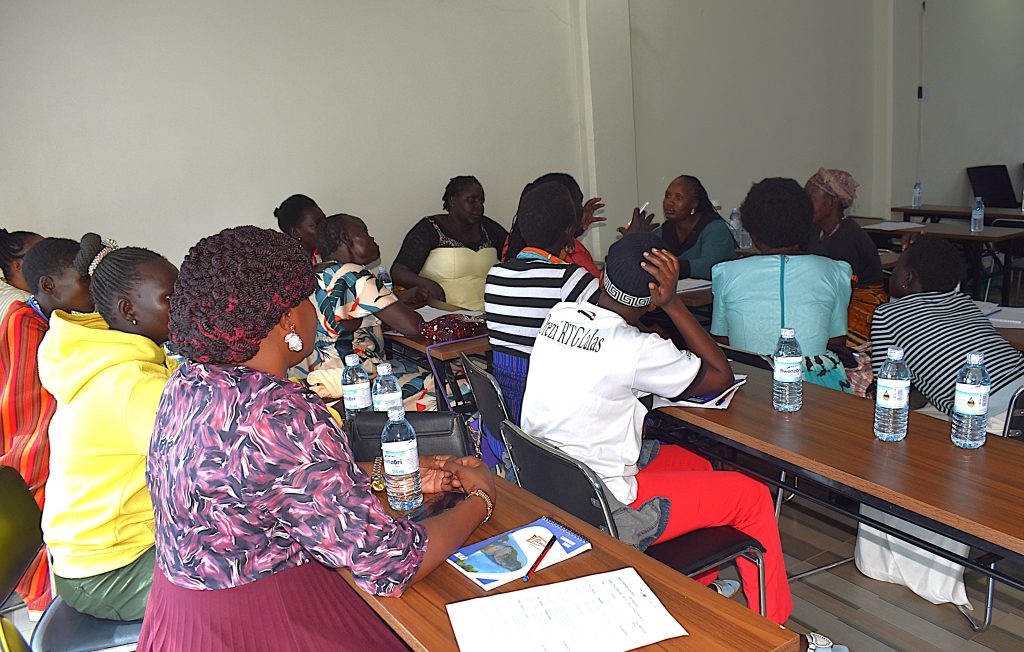
Participants proposed that the short courses run for at least six months and include substantial practical and laboratory components. They further recommended that training be delivered within mining communities to reduce the cost of participation and make the programmes responsive to local conditions.
They appealed to the government to subsidise the courses, and called on mining companies to work with Makerere University to identify suitable candidates.
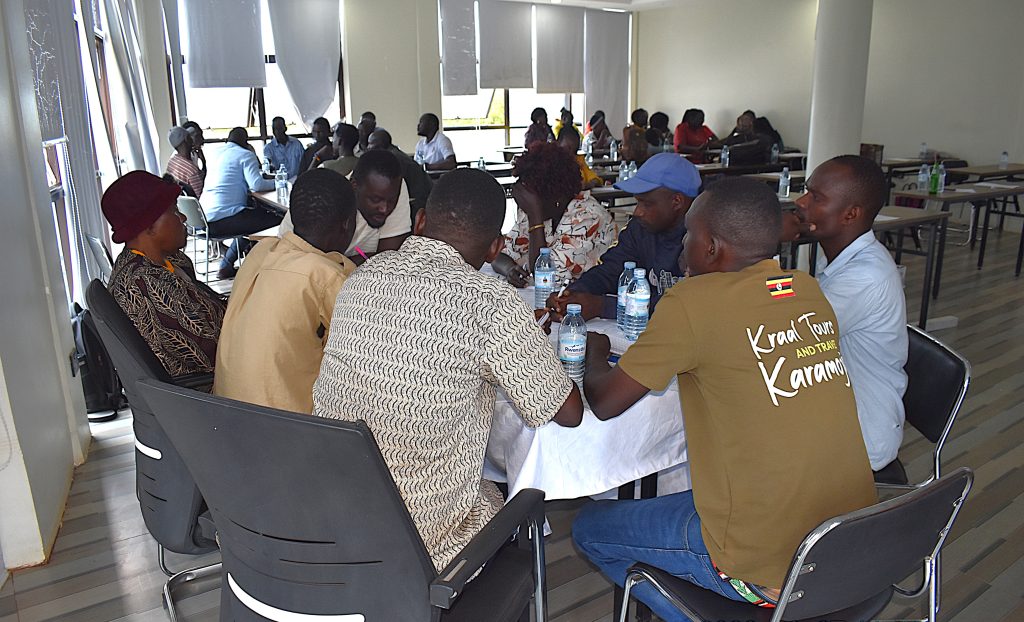
Practical training needed for geology students
Participants also highlighted gaps in the practical preparation of geology graduates.
They called for greater exposure of students to actual mining operations, emphasizing the need to spend more time at mining sites to develop practical skills.
They recommended extending recess and internship periods and ensuring that students are introduced to district and local authorities at the beginning of their placements to help them understand the administrative and operational environment.
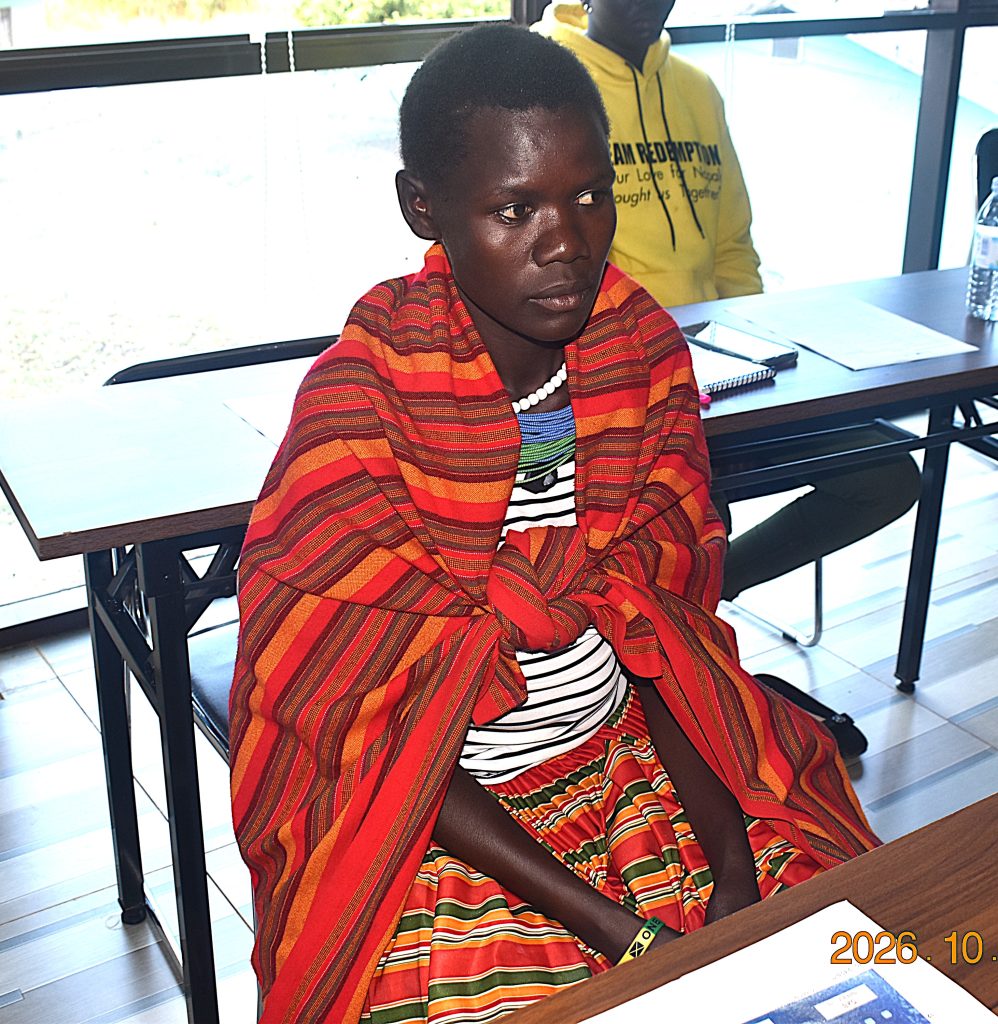
Mining companies expressed willingness to support Makerere’s training programmes by hosting students for internships, sharing training facilities, providing experts as guest lecturers and hosting university lecturers for refresher training.
Safety and environmental risks remain a concern
Participants also raised serious health, safety and environmental concerns associated with mining activities in the region.
They reported deaths and serious illnesses linked to mining, particularly underground operations, and called for improved safety practices, stronger supervision and insurance schemes to protect miners and their families in case of accidents.
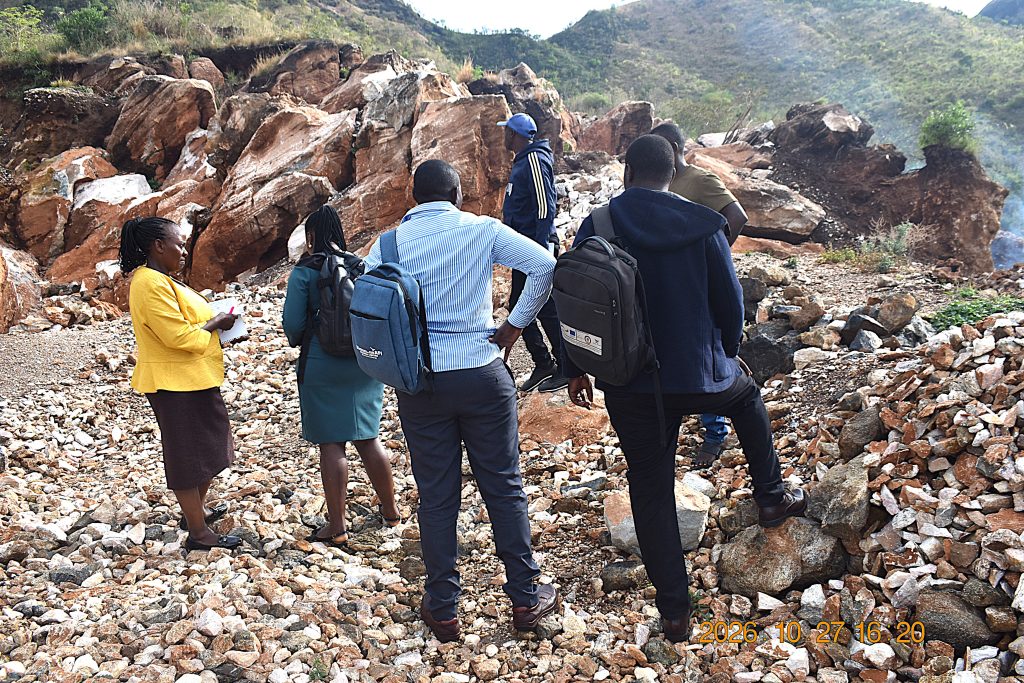
The use of mercury in mineral processing was identified as another major concern because of its potential effects on human health and the environment. Participants called for research into safer alternatives.
Other environmental concerns included mine collapses, abandoned open pits, destruction of water sources and deforestation.
Stakeholders also reported cases of sexual harassment at mining sites and called for stronger measures to protect workers and create safer working environment.
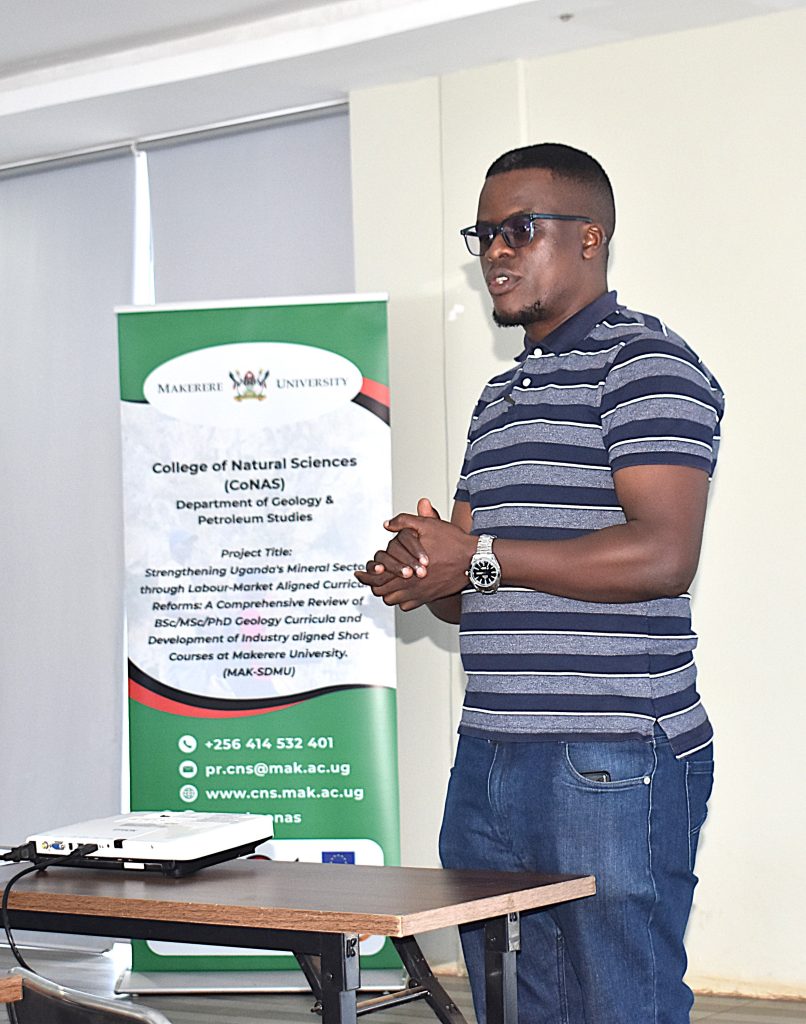
Women face barriers to participation
Participants noted that women continue to face barriers to participation in technical roles within the mineral sector.
They cited cultural perceptions, sexual harassment, prostitution and the perception that women cannot operate heavy machinery among the factors limiting their participation.
Stakeholders called for deliberate efforts to identify roles across the mineral value chain where women can apply their technical skills and knowledge.
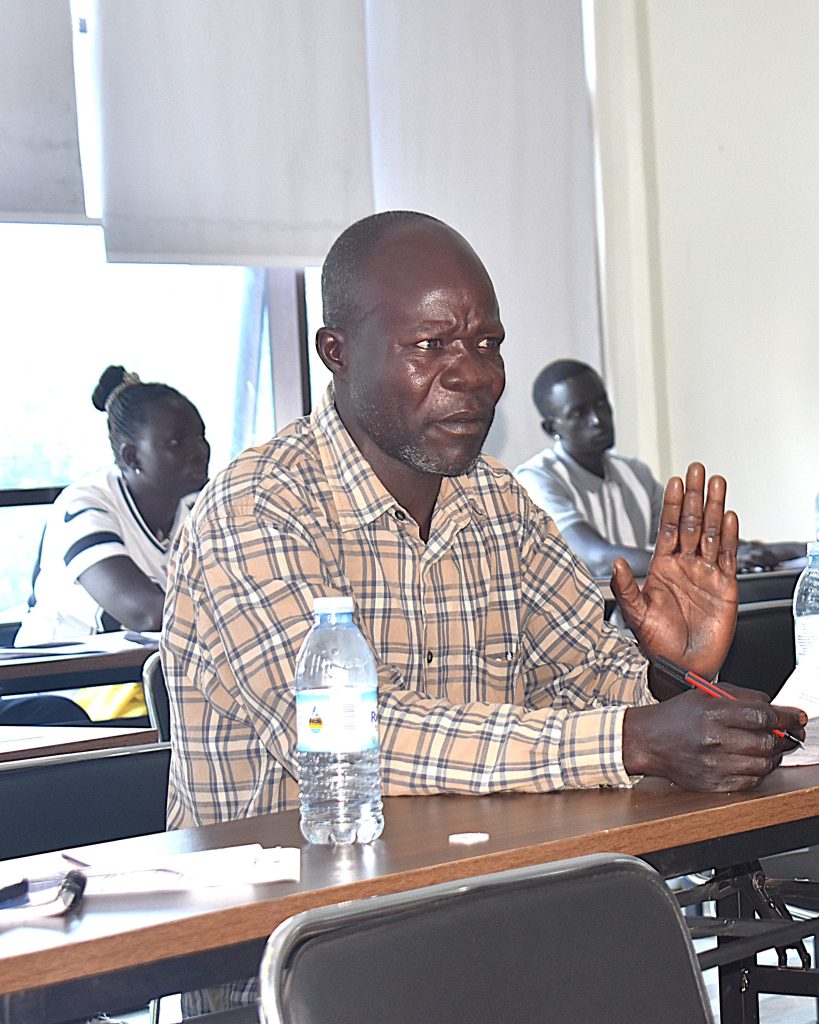
Research to document traditional mining practices
Participants also proposed research into the history of mining in Karamoja to document how communities traditionally extracted and used minerals and identify lessons that could inform current mining practices.
The recommendations from the consultation will contribute to Makerere University’s ongoing review of its geology curricula and the development of industry-aligned short courses.
The reforms are expected to strengthen the connection between university training and the realities of Uganda’s mineral sector, while equipping communities and industry actors with knowledge and practical skills needed to participate more effectively in the mineral value chain.
The project is implemented under the Sustainable Development of the Mineral Sector in Uganda (SDMU) initiative in collaboration with the Ministry of Energy and Mineral Development.
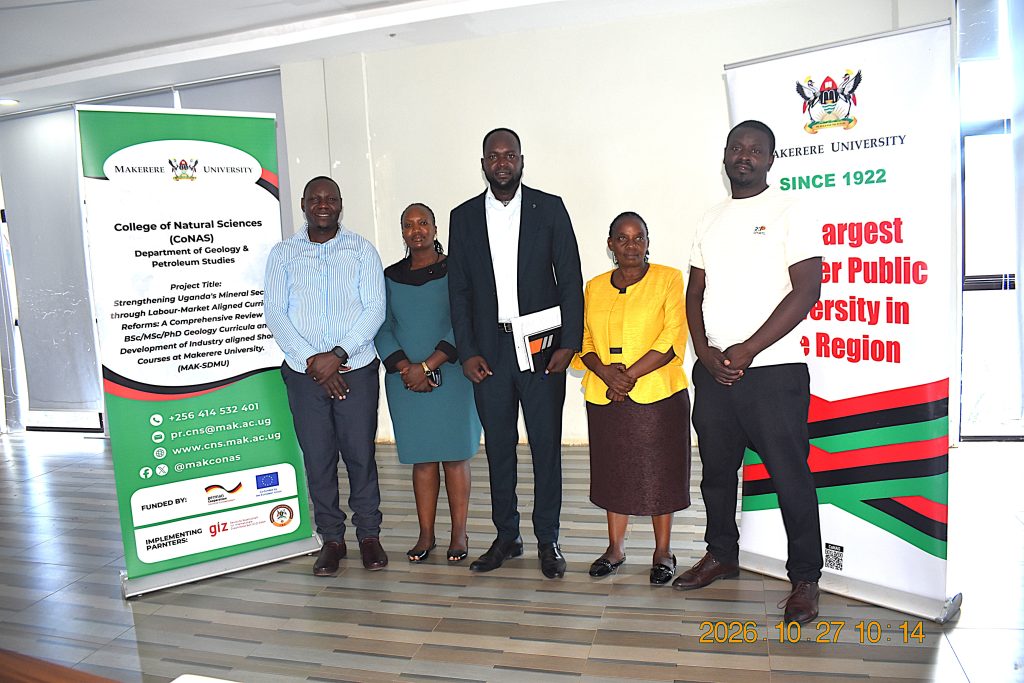
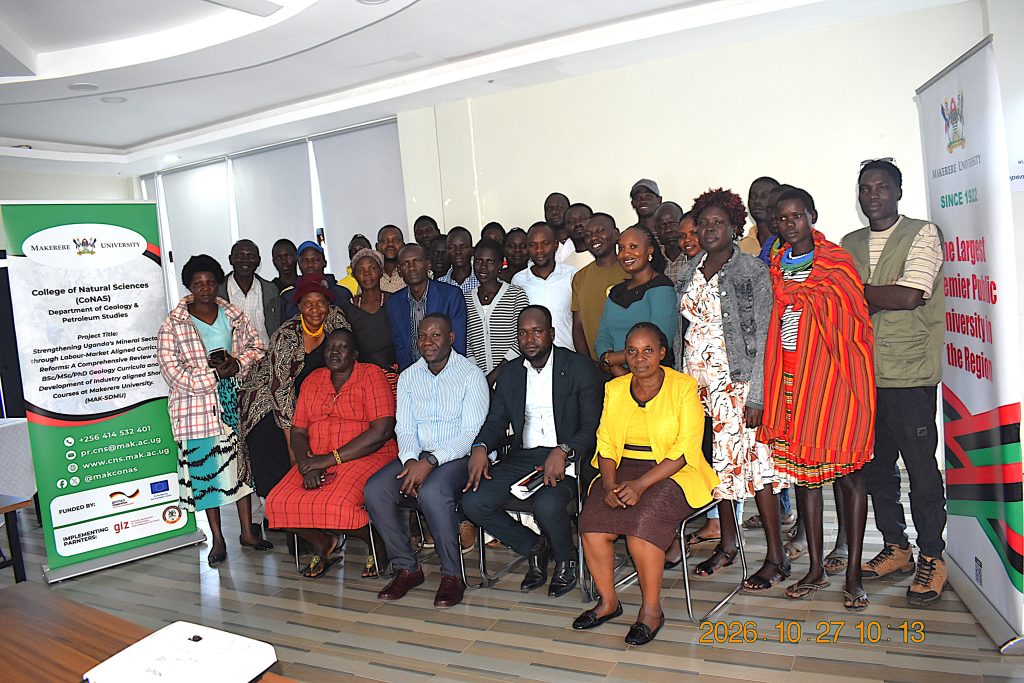
Pictorial of the workshop:
https://drive.google.com/drive/folders/1EwRPloZ4u3s18GCPoS0Ct-7zsuiicrhu?usp=sharing
More about the regional consultations: