pr.cns@mak.ac.ug


Addressing Skills Gaps & Safety Concerns Key to Advancing the Mining Sector in Western Uganda – Stakeholders

Inadequate technical skills, unsafe working conditions and the exploitation of artisanal miners continue to constrain the growth of the mining sector in Western Uganda, underscoring the need for stronger professional training, effective regulation and closer university-industry collaboration.
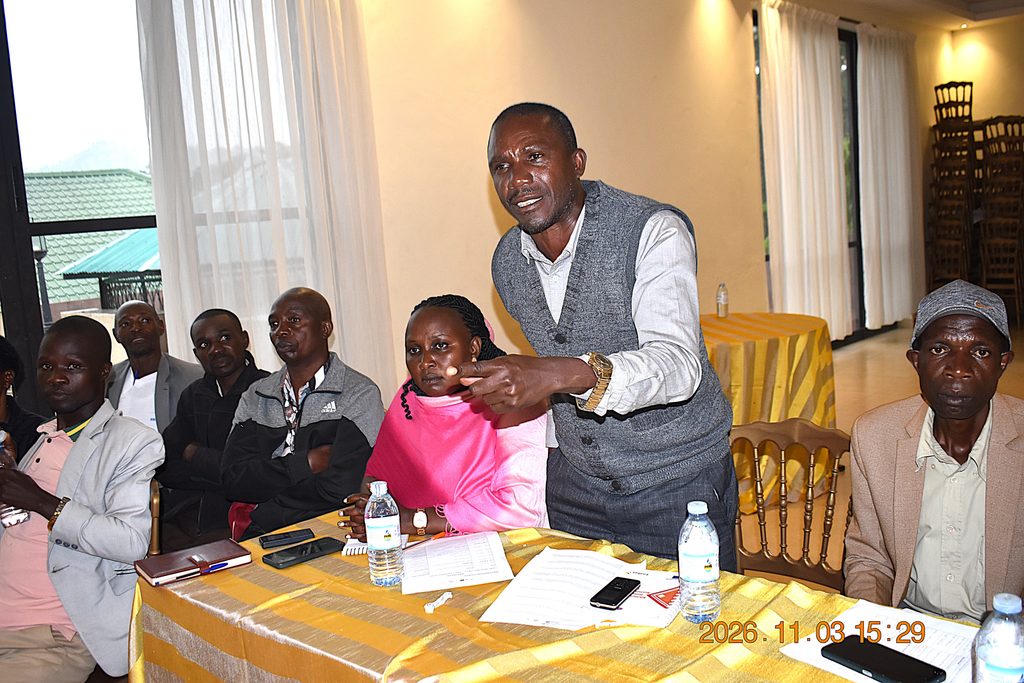
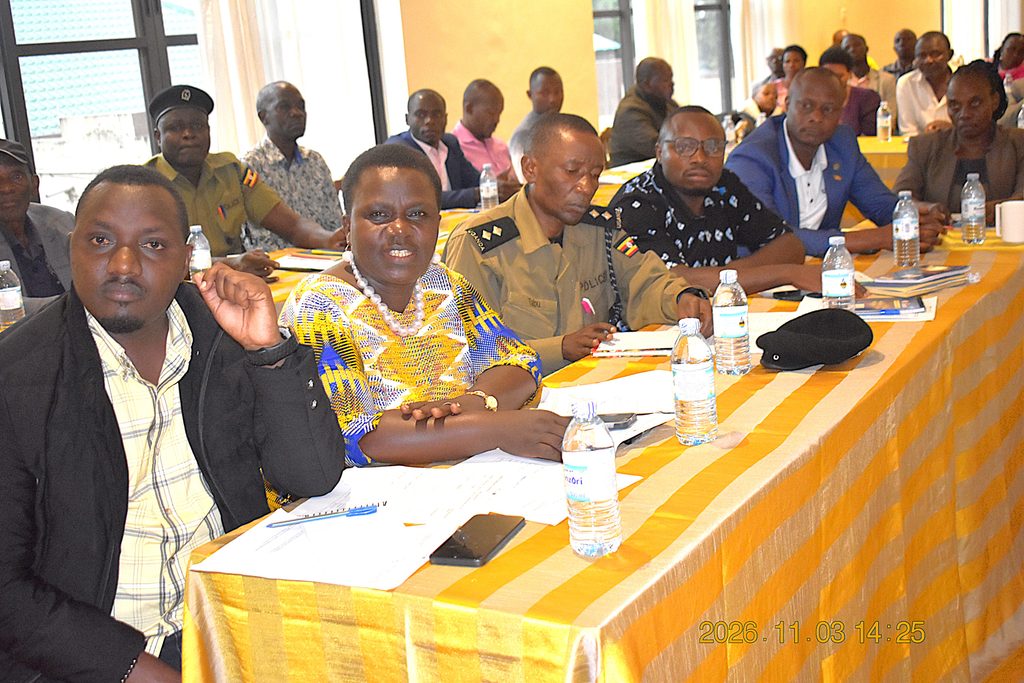
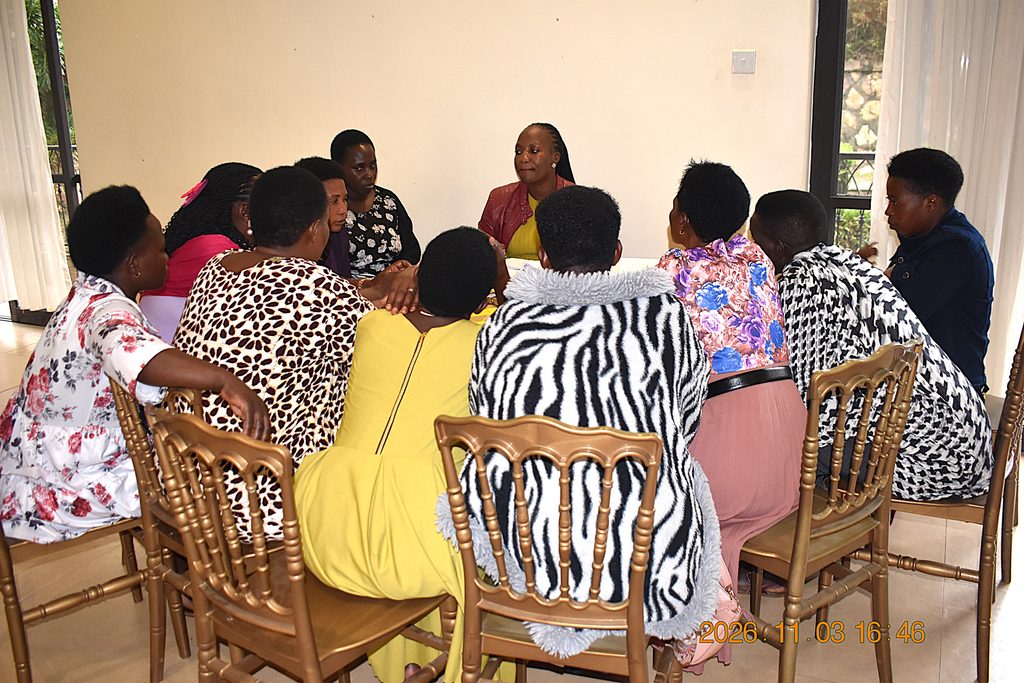
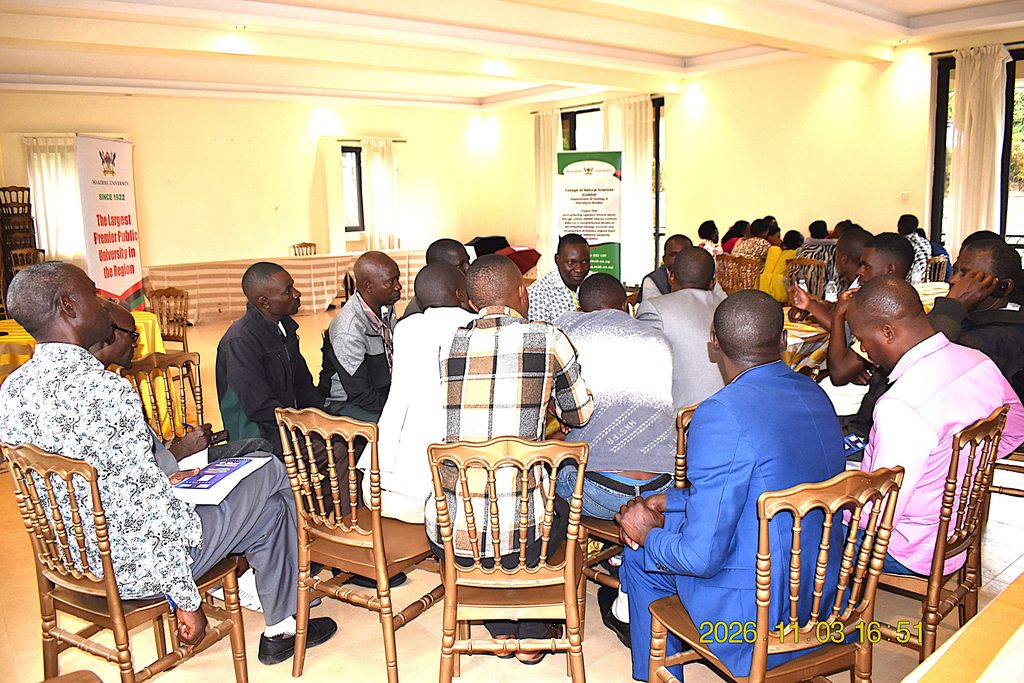
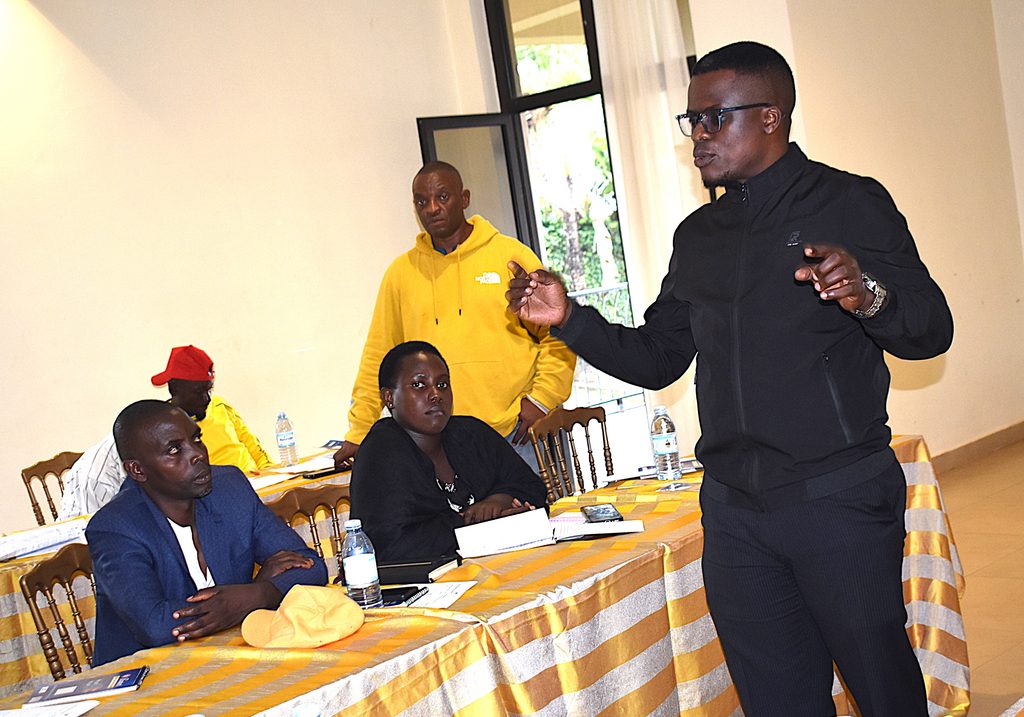
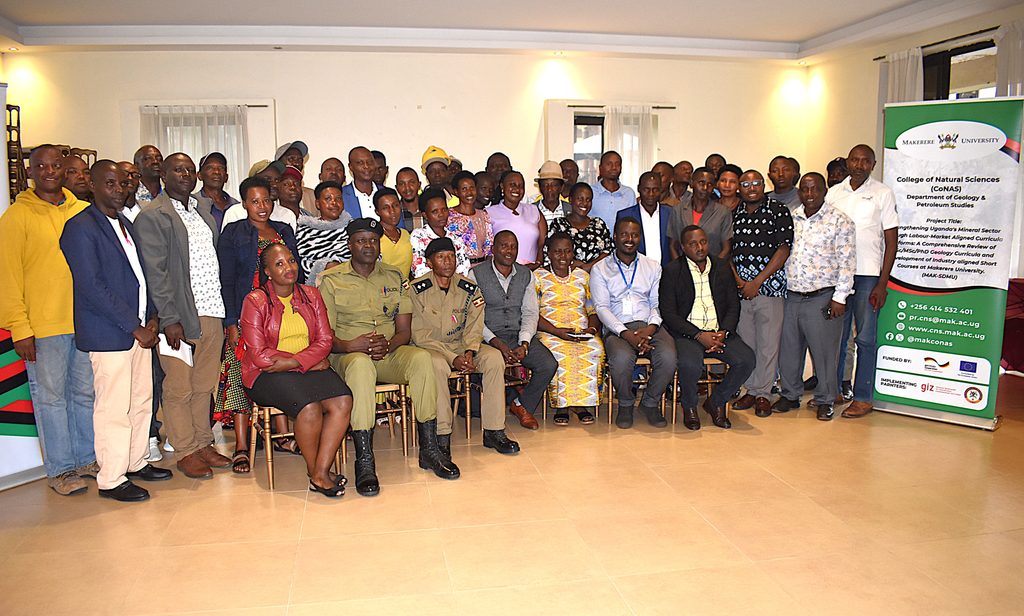
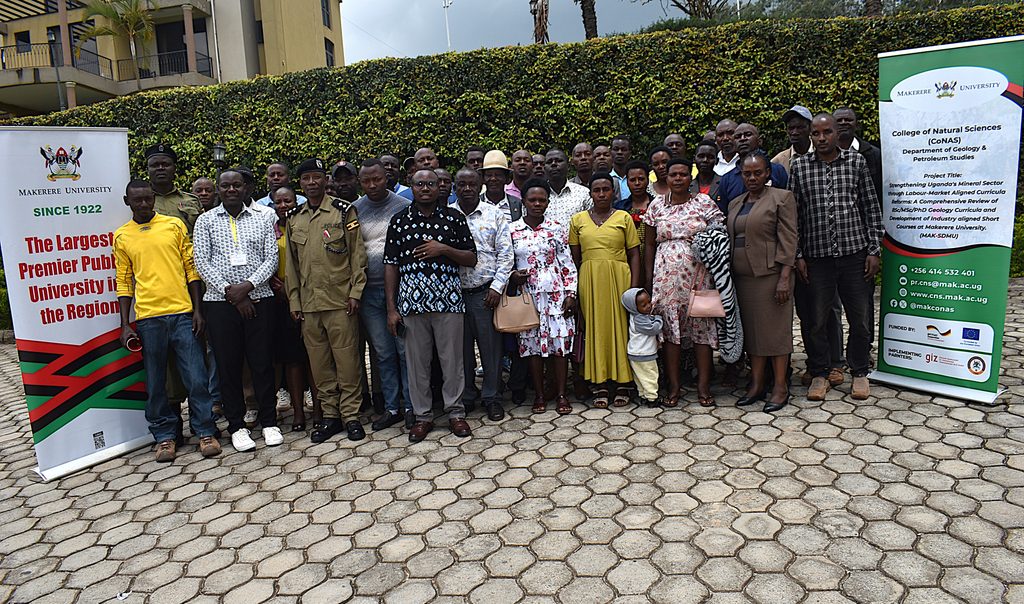
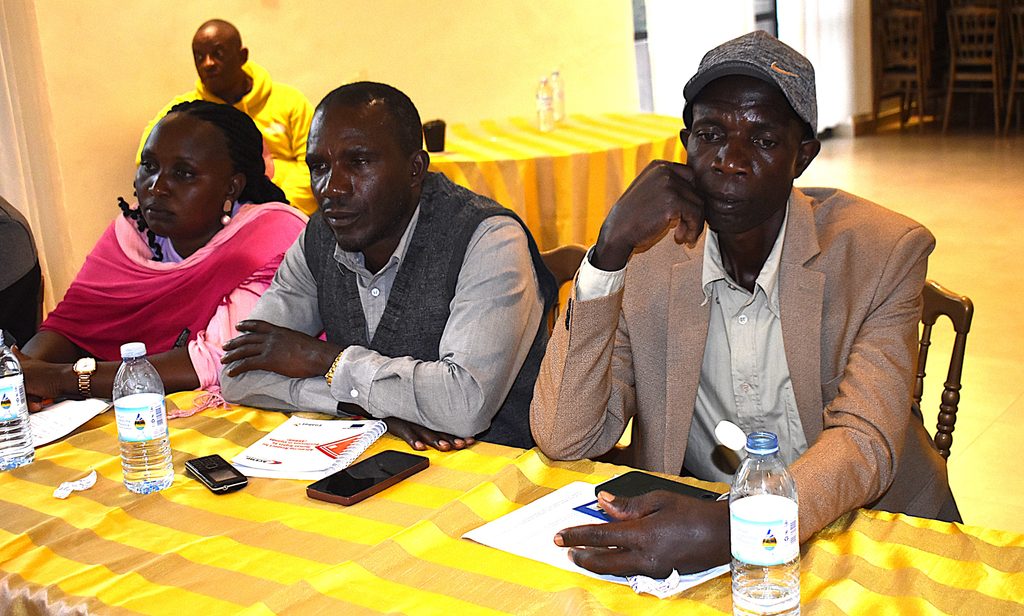
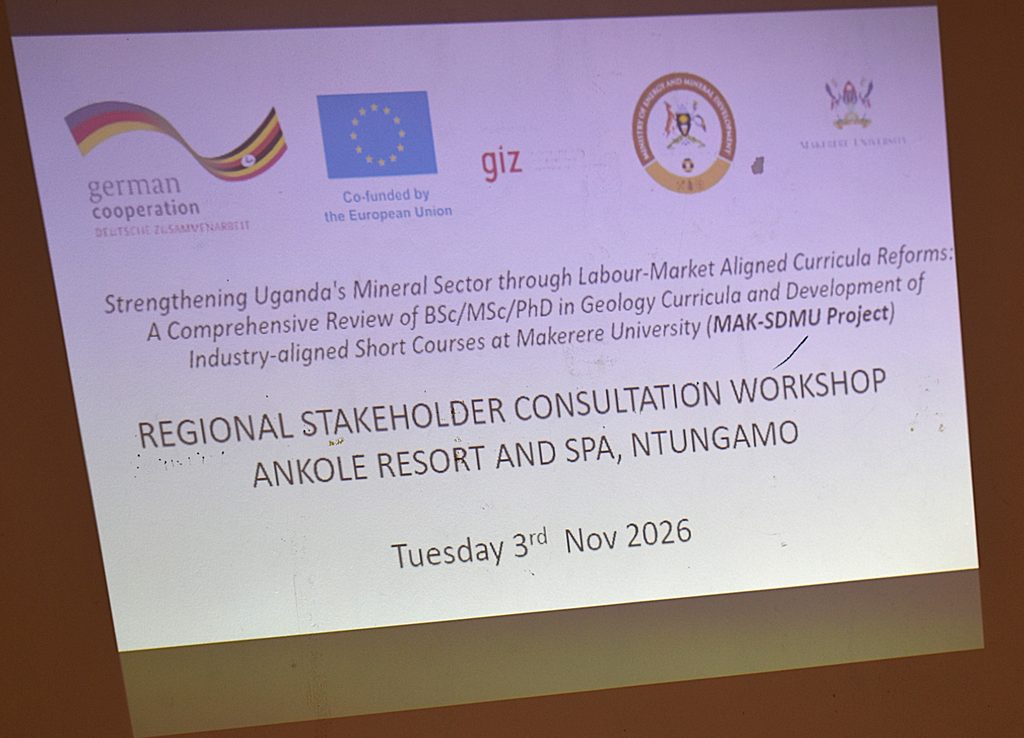
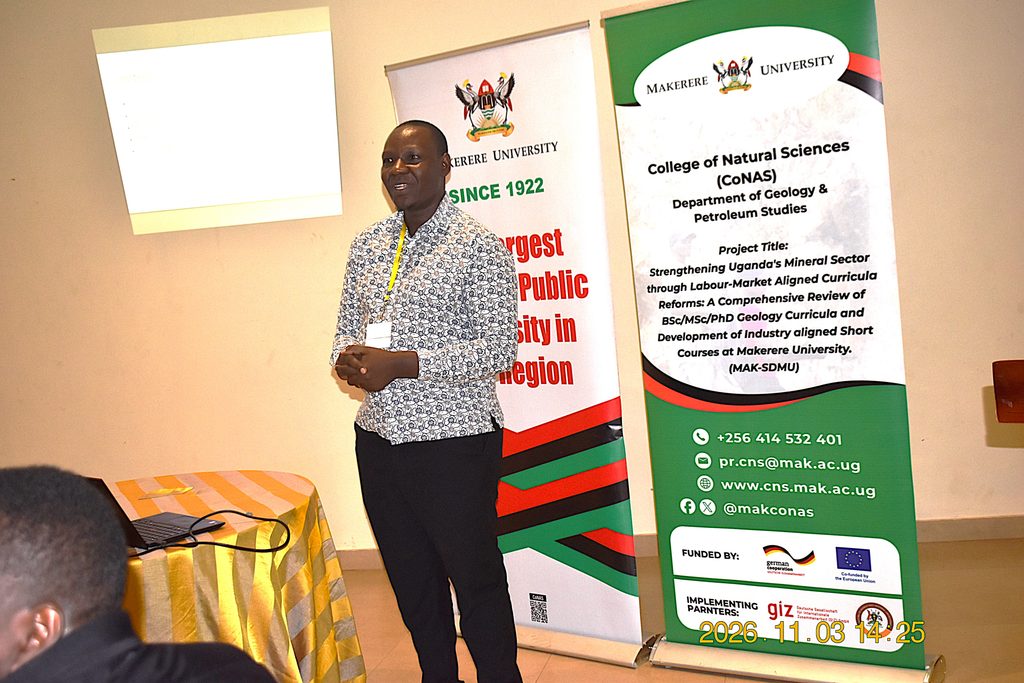
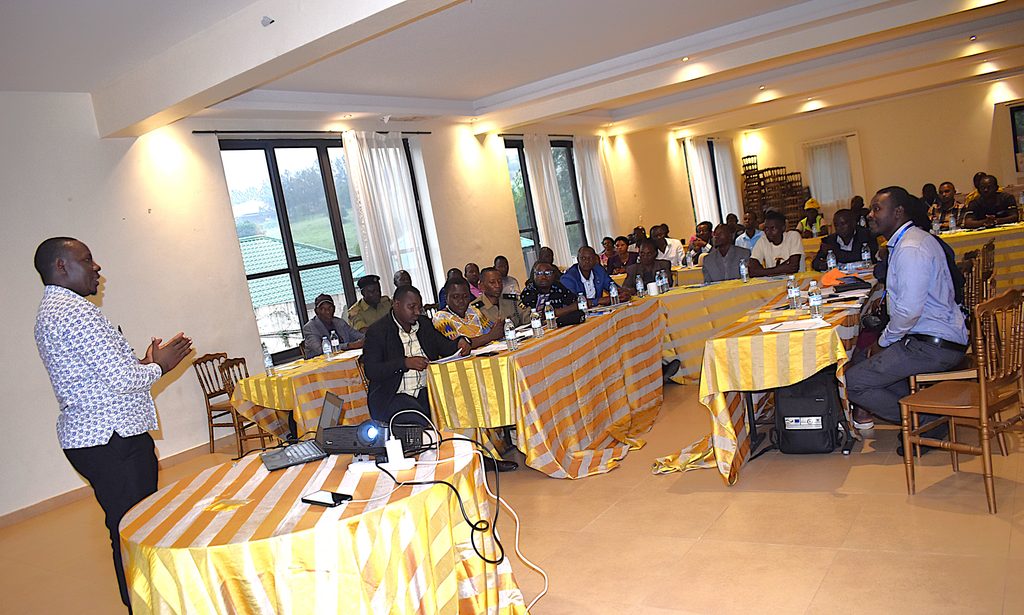
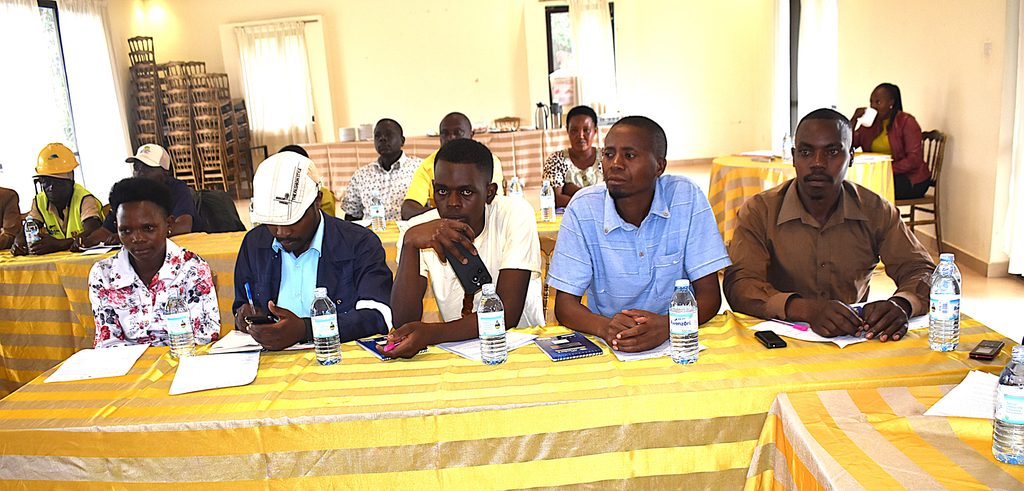
The concerns emerged during the fourth regional stakeholder consultative workshop on the review of Makerere University’s Geology curricula, held from 2nd to 4th November 2026 at Ankole Resort and Spa in Ntungamo District. During the meeting, participants including representatives of mining companies, artisanal and small-scale miners, government officials and local leaders from Ntungamo, Isingiro, Ibanda, Rubanda, Kabale and Rukungiri districts, examined existing skills gaps and identified the competencies needed to improve productivity, enhance occupational safety and promote value addition across Uganda’s mineral sector.
The review is being conducted under a project titled Strengthening Uganda’s Mineral Sector through Labour-Market Aligned Curricula Reforms: A Comprehensive Review of BSc/MSc/PhD Geology Curricula and Development of Industry-Aligned Short Courses at Makerere University (MAK-SDMU). Led by Dr Denis Mutebi and funded by the Government of the Federal Republic of Germany and the European Union through GIZ, the project aims to align university training with the evolving demands of the mineral industry while equipping graduates and industry practitioners with relevant practical skills through industry-oriented short courses.
Limited Technical Knowledge Leaves Local Miners Vulnerable to Exploitation
Similar to the other regions visited, participants highlighted significant gaps in surveying, mineral identification, resource estimation, grade control, metallurgy, mineral processing, geotechnical operations and the use of specialized machinery. These deficiencies, they observed, undermine efficient resource extraction and limit the capacity of local producers to compete fairly in the mineral market.
Of particular concern was the vulnerability of artisanal and small-scale miners to exploitation by investors and middlemen. Without the expertise to establish the quality, quantity and commercial value of their deposits, many struggle to secure fair returns from their work.
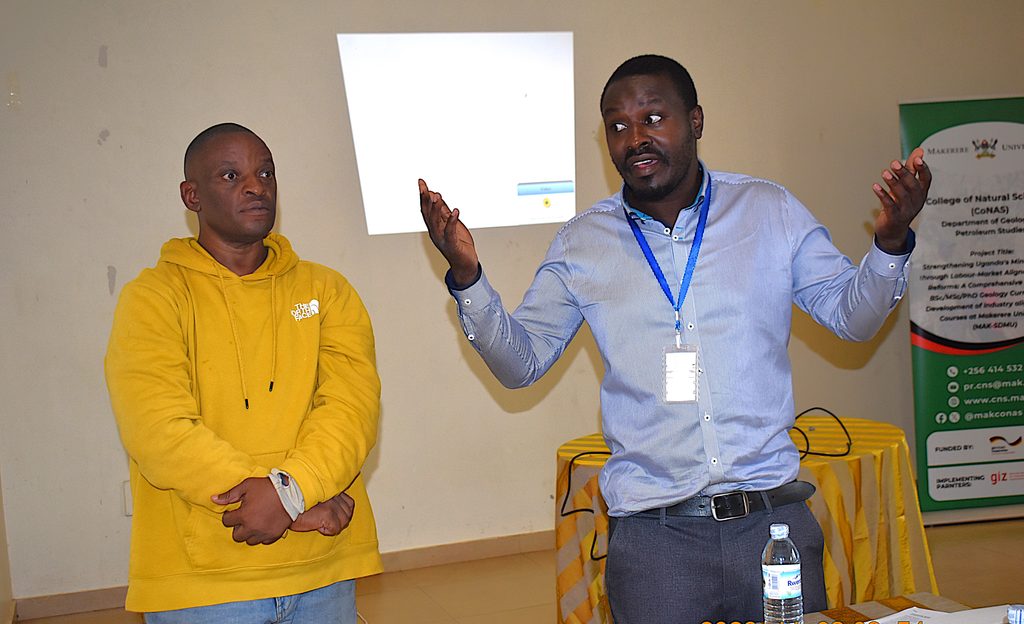
Participants consequently called for stronger regulatory oversight and transparent pricing mechanisms to protect local producers from unfair transactions and ensure that communities benefit more equitably from mineral exploitation.
The consultation also exposed challenges relating to access to operational licenses, alleged harassment of local miners by security operatives and limited awareness of the laws and policies governing the sector. Participants emphasized the need to educate miners on the regulatory framework, the mandate of mining associations and the terms and conditions of agreements entered into with investors.
Occupational health and safety also featured prominently in the discussions, with participants reporting fatalities associated with inadequate knowledge of safe mining practices and limited access to protective equipment. Participants also raised concerns about environmental degradation, particularly the contamination of water sources through the use of mercury and other chemicals during mineral extraction and processing.
Mineral Police Urges Compliance with Mining Laws and Responsible Resource Management
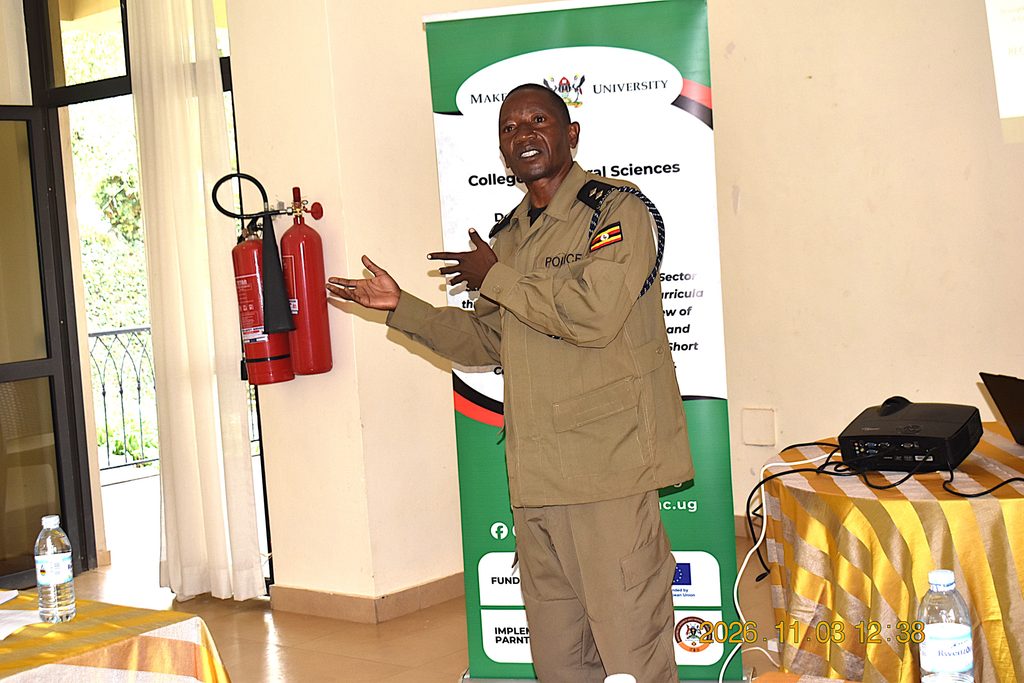
Mr. Tabu Augustine from the Uganda Police Force Mineral Protection Unit emphasized the importance of regulatory compliance, noting that mining activities have significant implications for Uganda’s economic development, public safety and national interests.
He urged miners to obtain the requisite licenses and operate within the established legal framework, cautioning that non-compliance undermines responsible resource management and exposes workers and surrounding communities to unnecessary risks.
Mr. Tabu also encouraged miners to adopt modern technologies and embrace value addition in line with the Government’s efforts to maximize returns from the country’s mineral resources. “Moving beyond the extraction and sale of raw minerals requires improved technical capacity, appropriate technologies and responsible mining practices.”
He further underscored the Government’s role in regulating mineral resource exploitation, emphasizing that mining activities must be guided by national laws and regulations. He stressed the need to balance the interests of investors and local producers with the Government’s responsibility to ensure that mineral resources are managed sustainably and contribute to national development.
District Leaders Demand Fair Returns for Local Mining Communities
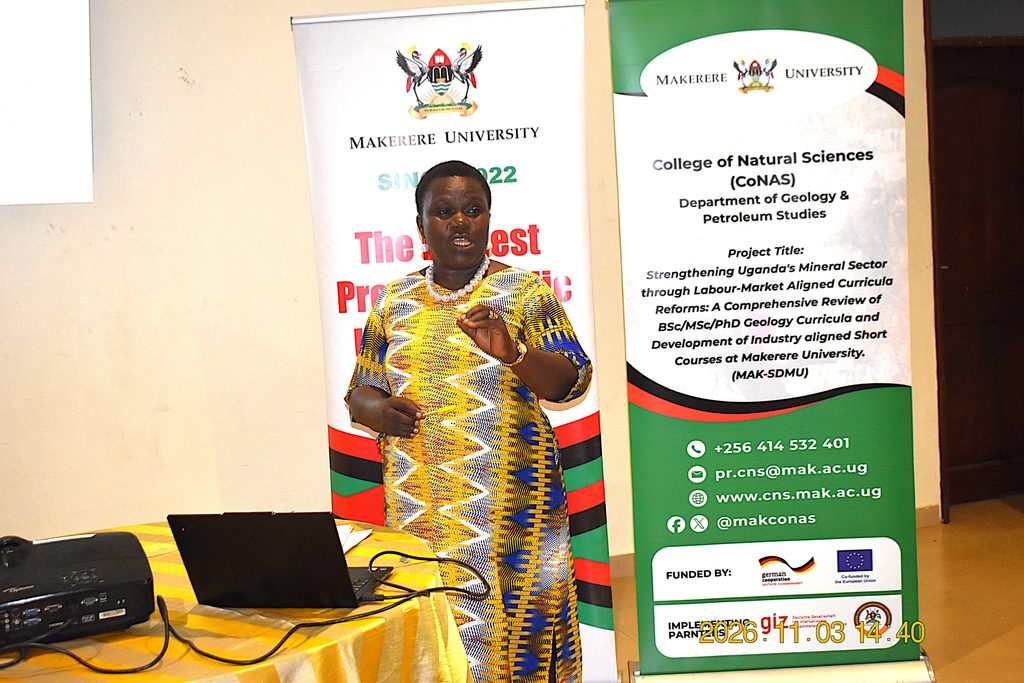
Speaking on behalf of the Ntungamo District LC5 Chairperson, Mr. Nahabwe Boris, expressed concern over the unequal distribution of benefits from mineral exploitation, noting that the local miners who undertake the actual extraction often remain impoverished while buyers and middlemen accumulate wealth.
He called for targeted interventions to equip local miners with the technical expertise and negotiation skills needed to determine the value of their mineral deposits and secure fair returns. He pledged the district’s support towards the review process, emphasizing its potential to bridge skills gaps, improve the livelihoods of mining communities and ensure a more equitable distribution of benefits from mineral resources.
Ntungamo Resident District Commissioner, Ms. Miriam Kagiga Mugisha, commended Makerere University and the project funders for supporting reforms aimed at addressing skills deficiencies and improving the management of Uganda’s mineral resources.
She encouraged the ⁹miners to use the opportunity to improve their skills. She also pledged Government support towards strengthening regulatory oversight and streamlining mineral markets to promote transparency and safeguard local producers against exploitation.
Priority Skills for Geology Curriculum Reforms
In identifying the competencies required over the next five years, participants prioritized mineral identification, grade control, resource estimation, mineral processing, metallurgy and value addition. They particularly emphasized the importance of accurate mineral grading and estimation in ensuring fair valuation and reducing exploitation during commercial transactions.
Participants also expressed concern that some Geology graduates lack sufficient field experience, particularly in mineral exploration and identification. They called for stronger integration of classroom instruction with practical training, including opportunities for students to work alongside experienced local miners and industry professionals.
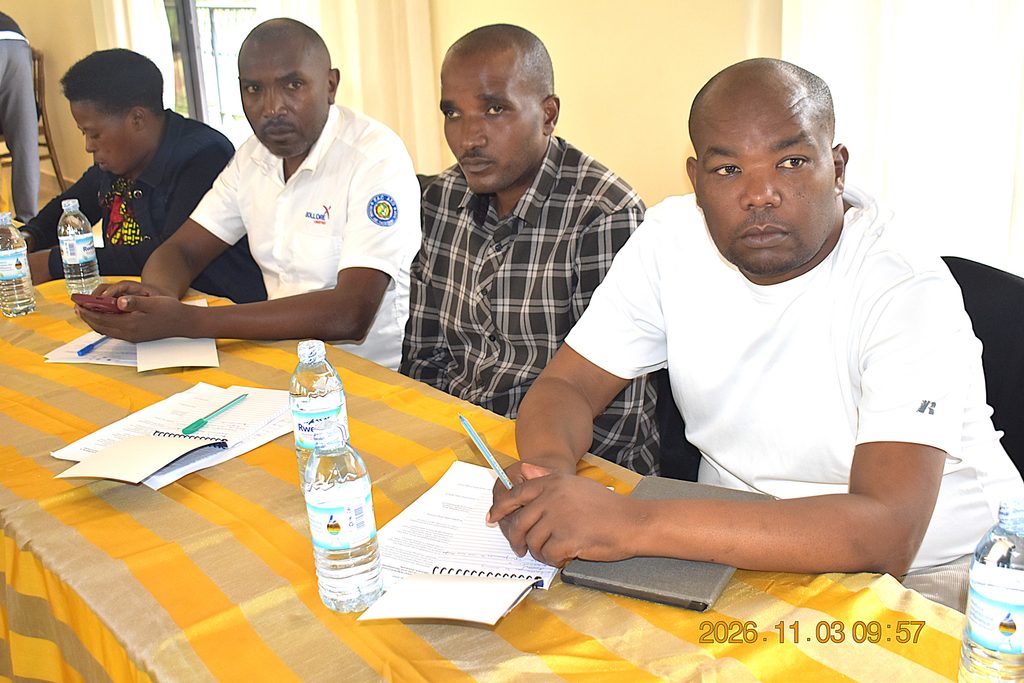
They further recommended equipping graduates with business and marketing skills to help them understand the commercial aspects of mineral production and trade.
Proposed Short Courses to Address Industry Skills Gaps
To address immediate skills shortage among practitioners, participants proposed several areas for short courses including project feasibility assessment, mineral economics, value addition, environmental impact assessment and monitoring, and an overview of Uganda’s mineral sector.
Participants recommended a blended training approach combining online instruction with field-based learning to accommodate miners who may not be able to attend full-time programmes. They proposed Uganda Certificate of Education (UCE) as the minimum academic qualification for prospective trainees.
Other recommendations included establishing networks of small-scale miners, facilitating access to affordable and durable equipment, and encouraging law firms to offer pro bono legal services to miners who require assistance interpreting investment agreements and understanding regulatory requirements.
Participants further called for research into practical solutions for protecting water sources and the wider environment from contamination associated with mineral extraction and processing.
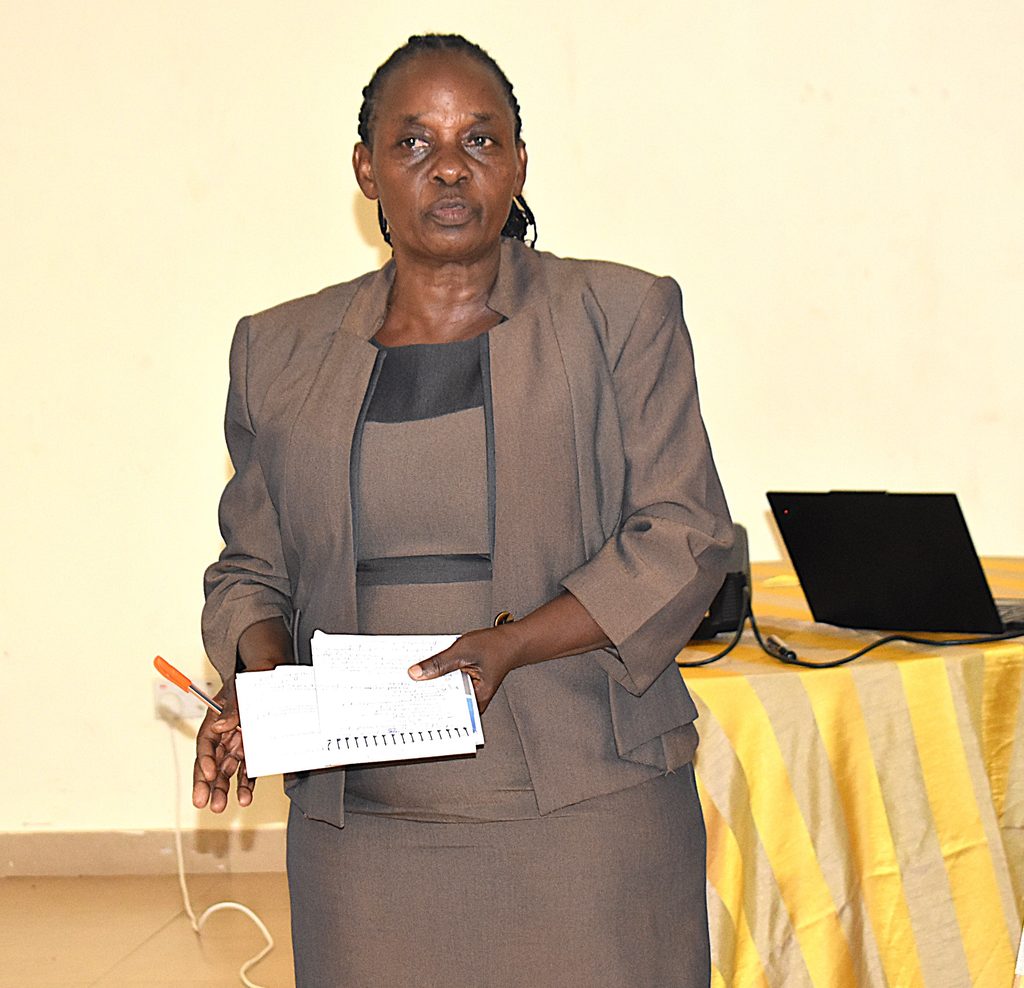
Hima Cement Highlights Workforce Needs and Collaboration Opportunities
As part of the regional engagement, the Makerere team visited Hima Cement and held discussions with the company’s Human Resource Officer to understand its workforce requirements and explore opportunities for collaboration with the University.
The company, which operates in mining, production of building materials and manufacturing of fertilizers, reported challenges in recruiting suitably qualified geologists, underscoring the relevance of the ongoing curriculum reforms.
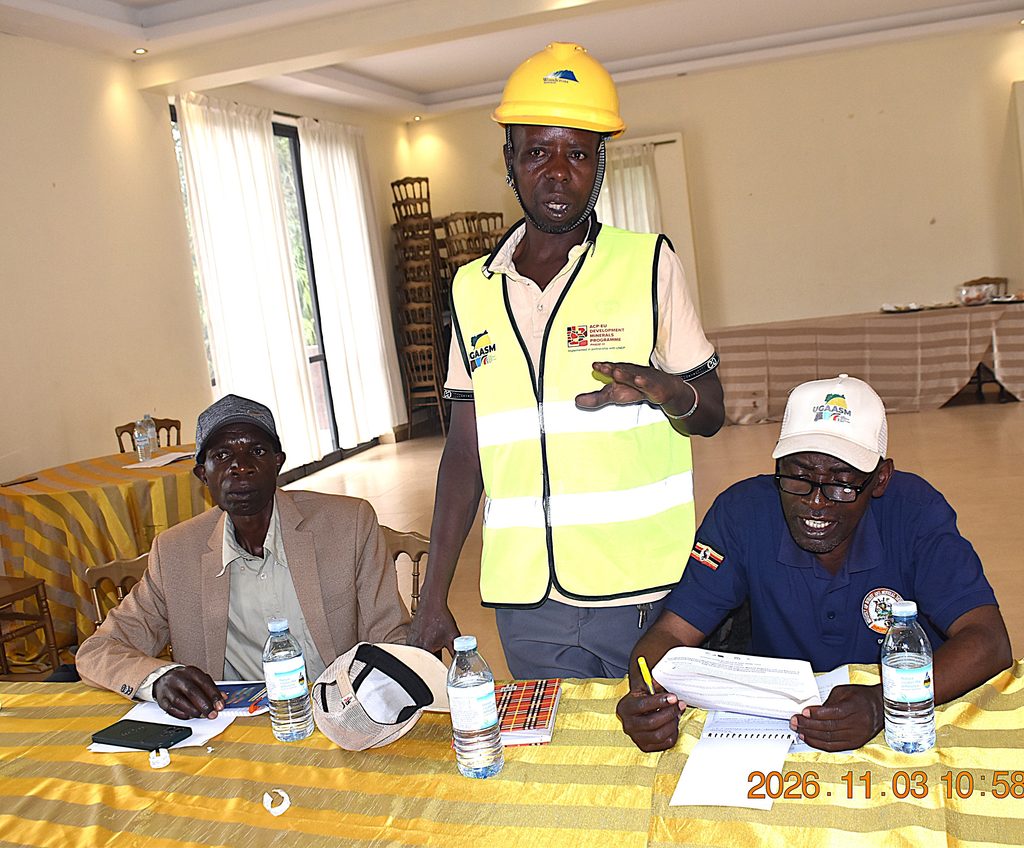
The Human Resource Officer noted that the company had previously recruited geology graduates from Tanzania and Busitema University but continued to experience difficulties filling vacancies, especially in geology and automation.
Hima Cement currently employs approximately 280 permanent staff and 600 contract workers, with women accounting for 20 per cent and 30 per cent of the respective workforce categories.
In response to the growing demand for cement, the company is expanding its production capacity through the establishment of an additional production line. The company also supplies markets in Rwanda and the Democratic Republic of Congo (DRC) and has plans to establish a steel plant.
The company identified deficiencies in graduates’ proficiency in specialized software, particularly applications used in mineral reserve estimation. They emphasized the need to strengthen training in sedimentology, sampling and digital technologies to better prepare graduates for industry requirements.
Proposed short-course by Hima Cement include drone mapping, digital geological applications and mineral reserve estimation.
The company expressed willingness to host Makerere University students for industrial training at its operational sites in Tororo, Namanve, Kilembe and Hima, indicating that competent interns could be considered for employment.
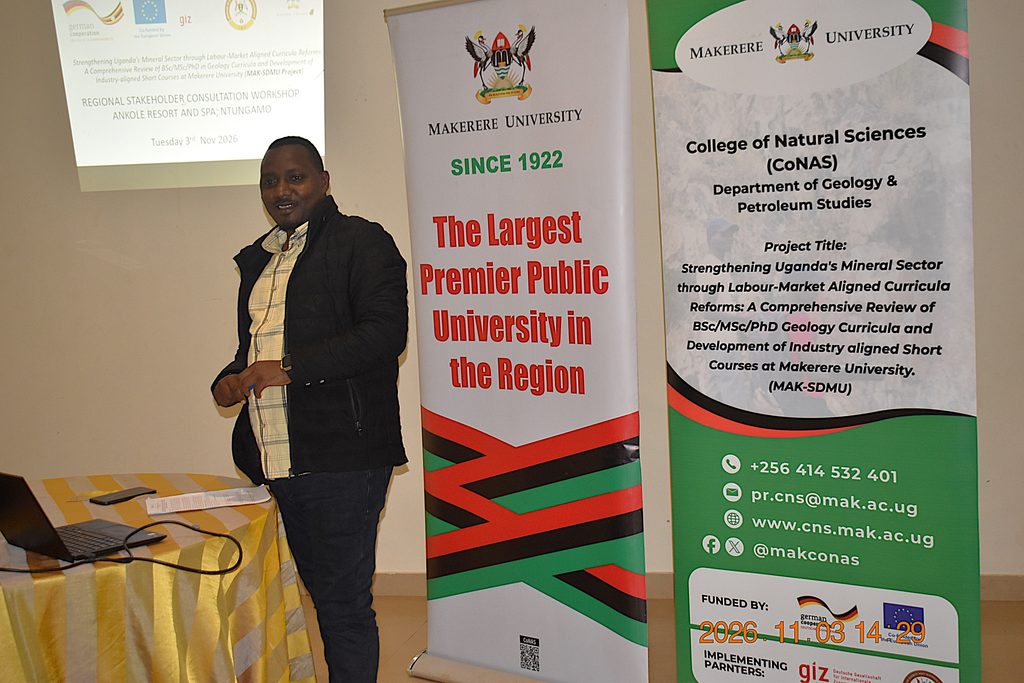
To formalize the proposed partnership, the company requested an official proposal from Makerere University outlining opportunities for student placements and collaboration in sharing technical equipment and facilities.
The team also engaged an official from Kilembe Mines to gain further insight into the industry’s workforce requirements and operational experiences.
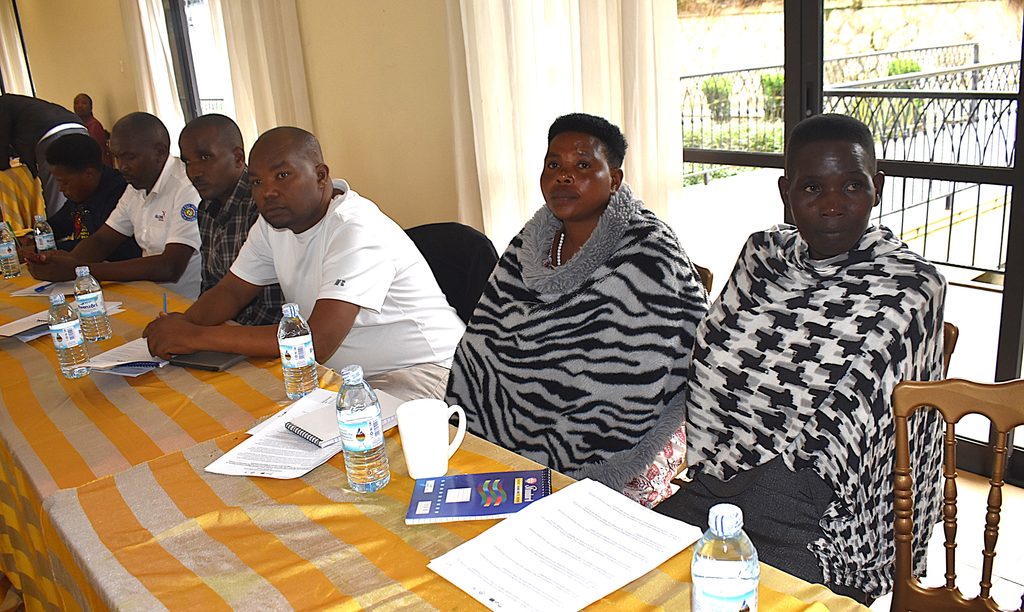
Strengthening Practical Training and Industry Relevance
The engagements in Western Uganda provided Makerere University with an opportunity to obtain first-hand perspectives from employers, local producers and government stakeholders on the competencies needed to build a more productive, safe and competitive mineral sector.
The findings will inform the ongoing review of the Bachelor of Science, Master of Science and PhD Geology curricula, alongside the development of short courses targeting specific skills gaps across the mineral value chain.
Through the MAK-SDMU project, Makerere University seeks to strengthen the link between academic training, industry requirements and the practical realities of Uganda’s mineral sector, while expanding opportunities for students, graduates and industry workers to acquire relevant competencies.
Pictorial of the workshop: https://drive.google.com/drive/folders/118nb4OidZrZYt8Q06pb54k5rdJMRNr0P?usp=sharing_eil&ts=6af21cfb
More about the regional consultations and curriculum review process: https://cns.mak.ac.ug/limited-knowledge-exposes-karamoja-miners-to-exploitation/