
pr.cns@mak.ac.ug

Transforming Fish By-products for Climate Resilience, Better Nutrition, & Economic Growth in Uganda Through the A-CCAP Project
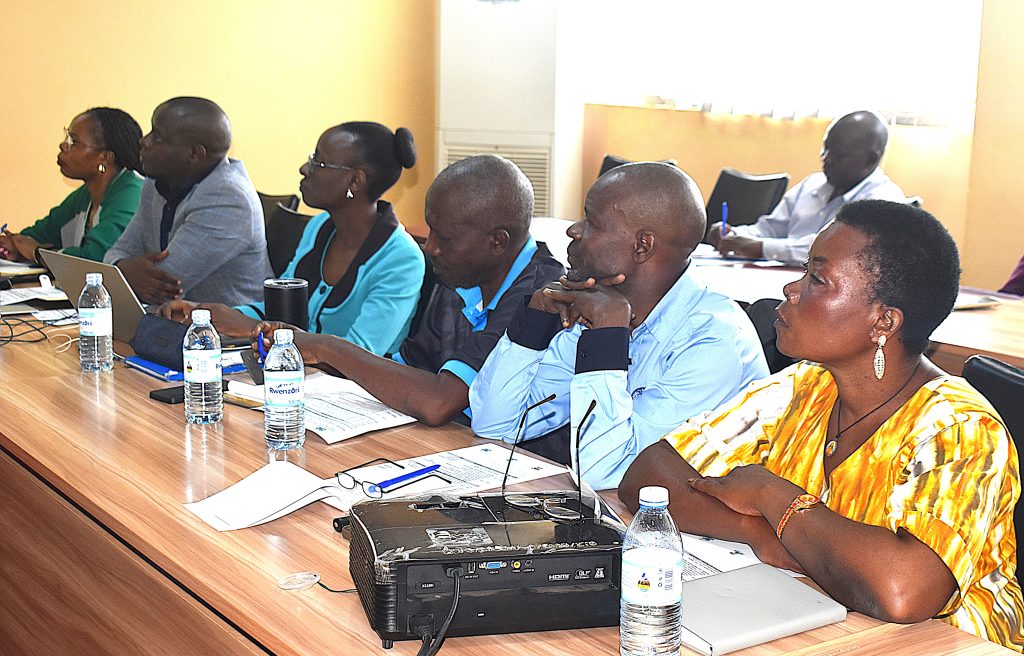
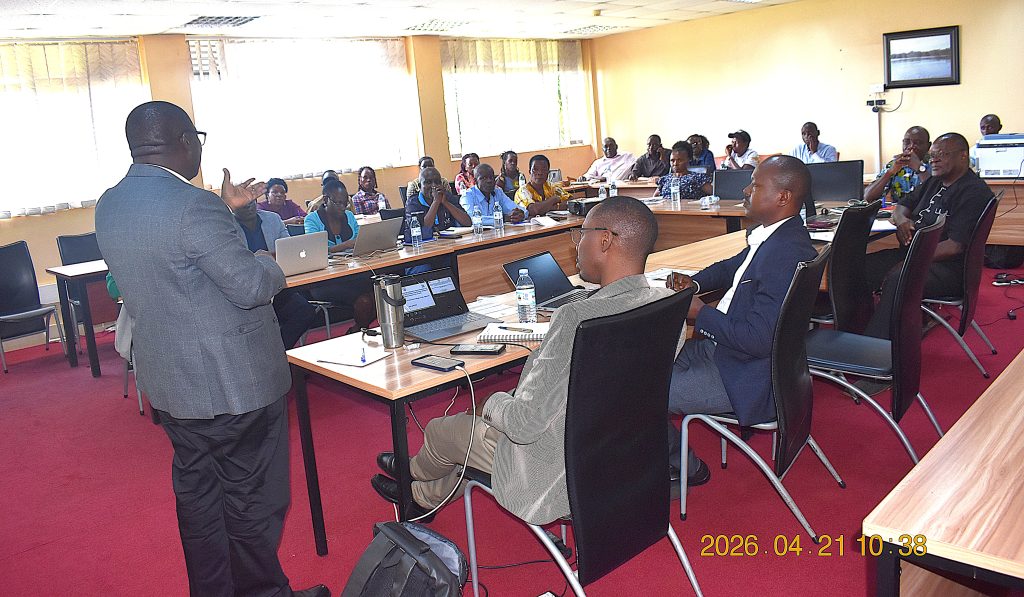
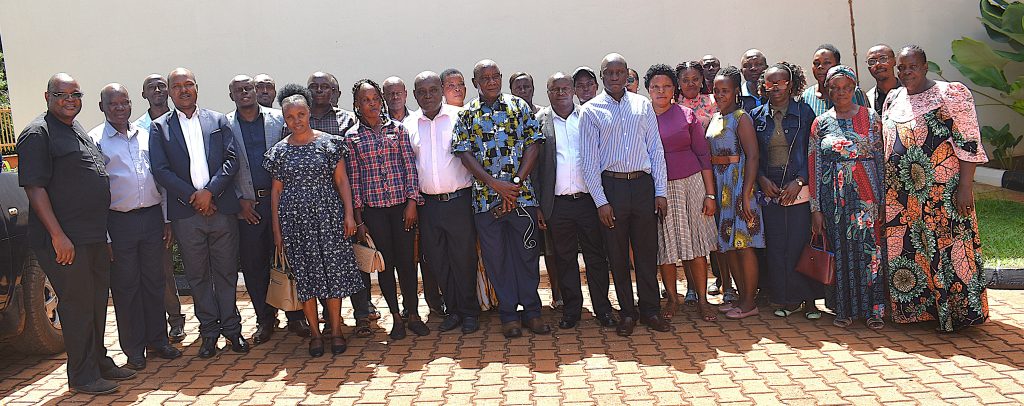
The project team and stakeholders at the opening ceremony of the inception meeting

*****The project titled – Accelerating Climate Change Mitigation and Adaptation in the Fisheries Value Chain through the Transformation of Fish By-Products into Nutraceutical Products (A-CCAP) – was officially launched during a two-day inception meeting held from 21st to 22nd April 2026 in Jinja. It will be implemented by Makerere University, in collaboration with Bulindi Zonal Agricultural Research and Development Institute of NARO, and Abitech Africa Consults Limited.
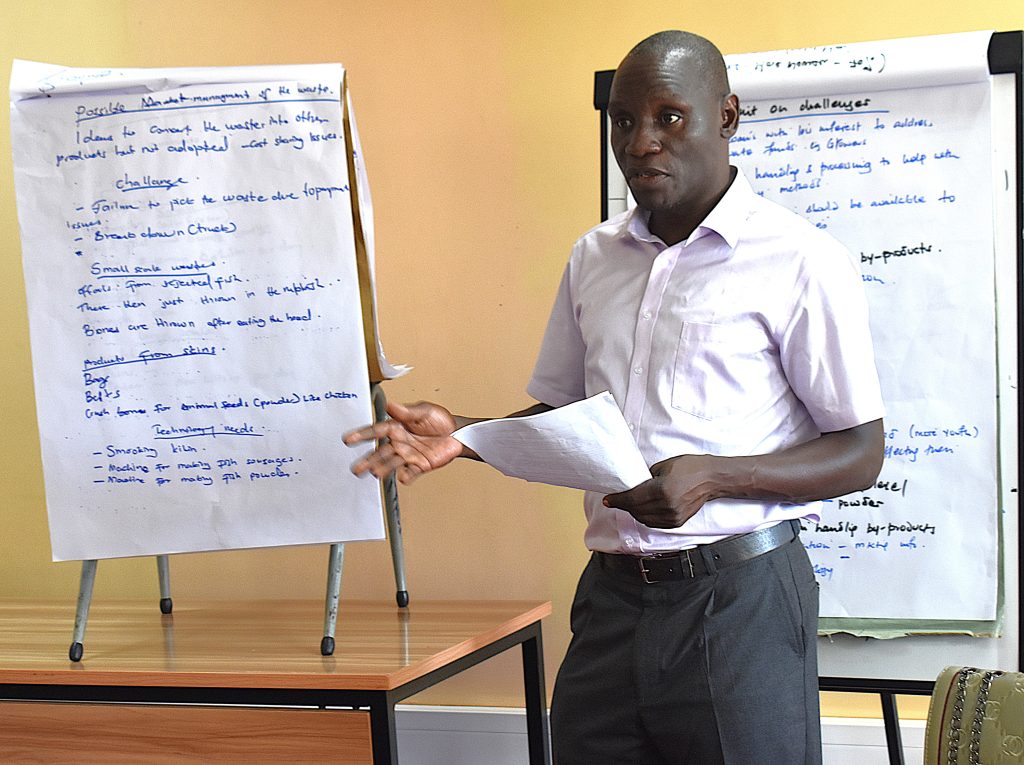
Challenges Resulting from Improper Management of Fish by-products
Fish processing generates large volumes of by-products, including heads, bones, skin, scales, and internal organs. If poorly managed, these products can significantly harm the environment. However, with appropriate handling and innovation, they can be transformed into valuable resources that support both nutrition and economic development.
In many fish-processing communities, by-products are either discarded into water bodies or left to decompose in open spaces. This leads to serious environmental consequences. In aquatic systems, decomposing organic matter depletes oxygen levels, disrupting ecosystems and threatening aquatic life. On land, accumulated fish waste produces unpleasant odors, attracts pests, and releases greenhouse gases such as methane. These effects are particularly pronounced in areas with limited waste management infrastructure.
Advantages of fish by-products
Treating fish by-products purely as waste overlooks their nutritional and commercial value. Fish heads and bones are rich in calcium, phosphorus, and collagen, and can be processed into fish powder or added to soups and stews to improve dietary intake, especially in communities facing malnutrition. Fish skin and scales can be used to extract gelatin and collagen for use in the food, pharmaceutical, and cosmetic industries. Additionally, fish oils derived from fatty tissues are high in omega-3 fatty acids, which are known to support heart and brain health.
Converting fish by-products into marketable products also creates economic opportunities. Small-scale enterprises can produce fish meal for animal feed, organic fertilizers for agriculture, or ready-to-use nutritional supplements for local markets. These innovations not only reduce environmental pollution but also generate employment and diversify income streams along the fisheries value chain.
Addressing these challenges requires a shift in perception, alongside investments in processing technologies, capacity building, and supportive policies. By recognizing fish by-products as valuable resources rather than waste, communities can simultaneously tackle environmental concerns while improving nutrition and livelihoods.
Addressing the Challenge through the A-CCAP Project
The Department of Zoology, Entomology and Fisheries Sciences at Makerere University, in collaboration with Bulindi Zonal Agricultural Research and Development Institute of the National Agricultural Research Organization, and Abitech Africa Consults Limited, has launched a project aimed at mitigating climate change impacts associated with fish by-products while improving nutrition and livelihoods.
The three-year project titled – Accelerating Climate Change Mitigation and Adaptation in the Fisheries Value Chain through the Transformation of Fish By-Products into Nutraceutical Products (A-CCAP) – was officially launched during a two-day inception meeting held from 21st to 22nd April 2026 in Jinja.
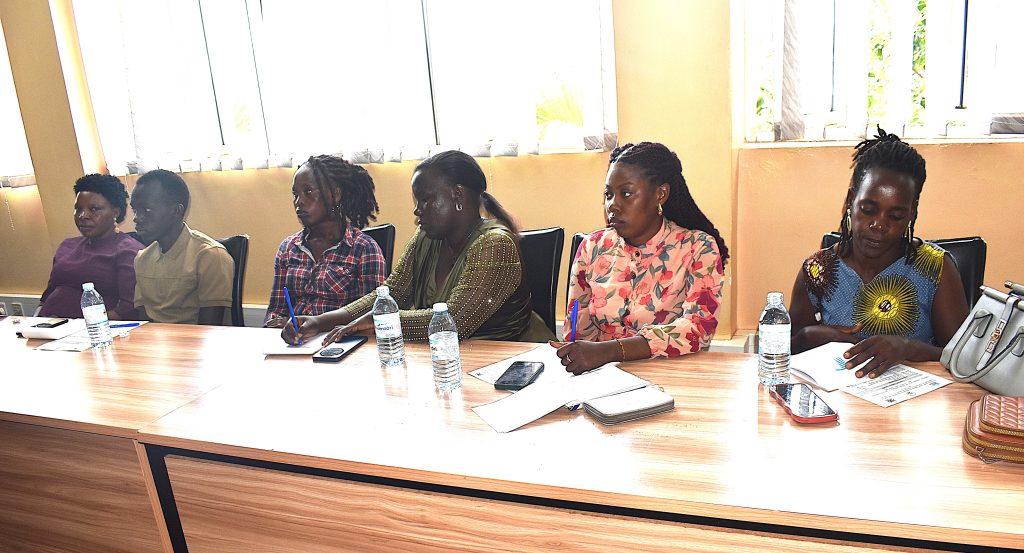
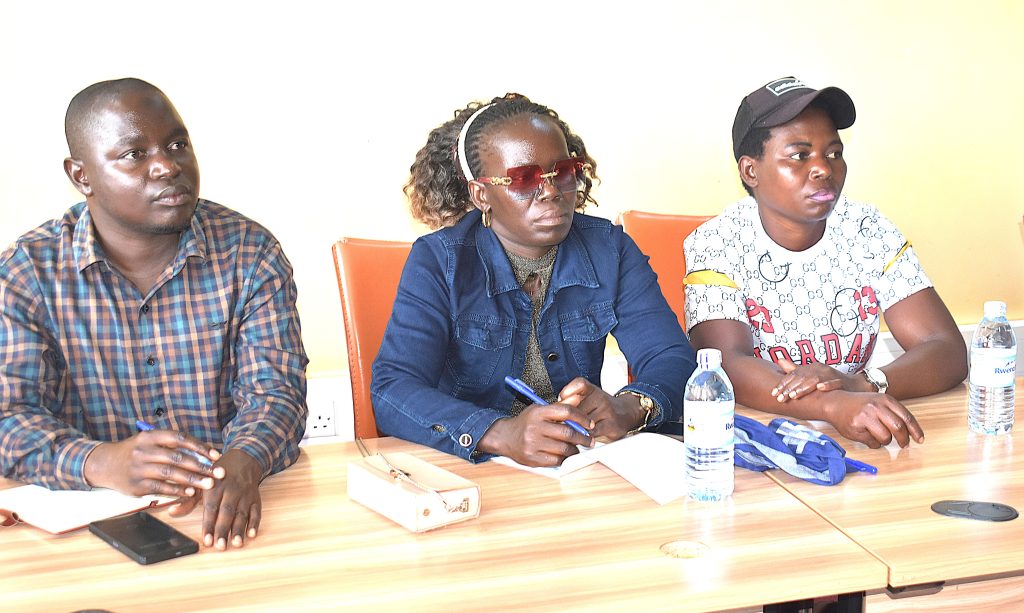
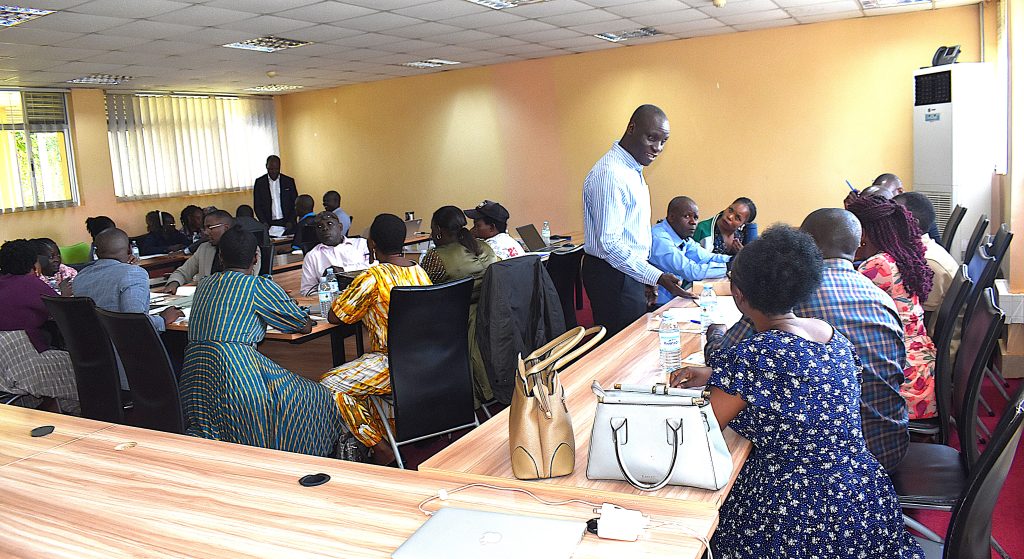
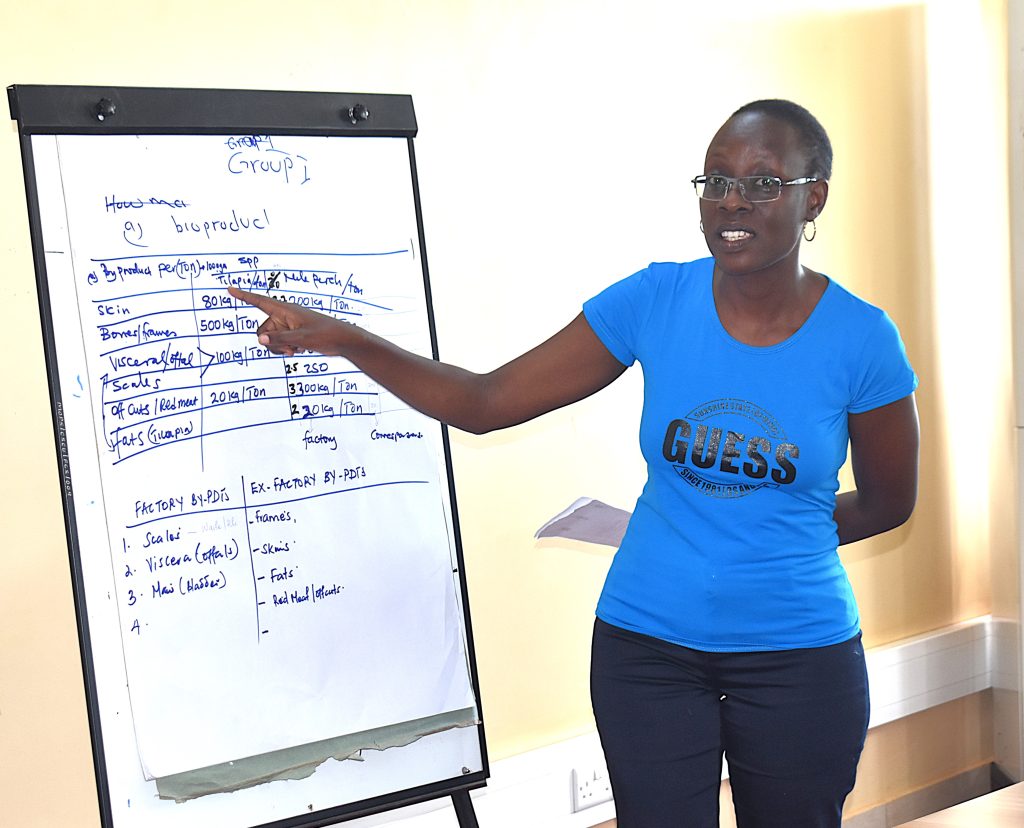
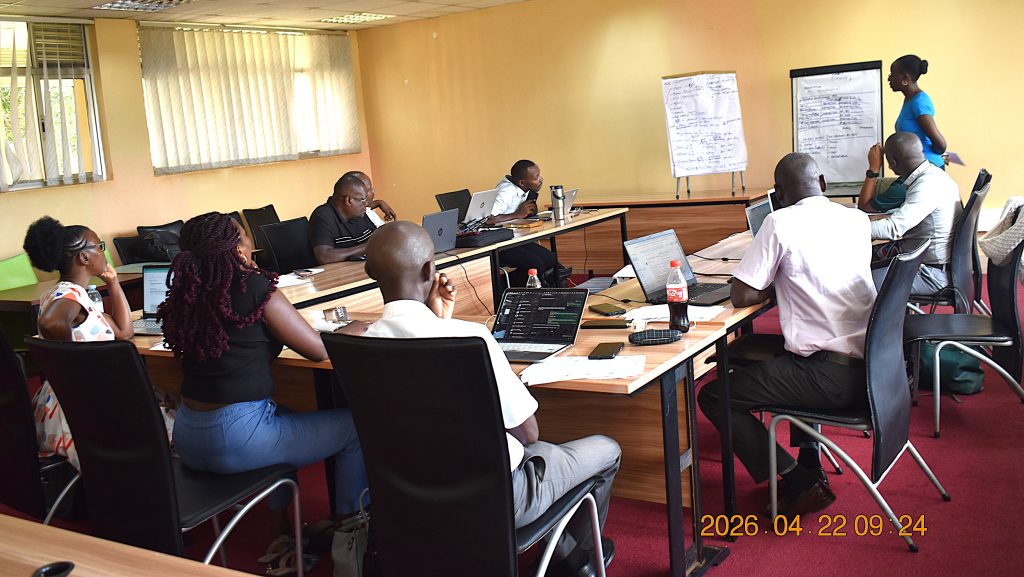
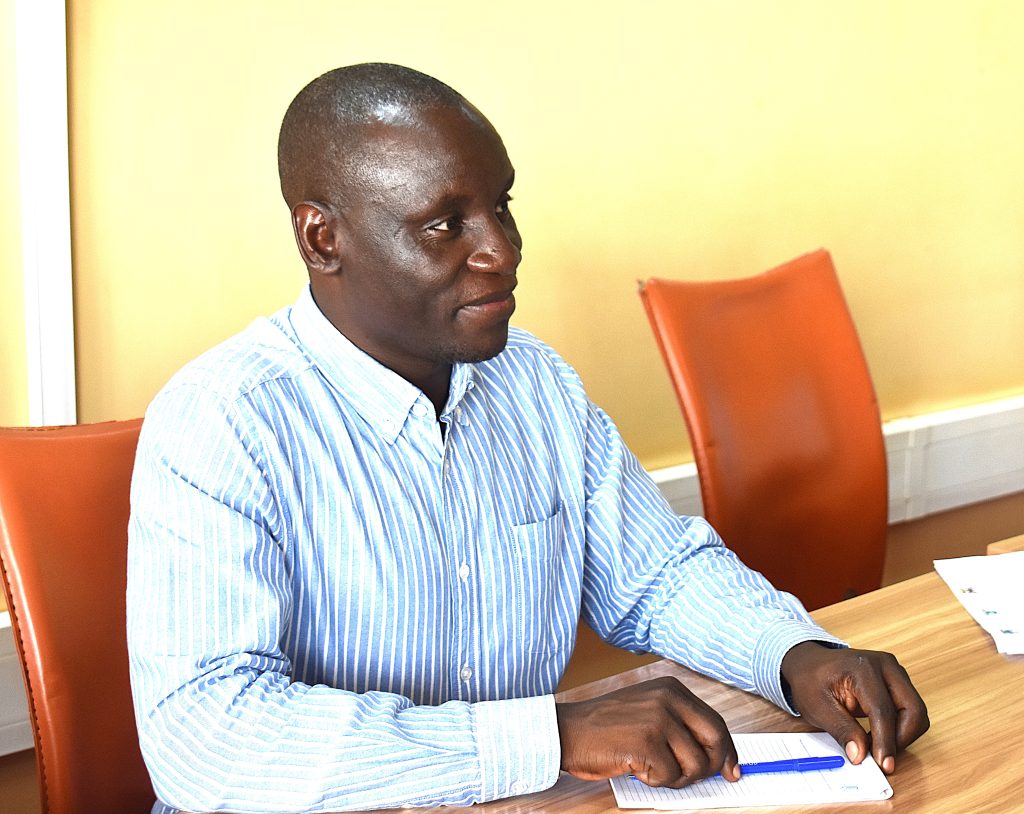
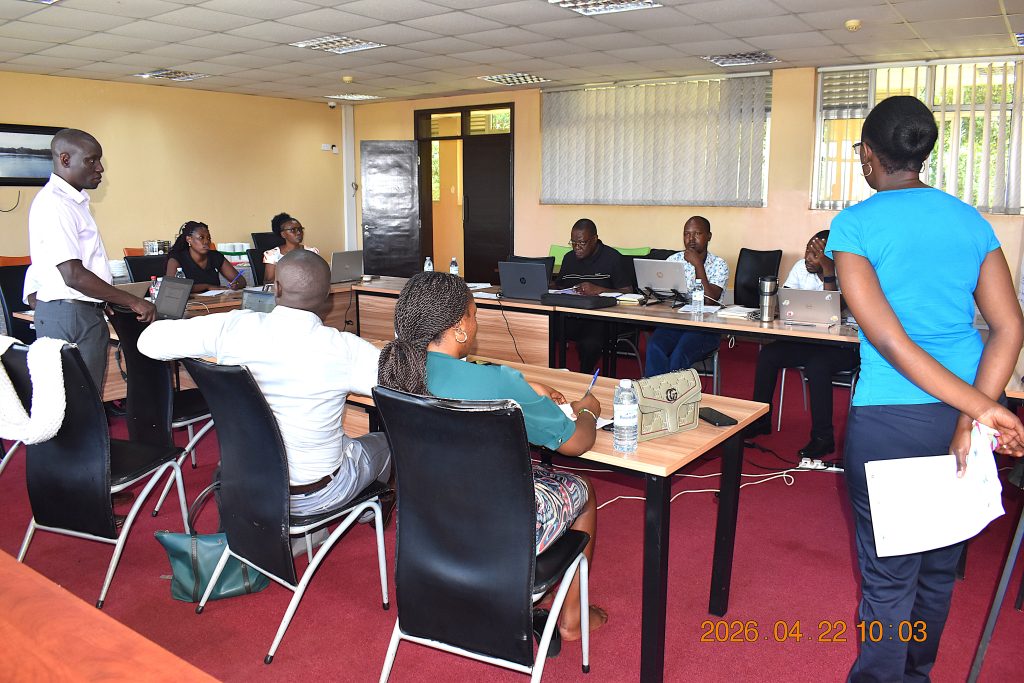
The meeting provided an important platform for introducing the project’s objectives, aligning expectations among key stakeholders, and jointly developing a clear and actionable implementation roadmap. It was attended by researchers from the three collaborating institutions, as well as District Fisheries Officers, fish traders, and processors from Jinja and Buikwe districts.
The project is funded by the National Agricultural Research Organization (NARO) with support from the World Bank and is coordinated by Dr. Peter Akoll from the Department of Zoology, Entomology, and Fisheries Sciences at Makerere University. It seeks to reduce greenhouse gas emissions from fish waste while enhancing the nutritional and economic value of fish by-products. The project will be implemented in Jinja and Buikwe districts in Central and Eastern Uganda.
Key Objectives
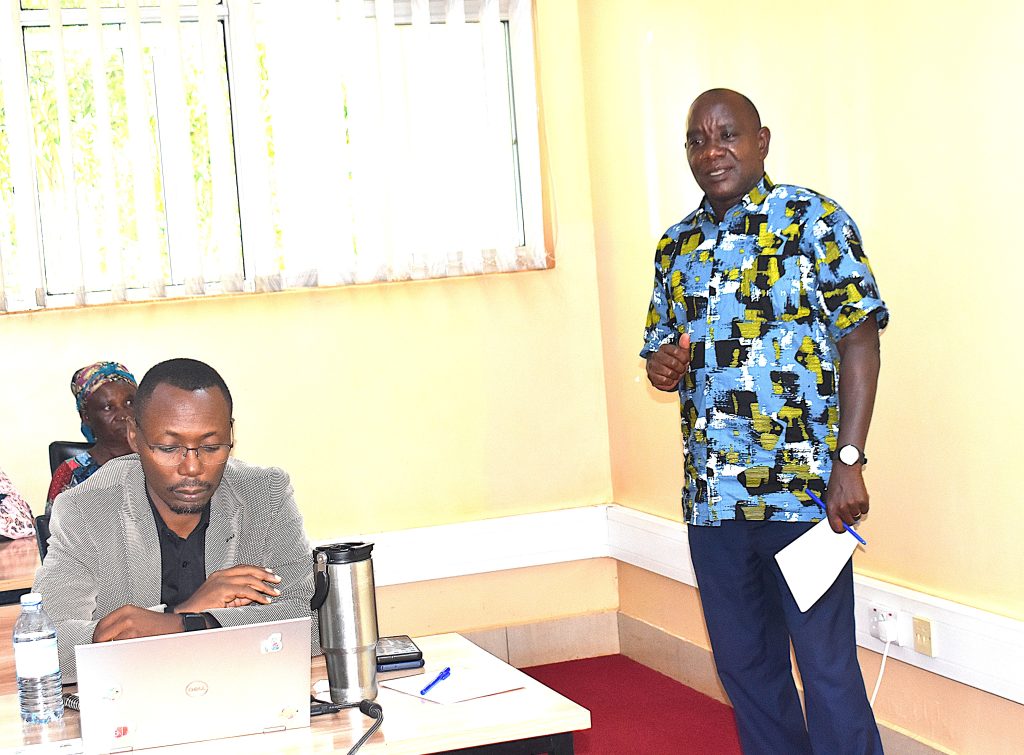
The project is guided by three main objectives. First, it seeks to develop and validate safe, nutritious, and marketable climate-smart products derived from fish by-products for use in the food, cosmetics, and pharmaceutical industries. Second, it aims to design and adopt climate-smart marketing models and distribution channels that promote entrepreneurship in low carbon fish-based products. Third, it focuses on strengthening the socio-economic resilience of stakeholders within the fish by-product value chain in the context of climate change.
Anticipated output
A number of key outputs are expected from the project. Under the first objective, two safe and highly marketable climate-smart food products – gelatin and fat capsules derived from fish scales, skin, and viscera- will be developed and validated. In addition, a system will be established to collect up to 95% of inedible fish parts from processing factories, while also estimating and comparing carbon emissions across the production chain against traditional processing methods.
Under the second objective, appropriate market sizes and requirements for the new climate-smart products will be determined to guide production volumes. The carbon footprint of at least two marketing and distribution channels, covering both raw materials and final products, will also be assessed and quantified in terms of carbon emission equivalence.
Under the third objective that focuses on improving the socio-economic resilience of actors in the fish by-product value chain, ex-factory processors will be organized and engaged in producing high-quality, antioxidant-treated fish powder and mineral concentrates from edible fish by-products. Additionally, simple cottage-based processing units will be introduced to enable processors to produce nutritious climate-smart products at small scale. The project also aims to promote the adoption of these innovative processing units and create decent employment opportunities for at least 20% of actors in the by-product value chain, with a focus on improving the livelihoods of youth and women.
Expected outcomes
The anticipated outcomes of the project include the production of four climate-smart, high-protein products from fish by-products to enhance nutritional quality in Uganda. It also targets the collection and conversion of at least 95% of inedible fish parts (scales, viscera, and skins) into two commercial-scale products – gelatin and fat capsules.
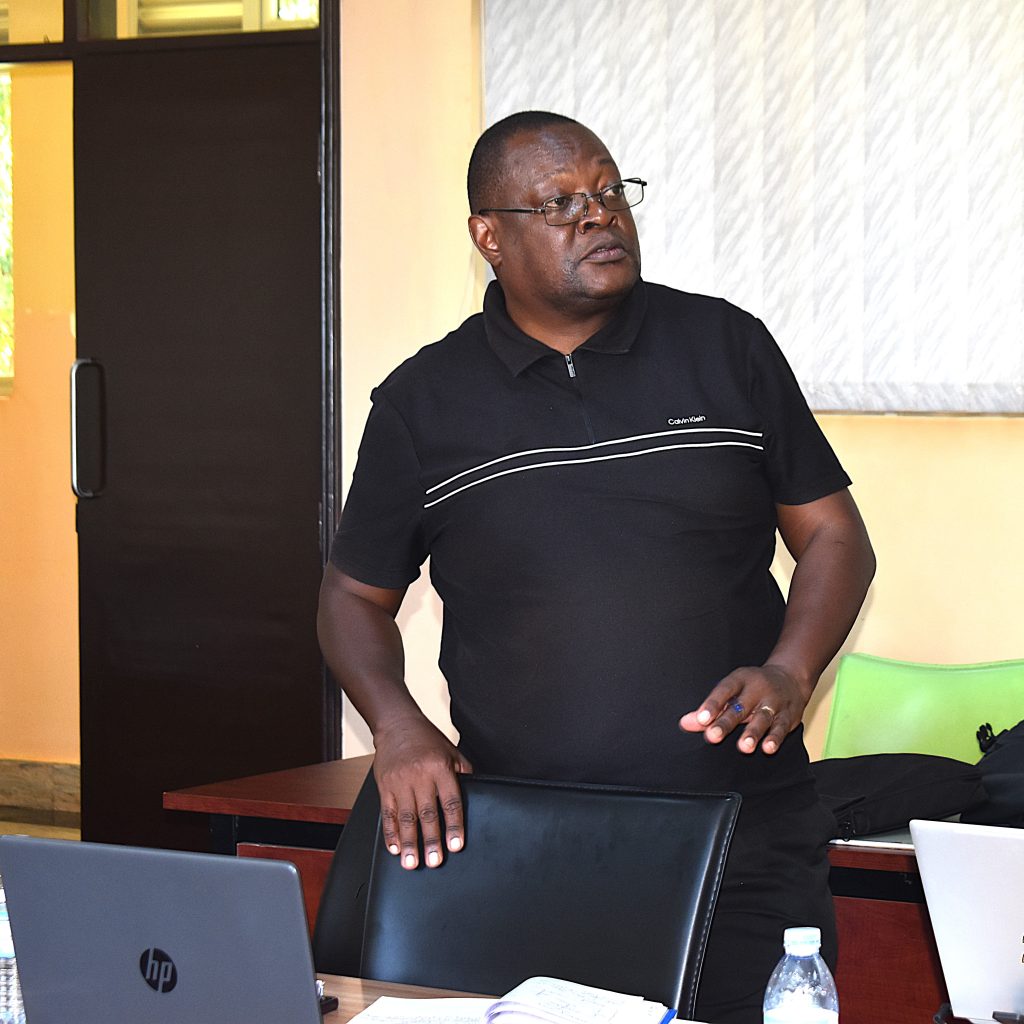
Furthermore, at least 50% of partially edible fish parts (frames, heads, and skins) are expected to be collected and processed into antioxidant-treated powder and mineral concentrate at small-scale cottage level by ex-factory processors. The project also aims to improve the livelihoods of at least 20% of participating actors through diversified income-generating opportunities from product development and marketing. Finally, it will establish a carbon emissions benchmark for fish by-product processing into climate-smart, high-value products, thereby demonstrating both commercial feasibility and environmental sustainability.
Remarks
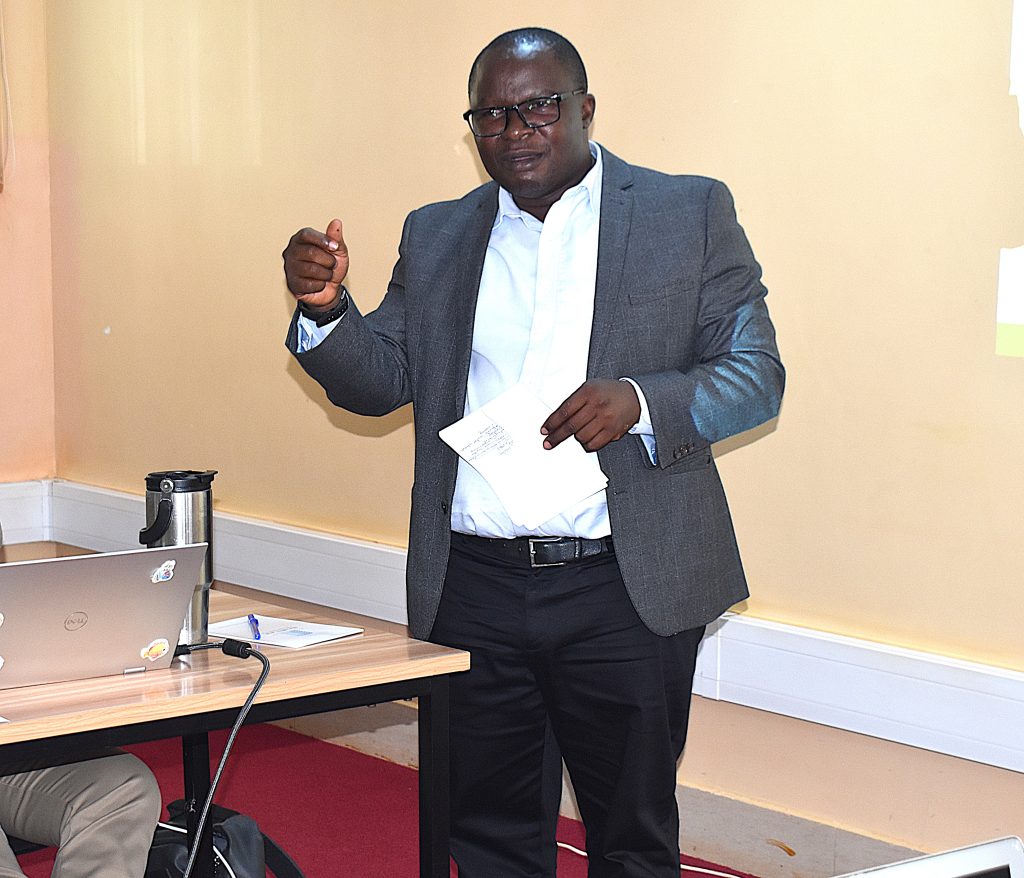
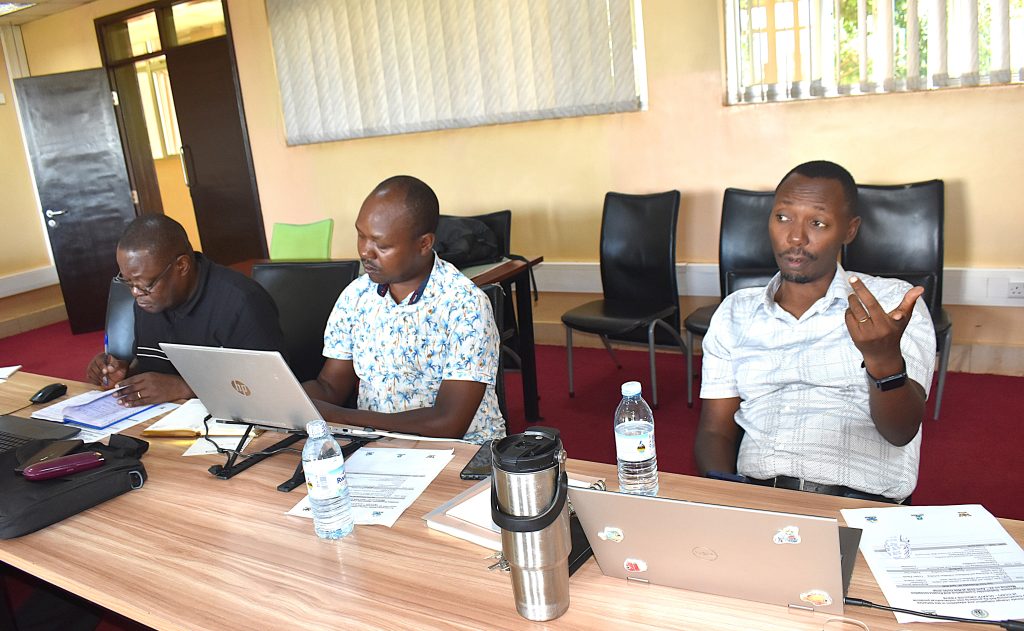
Delivering his remarks during the inception meeting, the Head of the Department of Zoology, Entomology and Fisheries Sciences at Makerere University, Dr. Godfrey Kawooya Kubiriza, underscored the significance of the project in addressing climate change and malnutrition. He noted that the initiative presents a timely opportunity to promote sustainable resource utilization while strengthening food and nutrition security in Uganda.
Dr. Kubiriza urged the stakeholders to actively participate in the implementation process, emphasizing that their engagement will be critical for achieving meaningful and lasting impact. He appreciated the funders for the support extended to the project.
The project team, led by Dr. Peter Akoll, reaffirmed their commitment to ensuring successful implementation through close collaboration with all stakeholders. They emphasized that the A-CCAP initiative represents a transformative step toward building a circular, climate-resilient fisheries value chain that reduces environmental pollution while creating sustainable economic opportunities and improving community wellbeing across Uganda.
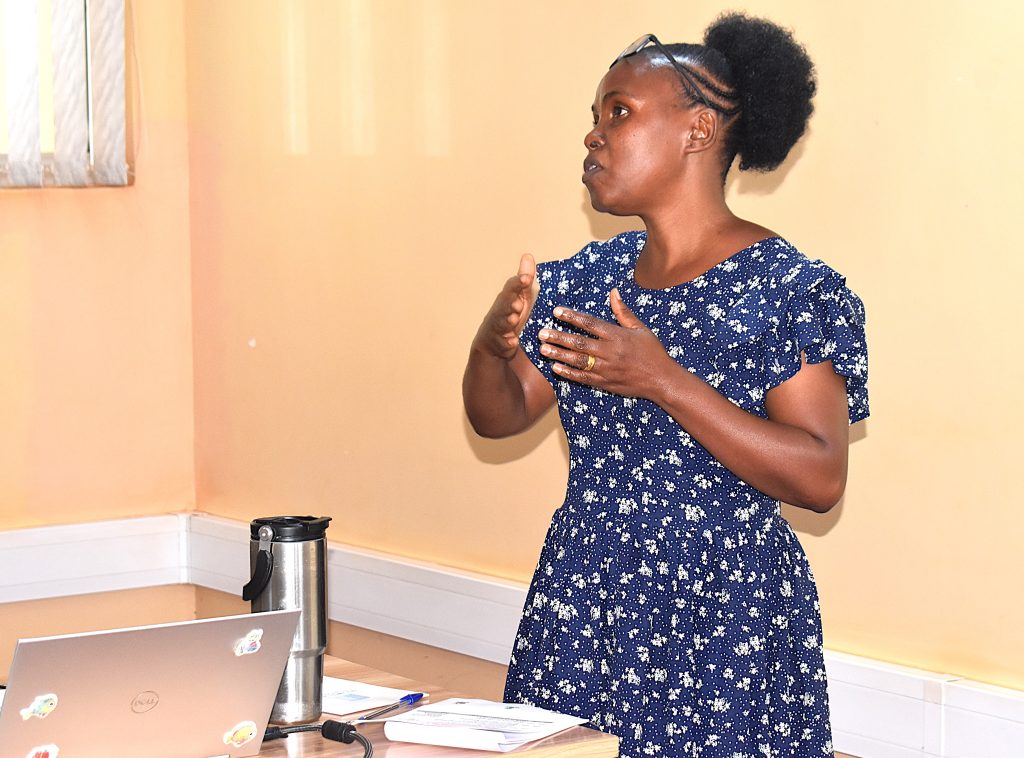
On behalf of the stakeholders, the District Fisheries Officer of Buikwe, Mr. Baligeya Kaalo Patrick expressed gratitude for the initiative, noting that it comes at a critical time when fishing communities are grappling with increasing environmental pressures and limited value addition opportunities. He emphasized that the project will not only help reduce fish waste and associated pollution but will also empower local processors and traders with new skills and technologies for value addition. Mr. Baligeya pledged full cooperation of the district leadership and fishing communities in ensuring successful implementation of the A-CCAP project activities.
Project team
- Dr Peter Akoll – Principal Investigator, Department of Zoology, Entomology and Fisherie Sciences, Makerere University
- Dr Ivan Abaho – Co-PI, Bulindi Zonal Agricultural Research and Development Institute (BUZARDI)
- Dr. Agnes Nandutu Masawi – Team Member, Department of Biochemistry and Systems Biology, Makerere University
- Mr. Herbert Tristan Tusiime – Team Member, Abitech Africa Consults Limited
- Mr. Andrew Arinaitwe Izaara – Team Member, National Agricultural Research Organization
- Dr. Patrick Kalunda – Team Member, Bulindi ZARDI
- Mr. Johnson Mayega – Administrator
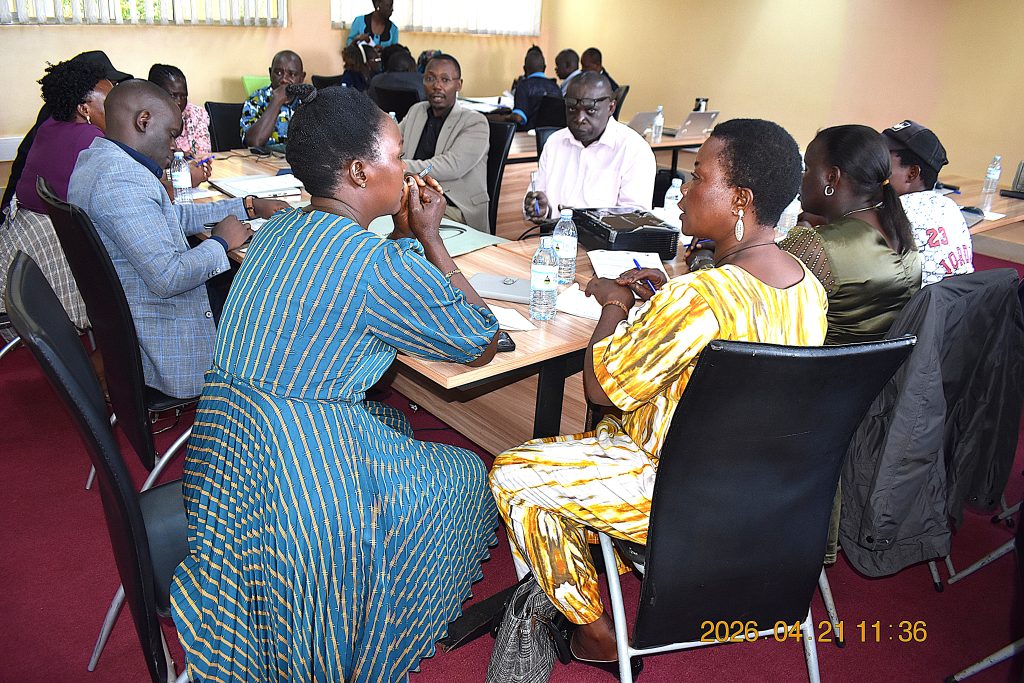
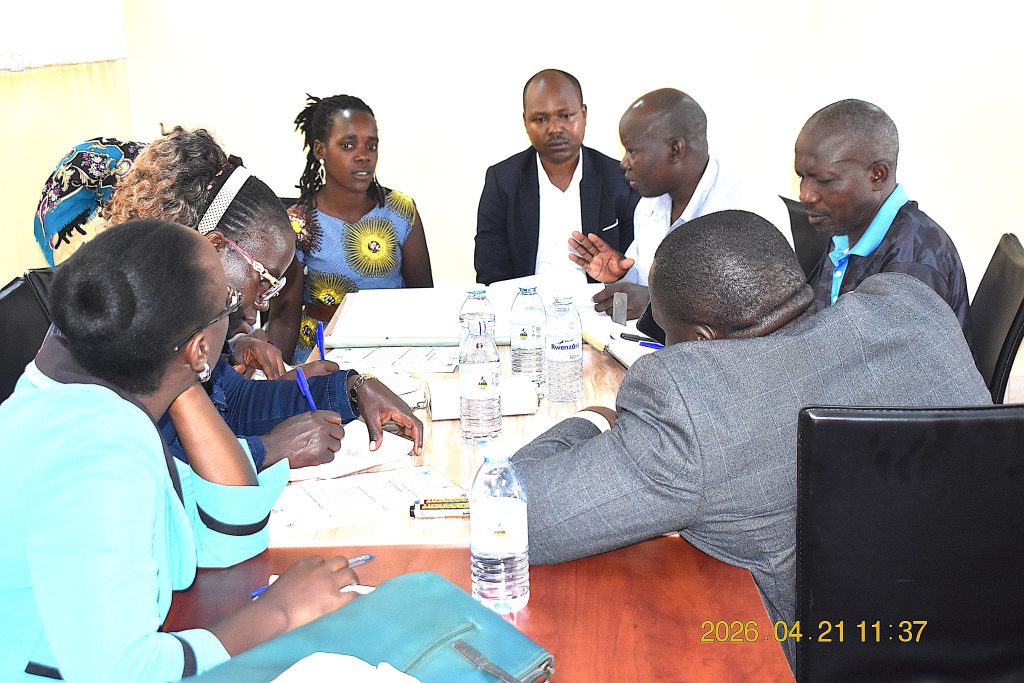
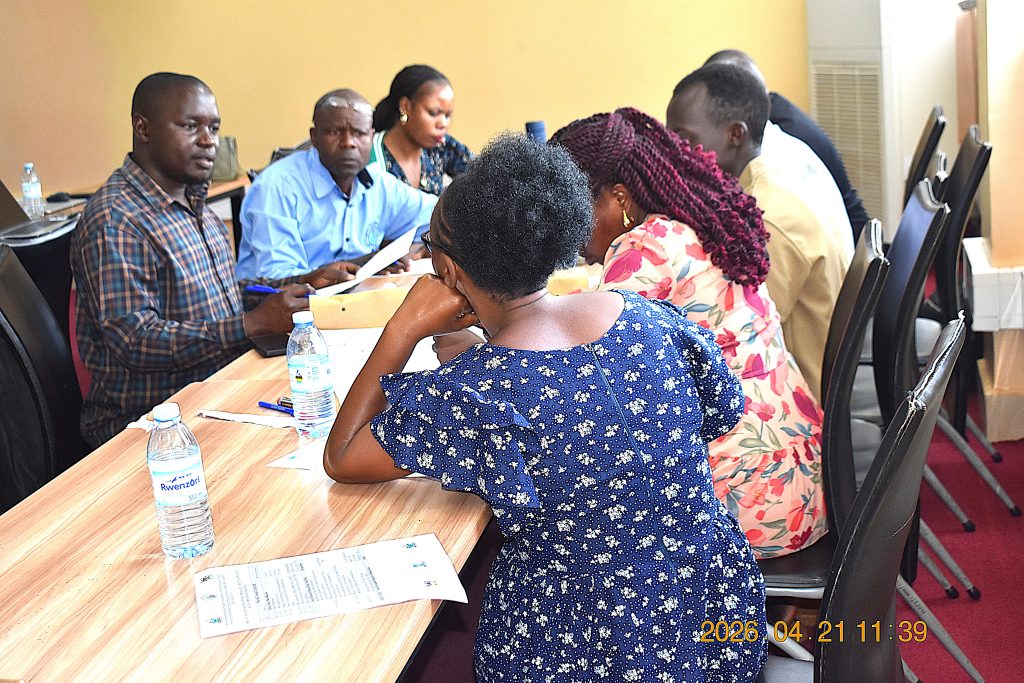
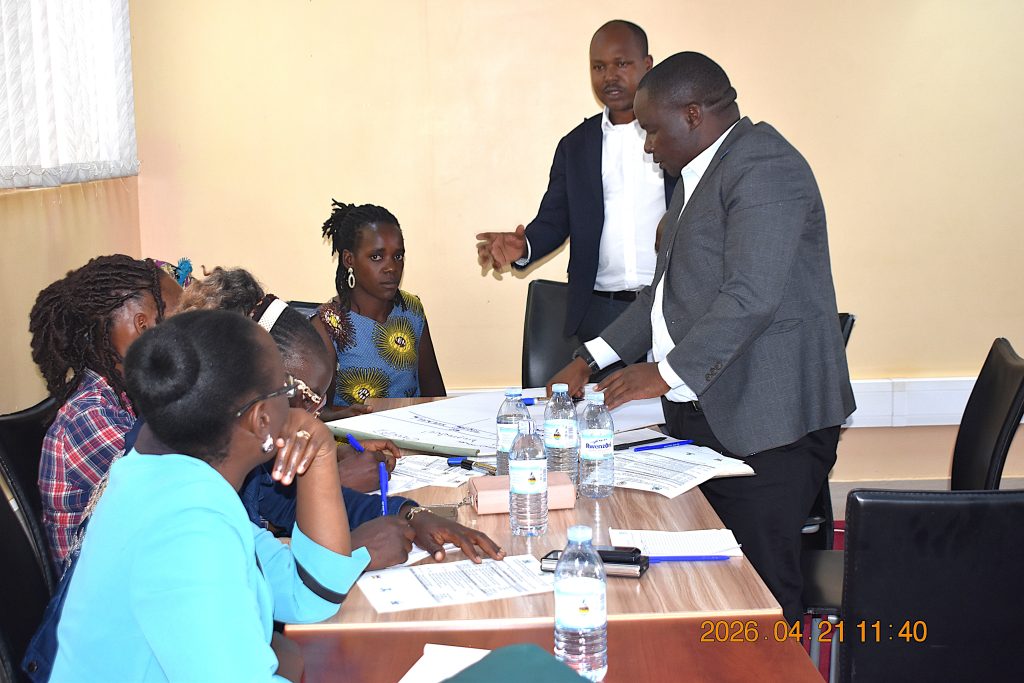
Pictorial of the meeting: https://drive.google.com/drive/folders/1w4yP-3ZObiK_nKRKx4VE0L9O5w2QuaP_?usp=sharing