
pr.cns@mak.ac.ug


Youth Pitch Community-Based Solutions to Unemployment & Environmental Challenges at AEYA Hackathon

*****The three-day hackathon, which marked the conclusion of the first Africa-Europe Youth Academy New Leaders Lab at Makerere University, challenged 26 young leaders to develop locally driven enterprises that turn community resources and environmental challenges into sustainable livelihood opportunities.
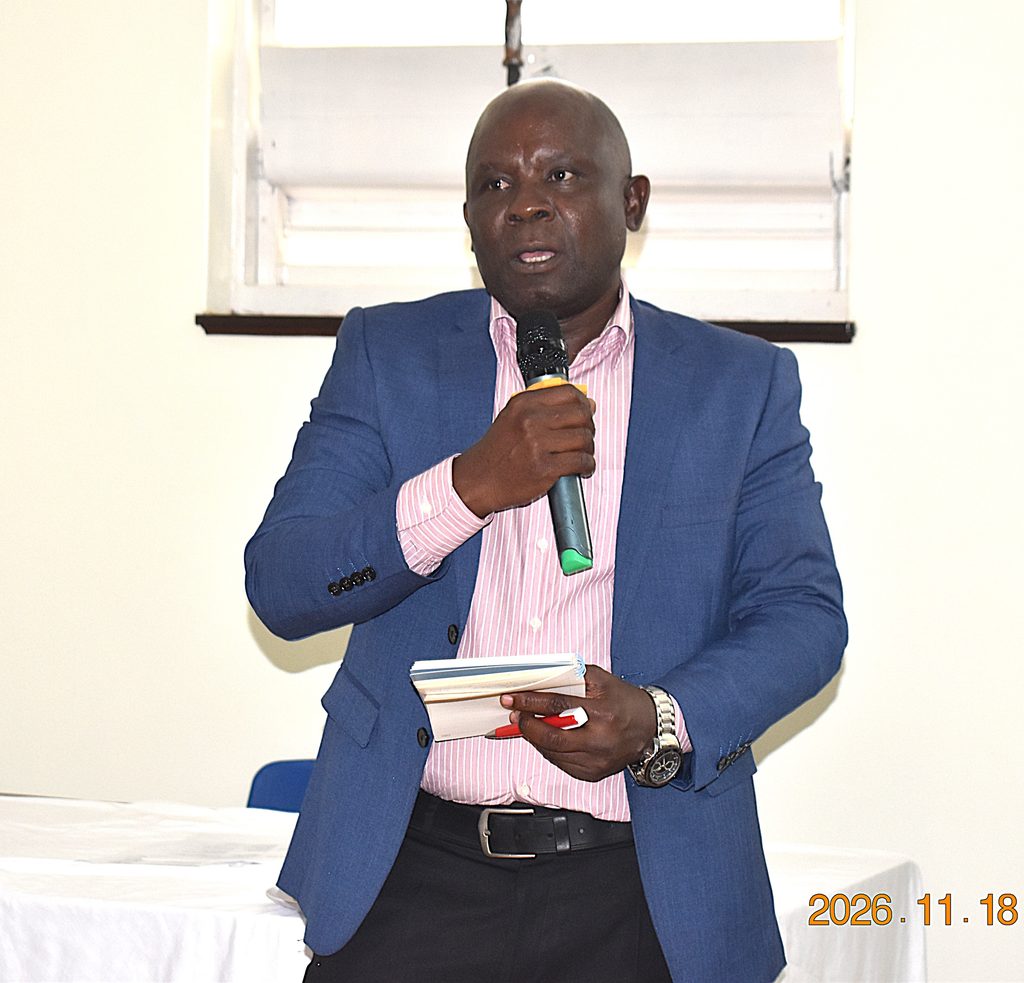
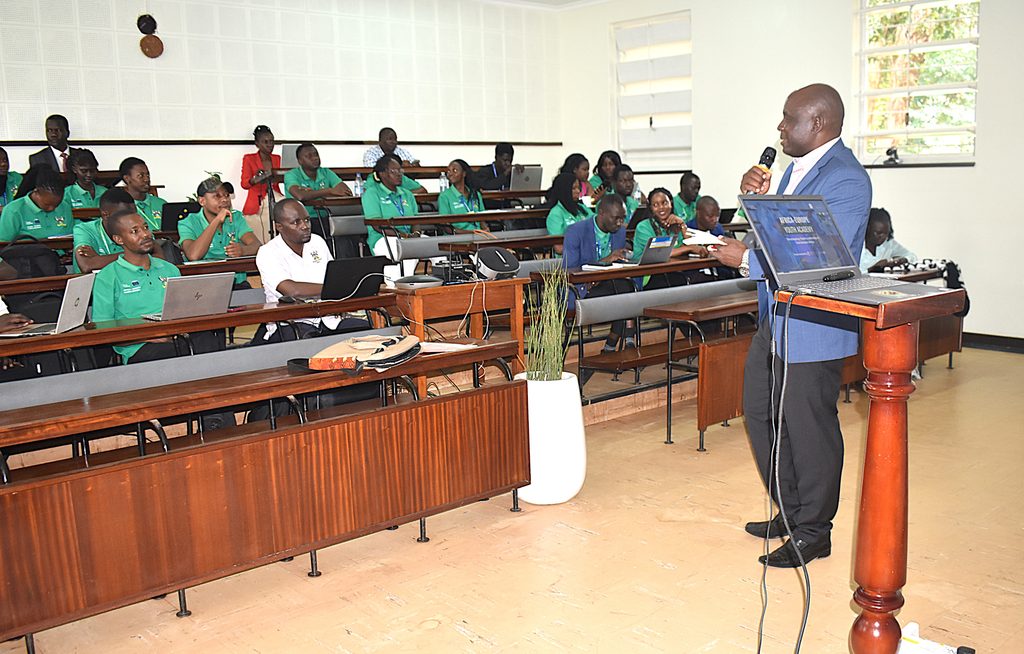
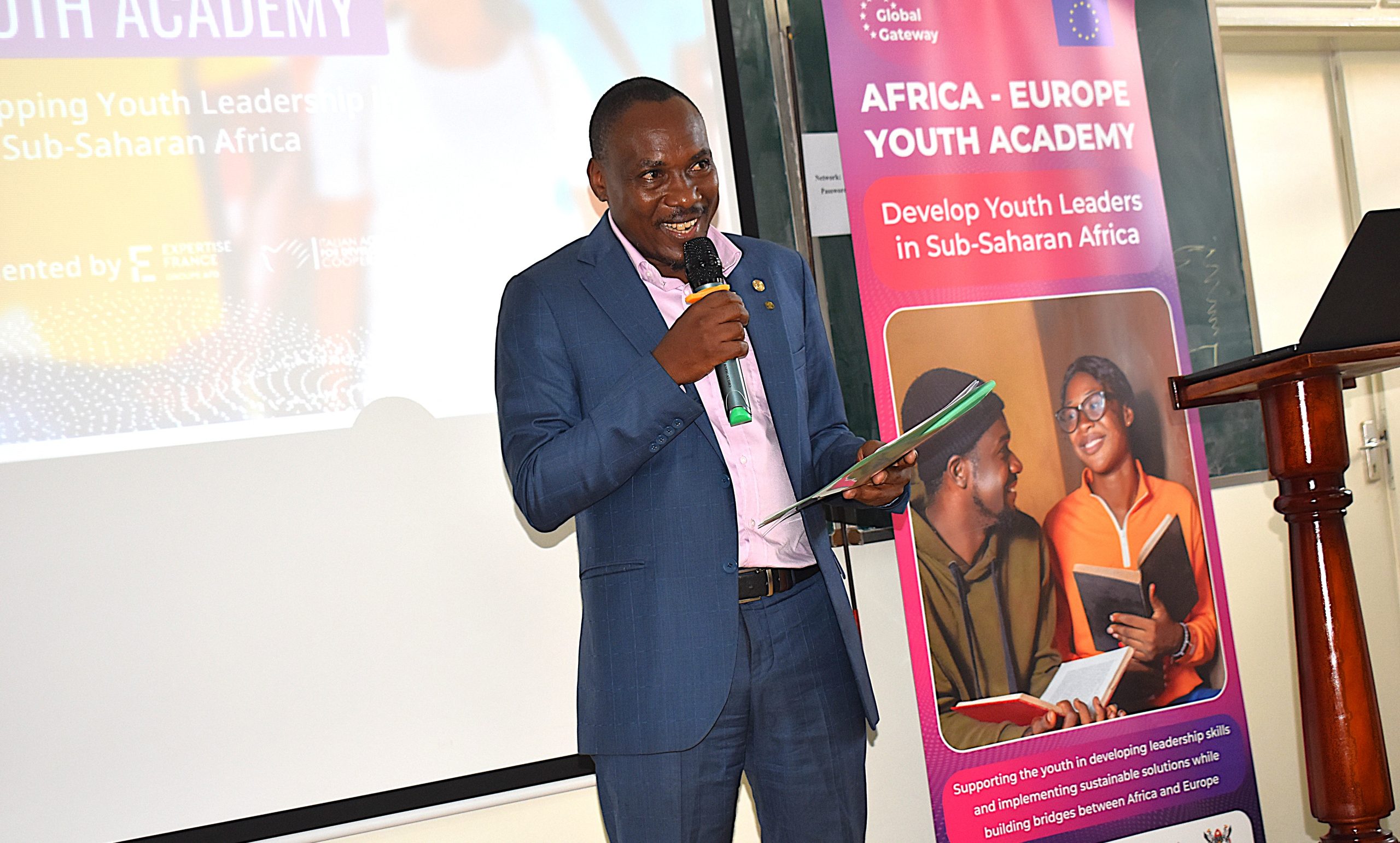
The College of Natural Sciences (CoNAS) at Makerere University on Wednesday, 18th November 2026, hosted an innovation pitching and awards ceremony to mark the conclusion of the first Africa-Europe Youth Academy (AEYA) New Leaders Lab. The event provided a platform for participating young leaders to present business ideas addressing youth unemployment, environmental degradation, waste management and the sustainable use of natural resources.
Held at the Department of Plant Sciences, Microbiology and Biotechnology, the competition was the culmination of an intensive leadership and skills development programme that commenced on 2nd November 2026. Led by Dr. Jamil Ssenku (Principal Investigator) and Prof. James Kalema (Co-Principal Investigator), and coordinated by Dr. Samuel Ojelel, the New Leaders Lab brought together 30 young people from across Uganda for training in leadership, active citizenship, biodiversity conservation, sustainable food systems and social innovation.
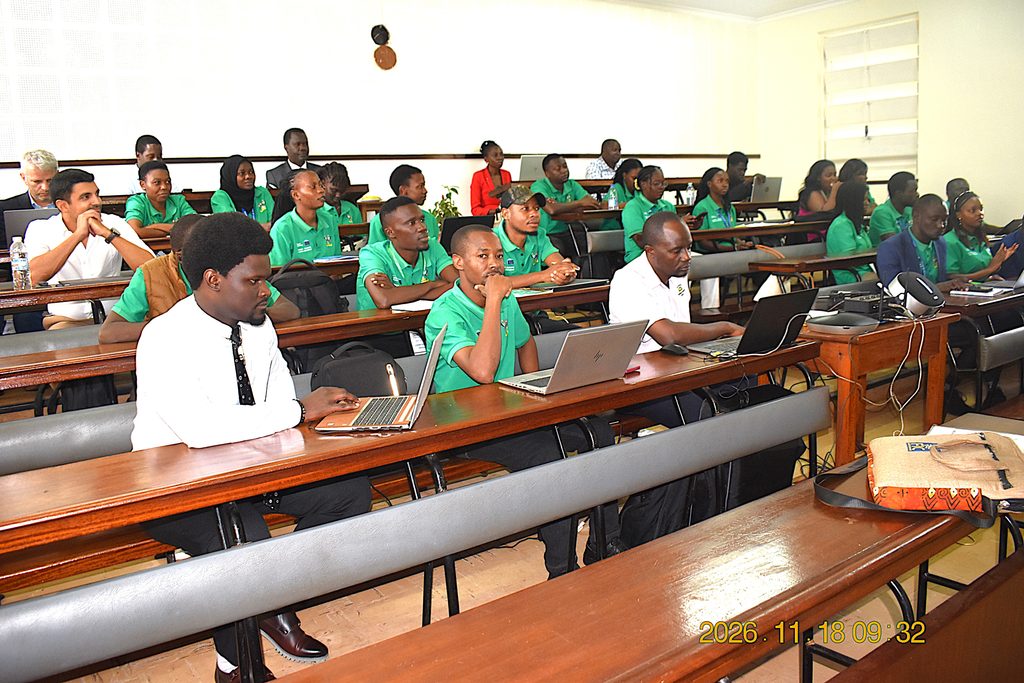
Participants were tasked with developing innovative, community-based projects that leverage locally available skills and resources to create sustainable employment and income-generating opportunities for unemployed young people. Working in groups, they developed and pitched proposals demonstrating how innovation, local resources and community participation could be harnessed to create employment while addressing pressing social and environmental challenges.
Each group was allocated 15 minutes to present its proposal before a panel of five judges drawn from Makerere University and the entrepreneurship, digital marketing, innovation and product development sectors. Presentations outlined the problems being addressed, proposed interventions, business models, target beneficiaries, implementation arrangements, anticipated impact and sustainability strategies.
The exercise enabled participants to apply the knowledge acquired during the two-week programme to real-life community challenges while receiving professional feedback on the feasibility, market potential and long-term viability of their proposed enterprises.
The Proposed Initiatives
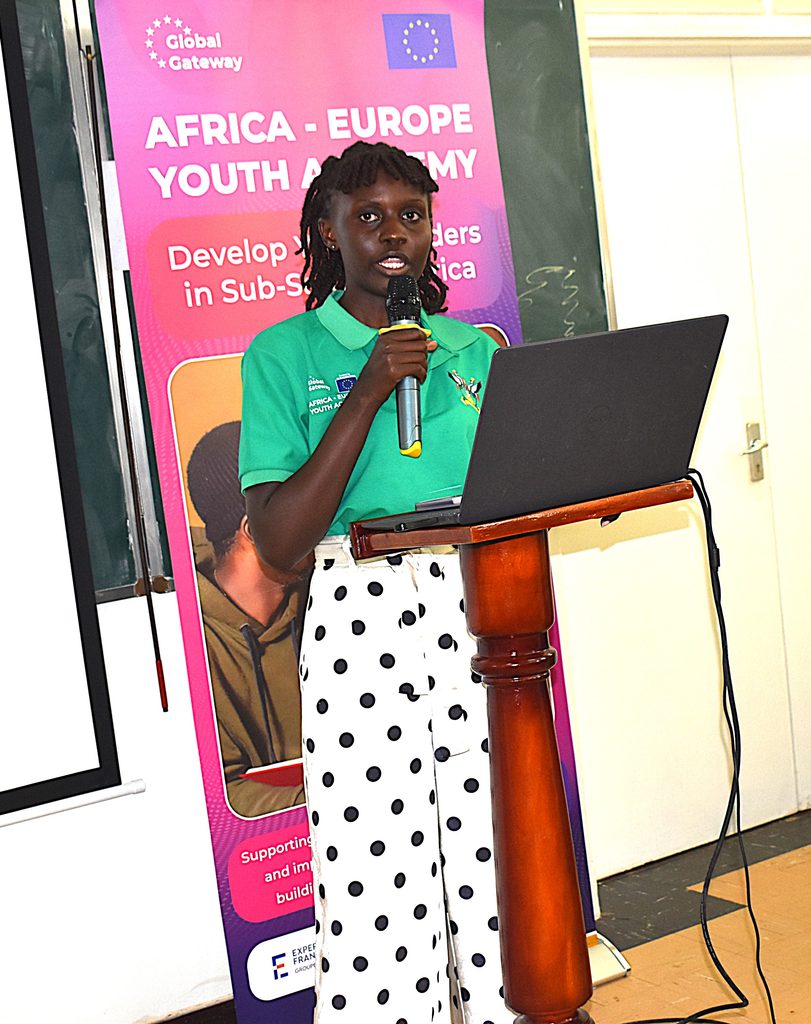
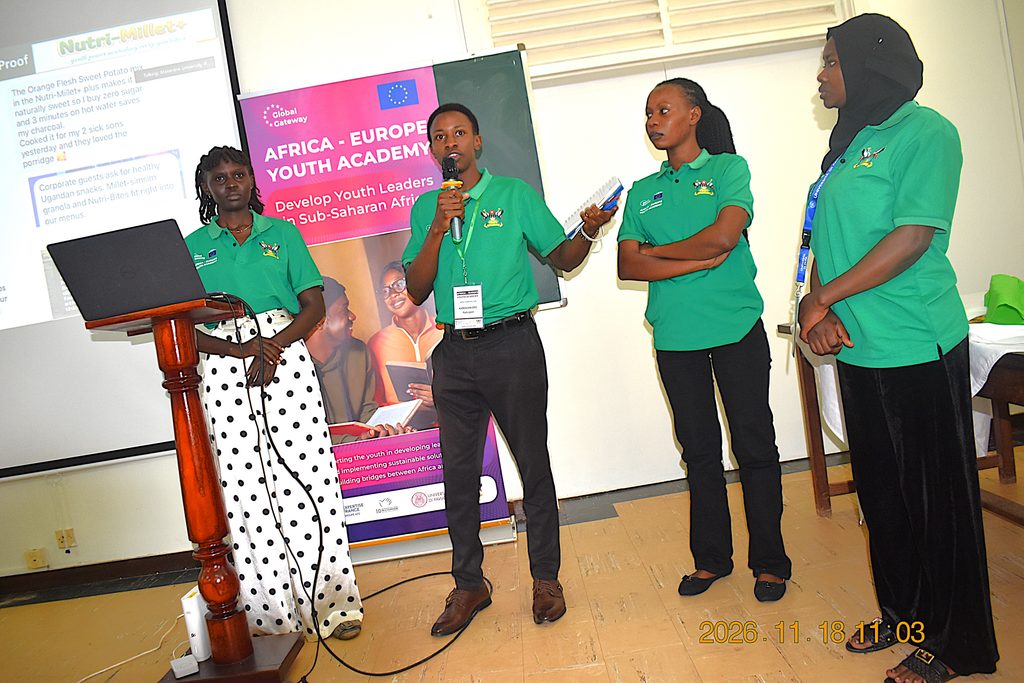
1. Karachuna Nutri-Millet Hub: Harnessing Indigenous Crops to Create Youth Employment Opportunities and Improve Nutrition
The Karachuna Nutri-Millet Hub, a youth-led agribusiness initiative based in Moroto District, Karamoja seeks to create employment for young people while improving household nutrition through the processing and commercialization of locally grown indigenous crops.
Its flagship product, Nutri-Millet+ Plus, is a nutrient-rich instant porridge flour made from a blend of finger millet, soya beans and peas, simsim and orange-fleshed sweet potato. The pre-roasted blend requires only three minutes to prepare, derives its natural sweetness from orange-fleshed sweet potato and has a projected shelf life of six to eight months.
The initiative plans to employ and train 40 young people, with particular emphasis on young women and persons with disabilities, in food processing, product development, quality assurance and marketing. It will source raw materials directly from farmers across Karamoja, providing a market for indigenous crops, strengthening local agricultural value chains and helping to reduce post-harvest losses.
In addition to its flagship porridge flour, the hub plans to produce Nutri-Bites energy cookies, Nutri-Crunch granola, millet cakes and livestock bran. This product diversification is intended to generate additional revenue while maximizing the use of available raw materials.
With a proposed seed budget of UGX 6 million, the initiative targets monthly production of 2,500 kg of food products, employment opportunities for 40 young people and improved access to nutritious, affordable foods for more than 2,000 people.
Its longer-term strategy includes securing the Uganda National Bureau of Standards (UNBS) quality certification, expanding distribution to other districts and establishing partnerships with agricultural research institutions, health facilities, development organizations, supermarkets and institutional buyers.
Through this model, the group seeks to transform Karamoja’s indigenous agricultural resources into marketable food products while supporting local farmers, creating employment and improving food security.
2. Green Hands: Turning Environmental Challenges into Youth Livelihood Opportunities
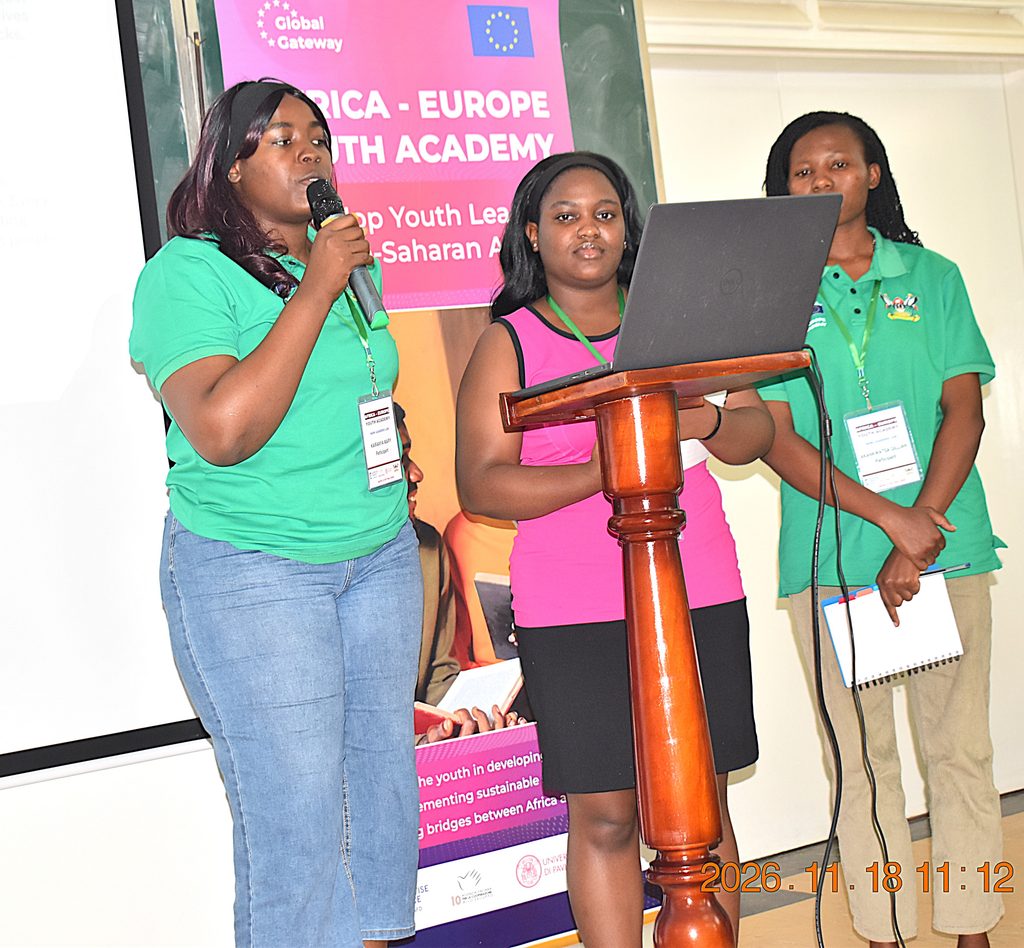
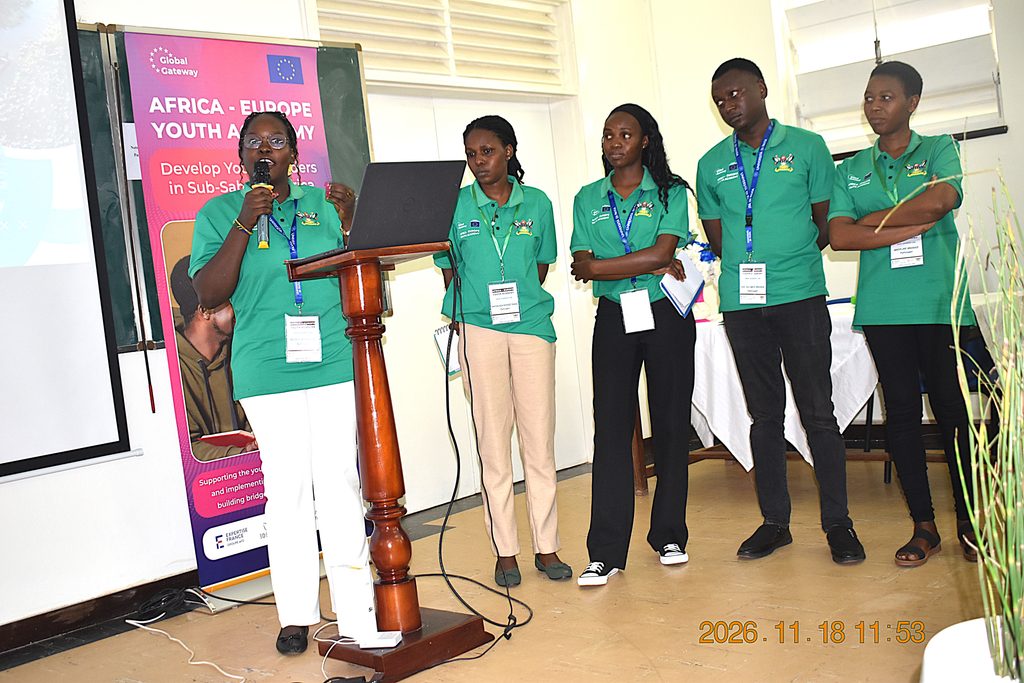
Green Hands proposed a youth-led waste-to-wealth initiative to address unemployment and poor waste management in Kisenyi, Kampala, through a community-based circular economy model.
The group identified inadequate waste collection, limited household waste sorting and the accumulation of solid waste in public spaces and drainage channels as major community challenges that could also provide opportunities for youth employment.
The initiative proposes mobilizing 30 young people, organized into two collection crews and two processing hubs, to collect, sort and transform waste into marketable products. Planned activities include household waste collection, plastic recycling, the production of briquettes from organic waste and crop residues, organic fertilizer production, and the development of plastic-sand paving materials and animal feed using black soldier fly larvae.
Households would play a central role in waste separation, with incentives for residents who sort their waste. The group proposed charging households UGX 5,000-10,000 per month for weekly collection services, offering reduced charges to households that separate their waste and free collection for the most vulnerable households.
The team also outlined an inclusion strategy targeting at least 15 young women among the 30 participants, alongside opportunities for young people with disabilities, refugees and informal waste pickers.
Over a proposed 12-month implementation period, the initiative targets service delivery to 1,200 households, with 60 per cent of participating households expected to sort waste correctly at collection points. It also projects processing 25 tonnes of waste monthly into useful products. The group noted that these targets would be validated through baseline assessments and implementation monitoring.
To establish and grow the enterprise, the team requested UGX 5 million in seed funding, partnerships with beverage manufacturers and Kampala Capital City Authority (KCCA), as well as mentorship support.
3. Youth Wave for Sustainable Development: Turning Water Hyacinth into an Economic Resource
Another proposal, Youth Wave for Sustainable Development, seeks to transform the nvasive water hyacinth affecting water bodies into an economic resource for young people in communities around Lake Victoria, particularly in Busoga and Mayuge.
The group highlighted how water hyacinth obstructs transportation and fishing activities, affects aquatic biodiversity, restricts access to clean water and creates breeding grounds for mosquitoes. It proposed establishing youth-led enterprises to harvest and process the weed into briquettes, bio-fertilizer, handicrafts and environmentally friendly paper packaging.
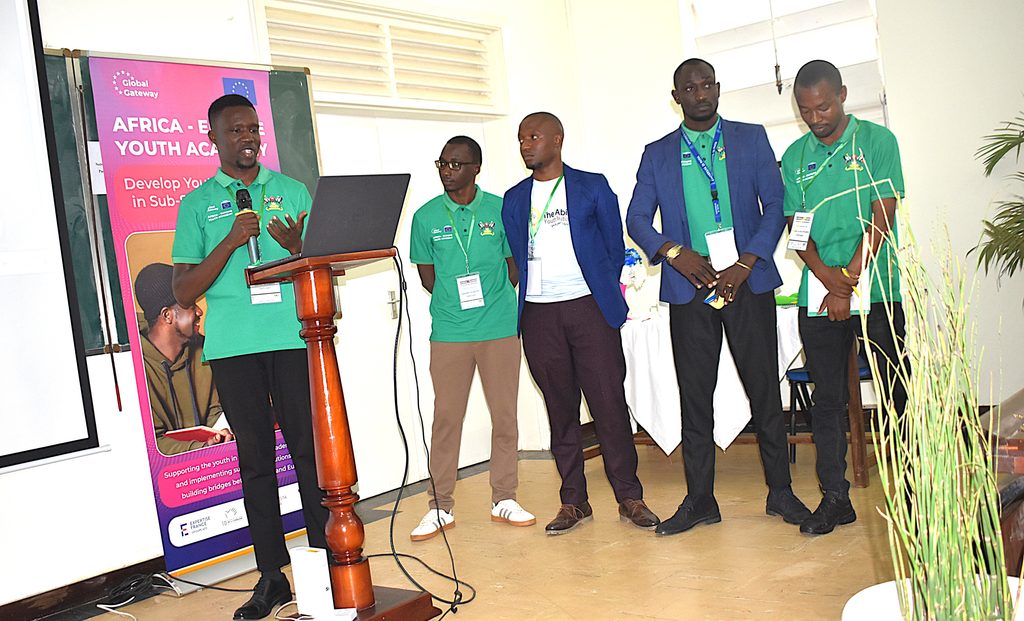
The model involves organizing 60 young people into four groups of 15, with a target of 65 per cent female participation and the inclusion of persons with disabilities. Participants would receive training in harvesting, processing, product development, financial literacy and business management.
The initiative also proposes marketing the products through community marketplaces, schools, hotels and online platforms. To strengthen financial sustainability, the group suggested allocating 60 per cent of dividends for distribution among members and retaining the remaining 40 per cent in Village Savings and Loan Associations (VSLAs).
By linking environmental restoration to enterprise development, the proposal seeks to create alternative income sources for young people while supporting fishing communities, promoting access to cleaner cooking energy and encouraging the productive use of an invasive plant species.
4. Green Bee: Linking Biodiversity Conservation to Enterprise Development
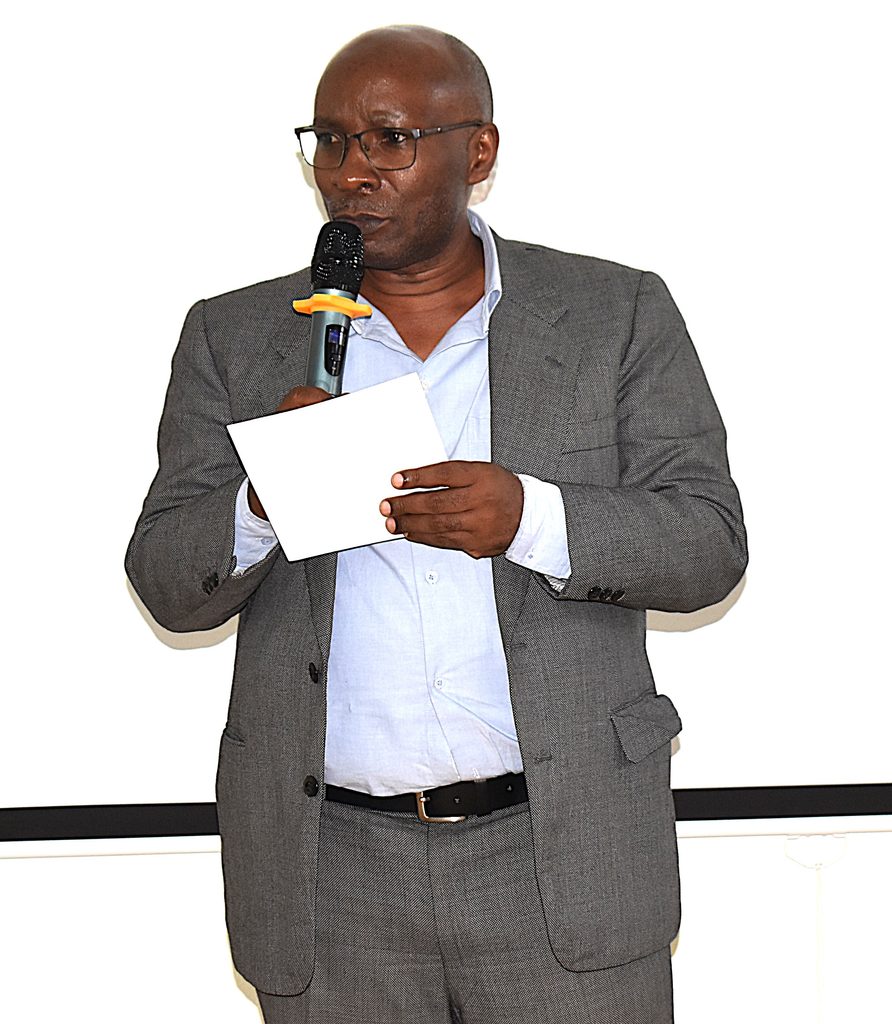
Green Bee is an integrated youth forestry and apiculture enterprise proposed for the Kadam and Pian Upe areas of Nakapiripirit District.
The group identified youth unemployment, food insecurity, deforestation and pressure on protected natural resources as interconnected challenges affecting communities in the area. It observed that limited livelihood opportunities contribute to unsustainable exploitation of forests and wildlife through activities such as charcoal production, wood harvesting and poaching.
To address these challenges, Green Bee proposes establishing youth-managed tree nurseries alongside apiary units, creating complementary income streams while supporting environmental conservation.
The tree nurseries would produce drought-tolerant seedlings for agroforestry, community planting and restoration initiatives, while the apiaries would generate marketable products, particularly honey and other bee-related products. Combining the two enterprises would provide income-generating opportunities as trees mature while encouraging young people to participate in protecting the natural environment.
The team requested UGX 6 million to support the purchase of beekeeping equipment, establishment of tree nurseries, youth training, product packaging, branding and market linkages.
The proposal targets the initial training of 30 young people in beekeeping, forestry, conservation and value addition, alongside the establishment of three tree nurseries and three apiary units. Through peer learning and skills transfer, the group also hopes to extend the benefits to young people in other communities.
The initiative illustrates how biodiversity conservation can be integrated into income-generating activities, particularly in communities where natural resources are under pressure and climate conditions constrain conventional agricultural livelihoods.
5. Kawempe Waste-to-Wealth: Harnessing Organic Waste for Sustainable Protein Production
Team Kawempe Waste-to-Wealth presented a proposal centred on black soldier fly (BSF) farming as an approach to addressing organic waste management and youth unemployment.
The group identified the large volumes of biodegradable waste generated in urban communities as an underutilized resource that could support the production of alternative animal feed and organic fertilizer.
The proposed model involves establishing a community-based production hub where young people would participate in collecting and sorting organic waste, rearing black soldier fly larvae, harvesting and processing the larvae, packaging products and marketing them to potential buyers.
The group identified fish farmers, poultry farmers, pig farmers and animal-feed manufacturers as potential markets for fresh larvae, dried larvae, insect meal and insect oil. The residue from the production process, known as frass, would also be processed and marketed as an organic soil amendment for crop farmers, gardeners and nurseries.
The team proposed beginning with a six-month pilot in Kawempe. The initial phase would involve community mobilization and identification of waste sources and potential buyers, followed by establishment of the production hub, controlled production, product processing and market testing.
At least 30 young people would participate in the pilot, gaining practical skills across the value chain, from waste collection and preparation to production, quality management, sales and digital marketing.
The group emphasized that the initiative goes beyond waste disposal by creating opportunities for productive employment, promoting sustainable resource utilization and providing alternative protein sources for animal feed.
Innovations Judged on Practicality and Potential for Impact
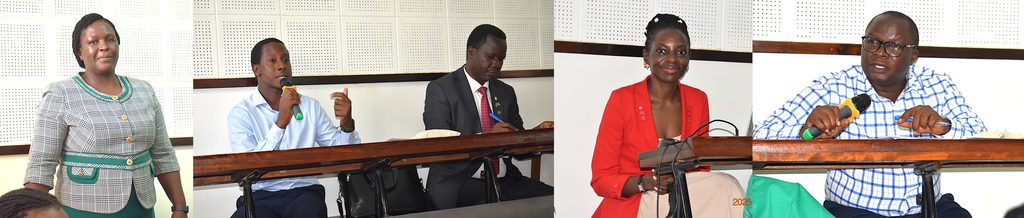
The presentations were evaluated by a panel of five judges with experience in entrepreneurship, digital innovation, business development and product development.
The panel included Ms. Patricia Kahill, a Ugandan digital marketing consultant, entrepreneur and author who has trained more than 10,000 people across Africa in digital marketing and communication. She is the founder of Kahill Insights, a digital content creation and marketing agency, and facilitated digital innovation sessions during the New Leaders Lab.
The other judges were Dr. Opul Joseph, a Lecturer at Gulu University and Director of its Kitgum Campus, who also leads initiatives focused on entrepreneurship, innovative skilling and youth empowerment; Mr. Aggrey Kulaba, a Monitoring, Evaluation and Product Development Officer at Makerere University Innovation Pod (UniPod), who supports innovators in transforming ideas into user-centred, market-ready products and enterprises; Dr. Godfrey Kawooya Kubiriza, Head of the Department of Zoology, Entomology and Fisheries Sciences at Makerere University; and Dr. Patience Tugume, a Senior Lecturer and Researcher in the Department of Plant Sciences, Microbiology and Biotechnology at Makerere University.
The judges assessed the proposals based on their relevance to community needs, income-generating potential, feasibility and long-term sustainability. Beyond evaluating the initial concepts, they offered professional guidance on entrepreneurship, market development and product innovation, helping participants consider how to refine their ideas into viable products, services and enterprises.
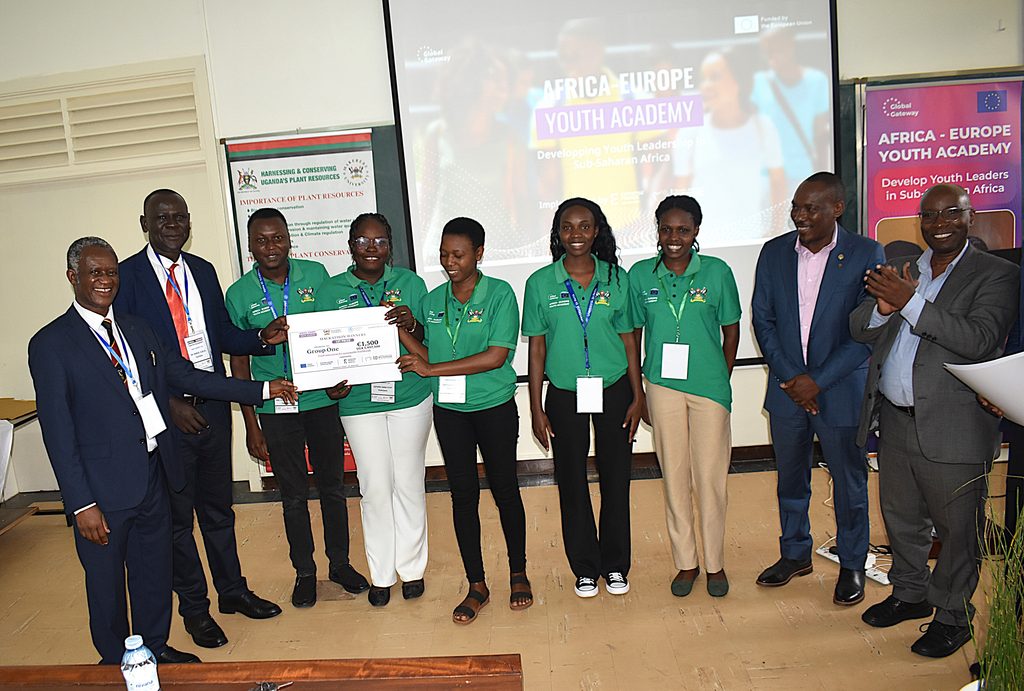
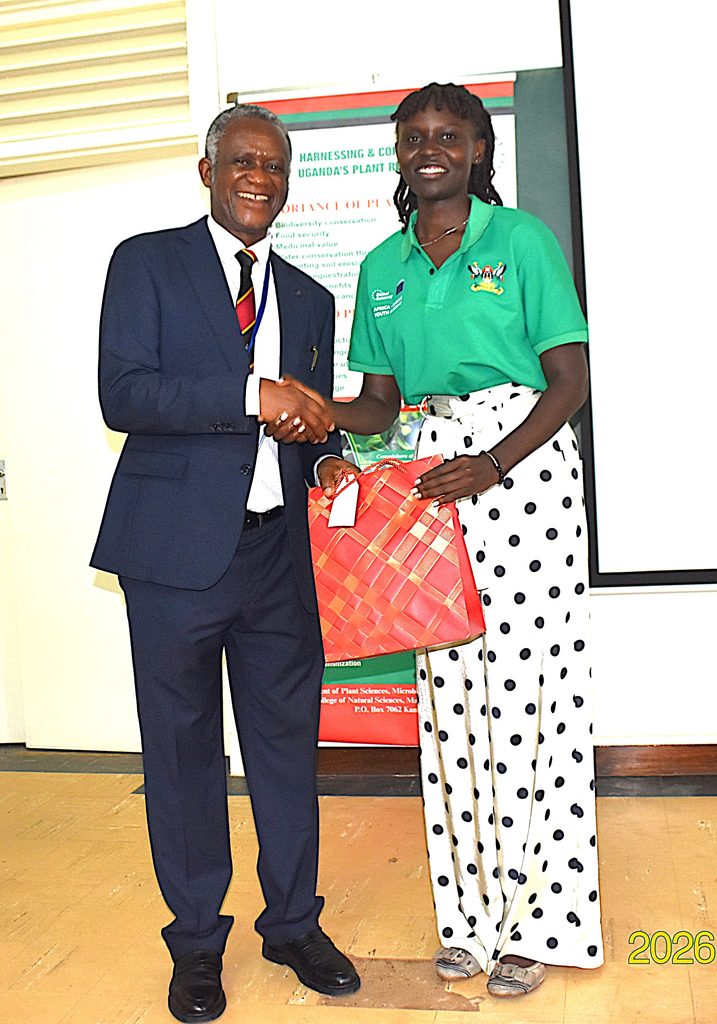
Youth Wave for Sustainable Development emerged as the overall winner, receiving €1,500 for its proposal to turn the invasive water hyacinth into an economic resource for young people in communities around Lake Victoria, particularly in Busoga and Mayuge.
Kawempe Waste-to-Wealth, which proposed black soldier fly farming to address organic waste management and youth unemployment, took second place, receiving €1,000. Nutri-Millet Flour came third, receiving €500.
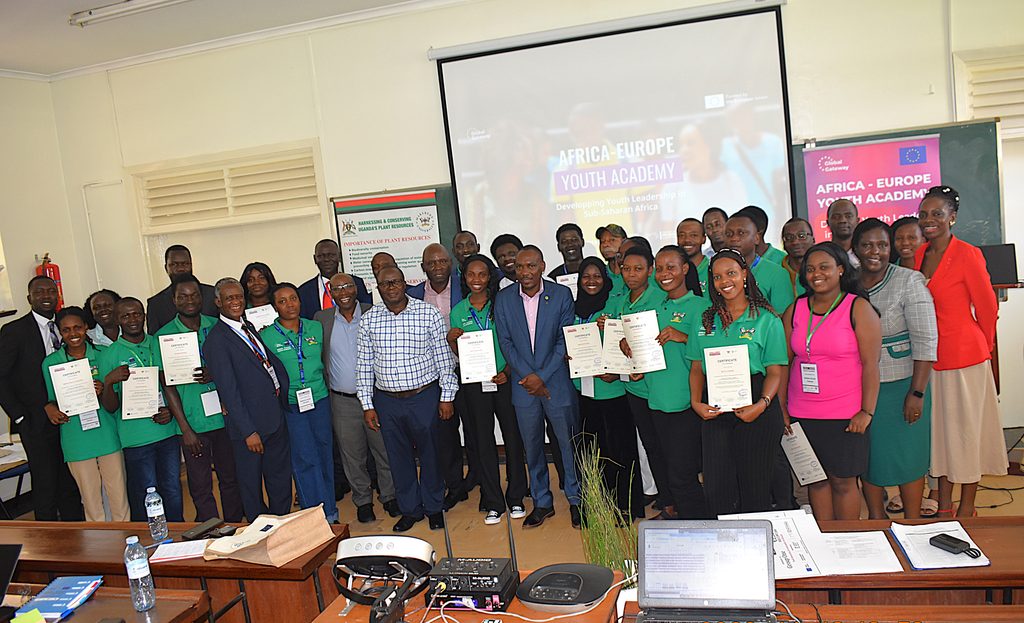
Green Bee, the youth forestry and apiculture enterprise proposed for Nakapiripirit District, and Green Hands Kisenyi, the community-based waste-to-wealth initiative targeting unemployment and poor waste management in Kampala, emerged as the fourth and fifth runners-up. Both received gifts in recognition of their participation, while all participants were awarded certificates.
CoNAS Principal Commends Youth-Led Solutions
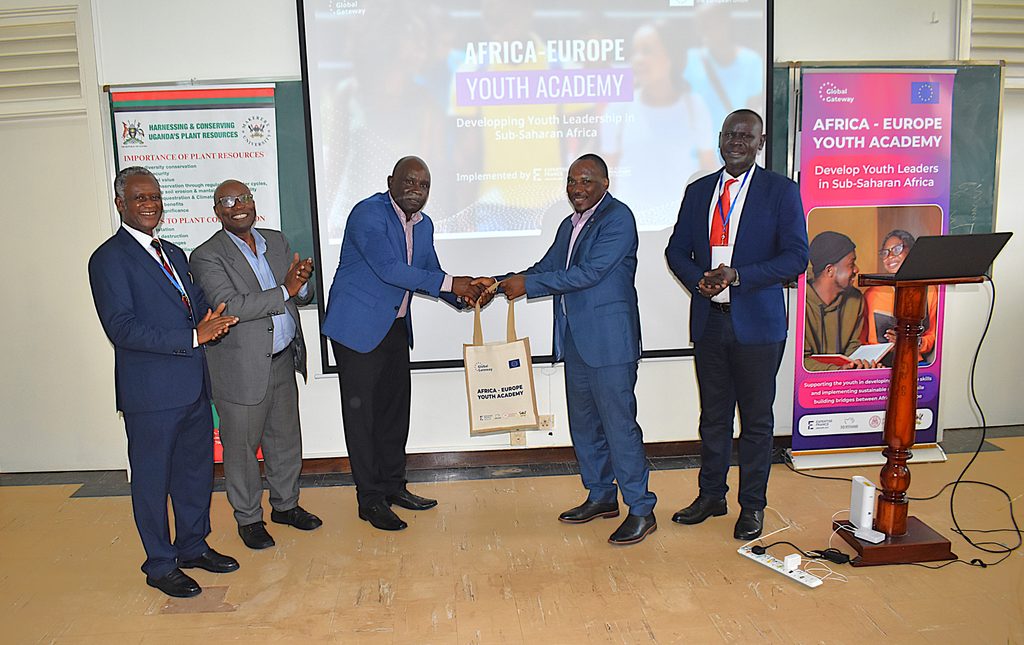
Addressing participants at the closing ceremony, the Principal of the College of Natural Sciences (CoNAS), Prof. Winston Tumps Ireeta, congratulated the 26 participants who completed the programme for their commitment.
He noted that while young people possess knowledge, skills and ambition, translating these strengths into sustainable livelihoods requires access to opportunities, sound planning and continued support.
“For the College of Natural Sciences, this connection between knowledge and practical action is central to our purpose. Plant sciences, biotechnology, ecology and other disciplines can contribute to enterprises that generate income, improve lives and conserve biodiversity,” he said.
Prof. Ireeta encouraged the young innovators to return to their respective communities, engage the people they seek to serve and test their ideas before scaling up their enterprises.
He further emphasized the importance of measuring the impact of their interventions by assessing improvements in household incomes, benefits to vulnerable groups and the long-term sustainability of proposed activities beyond initial funding.
Congratulating the winning teams, he observed that the awards provided an opportunity to advance their proposals. He also urged all participants to maintain the relationships and collaborative networks established during the programme.
Prof. Ireeta appreciated the funders, project team, partner institutions, facilitators, tutors and members of the jury for their contributions to the successful delivery of the first New Leaders Lab.
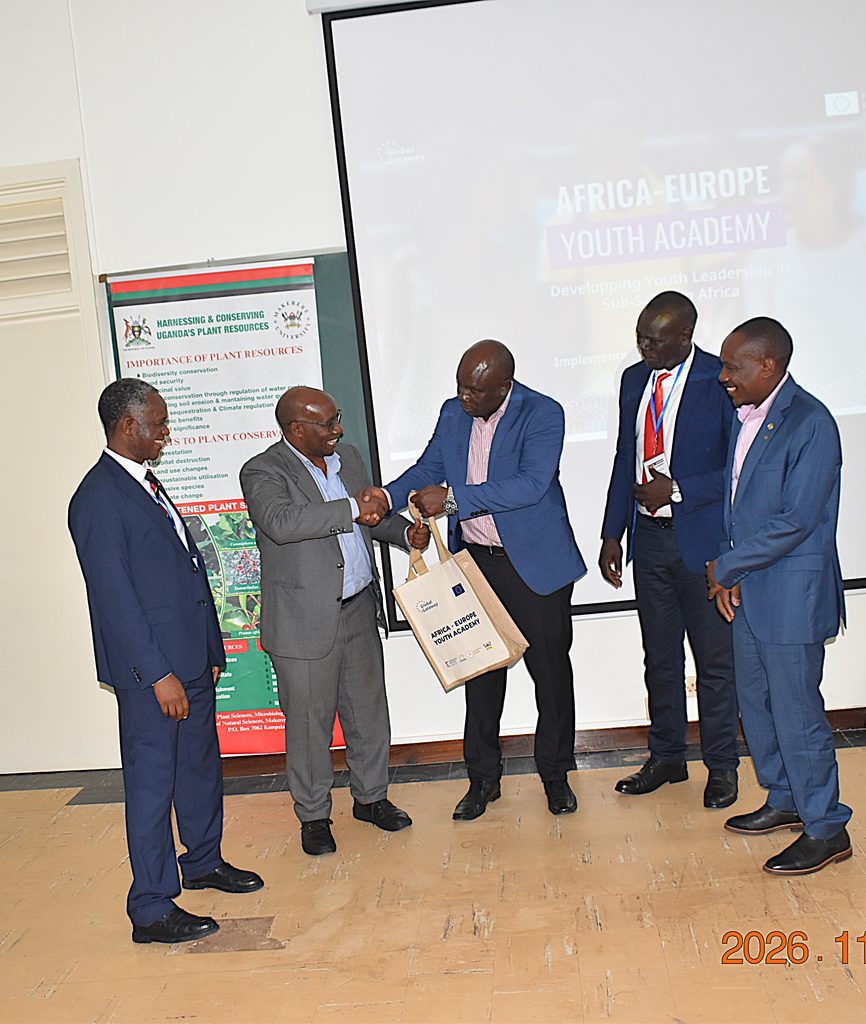
Remarks by the Dean, School of Biosciences
In his remarks, the Dean of the School of Biosciences, Prof. Arthur Tugume, thanked the programme coordinators, facilitators and funding partners for providing the resources and support needed to equip young people with leadership, innovation and entrepreneurship skills.
He commended the participants for their creativity, active engagement and commitment to developing solutions to challenges affecting their communities. He also appreciated the College leadership for providing a conducive environment for the programme.
Prof. Tugume observed that meaningful transformation begins with ideation but depends on the ability to translate ideas into practical solutions. He encouraged participants to build on the concepts developed during the programme, take advantage of available opportunities and pursue implementation to establish viable initiatives that address community needs and generate lasting impact.
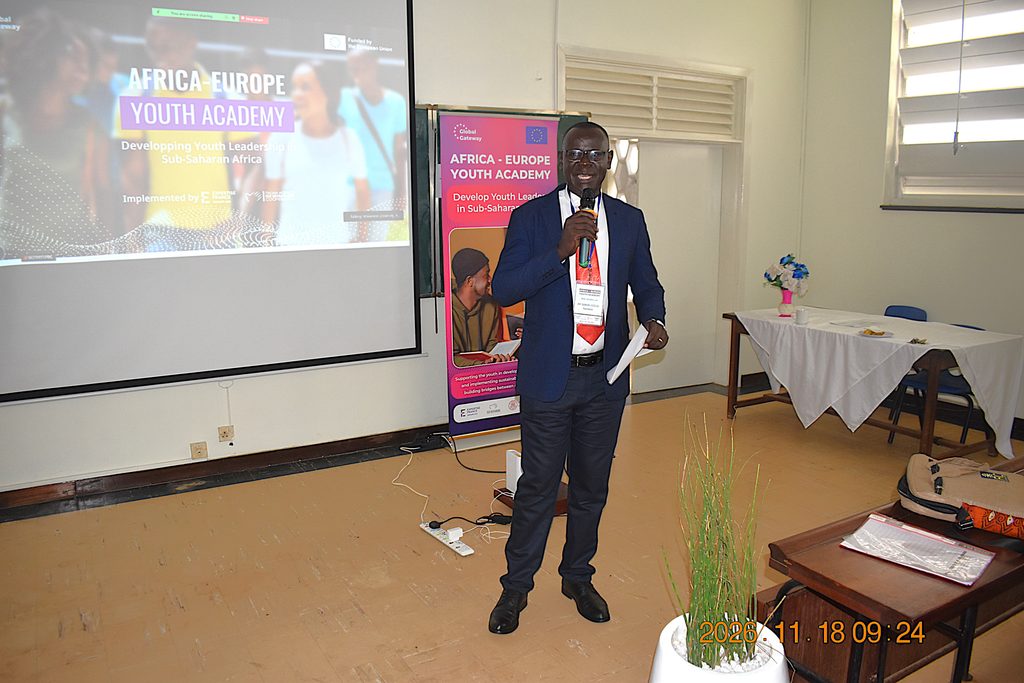
Appreciation by the PI
On behalf of the project team, Dr Jamil Ssenku appreciated the funding partners for their support, noting that their contribution had made the programme possible. He particularly commended Prof. Carola Ricci and the team from the University of Pavia for their invaluable guidance and contribution to the initiative’s successful implementation. He also recognized Dr Samuel Ojelel for his commitment and coordination, as well as Prof. James Kalema for his leadership and support.
Dr Ssenku congratulated the participants on completing the programme, noting that although 30 had enrolled, 26 remained committed to the end. He observed that the training had equipped them with knowledge, skills and insights to contribute meaningfully to national development through innovative, community-driven solutions.
He encouraged the participants to sustain the networks established during the programme by forming collaborative teams, developing project proposals and pursuing grant opportunities. He further challenged them to translate their ideas into viable enterprises that create employment and improve livelihoods, while serving as ambassadors of Makerere University and the Africa-Europe Youth Academy.
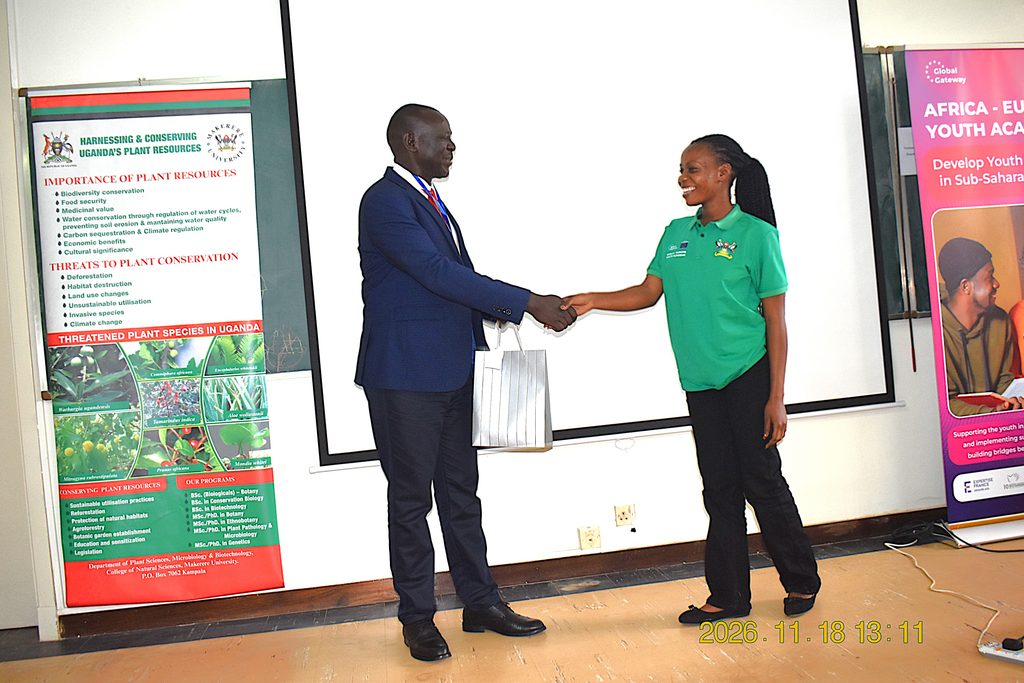
Speaking virtually, Prof. Carola Ricci of the University of Pavia, one of the initiative’s partner institutions, congratulated the participants and project coordinator on the successful implementation of the programme. Describing the experience as enriching, she encouraged the young leaders to apply the knowledge and skills acquired to develop innovative responses to community challenges. She also urged them to maintain the networks and relationships established during the programme, emphasizing the importance of continued collaboration and knowledge exchange in advancing their ideas.
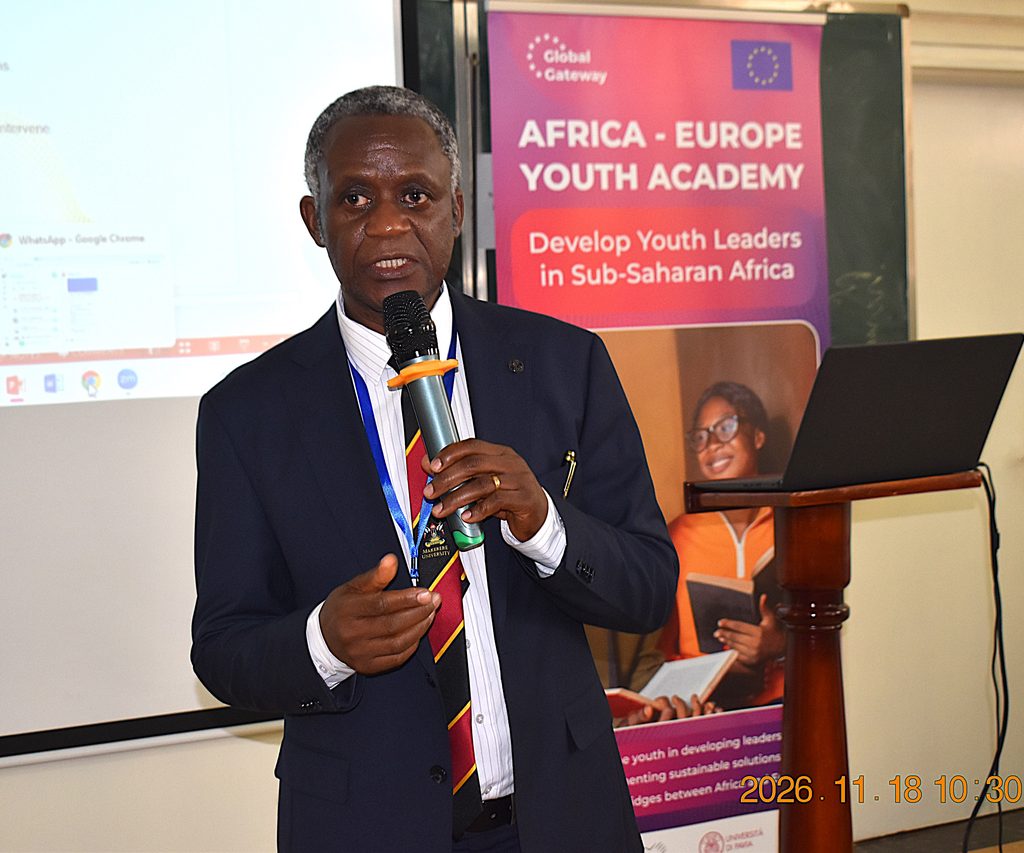
The closing activity also featured presentations by Assistant Professor Carlos Vegas of the University of Coimbra, Portugal, on the application of robotics and artificial intelligence (AI) in firefighting, and Prof. Mircea Păduraru of the University of Iași, Romania, who shared insights from his anthropological work.
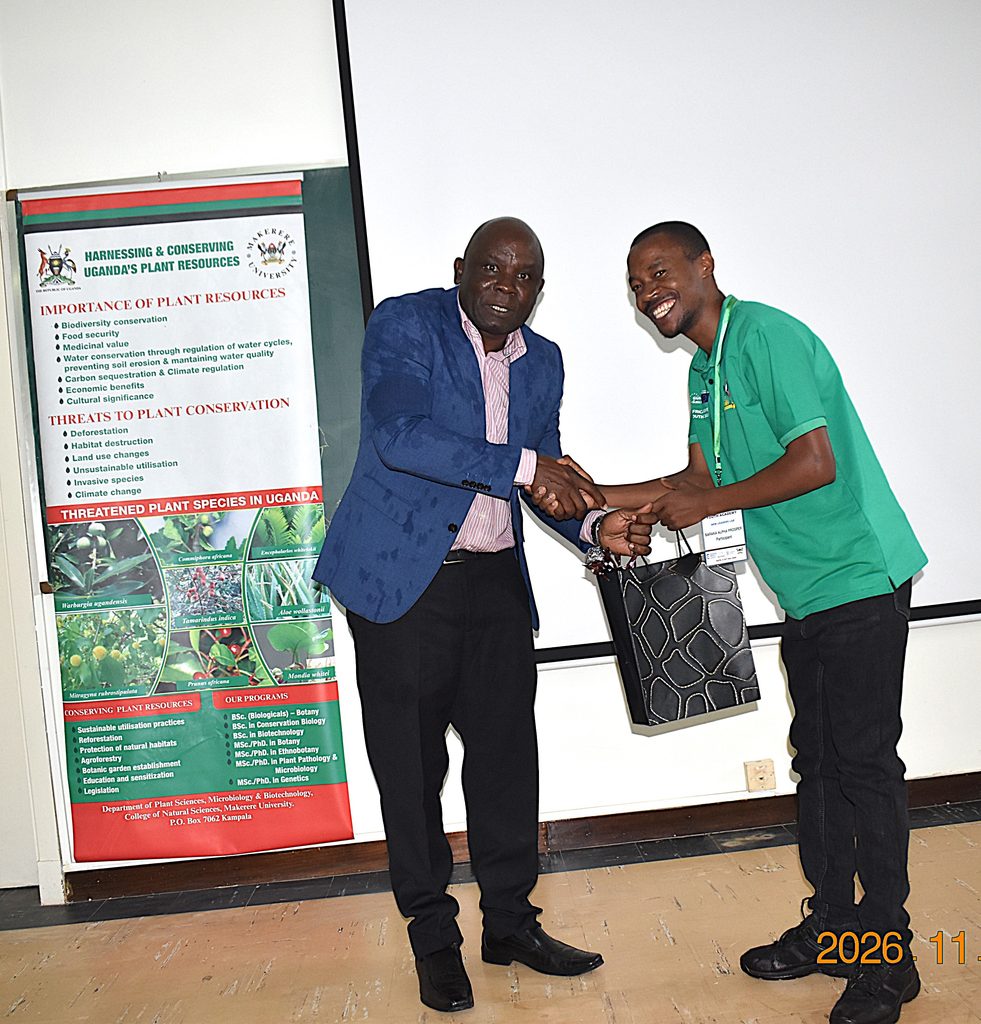
Strengthening Africa-Europe Collaboration in Youth Development
The Africa-Europe Youth Academy is funded by the European Union under the Global Gateway Africa-Europe Investment Package and implemented by the Italian Agency for Development Cooperation (AICS Kampala) and Expertise France, in partnership with the University of Pavia, University of Turin, European University Institute and Makerere University.
The New Leaders Lab was designed to strengthen young people’s leadership, active citizenship and social innovation skills, with particular emphasis on biodiversity, food systems, livelihoods and sustainable development.
During the programme, participants received training and mentorship from experts at Makerere University and partner institutions in areas including biodiversity conservation, climate-smart agriculture, sustainable food systems, entrepreneurship, digital marketing and community-based innovation.
The training also incorporated practical learning experiences and field engagements to help participants understand how scientific knowledge, indigenous practices and locally available resources can support sustainable livelihoods.
Speaking during the earlier launch of the programme, Dr Samuel Ojelel, the AEYA Project Manager, emphasized the importance of equipping young people to take leadership in addressing development challenges.
Participants Pledge to Translate Ideas into Community Action
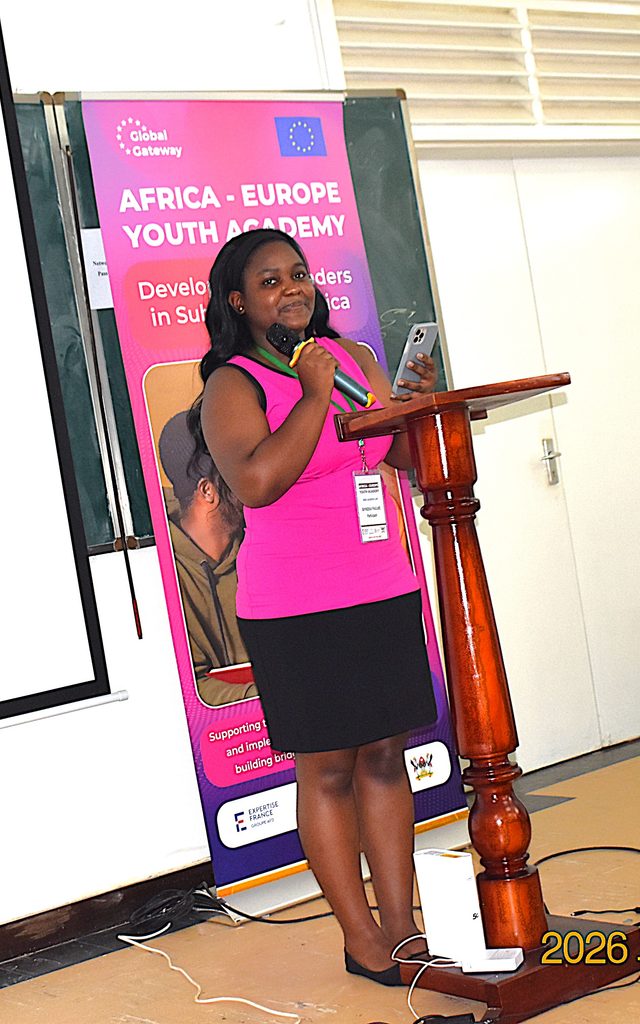
In a vote of thanks on behalf of the participants, Ms. Pauline Biyinzika expressed gratitude to the European Union, implementing partners, Makerere University, the University of Pavia, facilitators and organizing team for providing the opportunity.
She observed that the two-week experience had enabled participants to appreciate the interconnectedness of biodiversity, food, health and livelihoods while building relationships with fellow young leaders.
She encouraged her colleagues to maintain the networks established during the programme and translate their proposed projects into practical interventions within their respective communities.
Link to the event pictorial: https://drive.google.com/drive/folders/1WAcvhGiAqhuZzjxkui4ET-ImrD_rl9jK?usp=sharing
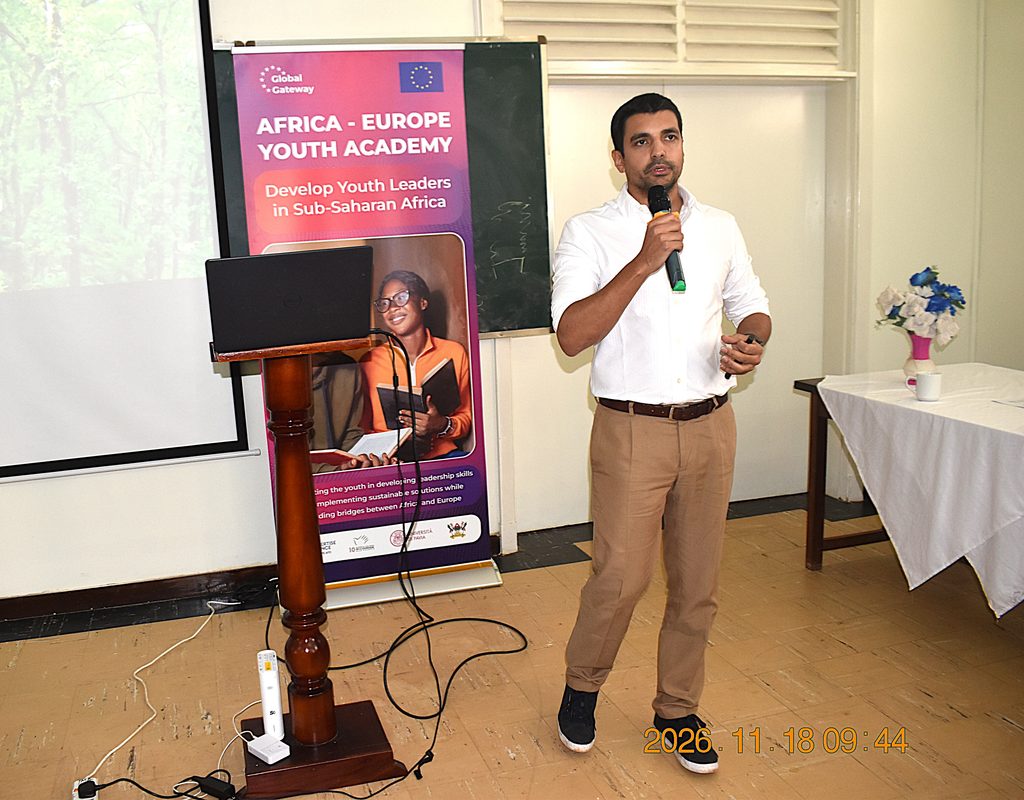
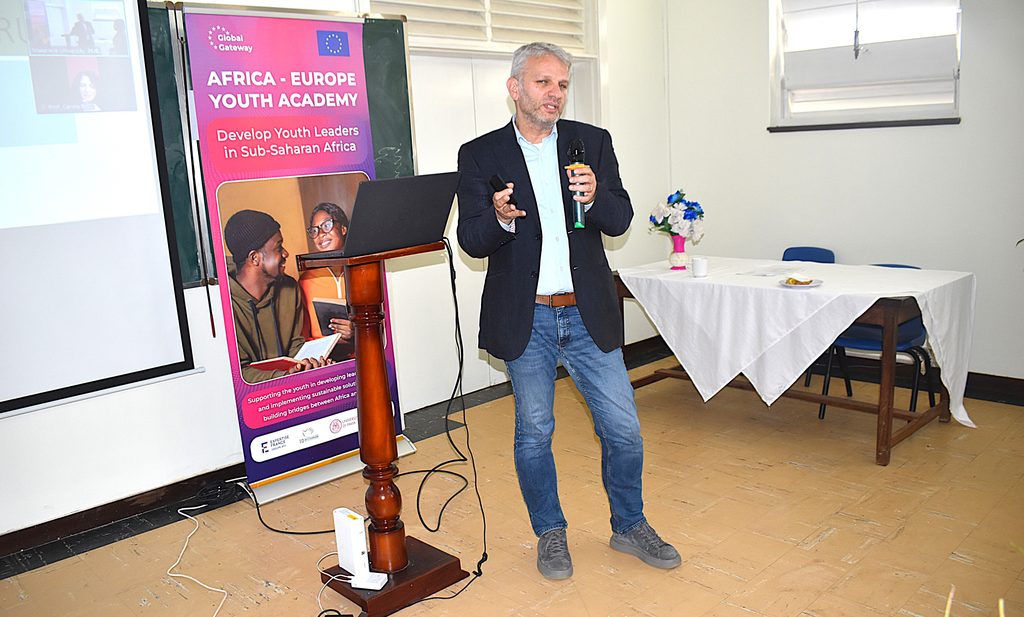
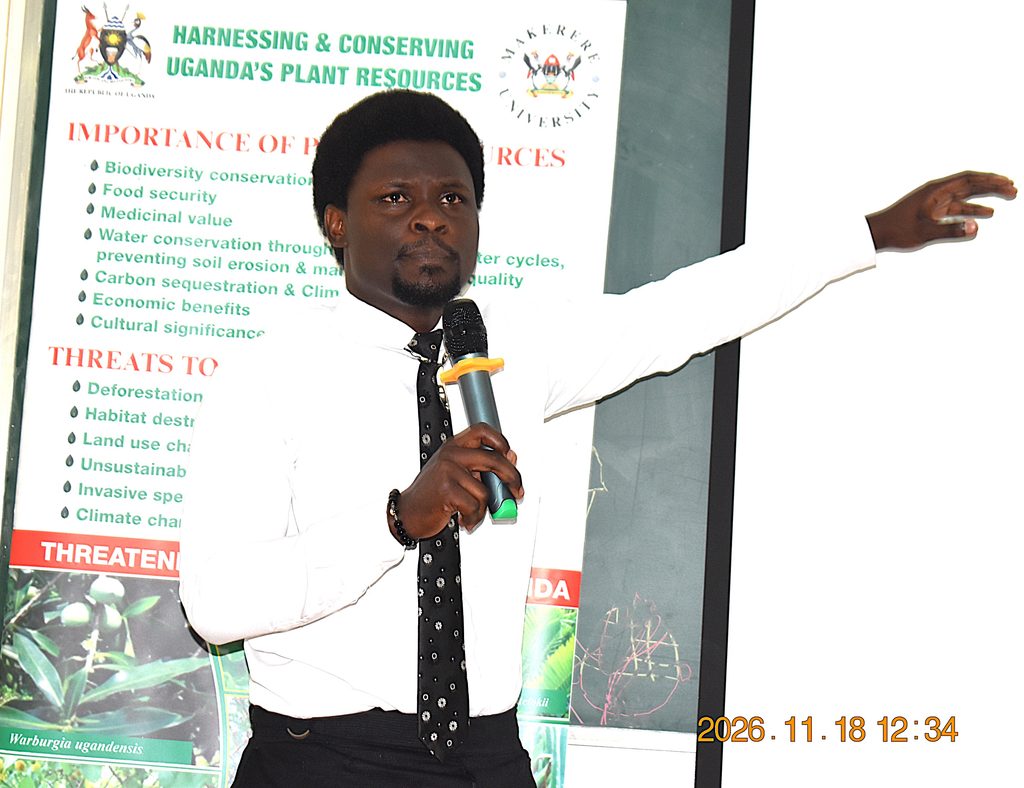
Prof. Mircea Păduraru of the University of Iași, Romania, shared insights from his anthropological work
More about the Africa-Europe Youth Academy (AEYA) New Leaders Lab: https://cns.mak.ac.ug/makerere-hosts-africa-europe-youth-academy-on-biodiversity-sustainable-development/