pr.cns@mak.ac.ug

Makerere University to Revamp Geology Curricula to Bridge Critical Skills Gap in Uganda’s Mineral Sector

*****The initiative is being implemented under the Sustainable Development of the Mineral Sector in Uganda (SDMU) programme, funded by the Government of the Federal Republic of Germany and the European Union through the Deutsche Gesellschaft für Internationale Zusammenarbeit (GIZ), in partnership with Uganda’s Ministry of Energy and Mineral Development (MEMD).
Skills Shortage in Uganda’s Mining Sector
Despite Uganda possessing an estimated US$6.8 billion worth of undeveloped mineral resources, the country’s mining industry continues to grapple with a critical shortage of skilled professionals, forcing many companies to recruit foreign expertise while leaving locally trained graduates struggling to secure employment.
The mismatch between industry demands and existing geology training has emerged as one of the biggest obstacles to unlocking the full potential of Uganda’s mineral wealth. Employer surveys indicate that 78 percent of the mining companies face difficulties recruiting geologists trained locally, compelling many firms to rely on foreign professionals. At the same time, only 20 percent of geology graduates from Makerere University obtain sector-related employment within two years of graduation, pointing to significant gaps between university training and labour market needs.
Gaps in Training
The challenge extends beyond university graduates. Uganda’s mining industry is largely driven by artisanal and small-scale miners, who account for a significant proportion of the country’s gold production. However, many operators lack essential knowledge and practical skills in basic geology, mining and mineral processing, occupational health and safety, environmental management, and business development. Poor compliance with health, safety and environmental standards continues to affect productivity, sustainability and the overall growth of the sector.
The shortage of institutions offering specialized training in mineral prospecting, metallurgy, analytical chemistry and environmental studies has further constrained the development of a competent local workforce capable of supporting the country’s growing mining industry.
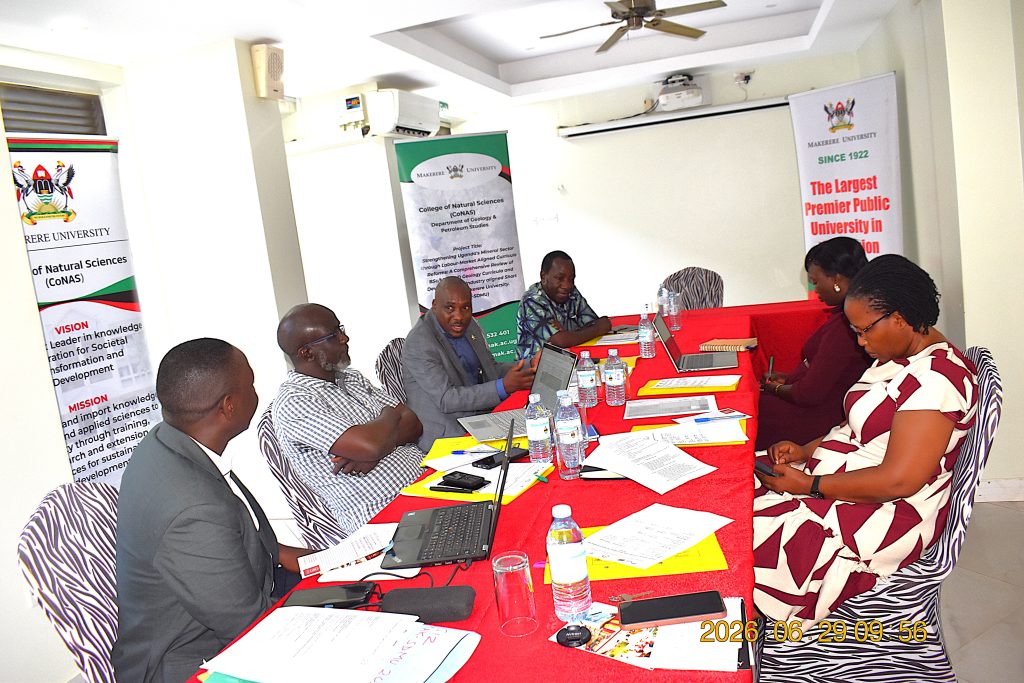
Curriculum Reform Initiative at Makerere University
It is against this backdrop that Makerere University, through its Department of Geology and Petroleum Studies, has launched a comprehensive project to reform geology education and strengthen Uganda’s human resource capacity for the mineral sector.
The project, titled “Strengthening Uganda’s Mineral Sector through Labour-Market Aligned Curricula Reforms: A Comprehensive Review of BSc/MSc/PhD Geology Curricula and Development of Industry-Aligned Short Courses at Makerere University (Mak-SDMU),” seeks to modernize geology training by aligning academic programmes with labour market demands, emerging technologies, national development priorities and international best practices.
It is being implemented under the Sustainable Development of the Mineral Sector in Uganda (SDMU) programme, funded by the Government of the Federal Republic of Germany and the European Union through the Deutsche Gesellschaft für Internationale Zusammenarbeit (GIZ), in partnership with Uganda’s Ministry of Energy and Mineral Development (MEMD).
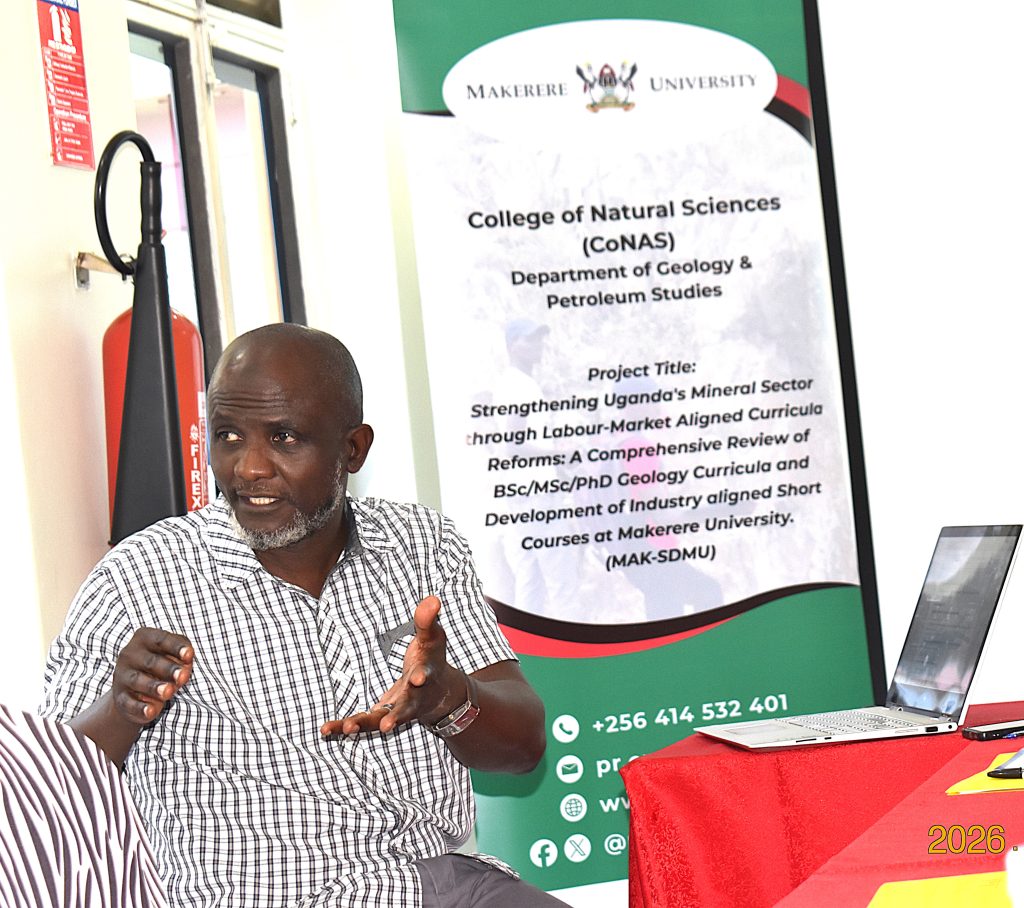
Inception Workshop
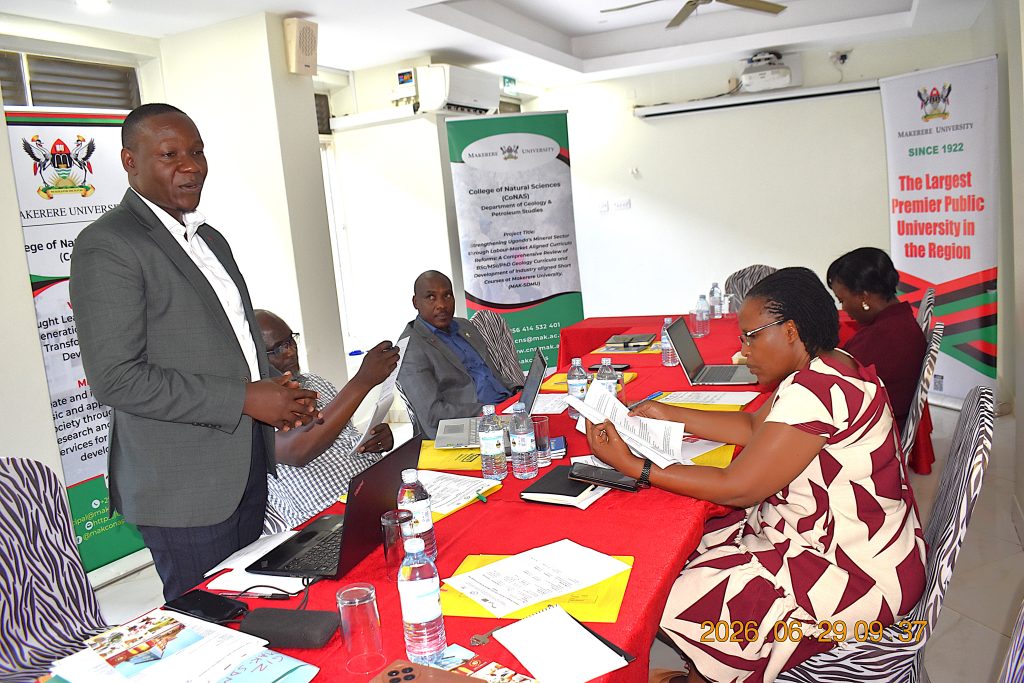
The initiative officially commenced with a three-day inception workshop held from 29th June to 1st July 2026 at Nyumbani Hotel in Kampala, where the project team developed a comprehensive implementation work plan. Over the next eight months, Makerere University will also engage qualified Geoscience Consultants to provide technical guidance throughout the curriculum review and development process.
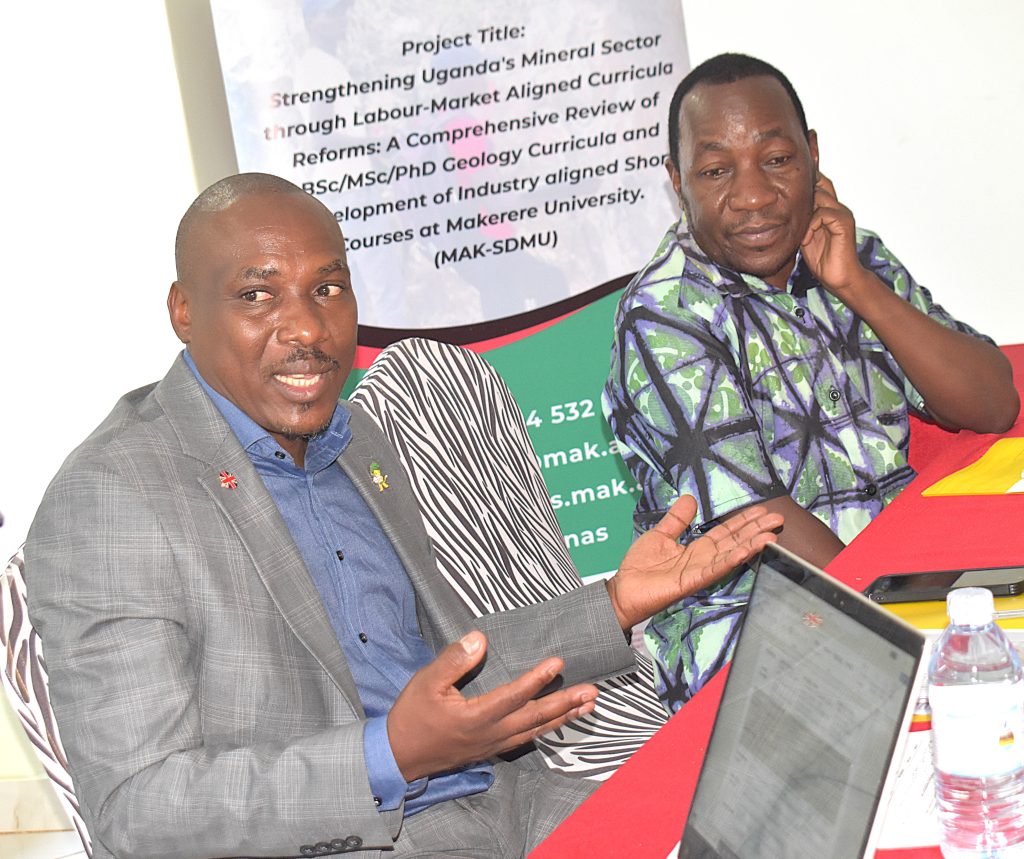
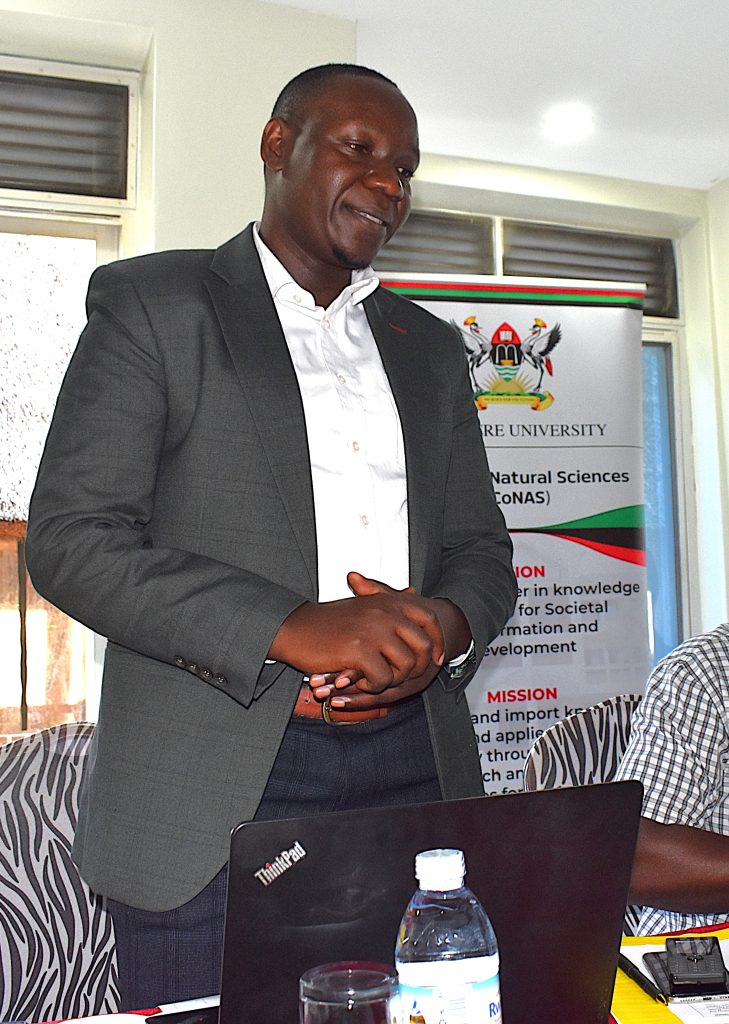
Addressing the project team, the Principal of the College of Natural Sciences (CoNAS), Prof. Winston Tumps Ireeta emphasized the need to align all curricula with the principles of competence-based training.
Focus on Labour-market Aligned Training
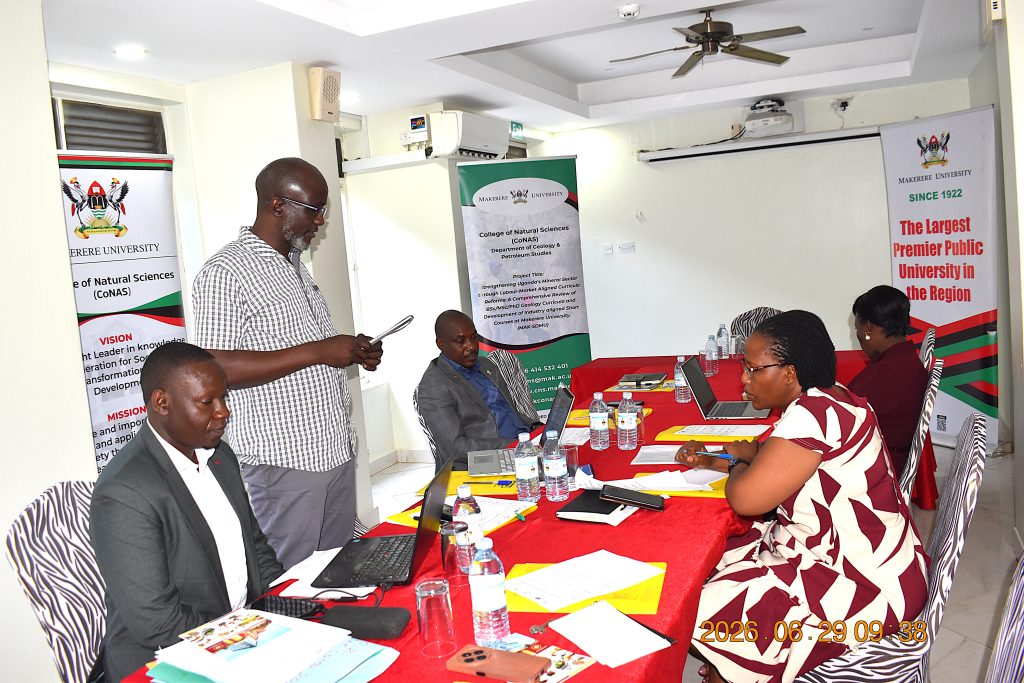
According to the Project Coordinator, Dr Denis Mutebi, the reform will involve a comprehensive assessment of the Bachelor of Science, Master of Science, and PhD programmes in Geology. “Working closely with mining companies, regulatory institutions, and artisanal mining associations, we will map workforce competencies, identify emerging industry skill requirements, analyze existing skills gaps, and benchmark our curricula against international standards.”
Shift Toward Practical-based Learning
One of the major reforms proposed is the restructuring of the programmes to emphasize practical learning. The revised curricula will consist of 30 percent theory, 50 percent practical training, and 20 percent fieldwork, while the PhD programme will be transformed into a taught-research model to better prepare graduates for industry and advanced research.
Industry-focused Short Courses
Beyond degree programmes, the Department will develop a series of industry-responsive short courses aimed at upgrading the skills of professionals already working across Uganda’s mineral value chain. The courses are expected to benefit between 150 and 200 environmental officers, artisanal and small-scale miners, mineral processors and other practitioners.
The proposed short courses will cover Fundamentals of Mineral Processing, Mineral Ore Size Reduction and Classification, Ore Beneficiation Techniques, Mineral Value Addition Techniques, Mineral Policy, Governance and Economics, and Health, Safety and Environmental (HSE) Practices in Mining and Processing.
Laboratory Upgrades and Capacity Building
Funding under the project will also support the upgrading of geology laboratories at Makerere University to enhance practical training, research and innovation.
In addition to reviewing curricula against global standards and conducting industry surveys, the project will embed critical competencies that are currently underrepresented, including mineral development, value addition, environmental stewardship and health and safety management. The project team believes the reforms could provide a model for curriculum transformation in other resource-rich African countries.
Expected Impact
Ultimately, the initiative is expected to improve graduate employability, reduce the mining industry’s dependence on foreign professionals and strengthen the capacity of Uganda’s existing workforce. By producing highly skilled geoscientists and upgrading the competencies of current practitioners, the reforms are expected to contribute significantly to sustainable mineral-led industrialization and economic transformation.
Project Team
- Dr. Denis Mutebi – Project Coordinator
- Prof. Winston Tumps Ireeta – Compliance Lead
- Dr Arthur Batte – Data Analyst, Monitoring and Evaluation, and Quality Assurance Lead
- Dr. Ivan Ssewanyaga Mukiibi – Mining Industry Liaison and Skills Mapping Lead
- Dr John Mary Kiberu – Accreditation, Programmes, and Logistics Lead
- Dr Joan Nakajigo – Communication and Reporting Lead
- Ms. Claire Birungi – Project Accountant