pr.cns@mak.ac.ug

Makerere University Herbarium (MHU): Uganda’s Leading Botanical Research and Conservation Hub

Compiled by Dr. Mary Namaganda, Principal Herbarium Curator
Background
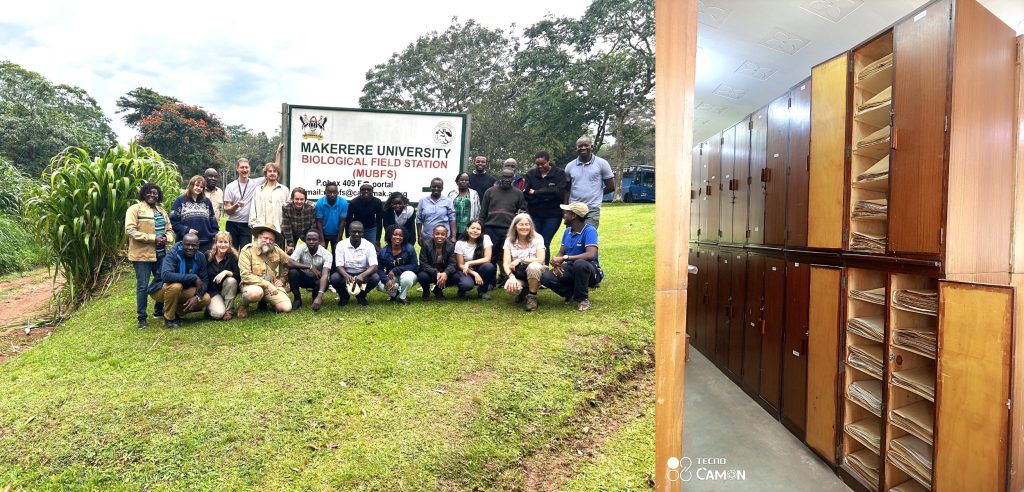
Makerere University Herbarium (MHU) and its associated Botanic Garden are facilities within the Department of Plant Sciences, Microbiology and Biotechnology (PMB), School of Biosciences, College of Natural Sciences (CoNAS). These facilities were started in 1946 to serve the critical role of supporting teaching and research in the then Department of Botany, the whole University, and beyond. MHU grew over the years with specimen collection by academic and other staff, students and senior researchers from various government organizations. In addition, specimens from other herbaria in the country have been transferred to MHU – in 1984, 10,000 specimens from the Forest Herbarium in Entebbe; and in 2001, over 500 specimens from the European Community Natural Forest Management and Conservation Project of the then Forest Department. MHU now comprises of about 100,000 specimens, making it the biggest and most important collection of plant specimens in Uganda and, thus, is the de facto national herbarium.
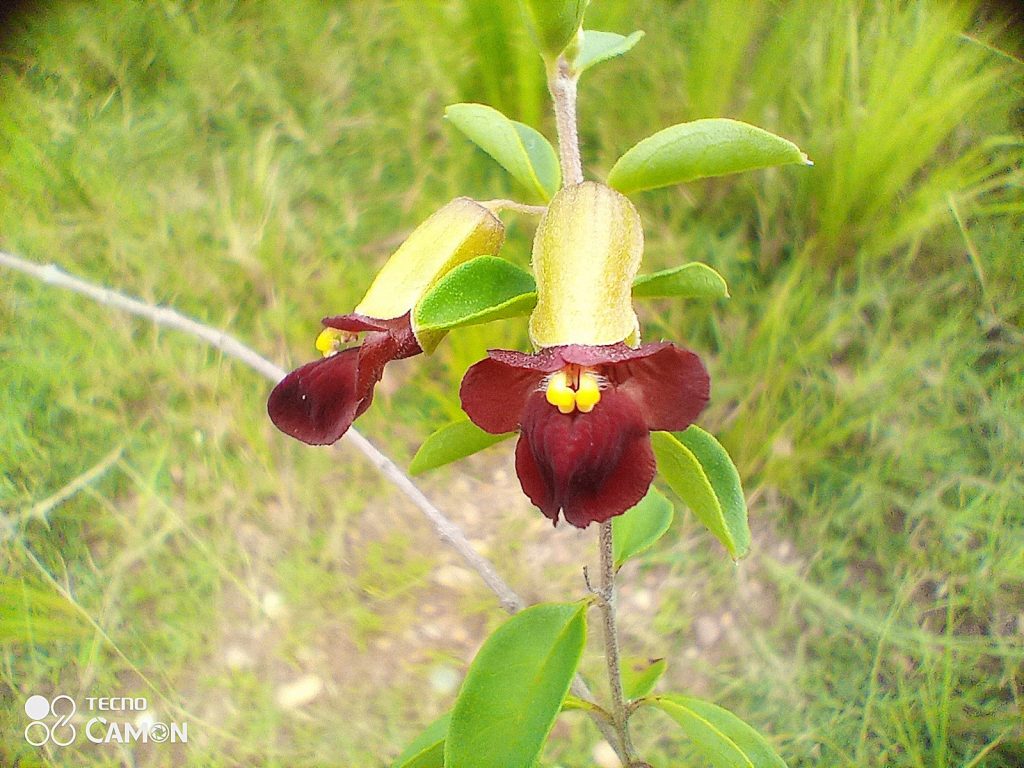
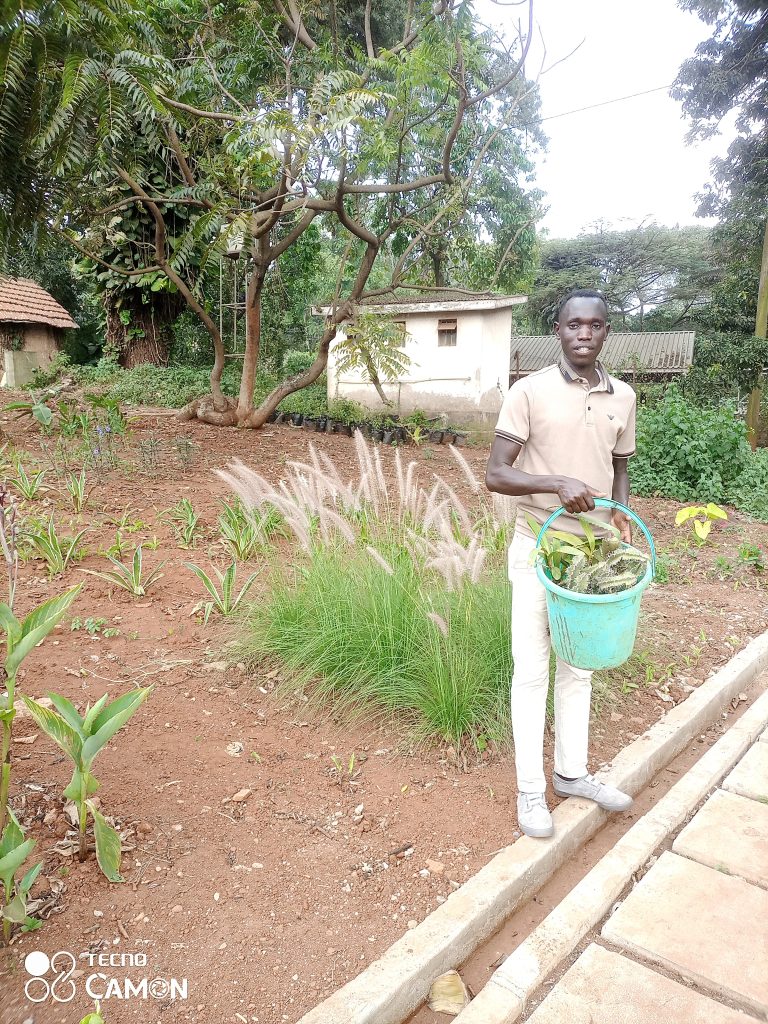
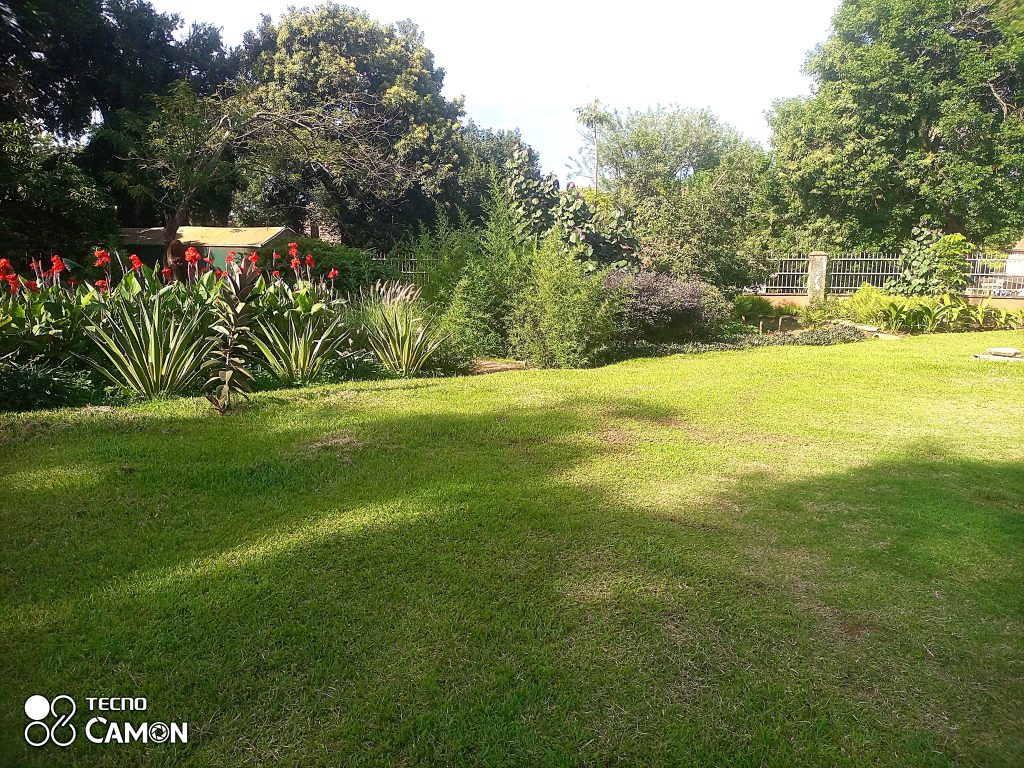
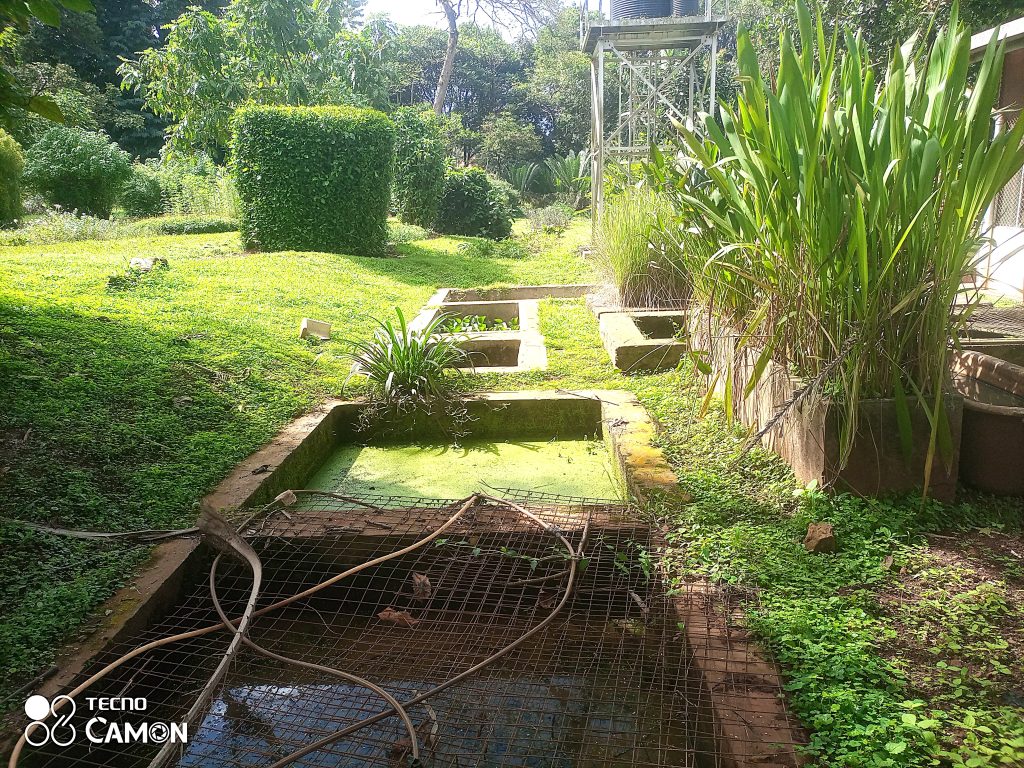
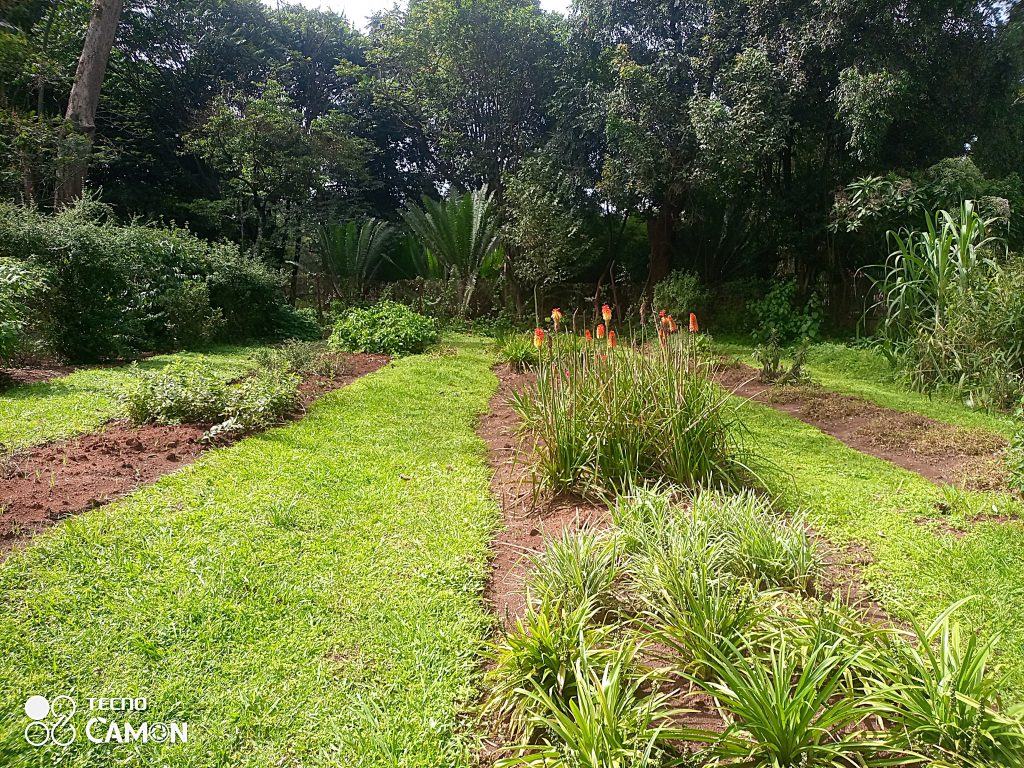
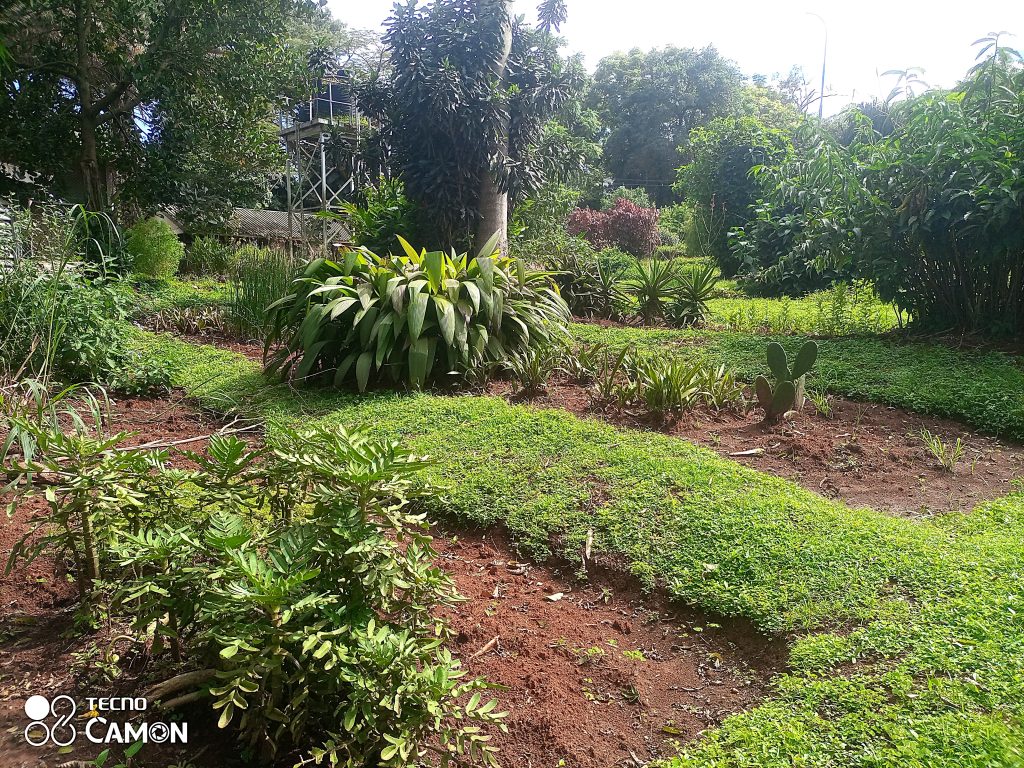
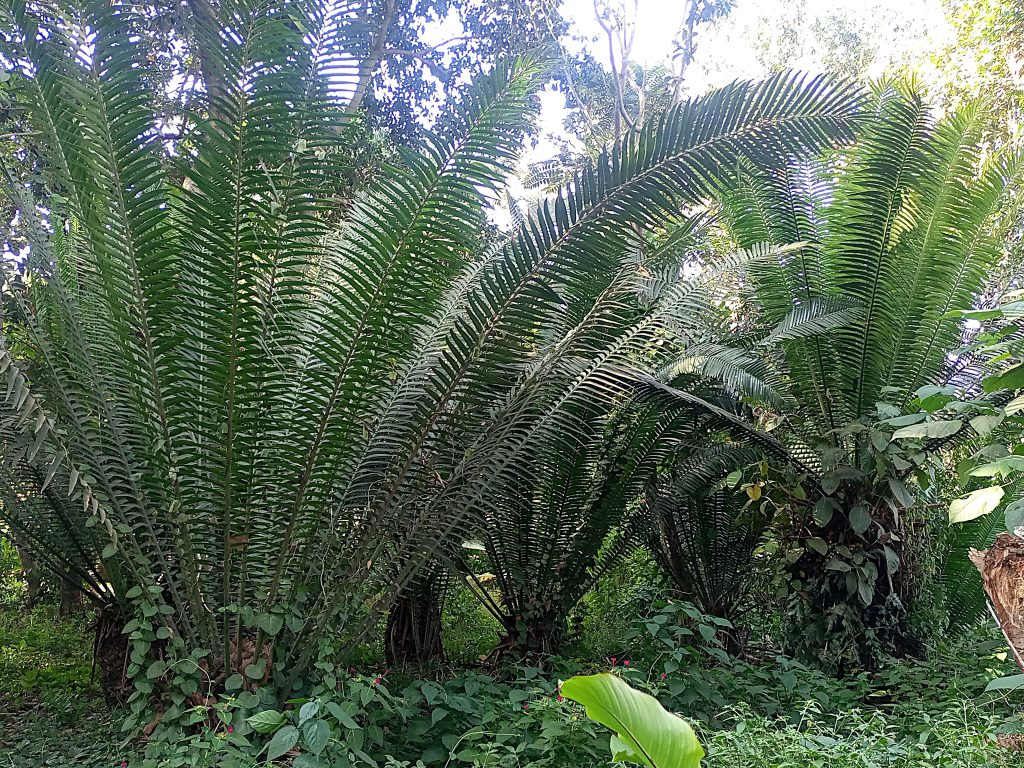
The Makerere University Botanic Garden represents some rare species introduced over the years, hence contributing to the conservation of Uganda’s flora. It also has a variety of plants used to demonstrate both morphological and ecological diversity, teach plant family characters and affinities, and provide materials for practical classes and research. A small section of the garden is set aside for experimental research, studying some economic and taxonomically interesting plants by staff and students.
Services and Partnerships
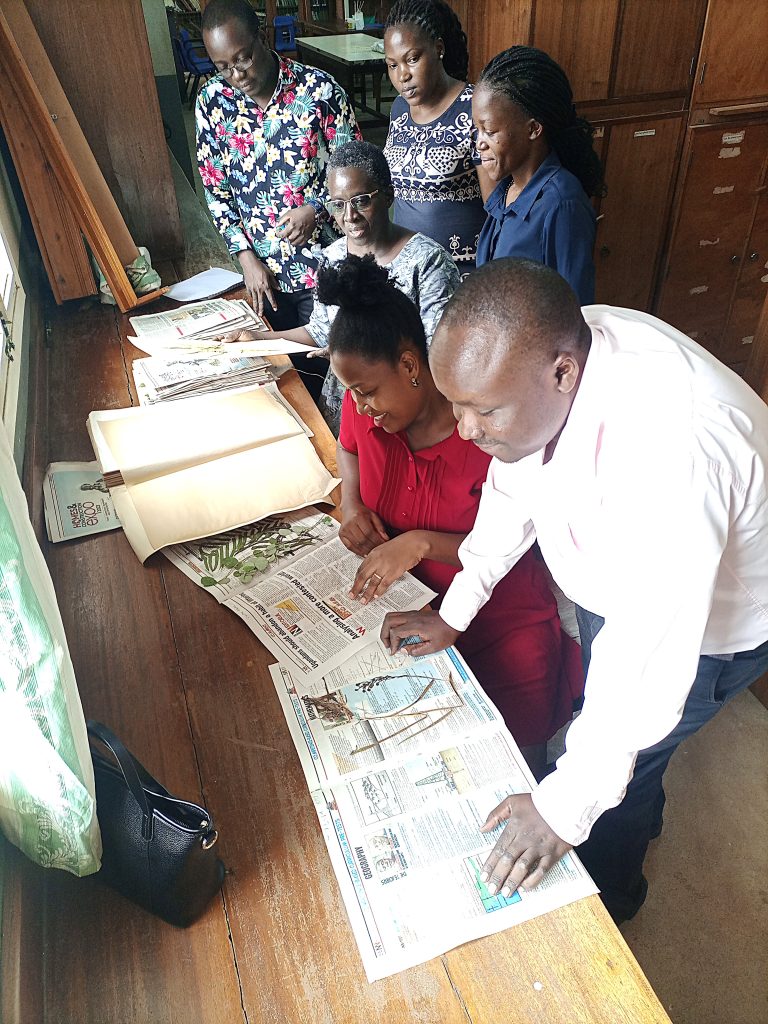
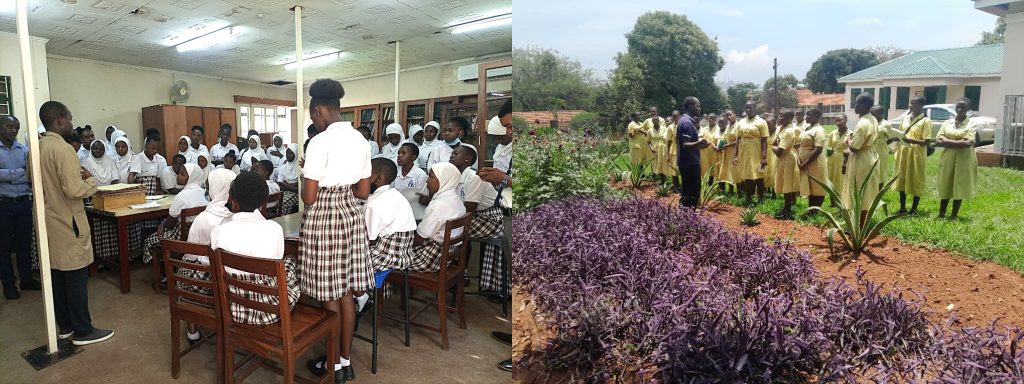
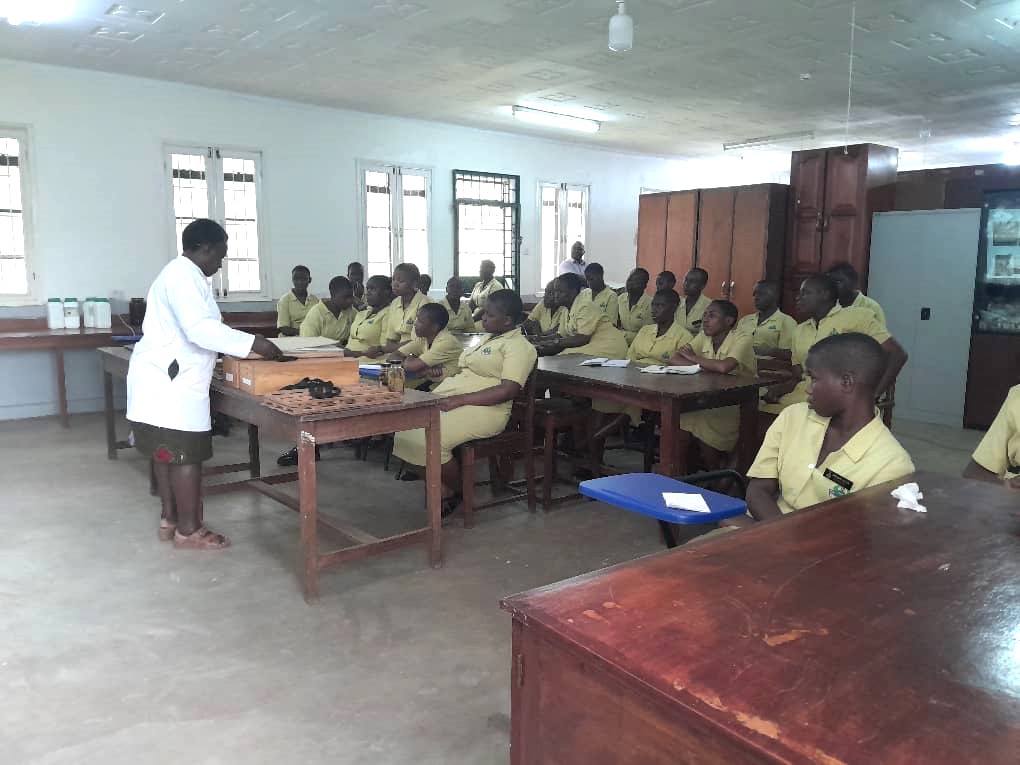
Students of biology-oriented disciplines take field attachment at the herbarium under the supervision of the curators. The herbarium collaborates with other institutions, public and private, through providing short lectures on field techniques and herbarium management, hosting their students on field attachment, identifying plants and providing other plant related information. The herbarium also serves the general public (non-professional population) by providing information such as common names, growth requirements, and distribution. Users of this category include traditional herbalists, natural product developers, farmers, school groups, among others.
MHU has close working relationships with other herbaria around the world including; the East African Herbarium (EA, National Museums of Kenya), Royal Botanic Gardens, Kew (K), Oslo Herbarium (O, University of Oslo), among others. These have supported teaching, graduate supervision, training and capacity building as well as exchange of plant taxonomic expertise, and plant specimens and data. Together with the Natural History Museum of the University of Oslo, the herbarium has conducted courses in Plant Conservation (2022 – 2025). The Makerere University Herbarium serves as the national herbarium and is of international repute in terms of botanical research, training, housing of collections and provision of reference material for research.
Staffing
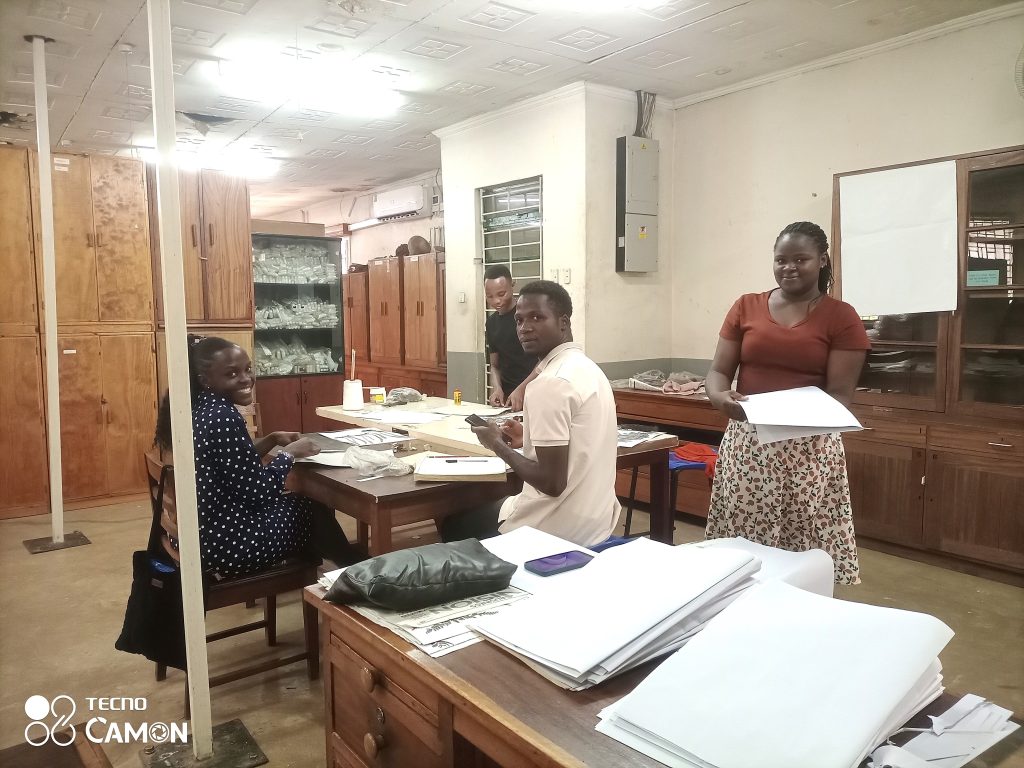
The Principal Herbarium Curator manages the herbarium, working closely with senior and technical staff of the Department of Plant Sciences, Microbiology and Biotechnology (PMB). Students of PMB have over the years diligently offered service at MHU as volunteers, contributing to procedures of specimen preparation, accessioning and digitization.
Main Activities
- Specimen preparation and archival, and routine maintenance: Pressed and dried specimens are frequently submitted to the herbarium by students and researchers.
- Databasing: The database lab comprises of two computers, a camera, a barcode scanner, herbscan and a server.
- Field collecting: Targeted expeditions are occasionally organized.
- Teaching: MHU leads in the teaching of core taxonomy course units at Makerere University.
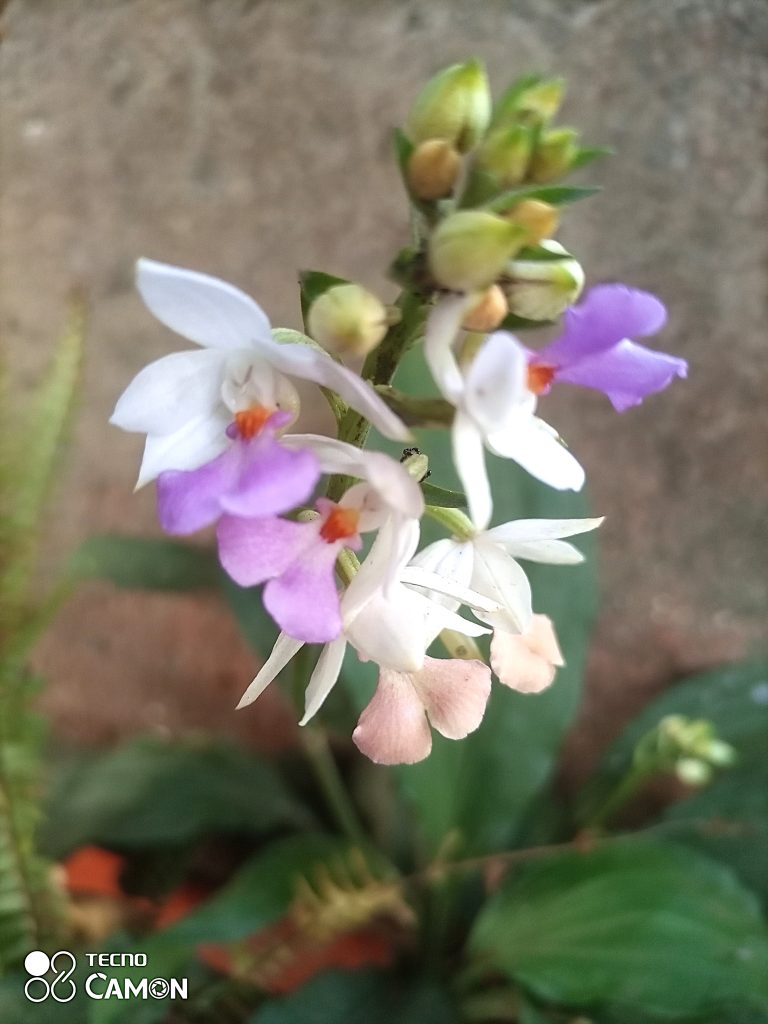
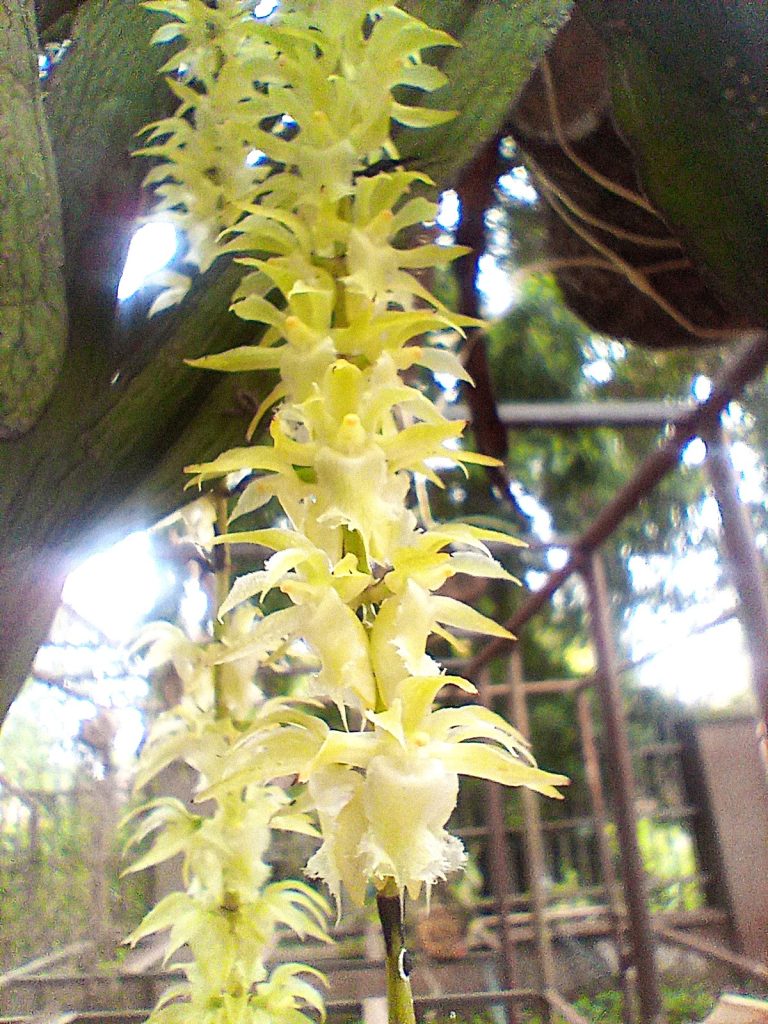
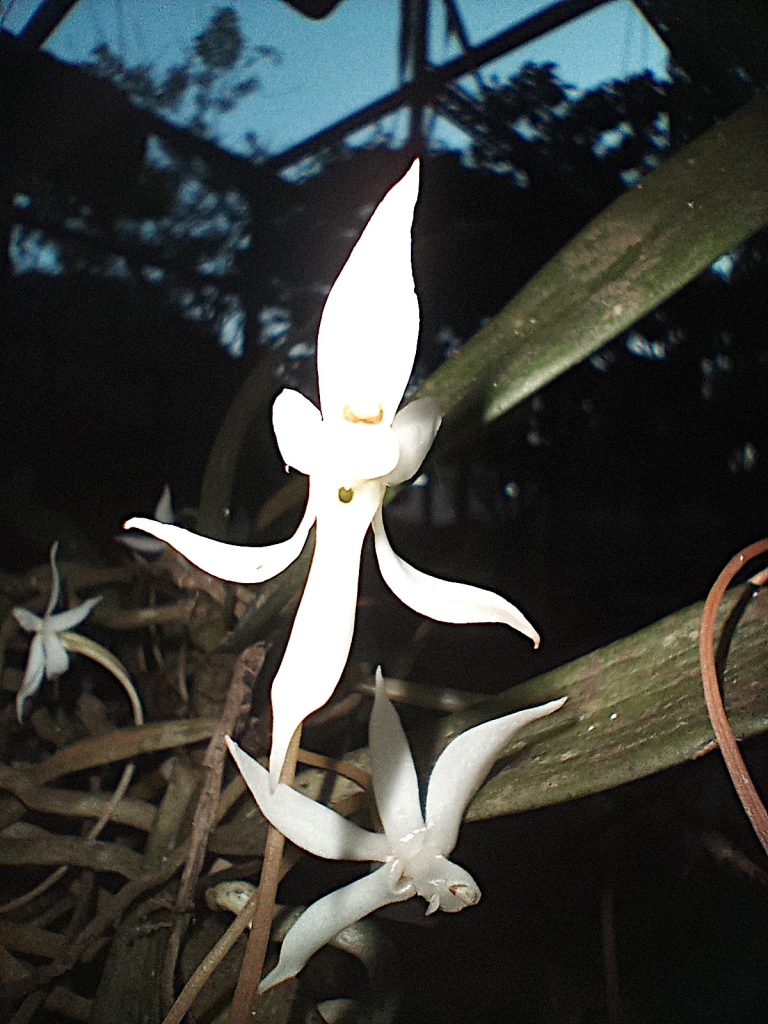
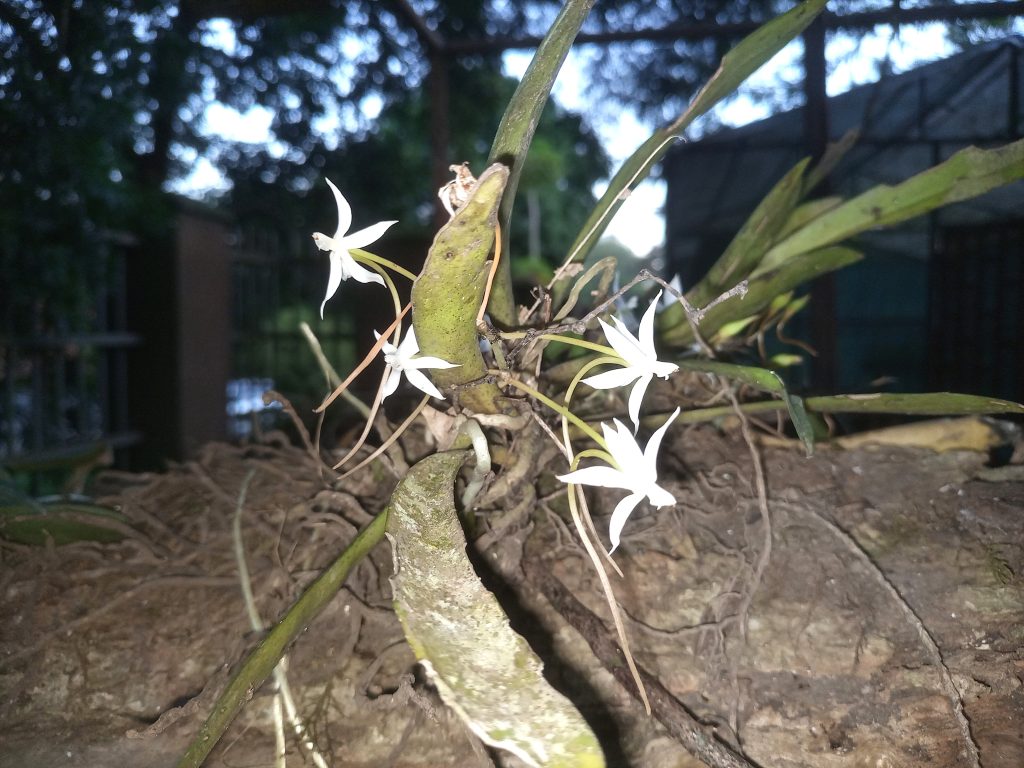
- Research: Ongoing projects are on the distribution and conservation of orchids, ferns, aloes and the genus Chlorophytum in Uganda. Recently concluded projects were on the taxonomy and distribution of spiny solanums in Uganda, identification of important plant areas, distribution and conservation of wild coffee.
- Graduate students: Several PhD and MSc students have been supported by projects in the herbarium.
When to Visit the Herbarium
The herbarium is open during official working hours (8:00 am–5:00 pm). Visitors seeking plant identification services or submitting specimens for accessioning are required to provide well-pressed, unmounted dried specimens accompanied by properly prepared herbarium labels. Study tours and academic visits are arranged by appointment.
Visits for study tours can be arranged on appointment.
Link to the pictorial of the Herbarium: https://drive.google.com/drive/folders/1gNnjL0K9vPz0WllYLGRN9uiRUsT4WkmN?usp=sharing