
pr.cns@mak.ac.ug

Makerere University Benchmarks Leading Institutions to Strengthen Geology Curriculum Review

Uganda’s mineral sector holds significant potential to drive economic transformation through increased mineral exploration, responsible extraction, value addition and investment. Realizing this potential, however, requires a highly skilled geoscience workforce equipped with the technical knowledge, practical competencies and professional skills needed to meet the evolving demands of the mineral industry.
Recognizing the critical role of skilled human resources in the sustainable development of the mineral sector, Makerere University is undertaking a comprehensive review of its geology programmes under the project titled “Strengthening Uganda’s Mineral Sector through Labour-Market Aligned Curricula Reforms: A Comprehensive Review of BSc/MSc/PhD Geology Curricula and Development of Industry-Aligned Short Courses at Makerere University (Mak-SDMU).”
The review seeks to ensure that Makerere University’s geology programmes remain responsive to the evolving needs of Uganda’s mineral sector while keeping pace with emerging trends and developments in the global geoscience profession. The exercise is being undertaken under the Sustainable Development of the Mineral Sector in Uganda (SDMU) programme, funded by the Government of the Federal Republic of Germany and the European Union through the Deutsche Gesellschaft für Internationale Zusammenarbeit (GIZ), in partnership with Uganda’s Ministry of Energy and Mineral Development (MEMD).
Benchmarking for Industry-Responsive Geoscience Education
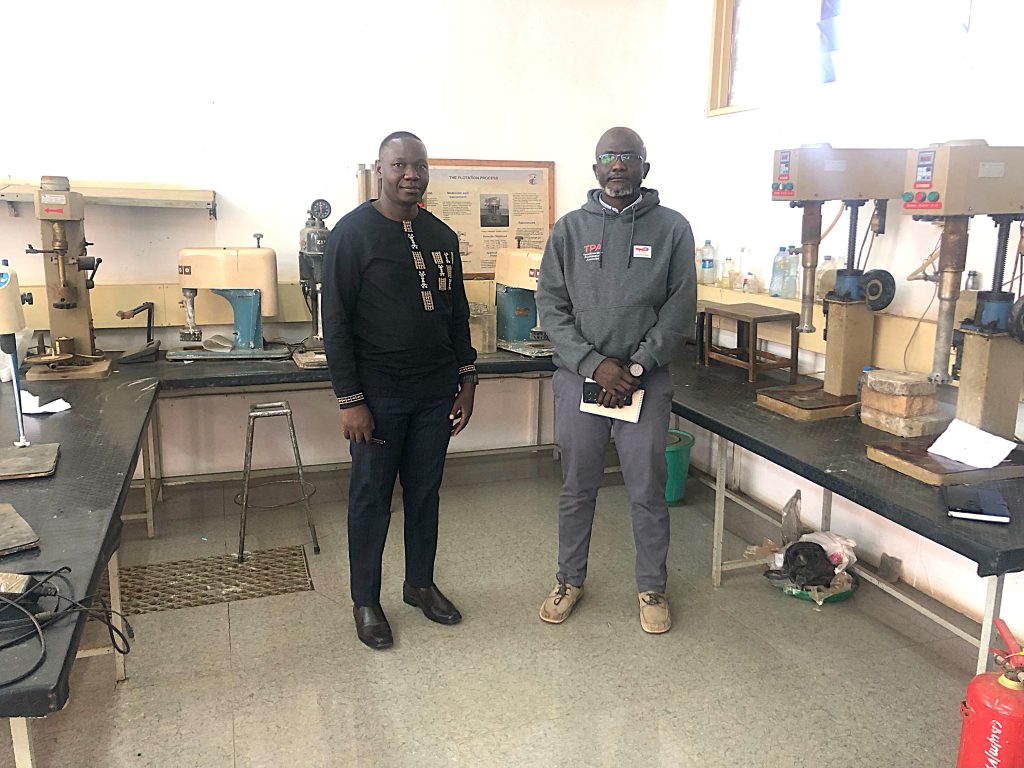
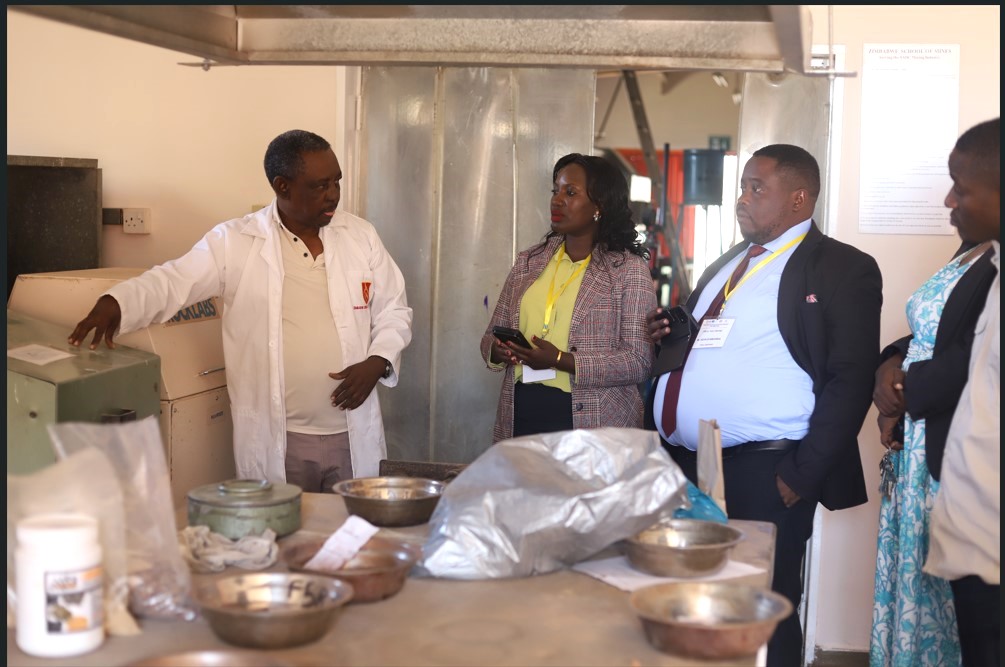
As part of the curriculum review process, staff from Makerere University’s Department of Geology and Petroleum Studies, together with a representative from the Ministry of Energy and Mineral Development (MEMD), undertook a benchmarking exercise at leading geoscience and mining education institutions in the region. The team visited Copperbelt University (CBU) in Kitwe, Zambia, and the Zimbabwe School of Mines (ZSM) in Bulawayo, Zimbabwe, to gain insights into approaches that could strengthen the relevance and quality of Makerere University’s geology programmes.
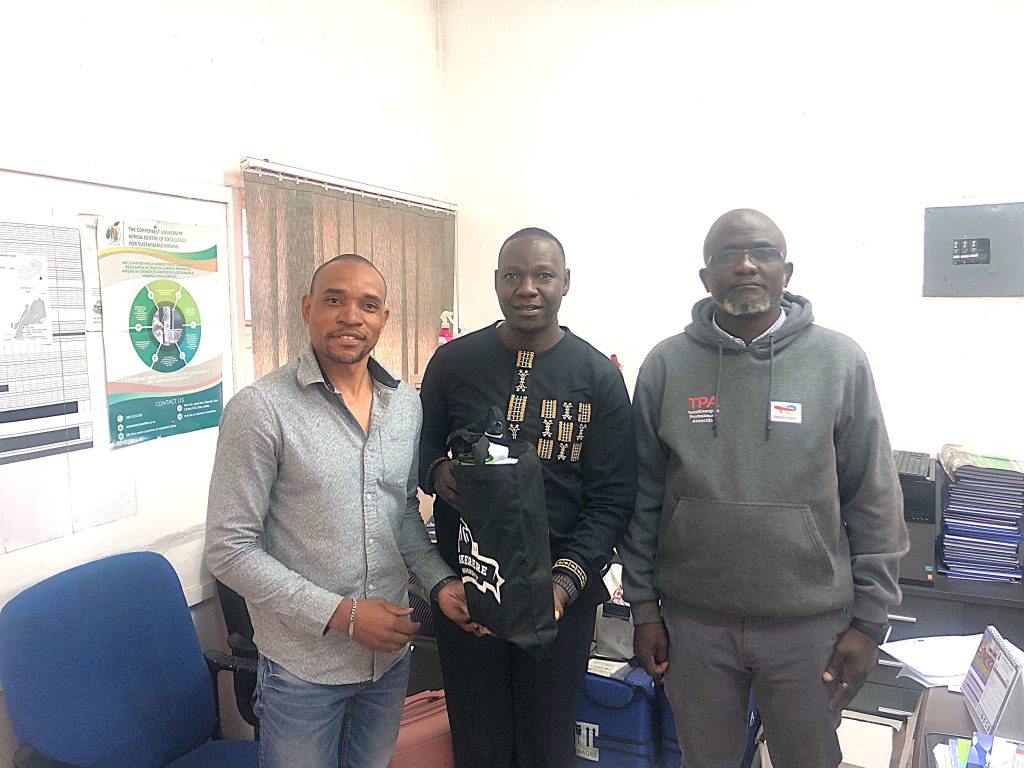
Makerere University was represented by Dr. Arthur Batte, Dr. Denis Mutebi, Principal Investigator of the Mak-SDMU project, and Dr. Joan Nakajjigo, while Mr. Kevin Byamugisha represented MEMD. Mr Byamugisha’s participation provided an opportunity to explore the role of government in strengthening geoscience and mining education through policy support, industry engagement, strategic partnerships and resource mobilisation.
The benchmarking exercise provided an opportunity for the team to examine best practices in curriculum design and delivery, competency-based and practical training, industry engagement, infrastructure development, technology integration and professional skills development. The team also explored the role of professional short courses and institutional partnerships in supporting high-quality geoscience and mining education.
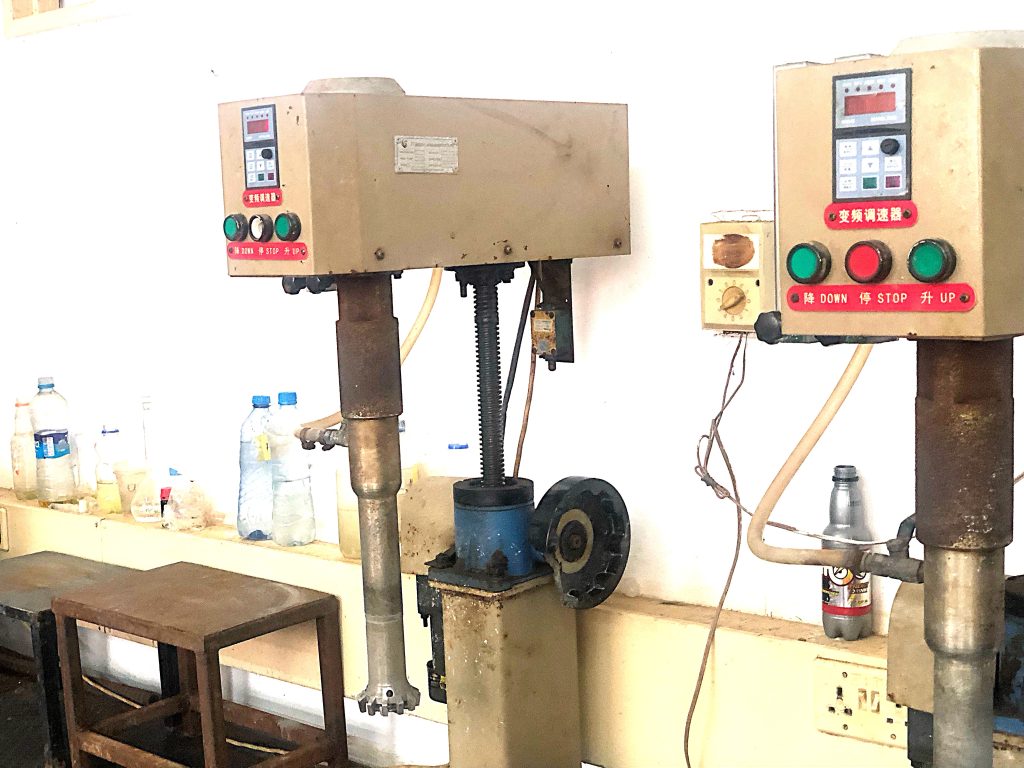
At Copperbelt University, the team toured microscopy, metallurgy, analytical and environmental laboratories, as well as the mineral processing laboratory. The team also interacted with Dr. Gabriel Ziwa, Head of the Department of Geology and representative of the Dean of the School of Mines and Mineral Sciences, to gain insights into the university’s approach to geoscience and mining training.
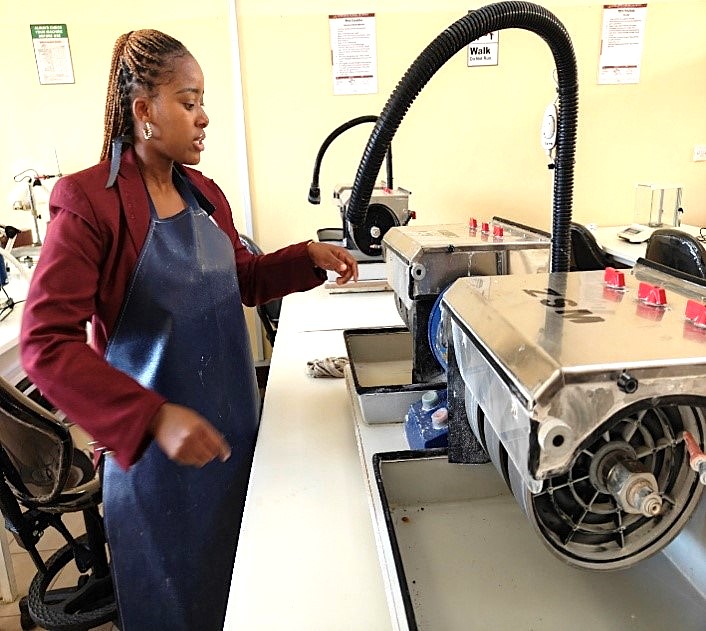
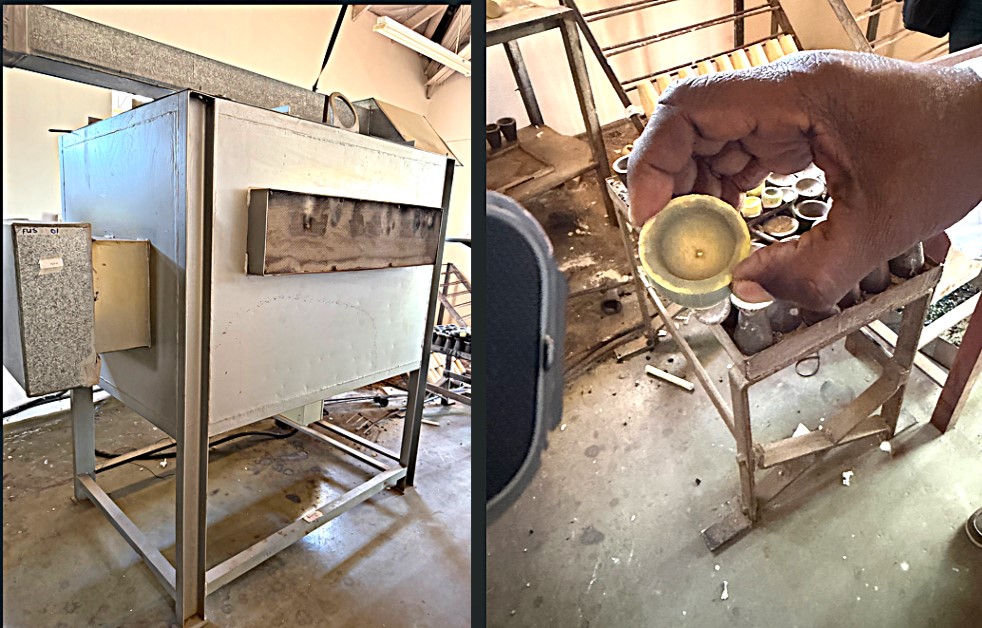
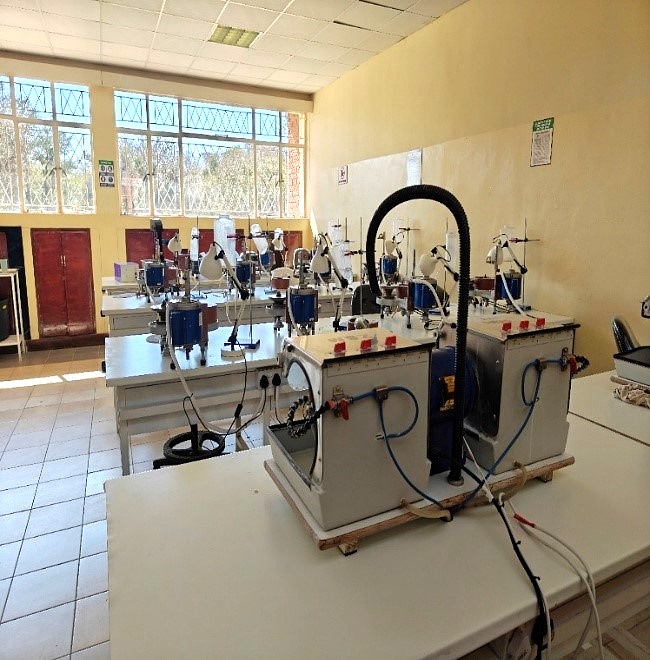
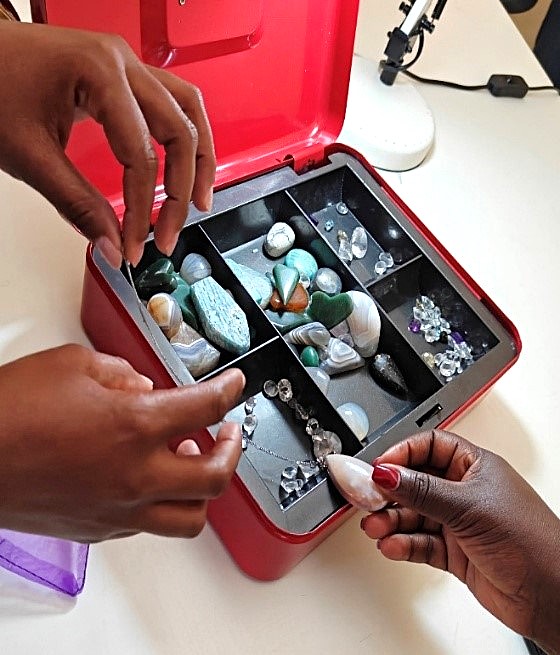
At the Zimbabwe School of Mines, the team visited mineral processing, metallurgy, gemology and analytical laboratories. They also observed practical training in gemstone cutting and polishing and examined rock pulverisation facilities. These engagements provided valuable insights into how practical training, mineral value addition and industry-oriented skills can be integrated into geoscience education.
The lessons and best practices drawn from the benchmarking exercise are expected to inform the ongoing review of the geology programmes, helping to strengthen their quality, relevance and competitiveness. The exercise will also contribute to ensuring that graduates acquire the technical, practical and professional competencies required to respond effectively to the evolving needs of Uganda’s mineral sector and the wider geoscience profession.
Lessons to Inform Makerere University’s Curriculum Review
The benchmarking exercise provided several lessons with direct relevance to the ongoing review of the geology programmes.
1. Strengthening Government-Industry-University Partnerships
The benchmarking exercise highlighted the importance of strong collaboration among universities, government and industry in developing relevant geoscience and mining programmes. Such partnerships support curriculum development, research, industrial training, equipment acquisition, scholarships, guest lectures and graduate employability. Continuous engagement with industry also enables universities to respond to changing labour-market and sector needs.
2. Aligning Training with the Mineral Value Chain
The visits demonstrated the need for geoscience training to extend beyond theoretical knowledge to cover the entire mineral value chain, including exploration, extraction, processing, value addition and environmental management. Areas such as gemstone identification, lapidary and mineral processing can equip graduates with practical skills relevant to both employment and entrepreneurship.
3. Emphasizing Competency-Based and Practical Training
The benchmarked institutions place strong emphasis on practical learning, fieldwork and laboratory-based training. Practical activities are linked to clearly defined learning outcomes and competencies, enabling students to graduate with demonstrable technical skills alongside theoretical knowledge. This provides an important lesson for strengthening practical and competency-based approaches within Makerere’s revised curricula.
4. Strengthening Industrial Training and Workplace Exposure
Structured and extended industrial exposure was identified as an important component of geoscience and mining education. Industrial training enables students to apply classroom knowledge to real-world operations, develop professional competencies, strengthen research skills and gain a better understanding of workplace expectations. These practices provide useful insights for enhancing Makerere’s existing industrial attachment programmes.
5. Investing in Modern Training Infrastructure
The benchmarking visits demonstrated the importance of well-equipped laboratories, field equipment and specialized analytical facilities in delivering effective geoscience and mining education. The facilities visited at CBU and ZSM provide useful benchmarks for assessing Makerere’s infrastructure requirements and identifying opportunities for industry partnerships in equipment acquisition, maintenance and shared utilization.
6. Integrating Digital Technologies and Industry-Standard Software
The exercise highlighted the growing role of digital technologies in contemporary geoscience and mining practice. Technologies such as Laboratory Information Management Systems, 3D geological modelling, mine-planning software and drone-based surveying and mapping can strengthen students’ preparedness for the modern workplace. Their progressive integration into the curriculum will therefore be important in enhancing graduates’ digital and technical competencies.
7. Expanding Professional Short Courses and Micro-Credentials
The institutions visited demonstrated how professional short courses can respond quickly to emerging skills gaps within the mining and mineral sector. Makerere could leverage this approach to develop flexible, demand-driven training for mining companies, artisanal and small-scale miners, professionals and other stakeholders. Such programmes could also strengthen industry engagement, support continuing professional development and create additional revenue opportunities for the University.
8. Strengthening Staff Capacity and Specialization
Effective implementation of a modern geology curriculum requires adequate academic expertise across key areas of geoscience and mining. The benchmarking findings therefore underscore the need for strategic staff development, recruitment and specialization. An assessment of existing staff competencies against the proposed curriculum will help identify expertise gaps and inform targeted capacity-building initiatives.
9. Aligning Academic Training with Professional Competencies
The benchmarking exercise emphasized the importance of ensuring that university training reflects the competencies expected by employers and professional bodies. The curriculum review should therefore take into account professional standards, industry requirements and pathways towards professional recognition to improve graduates’ preparedness for employment and professional practice.
10. Promoting Interdisciplinary Geoscience and Mining Education
The integration of related disciplines within closely connected academic structures creates opportunities for interdisciplinary teaching, research and innovation. Strengthening linkages among geology, mining engineering, metallurgy, environmental sciences, geomatics and mineral processing could promote the shared use of specialised facilities, foster multidisciplinary research and support the development of joint professional training programmes at Makerere University. This integrated approach would enhance collaboration across disciplines and contribute to more holistic and industry-responsive geoscience and mining education.
More about the curriculum review exercise: https://news.mak.ac.ug/2026/06/makerere-university-to-revamp-geology-curricula-to-bridge-critical-skills-gap-in-ugandas-mineral-sector/
Report shared by Dr Denis Mutebi, Principal Investigator of the Mak-SDMU project