
pr.cns@mak.ac.ug


Mak Study Reveals Key Factors Undermining Performance in Biology

A nationwide study led by Prof. Fredrick Jones Muyodi has revealed multiple factors contributing to poor performance in Biology in Uganda’s national examinations, with the Northern and Eastern regions being the most affected. The study highlights significant gaps in practical learning, digital access, and teaching methods, underscoring an urgent need for educational reforms.
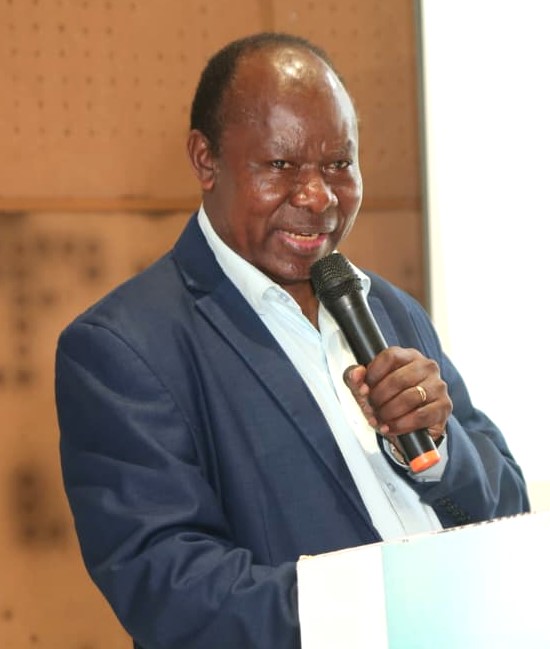
Factors that prompted the study
Launched in 2023, the study was undertaken in response to growing concerns over the long-term decline in Biology performance in the Uganda Advanced Certificate of Education (UACE) examinations.
An earlier analysis conducted by the School of Biosciences at the College of Natural Sciences (CONAS), Makerere University, revealed that since the late 1970s, performance in Biology at the UACE level had consistently fallen below expectations. Over time, the situation worsened, as reflected in the annual examination results released by the Uganda National Examinations Board (UNEB).
In 2018, for example, only one student out of 13,061 candidates scored an “A” in Biology, while just 38% scored at least an “E”. Although 2019 saw a slight increase, overall results remained far below national standards, a trend that persisted into the post-COVID-19 era.
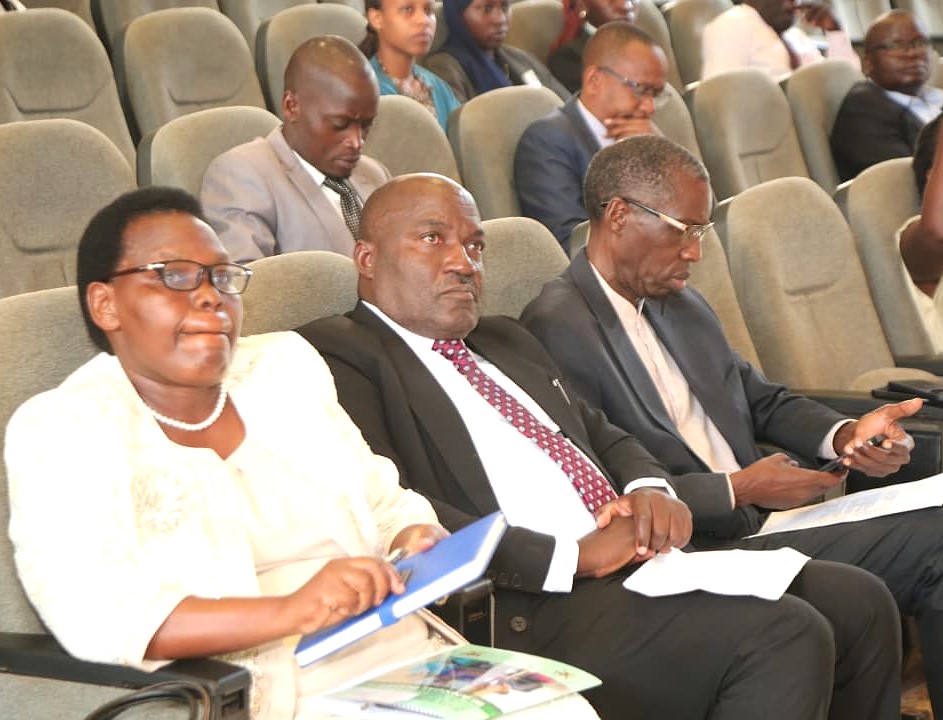
Poor performance in Biology has serious implications, as the subject underpins 70–100% of academic and research work across the College of Natural Sciences, the College of Health Sciences (CHS), the College of Veterinary Medicine, Animal Resources and Biosecurity (COVAB), and the College of Agricultural and Environmental Sciences (CAES). Weak results affect student progression and threaten Uganda’s life sciences ecosystem, impacting key sectors and government ministries.
In response, Makerere University, through the School of Biosciences at CoNAS in collaboration with the College of Education and External Studies (CEES), launched a study to investigate and address the problem. Funded by the University’s Research and Innovations Fund (MakRIF), the study examined teacher qualifications, curriculum depth, laboratory infrastructure, and student attitudes towards the subject.
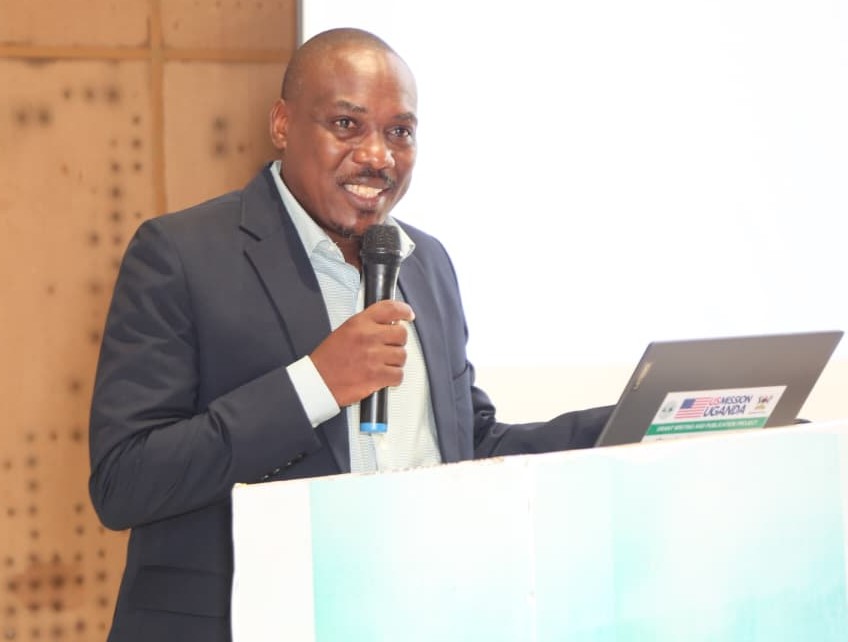
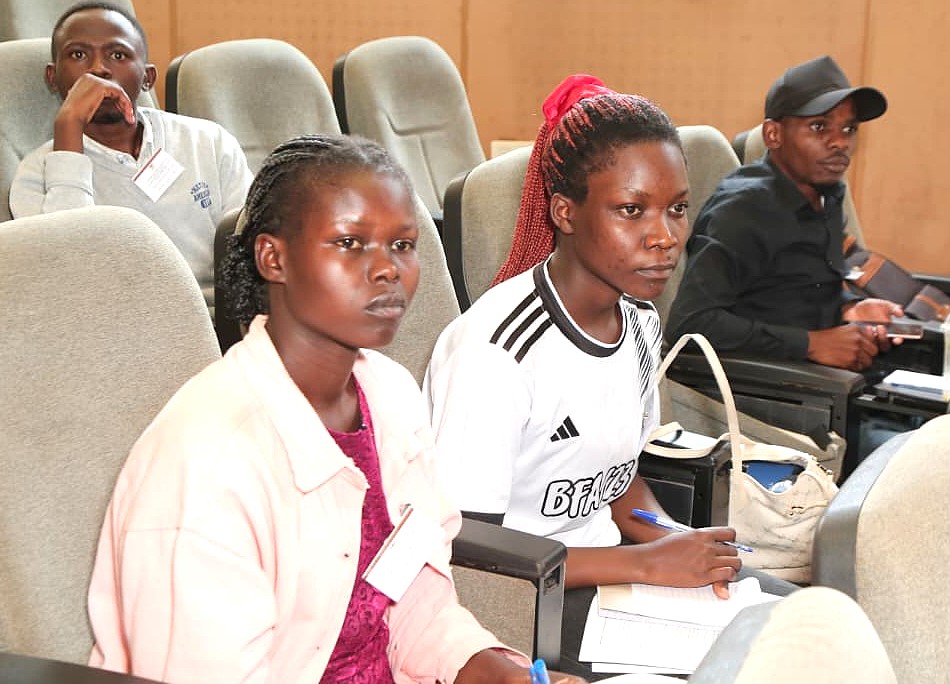
Dissemination of the Study Findings
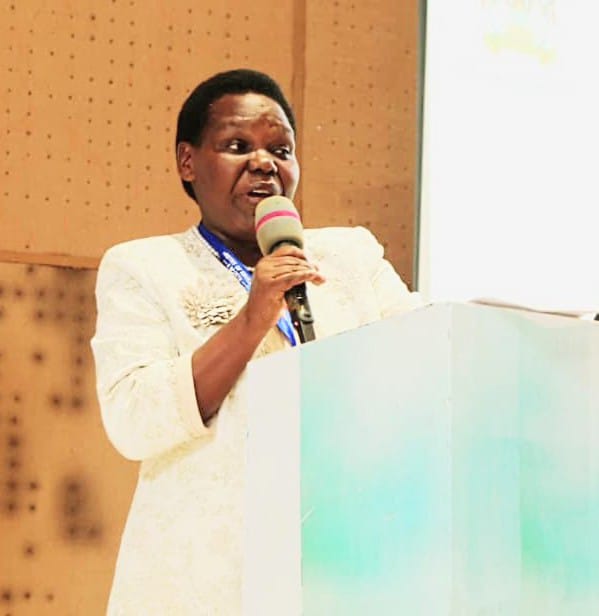
The project team presented their findings to stakeholders at a workshop held on 19th March 2026 at Makerere University. The event was attended by the Commissioner for Secondary Education at the Ministry of Education and Sports, Mrs. Juliet Atuhairwe Muzoora, alongside senior leaders from Makerere University.
Factors undermining performance in Biology
Guided by the socio-ecological model, the project team interviewed 5,000 participants, including teachers, students, parents, school administrators, and curriculum experts, across 100 districts nationwide. Key challenges identified include:
- Inadequate practical learning – Many schools lack functional laboratories, leaving students unable to connect concepts to real-life applications.
- Limited digital access – Poor internet connectivity and lack of digital learning tools hinder modern science education.
- Ineffective teaching methods – Overreliance on lectures weakens conceptual understanding.
- Gender disparities – Lower confidence and limited participation of female students in practical work.
- Negative community perceptions – Low motivation resulting from societal attitudes toward Biology.
Recommendations for Improvement
Despite a notable improvement in the 2025 Uganda Advanced Certificate of Education (UACE) examinations, the project team recommends a series of strategic interventions:
- Expansion of practical learning through fieldwork and project-based activities, with government support to fund hands-on initiatives.
- Investing in digital infrastructure, prioritizing internet access and online resources for underserved schools.
- Upgrading laboratories with modern equipment and increasing technical support to create conducive learning environments.
- Strengthening teacher development through continuous professional development programs promoting inquiry-based teaching.
- Aligning curriculum and assessments by fostering collaboration between the NCDC and UNEB to ensure coherence between instruction and exams.
- Enhancing student engagement through mentorship programs, academic clubs, and career guidance initiatives.
- Promoting gender equity in science education through targeted interventions.
The project team emphasizes that these interventions are essential for developing a generation of Biology students well-equipped to meet the demands of higher education and scientific careers. They advocate for coordinated action among government agencies, schools, and communities to reverse current trends and strengthen science education nationwide.
To further support efforts to improve performance in Biology, the team is seeking additional funding to pilot interventions in the most affected regions, particularly Northern and Eastern Uganda, and to establish a monitoring and evaluation framework to track progress and ensure lasting impact.
Remarks by the Commissioner for Secondary Education
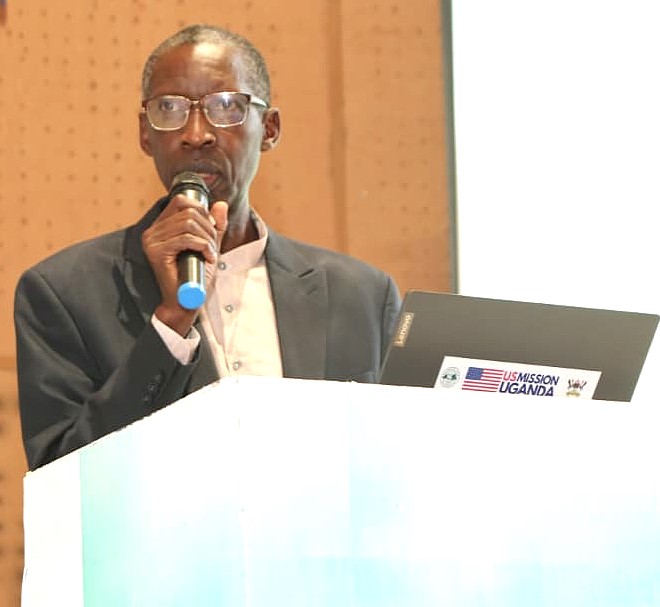
Addressing participants at the dissemination workshop, the Commissioner for Secondary Education at the Ministry of Education and Sports, Mrs. Juliet Atuhairwe Muzoora, commended the research team for the initiative, highlighting its potential to improve performance in Biology. She called for the expansion of the initiative to cover other science disciplines.
Mrs. Muzoora expressed concern over the increasing monetization of academic activities, particularly seminars, warning that such practices threaten the core objectives of the programme. She further cautioned against the circulation of inappropriate and substandard pamphlets, noting that these undermine the quality of education.
She appealed to Makerere University to expand its school outreach programmes to reach all regions of the country, including the underserved and hard-to-reach areas.
Emphasizing the importance of the study, Mrs. Muzoora committed to arrange a meeting for the team to present their findings to the Ministry’s Senior Management team. “The findings of the study will inform policy adjustments that will enable us to improve performance in the sciences,” she noted.

Re-aligning A’ Level Subject Combinations and Leveraging Local Resources for Experiential Learning
In his presentation, Prof. Winston Tumps Ireeta, Deputy Vice Chancellor in charge Finance and Administration (DVCFA) and Principal of the College of Natural Sciences (CoNAS), emphasized the importance of targeted interventions in improving student performance, particularly in Biology and other science disciplines. Drawing attention to the medical field, he stressed the urgent need to review and realign Advanced Level subject combinations to correspond with the evolving requirements of various professional disciplines.
Drawing on insights from secondary school teachers at the CoNAS Science exhibition held from 5th–7th March 2026, Prof. Ireeta expressed concern over the limited adoption of experiential learning. He implored school administrators to leverage locally available materials to enhance hands-on learning. He expressed gratitude to the Government of Uganda for its continued support toward academic and research programmes at the University.
Re-aligning the Competence-based Curriculum
Prof. Anthony Muwagga Mugagga, the Principal of the College of Education and External Studies at Makerere University, highlighted the need to clearly define and systematically map out the modes of instruction under the Competence-based Curriculum. He emphasized that clarity in instructional approaches is essential for ensuring consistency, effectiveness, and measurable learning outcomes across institutions. He appreciated the MakRIF for the financial and technical support extended to the project, noting that such partnerships are instrumental in driving educational innovation and reform.
Remarks from the Chair, MakRIF
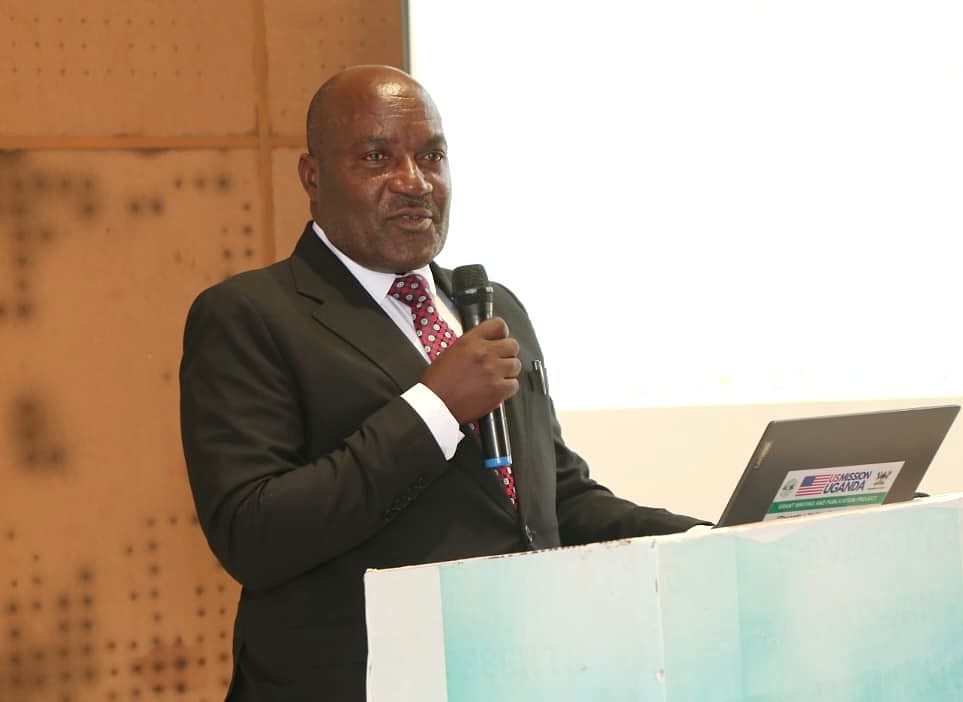
The Chairperson of the MakRIF, Prof. Fred Masagazi Masaazi, underscored the significance and far-reaching impact of the initiative, noting that the project scored 92% in the vetting process. He informed participants that the MakRIF remains committed to supporting ideas and initiatives that have a tangible and measurable effect on student learning outcomes.
“The focus on enhancing the teaching and learning of Biology is both timely and essential. Strengthening Biology education not only equips students with critical scientific knowledge but also lays a solid foundation for the country’s broader educational and developmental objectives. By prioritizing initiatives that nurture scientific understanding, the MakRIF seeks to contribute meaningfully to shaping a generation of learners capable of driving innovation, research, and sustainable development.”
Remarks by the representative from UNEB
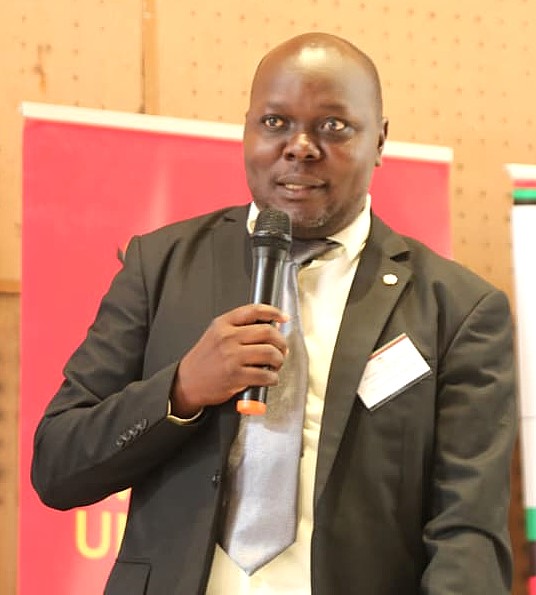
In response to concerns regarding the gaps in curriculum development and assessment processes, Dr. Jimmy Okello reassured participants that the Uganda National Examinations Board (UNEB) works closely with the National Curriculum Development Centre (NCDC) to uphold quality across all stages of curriculum design and assessment.
He, however, acknowledged the need to further align curriculum with assessment frameworks for better learning outcomes. Dr. Okello stressed the importance of continuous professional development and retooling to enable teachers to respond effectively to evolving educational demands. He highlighted the challenge of sustaining quality education amid rising student enrolment, emphasizing the need for deliberate measures to ensure standards are maintained.
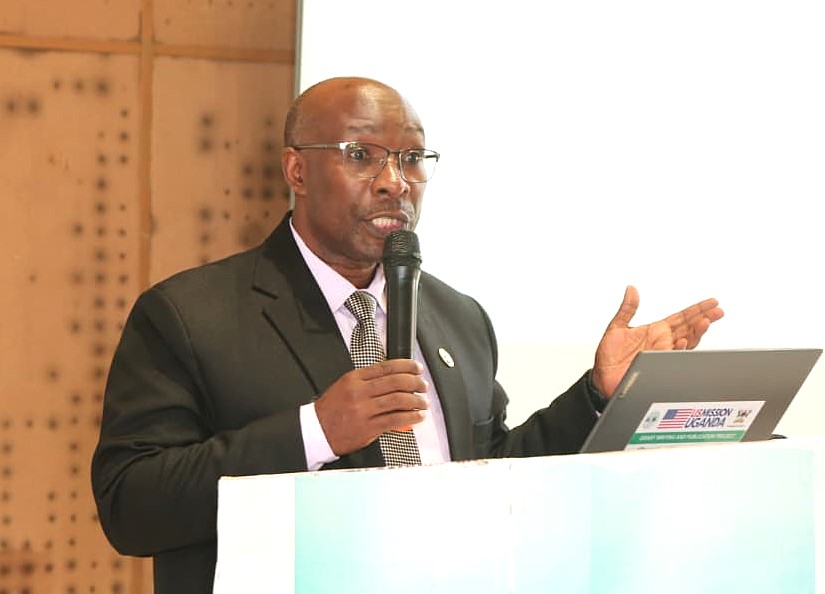
The need to enhance experiential learning and the mismatch between student enrolment and the learning infrastructure
Drawing on his experiences from visits to various schools, Prof. Arthur Tugume, Dean of the School of Biosciences, expressed concern over the rapidly increasing number of students enrolling in science disciplines. “This surge has significantly outpaced the available support infrastructure and human resources, ultimately compromising the quality of teaching and learning,” he noted. He highlighted the importance of formalizing seminars as a core component of the learning process and advocated for closer collaboration with research institutions to provide students with opportunities for hands-on experiences and real-world exposure. Additionally, he pointed out a critical mismatch between the current course content and the requirements of a competence-based curriculum, stressing the need for alignment.

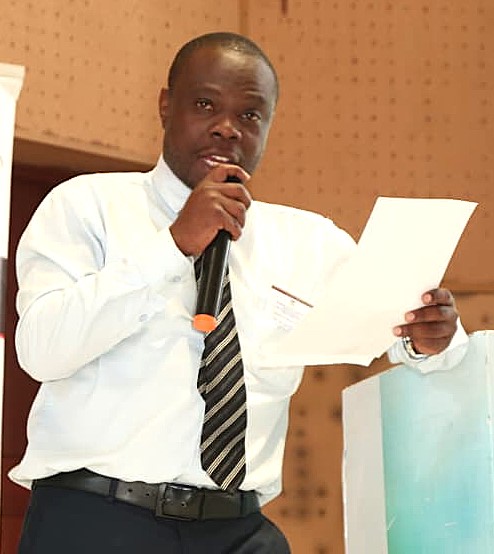
In response to the presentations, Dr. Godfrey Kawooya Kubiriza, Head of the Department of Zoology, Entomology, and Fisheries Sciences at CoNAS, Makerere University, called for a streamlined assessment process to ensure fairness for all students. He expressed concern over disproportionate grading practices, noting that allocating 40% of the total marks to a single question disadvantages students.
The workshop was moderated by Dr. Edward Kansiime (Co-PI) and member of staff in the Department of Science, Technology and Vocational Education at CEES, Makerere University.
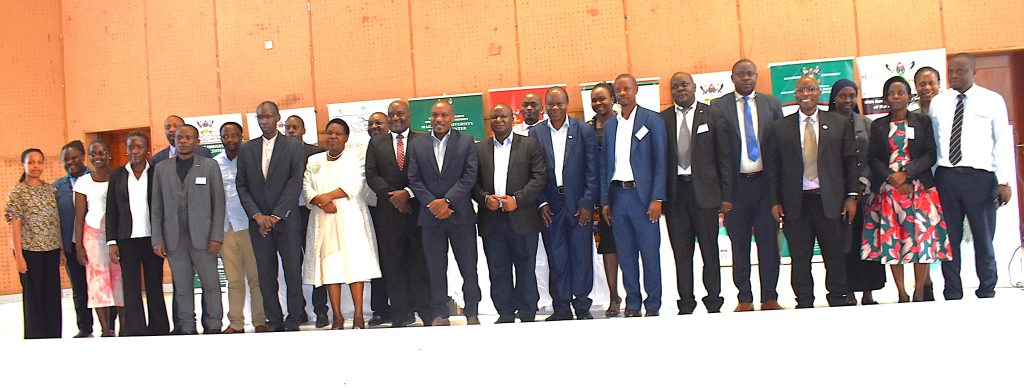
The Project Team
- Prof. Fredrick Jones Muyodi – PI (Department of Zoology, Entomology and Fisheries Sciences, CoNAS, Makerere University)
- Assoc. Prof. Josephine Esaete – Co-PI (Department of Science, Technology and Vocational Education, CEES, Makerere University)
- Assoc. Prof. Arthur Tugume (Dean, School of Biosciences, Makerere University)
- Dr. Godfrey Kubiriza (Head, Department of Zoology, Entomology and Fisheries Sciences, CoNAS, Makerere University)
- Dr. John Joseph Kisakye (Department of Zoology, Entomology and Fisheries Sciences, CoNAS, Makerere University)
- Assoc. Prof. Eric Sande (Department of Zoology, Entomology and Fisheries Sciences, CoNAS, Makerere University)
- Dr. Edward Kansiime – Co-PI, (Department of Science, Technology and Vocational Education, CEES, Makerere University)
- Dr. John Sentongo (Department of Science, Technology and Vocational Education, CEES, Makerere University)
- Dr. Levi Masereka (Department of Science, Technology and Vocational Education, CEES, Makerere University)
- Dr. Reymick Oketch (Department of Science, Technology and Vocational Education, CEES, Makerere University)
- Dr. Joel Isanga (Department of Biochemistry and Systems Biology, CoNAS, Makerere University)
- Dr. Rosemary Nalwanga (Department of Zoology, Entomology and Fisheries Sciences, CoNAS, Makerere University)
- Ms. Caroline Nakafeero (Department of Zoology, Entomology and Fisheries Sciences, CoNAS, Makerere University)
- Mr. Ambrose (School of Public Health)