pr.cns@mak.ac.ug

Mak’s Department of Zoology, Entomology & Fisheries Sciences Reviews Aquaculture Curriculum to Align Training with Industry Needs

Compiled by Mariam Kasemiire
The Department of Zoology, Entomology and Fisheries Sciences (ZEFS) at Makerere University is reviewing its fisheries and aquaculture programmes to better prepare graduates for Uganda’s evolving commercial aquaculture sector.
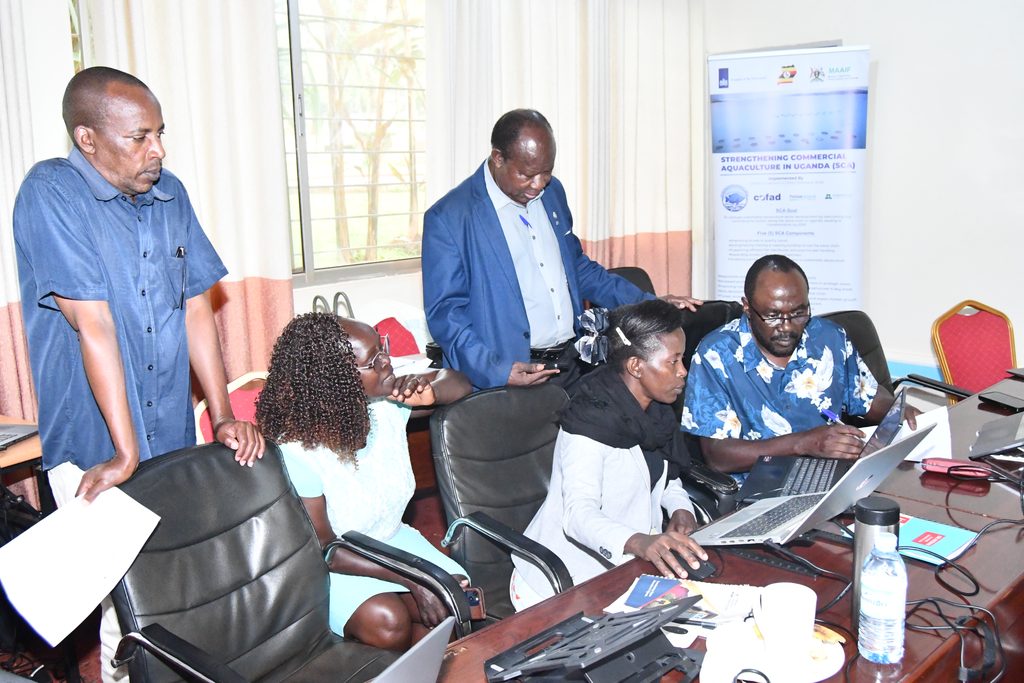
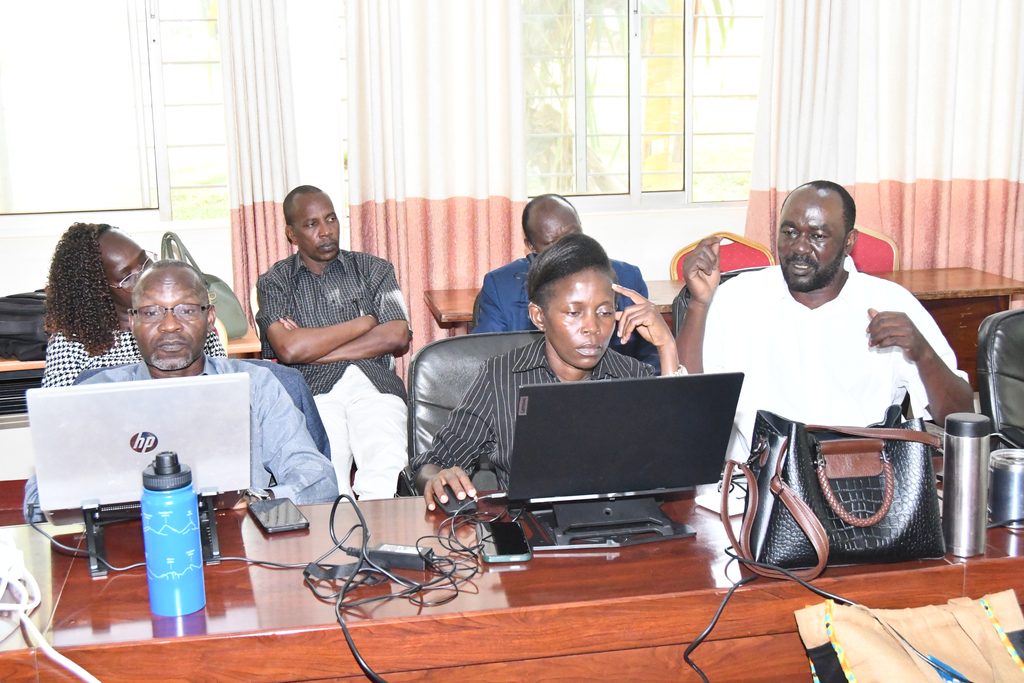
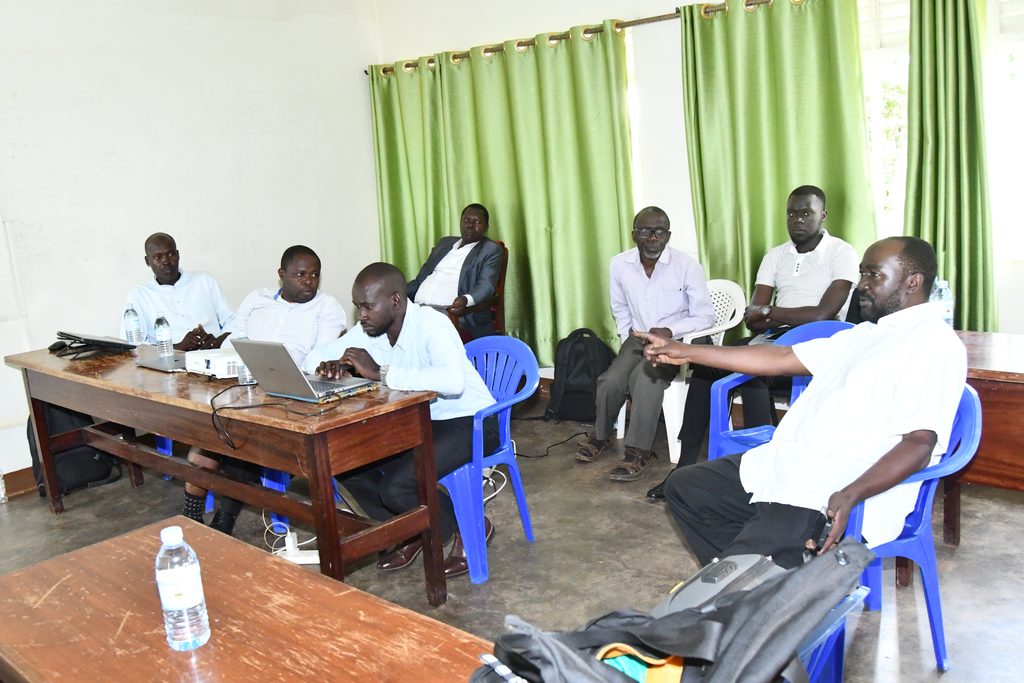
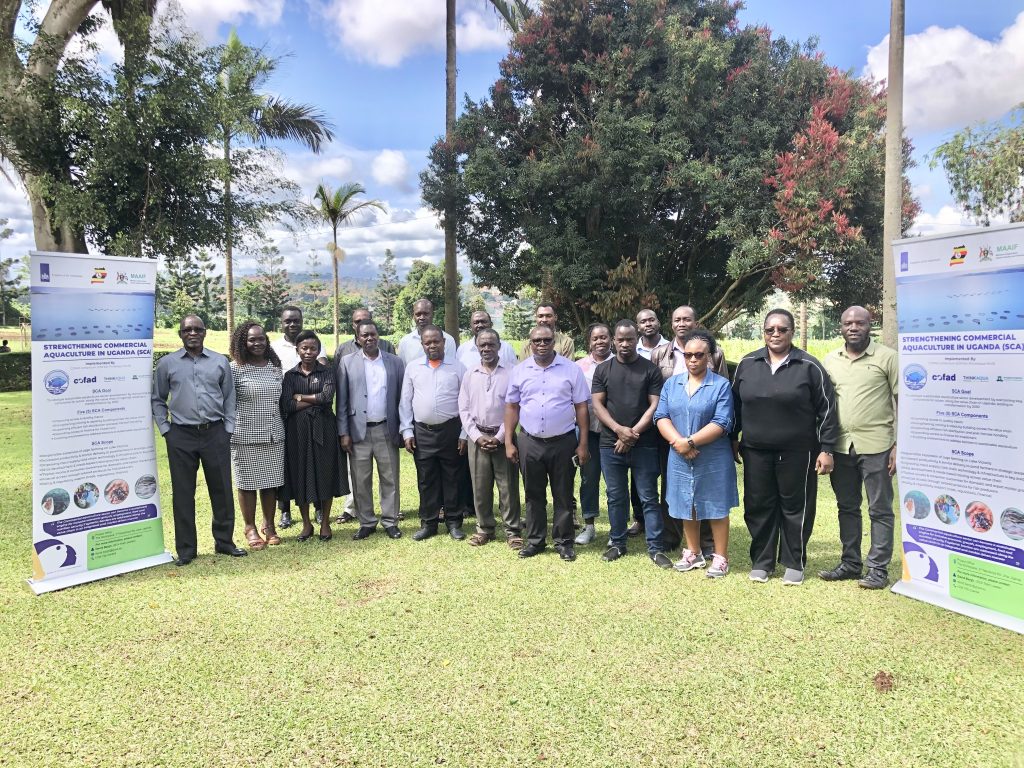
Supported by the Strengthening Commercial Aquaculture (SCA) Programme-funded by the Embassy of the Kingdom of the Netherlands in Kampala and implemented by the COFAD Consortium (COFAD-ThinkAqua-WUR)- ZEFS held a two-day workshop from 29th-30th October 2026 to review its curriculum.
Convened at the Mukono Zonal Agricultural Research and Development Institute (MuZARDI), the workshop aimed to advance the development and review of competency-based curricula for the Bachelor of Science in Fisheries and Aquaculture (BSFA) and the MSc. Zoology option in Fisheries and Aquaculture, with the broader purpose of strengthening staff capacity and preparing for implementation in the 2027/2028 Academic Year.
Remarks by the Head of Department
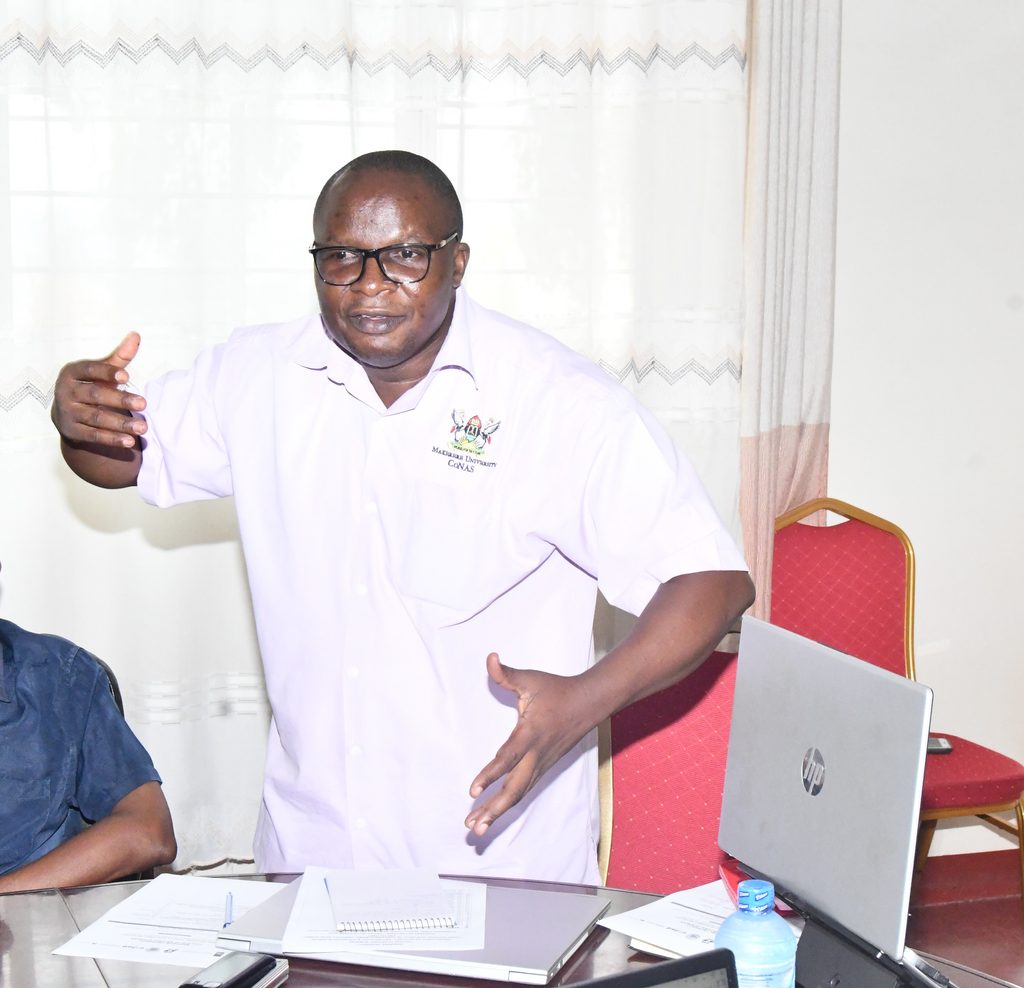
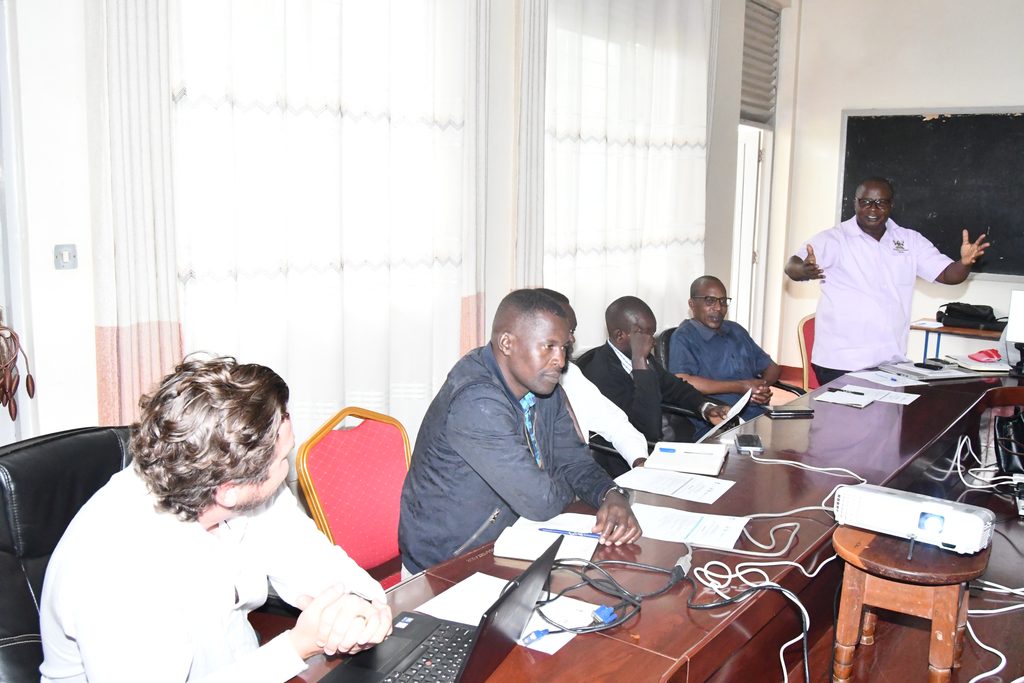
In his opening remarks, Dr. Godfrey Kawooya Kubiriza, Head of the Department of Zoology, Entomology and Fisheries Sciences, underscored the importance of the Competency-Based Education and Training (CBET) approach in equipping graduates with the practical skills and competencies required by the fisheries and aquaculture industry. He appreciated the support extended towards the programme but cautioned that its success would depend on the availability of adequate resources. “A programme may appear robust on paper but prove difficult to implement if the necessary resources are lacking, potentially forcing staff to revert to traditional teaching methods. It is therefore important to ensure that the programme is practical, feasible and sustainable.”
Dr. Kubiriza appreciated Mr. David Bargh, Team Leader of the COFAD Consortium for the support extended towards the curriculum review process.
The reviewed programmes are expected to be ready by the end of November 2026, ahead of the University’s December deadline for submission and the subsequent approval process scheduled for January 2027. The two-day workshop provided an opportunity for participants to complete their presentations and lay the groundwork for programme development in line with the University’s timelines.
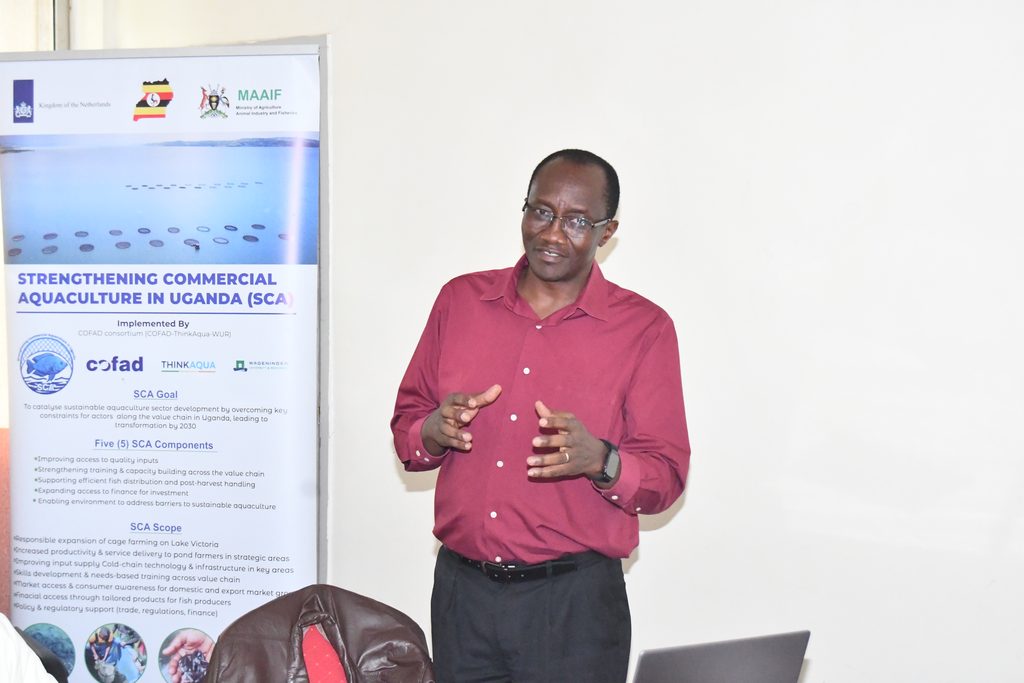
Guidance on Curriculum Development by Mr. Joshua Kunya, CBET Specialist
Mr. Joshua Kunya, a CBET Specialist, emphasized the need for the curriculum to reflect the broader academic and professional contexts in which students will learn and work. He highlighted the importance of linkages with other programmes, shared foundational courses and practical learning experiences that equip graduates with the skills needed to meet workplace expectations and function effectively in real-world settings.
Mr. Kunya guided participants through the next steps in curriculum development, which included comparing the existing curriculum with the online platform template, validating occupational roles, preparing roles–duties–tasks and curriculum alignment matrices, identifying opportunities for shared and cross-programme learning, compiling the National Council for Higher Education (NCHE) summary, and verifying the programme scope, course units, notional learning hours and contact hours.
He emphasized the importance of regular reviews in identifying gaps early and ensuring that the curriculum remains relevant, implementable, aligned with the intended learning outcomes, and compliant with regulatory requirements.
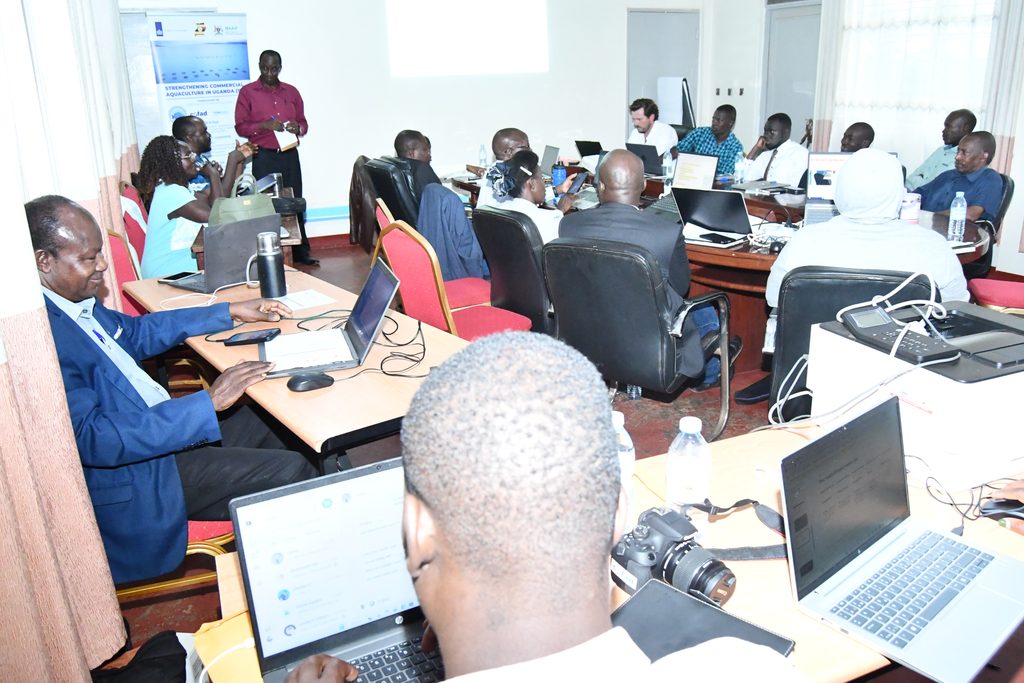
Key Highlights from the Review Workshop
The workshop emphasized the need to develop coherent and integrated programmes that promote shared and cross-disciplinary learning while ensuring alignment with Makerere University’s online curriculum template and the National Council for Higher Education requirements.
Course Title and Description: Participants recommended the development of concise course titles that clearly communicate the fish-processing competencies graduates will acquire. They also called for course descriptions that adequately cover fish handling, processing, value addition, branding and marketing, including their contribution to reducing spoilage and post-harvest losses. “Post-harvest management should address the entire value chain, from fish capture and handling to processing, storage and delivery to consumers.” Other areas identified for review included fisheries governance and economics, policy and management, digital literacy, business and project planning, value addition, traceability and food safety.
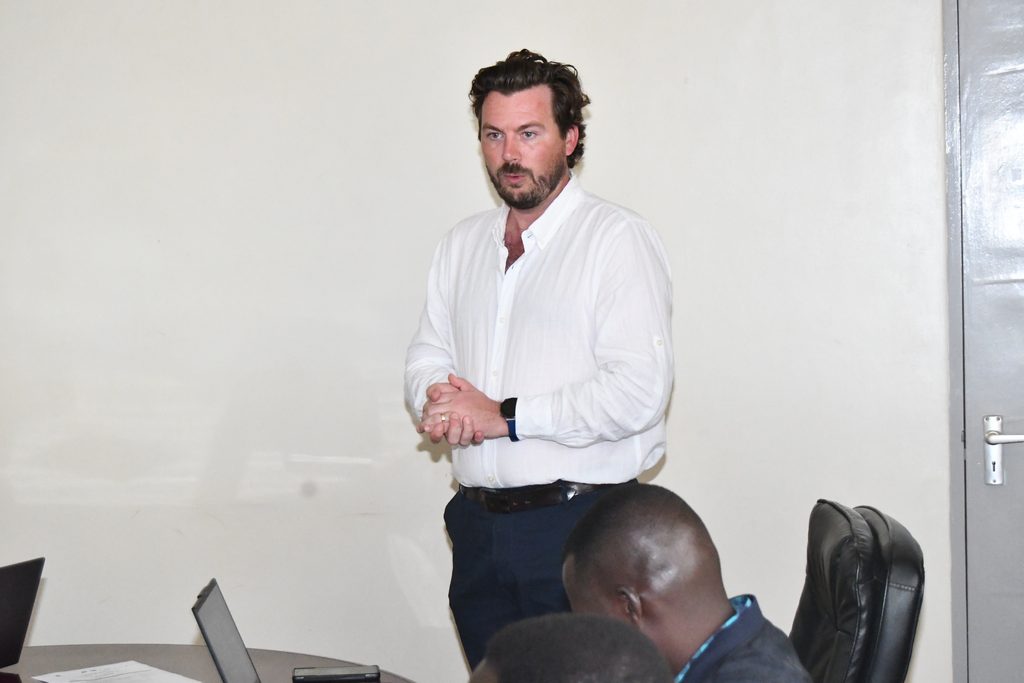
Practical Training: Participants underscored the importance of equipping students with disciplinary knowledge, technical skills, sound judgement and professional values. They recommended involving technical staff in identifying appropriate methods, facilities and equipment for practical sessions, including fish-health assessments and laboratory analyses.
Course Requirements and Content Alignment: Participants emphasized the need to establish realistic course requirements, identify gaps and duplication in existing content, and prioritize locally relevant research topics for undergraduate and postgraduate students. They also highlighted the importance of aligning course content with occupational expectations, regulatory requirements and the University’s online curriculum template.
CBET Feasibility: Participants noted that successful implementation would depend on adequate resources and institutional support. They identified laboratories, microscopes, computers, heaters and fish-processing equipment as essential for effective delivery of practical, context-based training.
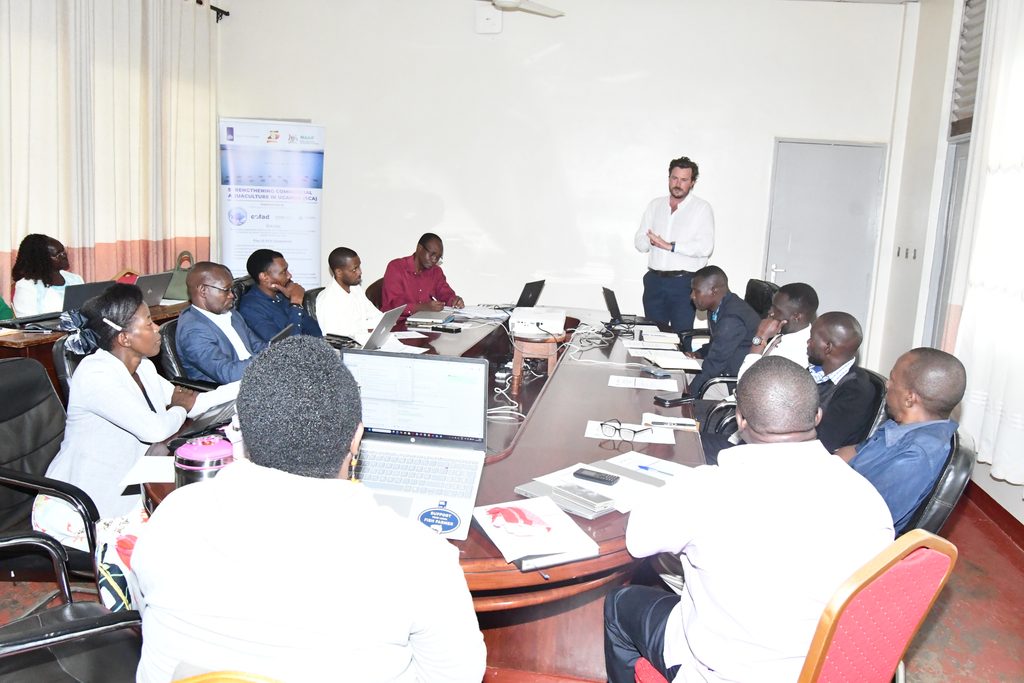
Digital Literacy and Complementary Skills: Discussions highlighted gaps in digital literacy, business and finance, entrepreneurship, project planning, soft skills, processing and traceability. Participants proposed grouping related topics under broader course areas. Recognizing that some of these subjects are already covered in existing units but are not consistently taught or applied, the team agreed to review the current content and determine whether to strengthen existing units or introduce new ones.
Fish Traceability and Food Safety: Traceability was identified as a priority for strengthening food safety, export readiness and consumer confidence. Participants recommended integrating practical traceability training across relevant courses to equip students with the skills to track fish along the value chain, from production and feed or treatment records through processing and transportation to sale. They also proposed strengthening the fish-processing course by incorporating practical activities, value addition and HACCP-related content, supported by appropriate facilities and equipment. The team will develop proposals using the established course template, identify relevant units offered by other departments and determine the most appropriate place for Digital Literacy within the programme.
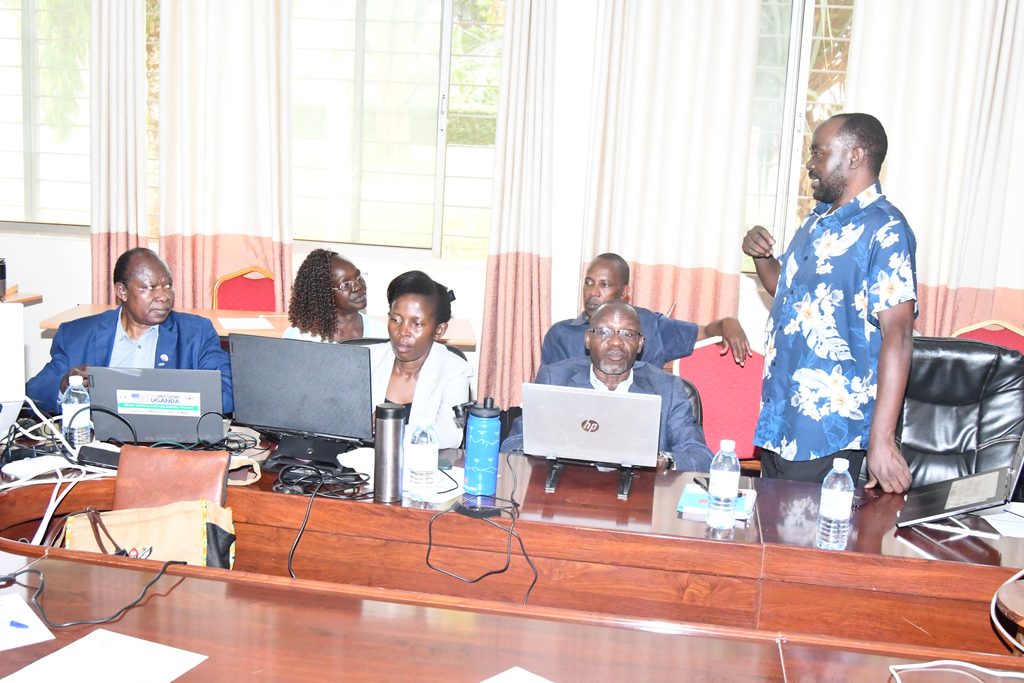
Fisheries Governance: Participants explored how the governance framework could inform course development and support the design of a continuing professional development short course. Proposed areas of coverage included policy and legal frameworks, regulatory compliance, planning, climate change, trade, equity and stakeholder engagement.
Overall, the workshop provided an opportunity to identify the curriculum priorities, practical training requirements and resources needed to develop coherent, industry-responsive and implementable CBET programmes in fisheries and aquaculture. Key priorities include strengthening practical training, fish processing, traceability, digital literacy, business skills and governance, while addressing gaps in facilities and equipment. The next steps will involve refining course content, reviewing existing and proposed units, and preparing the required regulatory and online curriculum documentation.