
pr.cns@mak.ac.ug

Mak Department of Mathematics, Industry Partners Explore Strategies to Strengthen Collaboration in Addressing Societal Challenges

The Department of Mathematics at Makerere University recently hosted a three-day workshop aimed at enhancing the contribution of mathematics to sustainable development, with a particular focus on strengthening academia-industry collaboration and advancing regional integration.
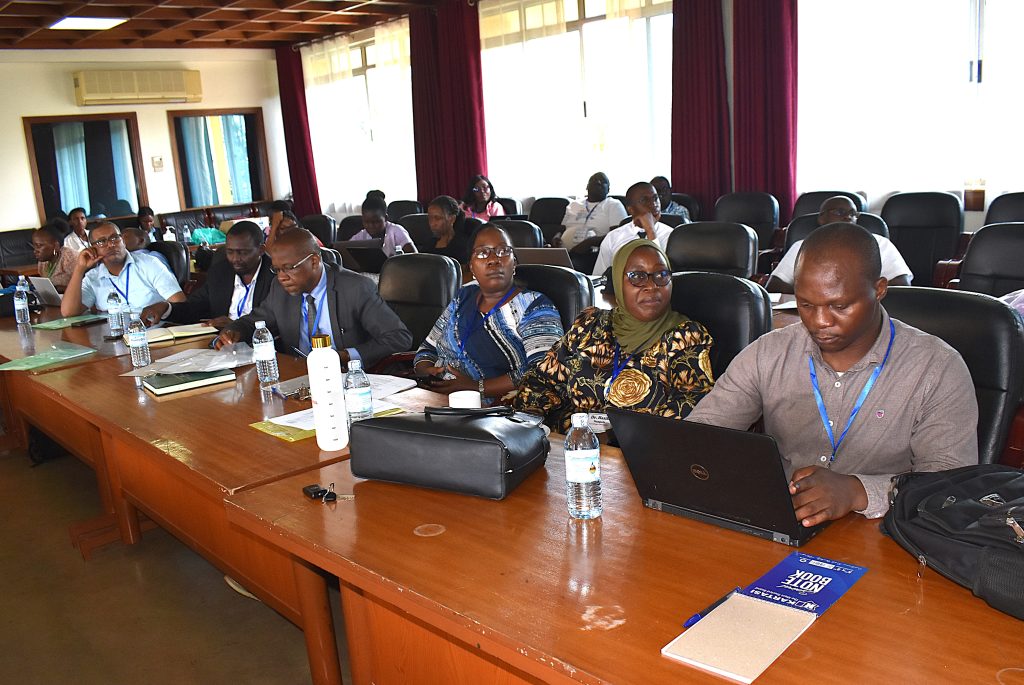
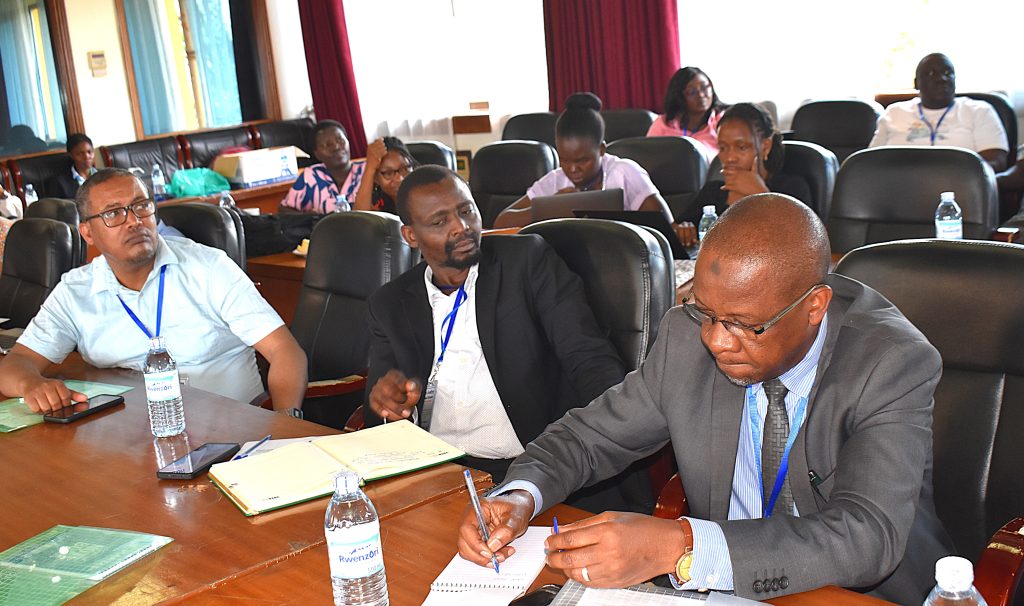
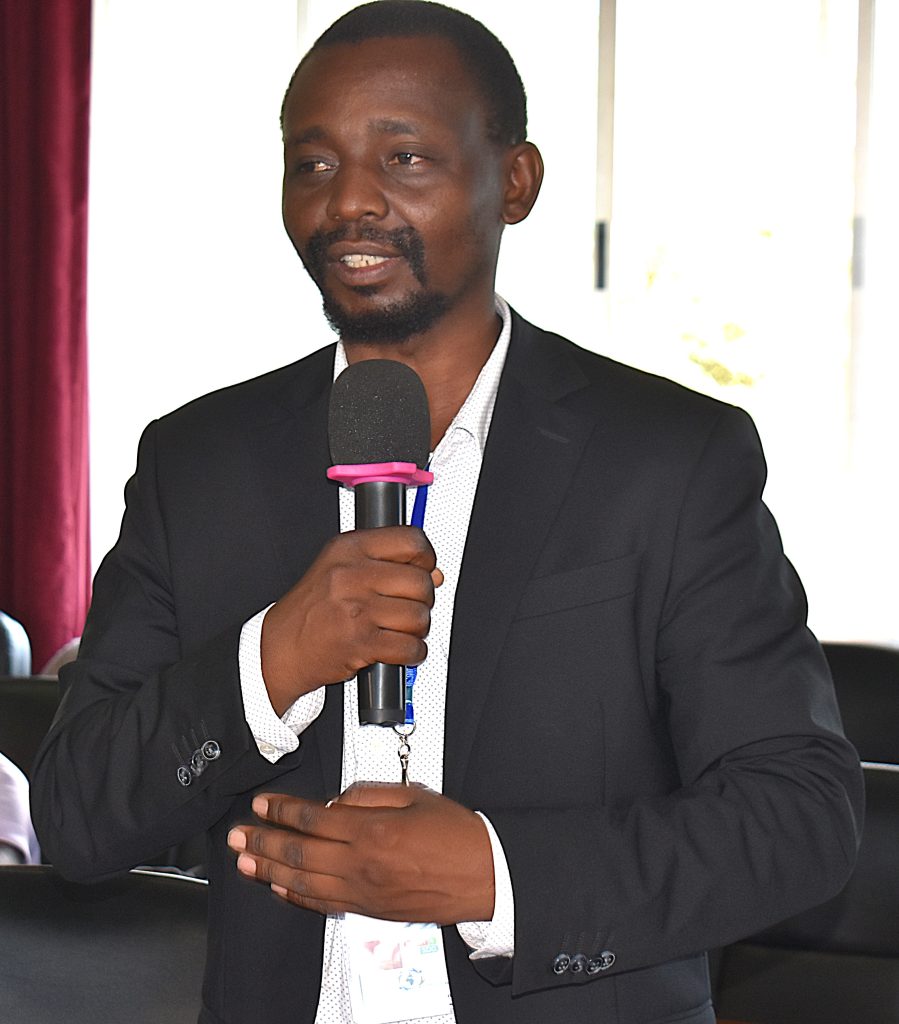
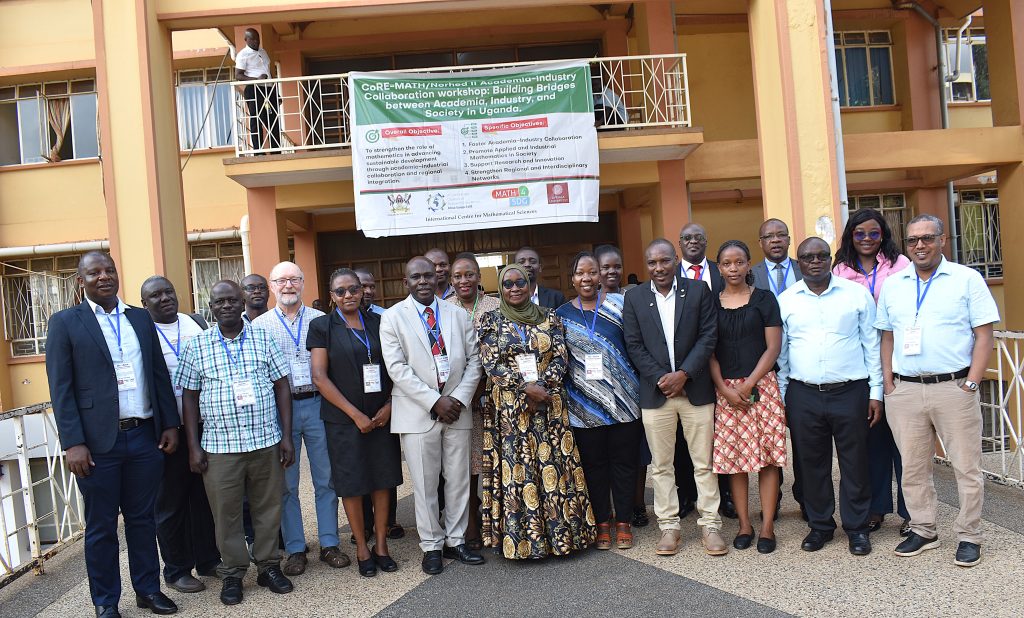
Held at the Senate Building, the workshop brought together academics, researchers, and industry practitioners from Uganda and across the East African region to discuss how mathematics can be more effectively applied to address pressing societal challenges.
The workshop formed part of the activities of the Africa-Europe Cluster of Research Excellence in Mathematics (CoRE-MATH) initiative, implemented in collaboration with the NORHED II project, Mathematics for Sustainable Development (Math4SDG). The programme seeks to establish sustainable structures and platforms for Academia-Industry-Society collaboration in applications-oriented mathematics and data science through Mathematics in Industry Contact Workshops (MICW) and Mathematics in Industry Study Groups (MISG).
Addressing the Academia–Industry Gap
Despite significant growth in mathematical research across East Africa in recent years, its impact on industry and broader societal development remains limited. This gap is largely driven by weak knowledge transfer mechanisms and a lack of structured collaboration between academia and industry.
The workshop was designed as a “contact forum” to foster direct engagement between researchers and industry representatives, with the aim of identifying practical challenges that can be addressed through mathematical modelling, data science, and computational techniques.
Specific Objectives
- Foster academia-industry collaboration
- Promote applied and industrial mathematics in society
- Support research and innovation
- Strengthen regional and interdisciplinary networks
Coordination and Leadership
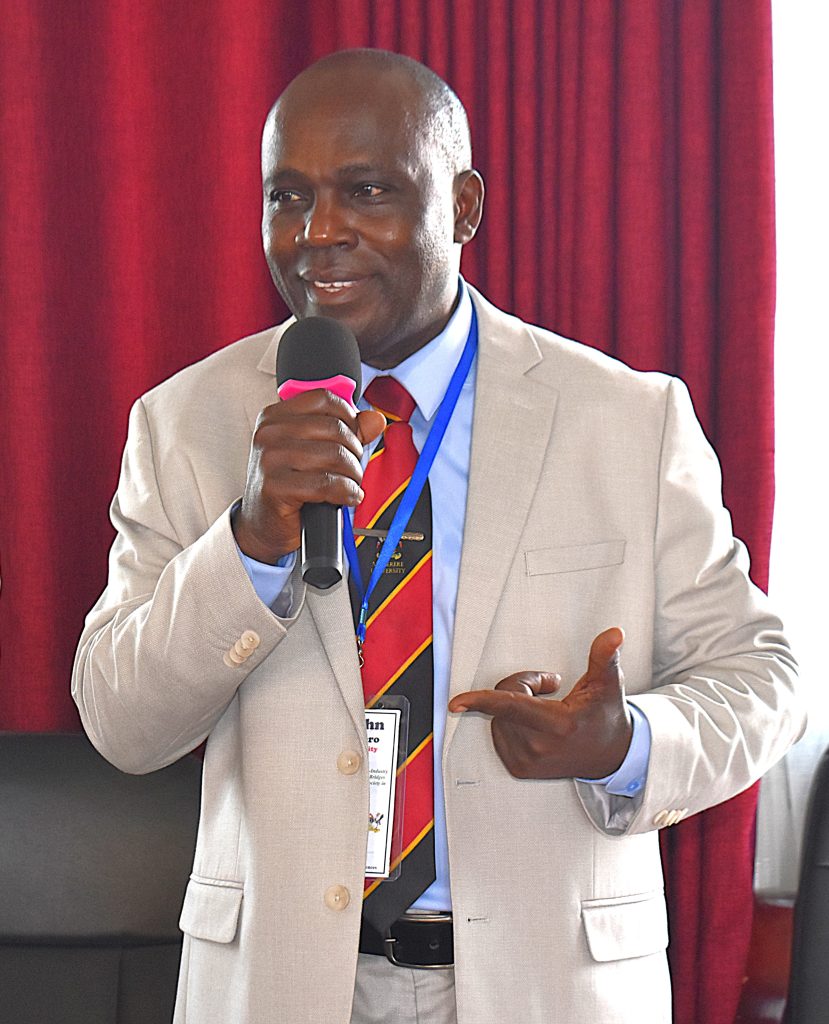
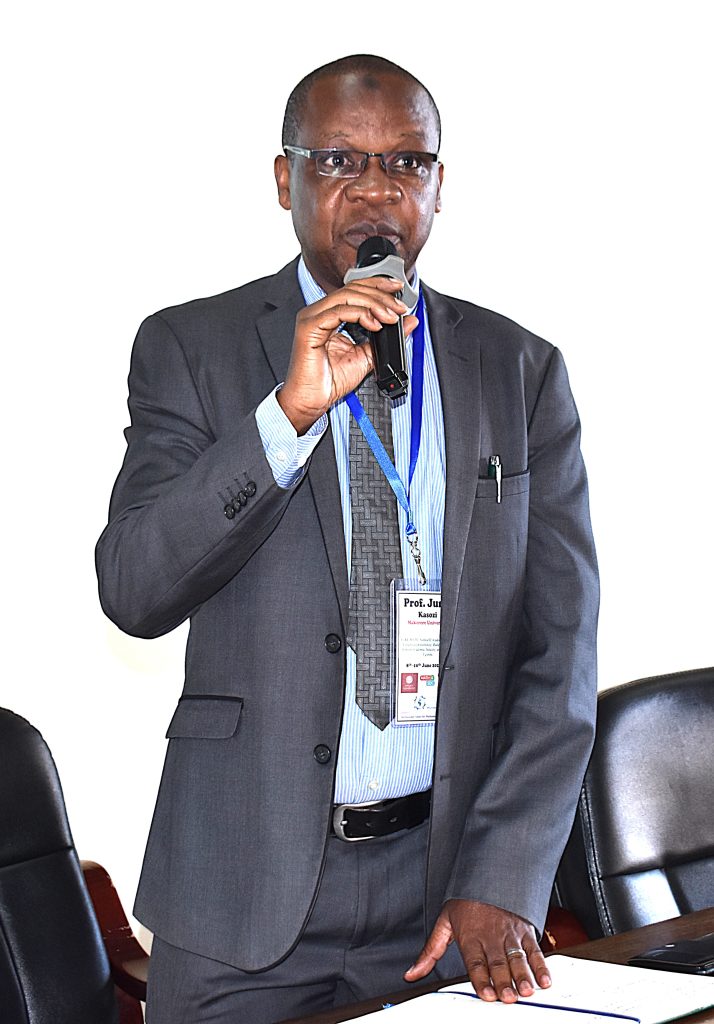
The CoRE-MATH (Africa–Europe Cluster of Research Excellence in Mathematics) is co-led by Prof. John Mango Magero (Makerere University) and Prof. Bengt Ove Turesson (International Science Programme / Uppsala University, Sweden). They Coordinate the cluster’s activities across African and European partner universities.
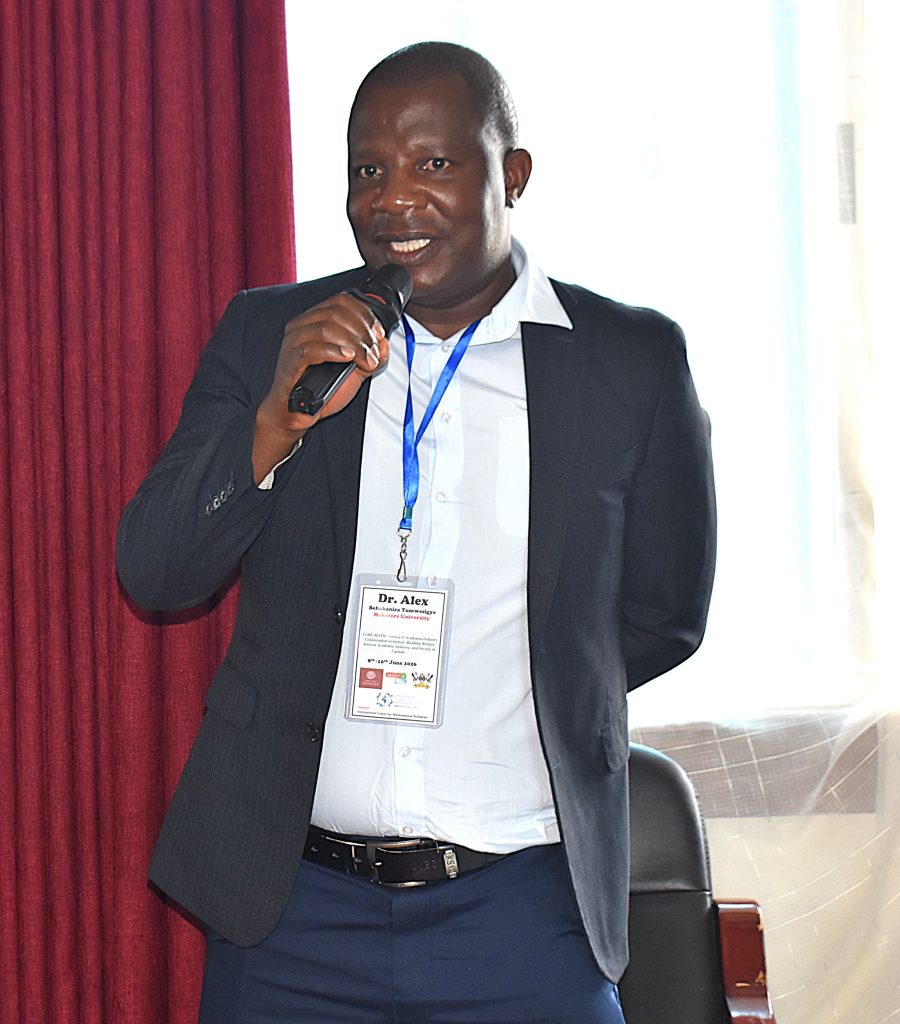
The workshop was coordinated by Prof. John Mango Magero and Dr. Alex Behakanira, Senior Lecturer at the Department of Mathematics and member of the academic network contributing to capacity building and collaborative research activities in the CoRE-MATH initiative.
Expert Insights on the Role of Mathematics in Real-World Challenges
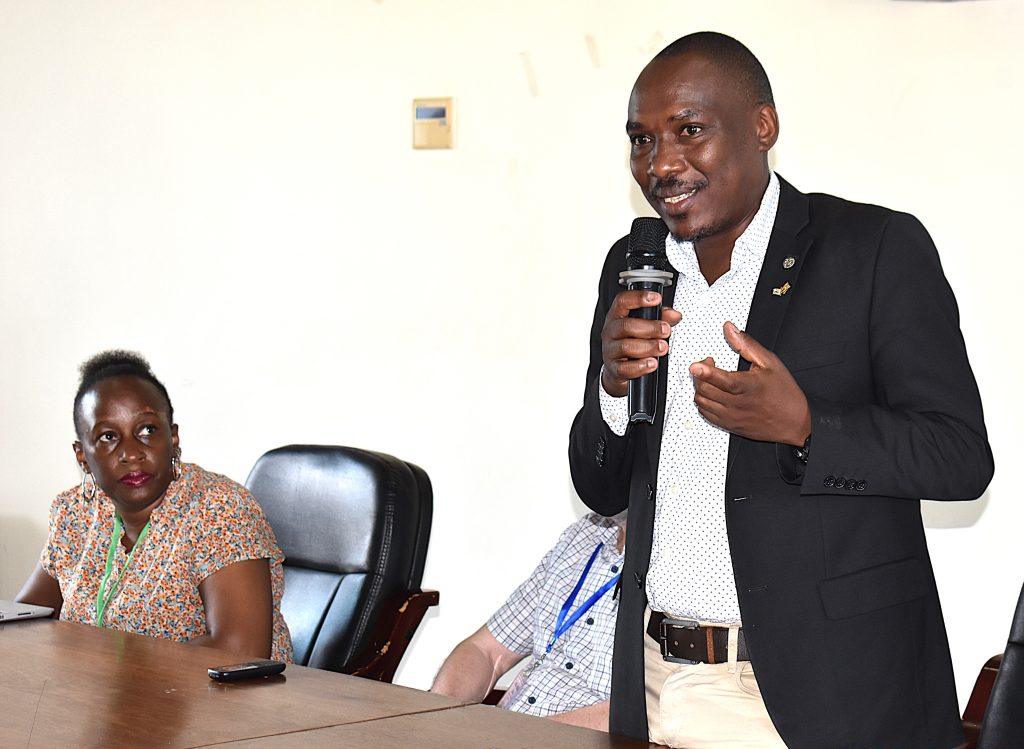
A key highlight of the workshop was a series of technical presentations demonstrating the wide-ranging relevance of mathematical sciences in addressing real-world challenges across health, urban development, energy, finance, agriculture, and environmental systems. The presentations reinforced the workshop’s overarching goal of strengthening academia-industry collaboration through applied research and innovation.
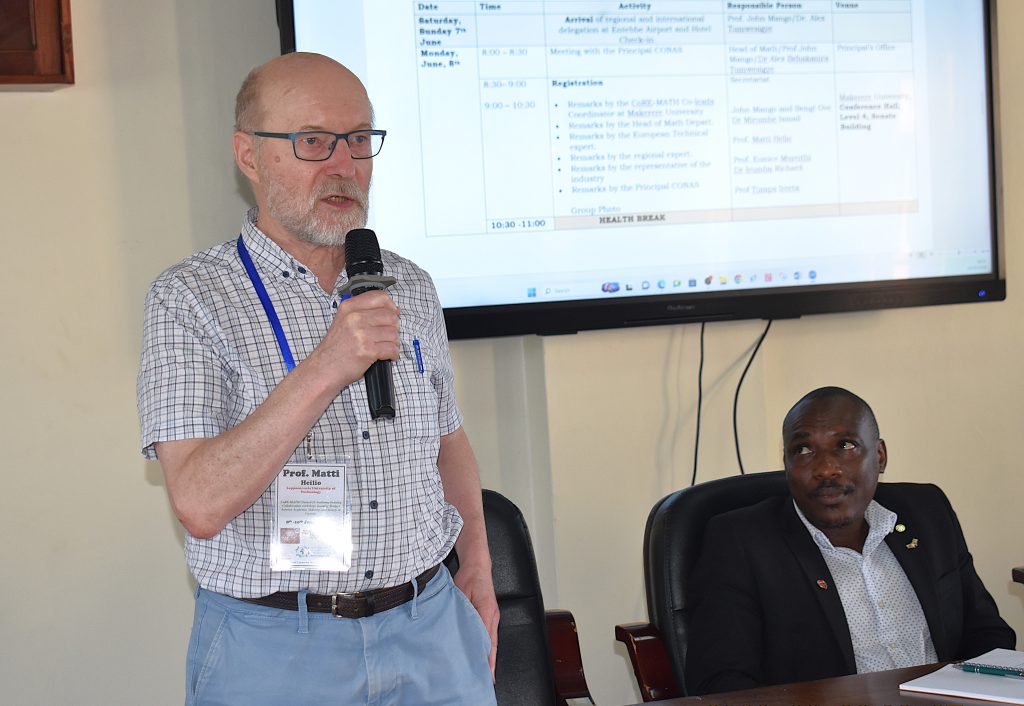
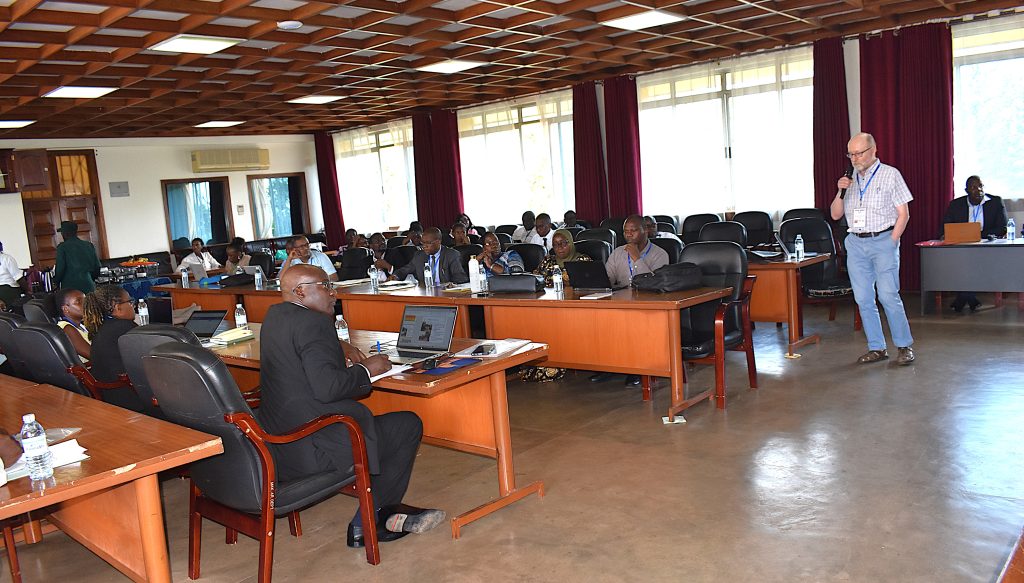
European technical expert, Prof. Matti Heilio, set the tone with a keynote address on the global evolution of industrial mathematics. He outlined how structured partnerships between universities and industry have historically driven innovation and economic transformation in advanced economies, and emphasized the importance of building similar ecosystems to support Uganda’s research and innovation agenda.
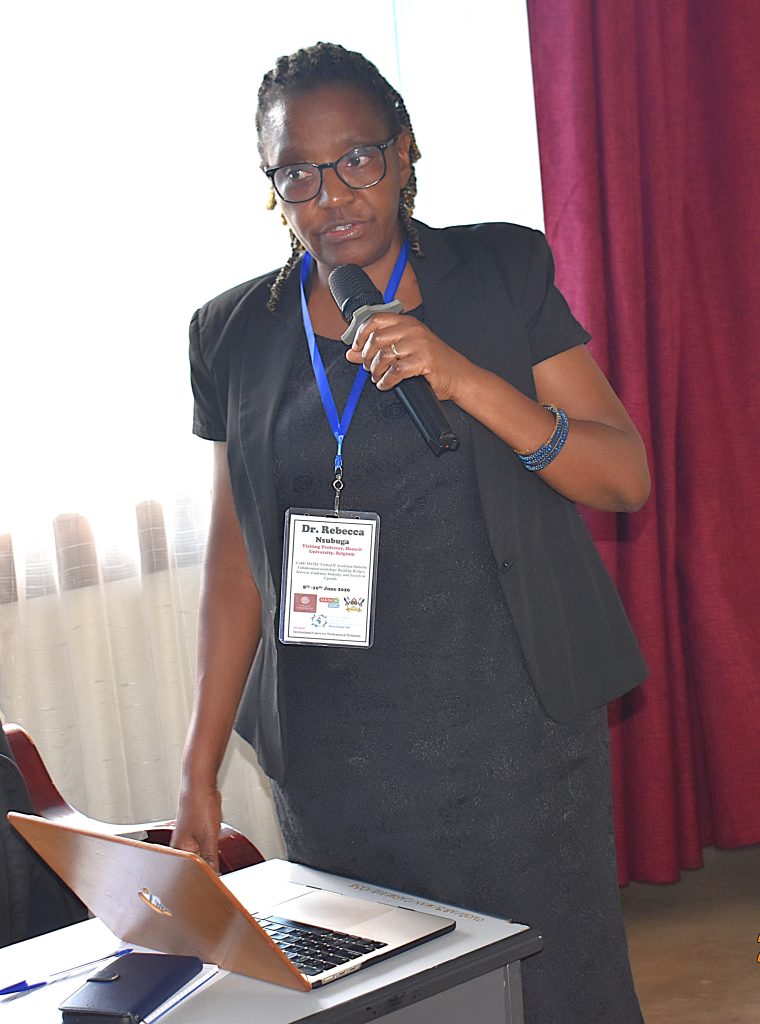
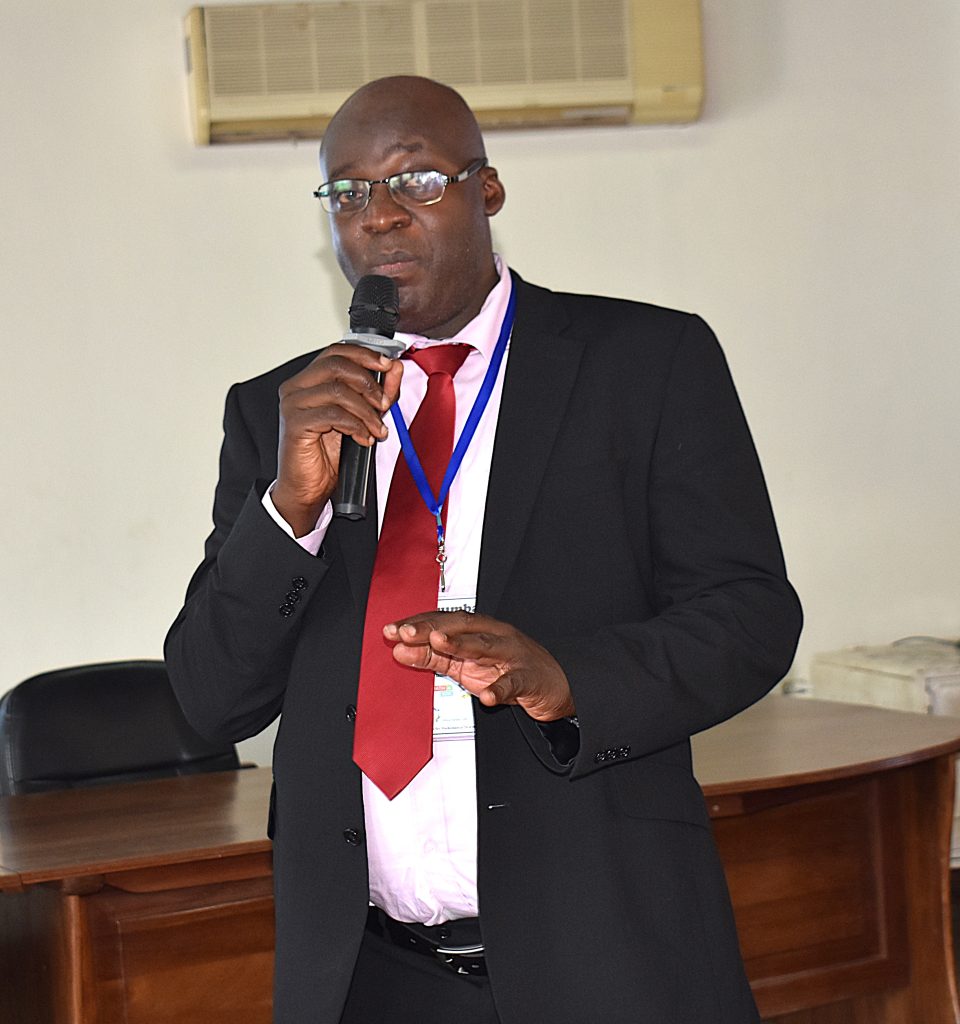
In her presentation, Dr. Rebecca Nsubuga, Visiting Professor at Hasselt University, Belgium, shared insights on the growing role of mathematical methods in medical research and clinical decision-making. Similarly, Dr. Irumba Richard, former Director of Physical Planning at Kampala Capital City Authority, demonstrated how mathematical modelling can inform sustainable urban planning in rapidly growing cities such as Kampala. His presentation highlighted the importance of data-driven planning tools in managing urban expansion and infrastructure pressures.
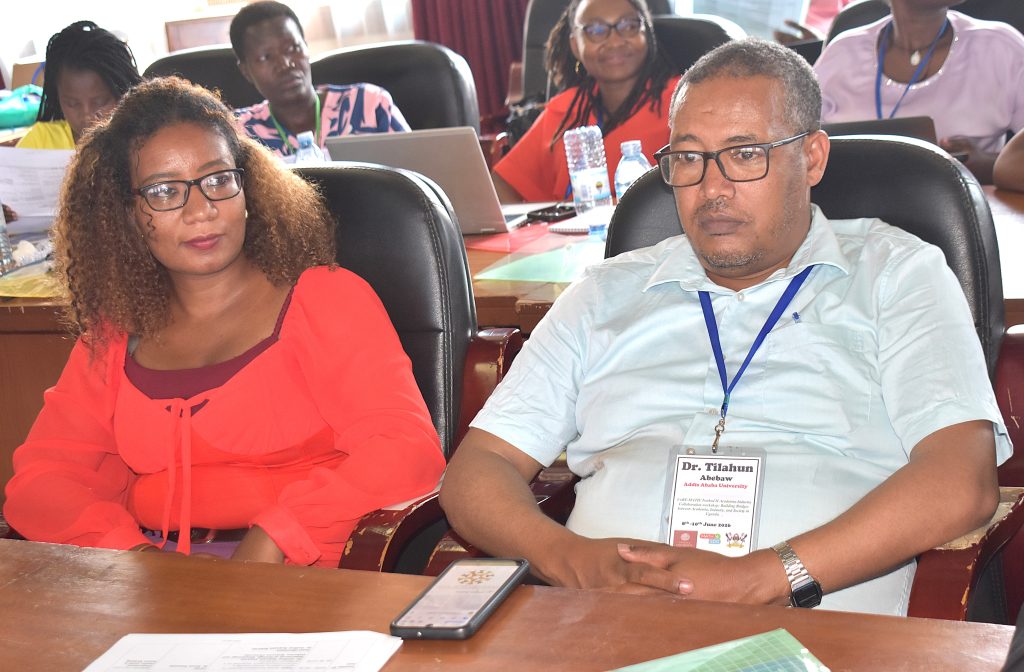
Focusing on aquaculture, Dr. Kubiriza Kawooya Godfrey, Head of the Department of Zoology, Entomology and Fisheries Sciences at Makerere University explained how investment and production decisions are fundamentally grounded in mathematical reasoning. He emphasized the need for robust modelling of biological and economic variables to enhance productivity, efficiency, and decision-making in the sector.
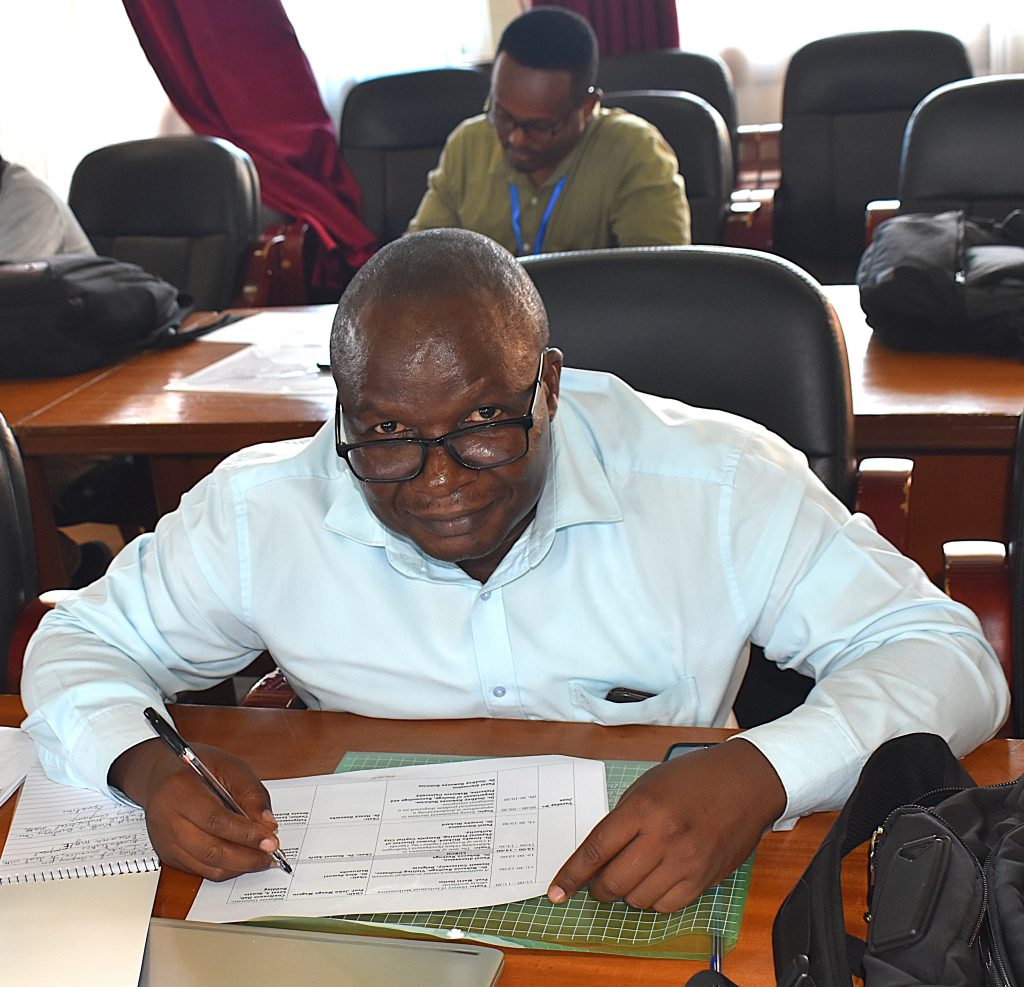
Dr. Dennis Ndanguza from the University of Rwanda presented mathematical models supporting the extraction of methane from Lake Kivu, illustrating how applied mathematics can contribute to sustainable energy development and improved resource management.
From the financial sector, Mr. Grace Semakula of Stanbic Bank Group highlighted the growing importance of mathematical sciences in enhancing financial decision-making, risk assessment, and long-term investment planning. From the healthcare sector, Dr. Iddi Ndyabawe presented on retinopathy of prematurity in Uganda, showing how quantitative approaches can improve early diagnosis, guide clinical interventions, and ultimately enhance treatment outcomes for vulnerable neonatal populations.
Towards Sustainable Collaboration
The workshop concluded with a shared commitment to sustained engagement between universities and industry, aimed at ensuring that mathematical research contributes more directly to economic development and societal needs.
Participants recommended the establishment of structured follow-up activities, including future Mathematics in Industry Study Groups, where selected industrial challenges will be further explored through joint academic–industry research teams.
About the CoRE-MATH Initiative
The CoRE-MATH (Cluster of Research Excellence in Mathematics) Initiative is an Africa-Europe collaborative research programme established in 2024 under the partnership of the African Research Universities Alliance (ARUA) and The Guild of European Research-Intensive Universities.
The initiative seeks to strengthen mathematics research, postgraduate education, and academic collaboration between African and European universities. Its core objectives include building research capacity in African institutions, enhancing the quality and volume of joint mathematical research, supporting doctoral training, and promoting the participation of women in mathematics. It also aims to apply mathematical knowledge to address social, economic, and developmental challenges across Africa.
The initiative brings together leading universities from both continents. African partner institutions include Makerere University, the University of Nairobi, the University of Rwanda, the University of Dar es Salaam, Addis Ababa University, the University of Zambia, and Stellenbosch University. These institutions collaborate with European universities such as Uppsala University, the University of Amsterdam, and the University of Oslo.
Through joint research projects, academic exchanges, workshops, conferences, and collaborative PhD programmes, CoRE-MATH fosters knowledge sharing and strengthens international research networks. In Uganda, Makerere University plays a central role in advancing mathematical sciences and developing highly skilled researchers for the region.
Pictorial of the workshop: https://drive.google.com/drive/folders/1if6y8bYPOt8vW6Tm6k50Wspg0XFibl02?usp=sharing