
pr.cns@mak.ac.ug

CoNAS Strengthens Capacity of Staff to Implement Competency-Based Education

As the world of work continues to evolve, employers are increasingly seeking graduates who possess not only theoretical knowledge but also practical skills, problem-solving abilities, creativity, digital competence, and the ability to adapt to the rapidly changing technological and professional environments. In response to these demands, Uganda is embracing Competency-Based Education and Training (CBET), an approach that emphasizes the practical application of knowledge and skills needed to perform effectively in real-world settings.
Following the introduction of the Competency-Based Curriculum in secondary schools in 2019, the Ministry of Education and Sports directed institutions of higher learning to transition to competency-based education by 2027. The reform requires universities to redesign their curricula, adopt learner-centred teaching methods, strengthen practical training, and implement authentic assessment approaches that prepare graduates for both formal and informal employment.
Building Capacity for Competency-Based Education
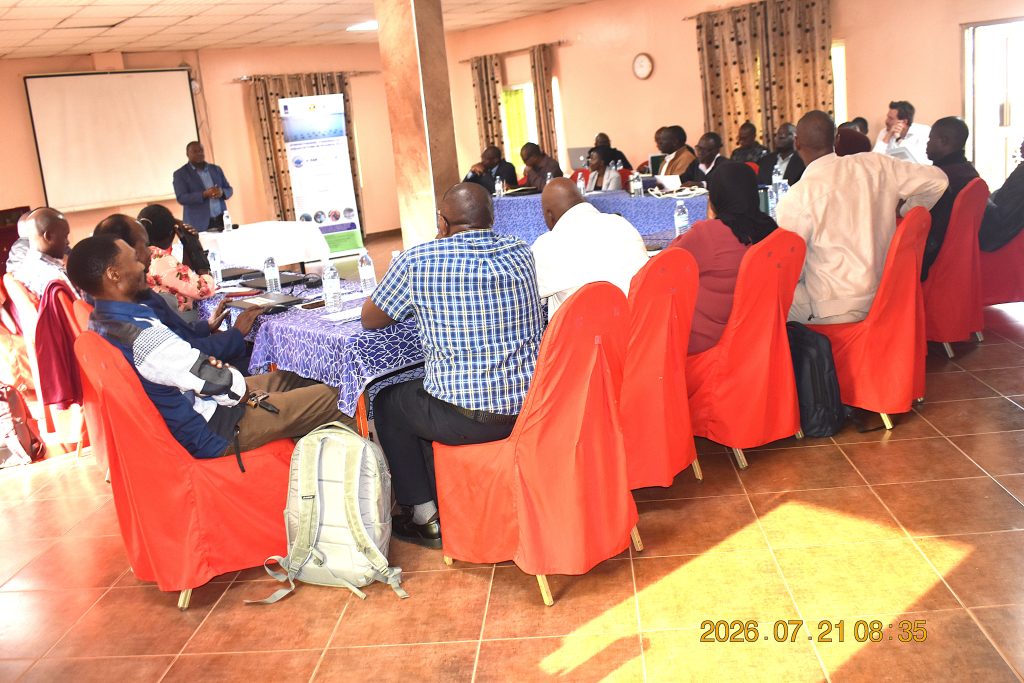
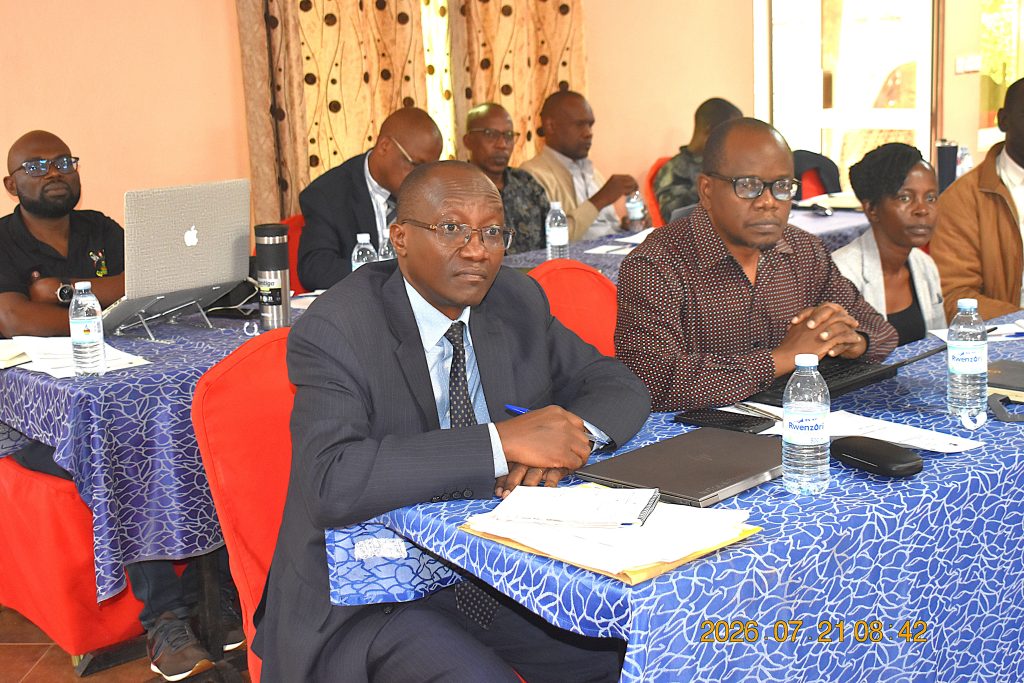
In support of this national transition, Makerere University is strengthening the capacity of its staff to develop and implement competency-based programmes. From 21st to 23rd July 2026, the College of Natural Sciences (CoNAS) conducted a three-day capacity-building training for academic and technical staff to deepen their understanding of CBET principles and equip them with the skills required to design, deliver, and assess competency-based curricula.
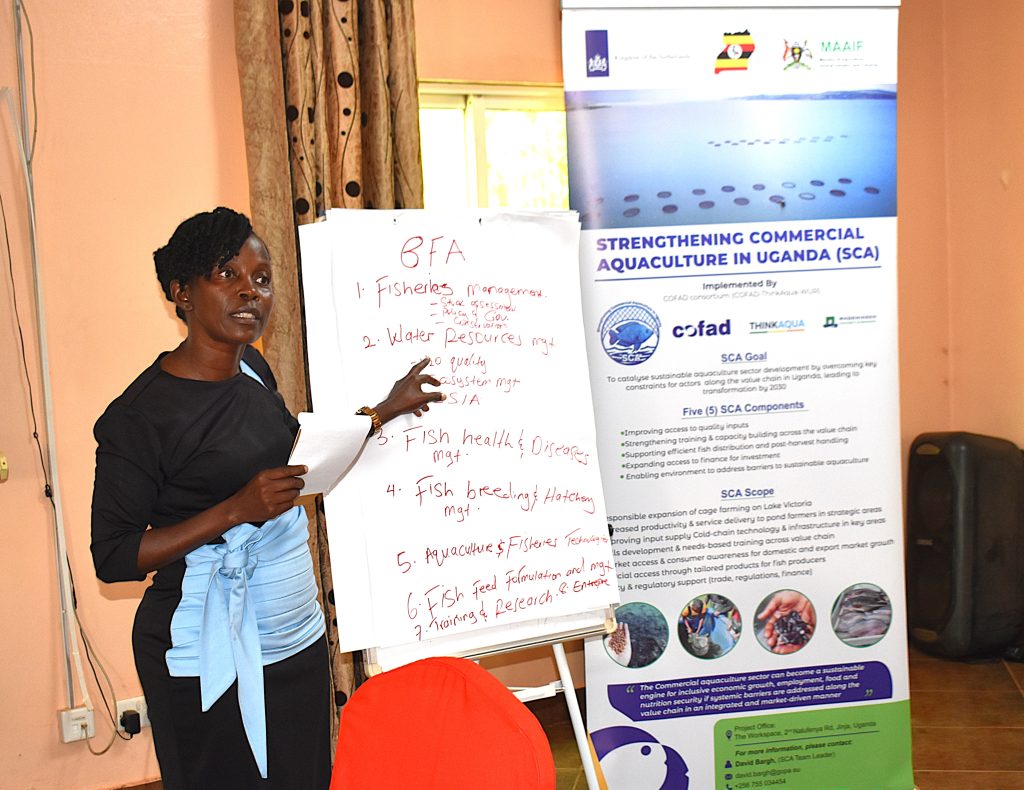
Held at Ridar Hotel in Seeta, the training was conducted with support from the Strengthening Commercial Aquaculture (SCA) Programme, funded by the Embassy of the Kingdom of the Netherlands in Kampala (EKN) and implemented by the COFAD Consortium (COFAD–ThinkAqua–WUR). The programme is also supporting the Department of Zoology, Entomology and Fisheries Sciences (ZEFS) to review its undergraduate and postgraduate aquaculture programmes to align them with competency-based education and the evolving needs of Uganda’s growing commercial aquaculture sector.
The transition of ZEFS programmes to CBET presents a strategic opportunity for Makerere University to develop a flagship model for science-based competency-based education that could inform implementation across the University.
The Training Workshop
Officially opened by the Deputy Principal of the College of Natural Sciences (CoNAS), Prof. Juma Kasozi, the training was attended by staff from the Departments of Zoology, Entomology and Fisheries Sciences; Plant Sciences; Microbiology and Biotechnology; Biochemistry and Systems Biology; Exercise and Sports Science; and Chemistry. It was coordinated by Dr. Godfrey Kawooya Kubiriza, Head of the Department of Zoology, Entomology and Fisheries Sciences and one of the coordinators of the Competency-Based Education and Training (CBET) Programme at Makerere University.
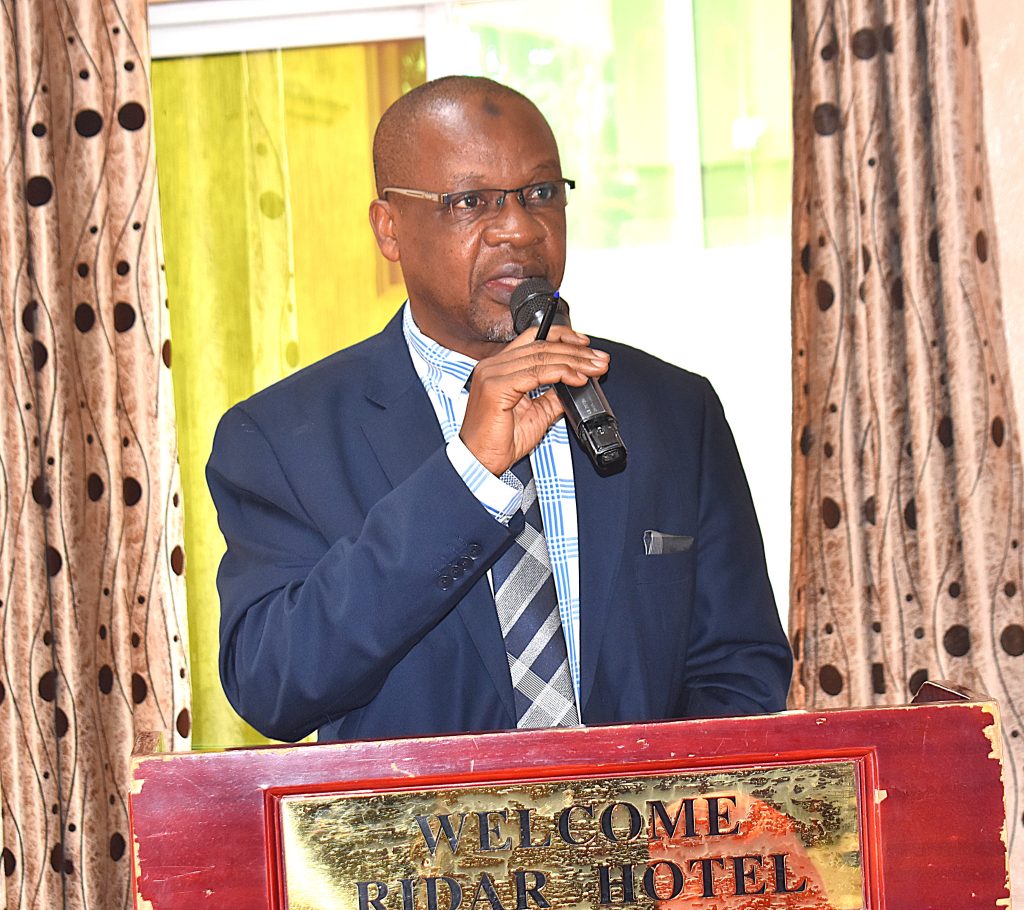
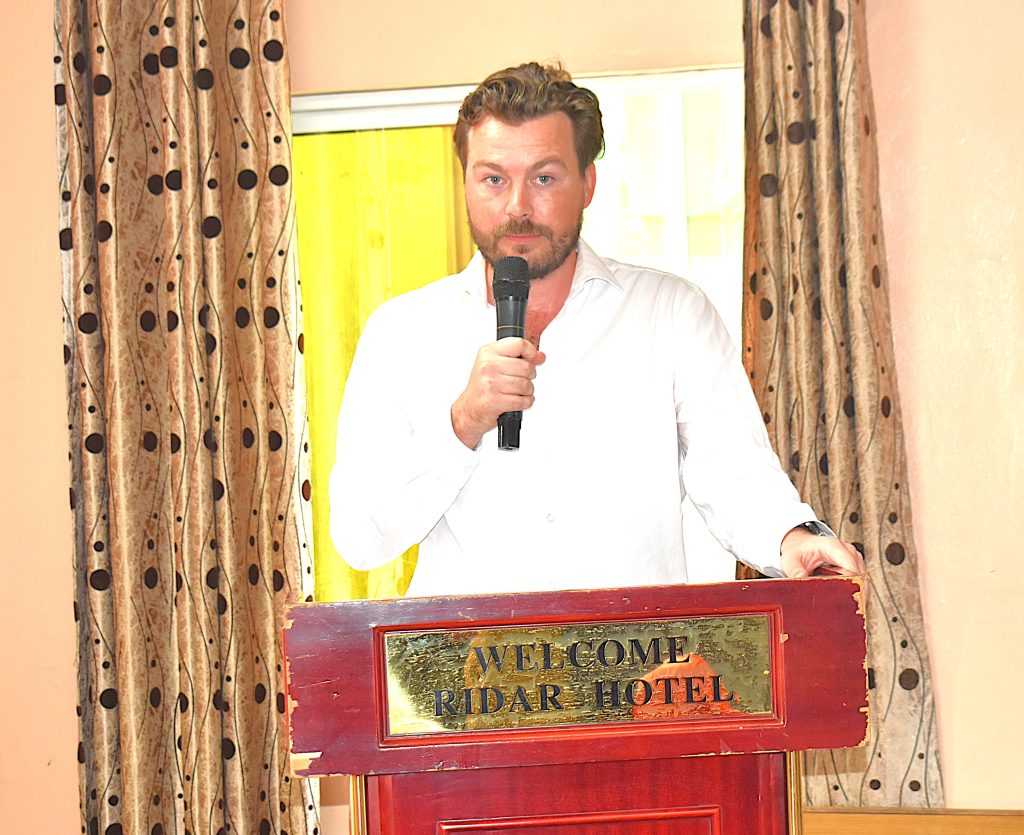
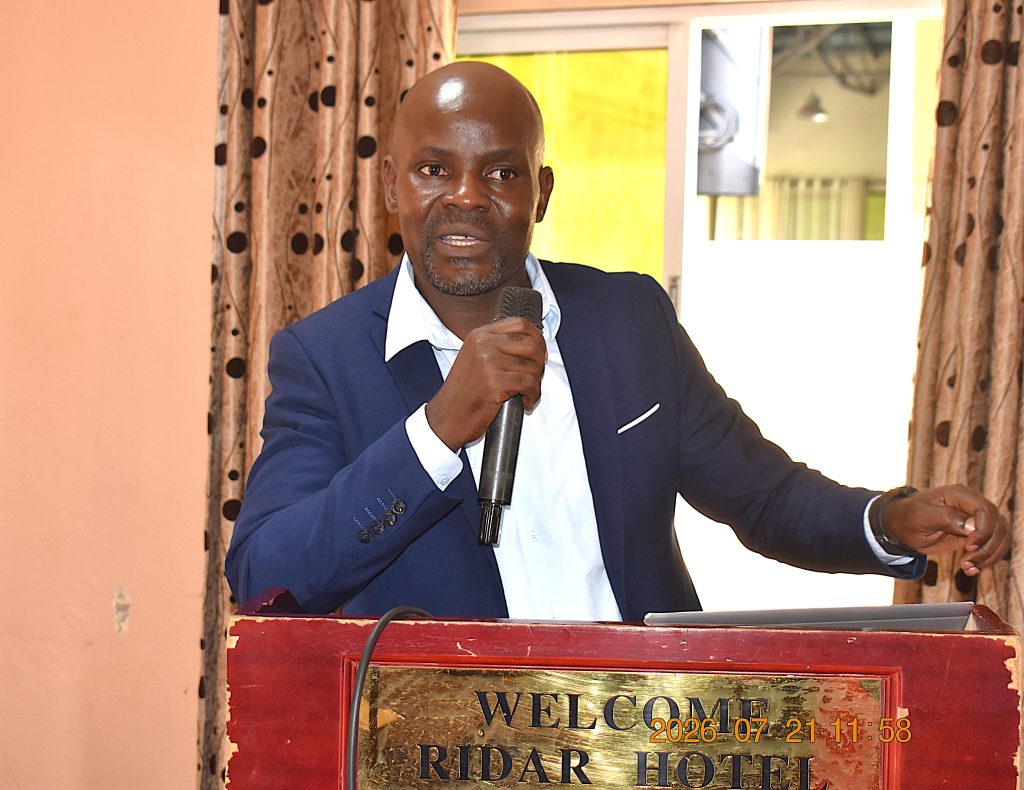
The facilitators included Mr. Joshua Kunya, TVET Specialist and Training Consultant; Mr. Richard Basalirwa, an associate consultant and process expert with Skills Initiative Uganda; Dr. Cyprian Misinde, Director of Quality Assurance at Makerere University; and Mr. Maurice Ssebisubi, Lead Consultant for the Diagnostic and Rapid Needs Assessment of the BSc Fisheries and Aquaculture and MSc Zoology (Fisheries and Aquaculture) curricula at Makerere University.
Throughout the training, participants explored the principles of competency-based education and examined how universities can move beyond traditional knowledge transmission towards teaching and learning approaches that develop and improve practical competence, critical thinking, innovation, teamwork, communication, ethical leadership, digital literacy, and entrepreneurship.
Presentations also examined Makerere University’s curriculum development framework, emphasizing the importance of aligning academic programmes with national quality assurance standards, labour market demands, and international best practices. Participants underscored the need for curriculum reform to be informed by industry requirements and designed to produce graduates who can effectively apply their knowledge and skills in professional, entrepreneurial, and community settings.
Recommendations from the Diagnostic Assessment of the BSc & MSc Fisheries & Aquaculture
A key highlight of the training was the presentation of findings from a diagnostic assessment of the Bachelor of Science in Fisheries and Aquaculture and the Master of Science in Zoology (Fisheries and Aquaculture) programmes, conducted under the leadership of Mr. Maurice Ssebisubi. The assessment involved curriculum reviews, surveys of alumni and students, and consultations with employers and other stakeholders. It found that, although the programmes provide a strong scientific foundation, they require further strengthening to fully meet the requirements of competency-based education.
The assessment identified several gaps, including limited opportunities for practical and workplace learning, inadequate digital competencies, insufficient enterprise and business management skills, heavy reliance on end-of-semester examinations, and learning outcomes that place greater emphasis on knowledge acquisition than on the demonstration of competence.
To address these gaps, the assessors recommended revising learning outcomes, strengthening partnerships with industry, expanding supervised workplace learning, integrating digital technologies, modernising technical content, and adopting continuous competency-based assessment approaches.
Programme Review
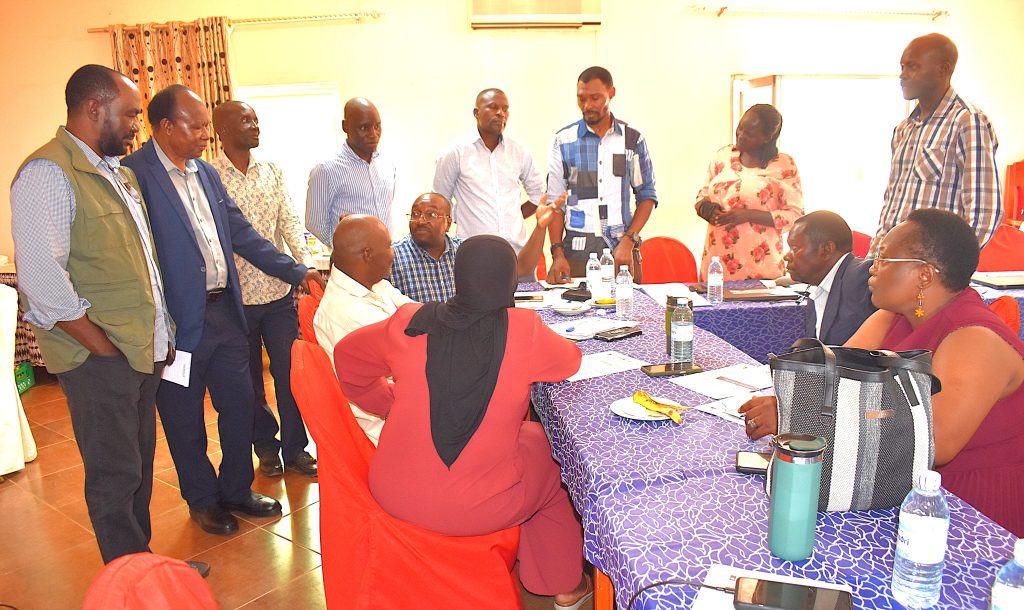
During the practical sessions, participants worked in departmental groups to review existing curricula and redesign programme objectives, learning outcomes, teaching strategies, and assessment methods in line with CBET principles. These collaborative exercises enabled staff to begin developing curricula that are more learner-centred, industry-responsive, and aligned with Uganda’s national development priorities.
Participants identified several institutional requirements for the successful implementation of CBET, including increased investment in infrastructure and teaching resources, continuous staff development, strengthened quality assurance systems, and closer collaboration with industry.
While acknowledging that the transition to competency-based education will require significant institutional commitment and resources, participants noted that it presents an important opportunity to enhance graduate employability, foster innovation, strengthen industry linkages, and increase the contribution of universities to Uganda’s socio-economic development.
SCA Programme Reaffirms Support for Aquaculture Education
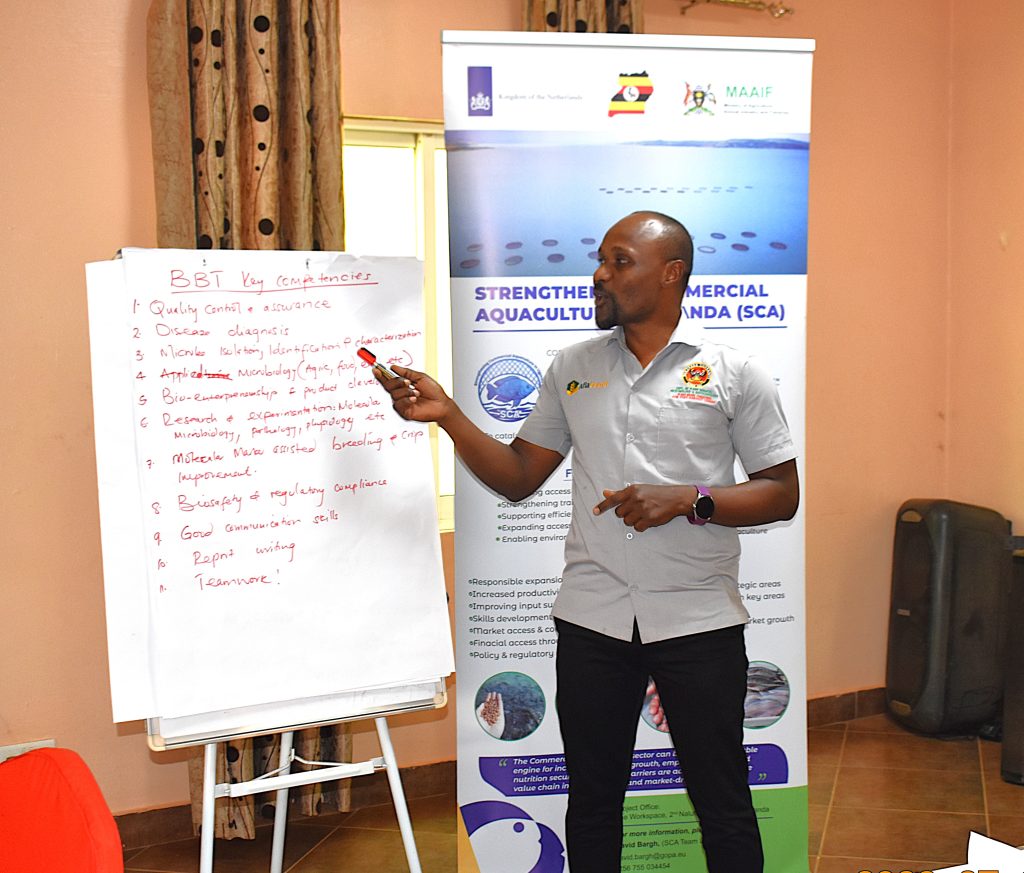
Speaking at the training, David Bargh, Team Leader of the Strengthening Commercial Aquaculture (SCA) Programme, reaffirmed the programme’s commitment to supporting Makerere University in strengthening aquaculture education and aligning its programmes with the evolving needs of the sector.
“A strong aquaculture sector requires skilled professionals. This is why curriculum reform is so important. Competency-based education focuses not only on what students know, but also on what they can do. Your role as lecturers and technicians is therefore central to producing graduates who are practical, innovative, and equipped to contribute meaningfully to Uganda’s aquaculture development.”
Appreciation to the funders
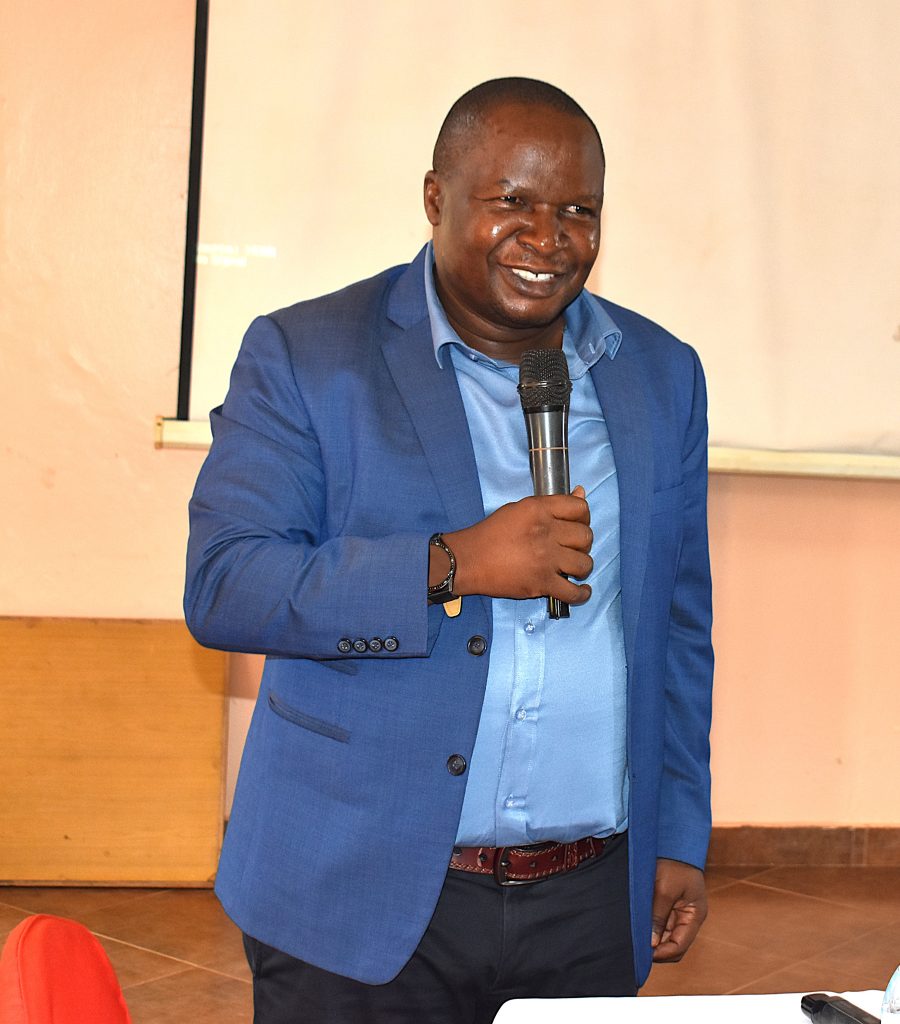
Addressing the participants, Prof. Juma Kasozi, Deputy Principal of (CoNAS), appreciated the funders for the support towards strengthening the quality, relevance, and impact of university education. He emphasized that Makerere University occupies a unique position in Africa’s academic landscape and therefore has a responsibility to remain responsive to the changing needs of society and the world of work. While acknowledging the University’s achievements and long-standing contribution to higher education, he noted that the rapidly changing social, economic, technological, and professional environment requires universities to rethink how they prepare graduates for the future. “Students should leave the university with more than academic qualifications – they should possess the practical skills, competencies, creativity, critical thinking, and problem-solving abilities needed to apply their knowledge effectively in the workplace and contribute meaningfully to national development.”
Dr. Godfrey Kawooya Kubiriza, Coordinator of the training and the CBET Programme equally appreciated the funders for the support. He underscored the need for staff to embrace the shift in mindset required by CBET, noting that successful implementation will depend on the ability of lecturers and technical staff to move beyond traditional approaches to teaching and assessment. He expressed optimism that the training would provide a strong foundation for the participating departments to develop and implement programmes that respond effectively to the changing needs of students, employers, industry, and society.
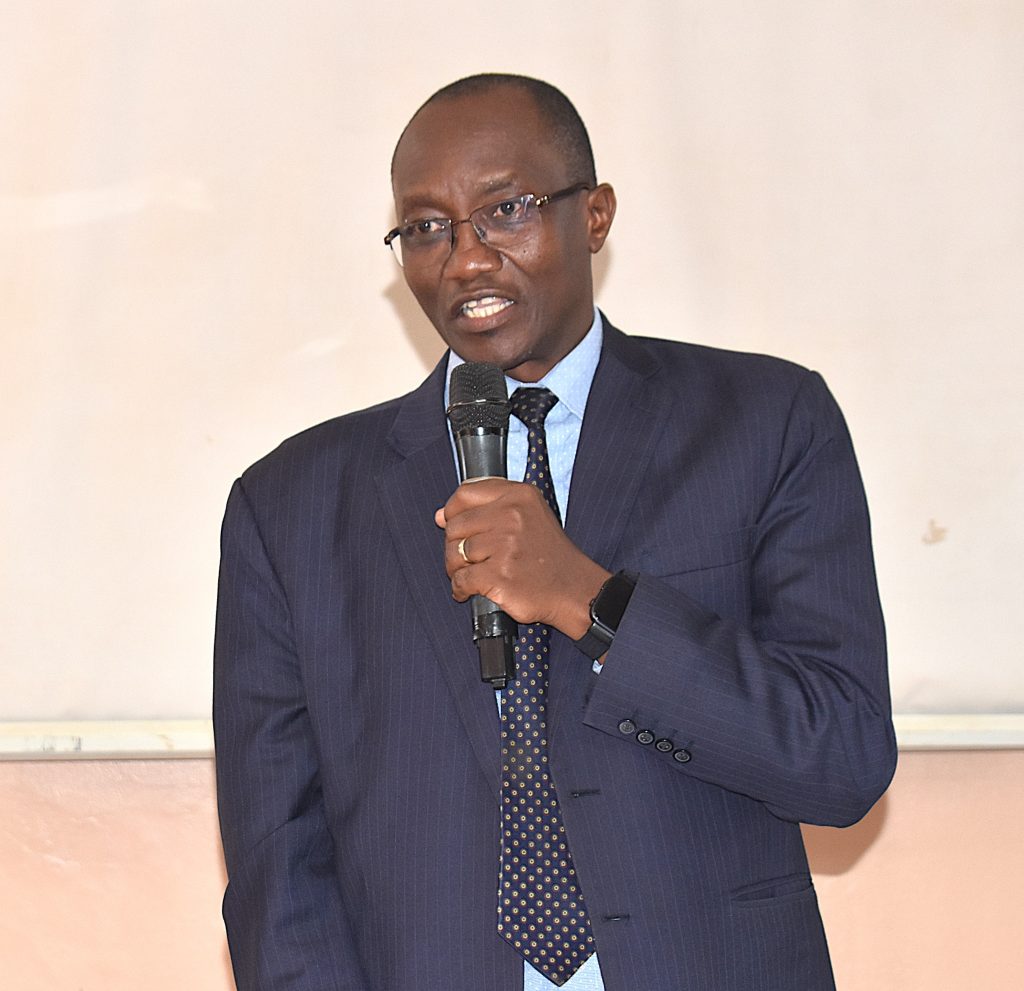
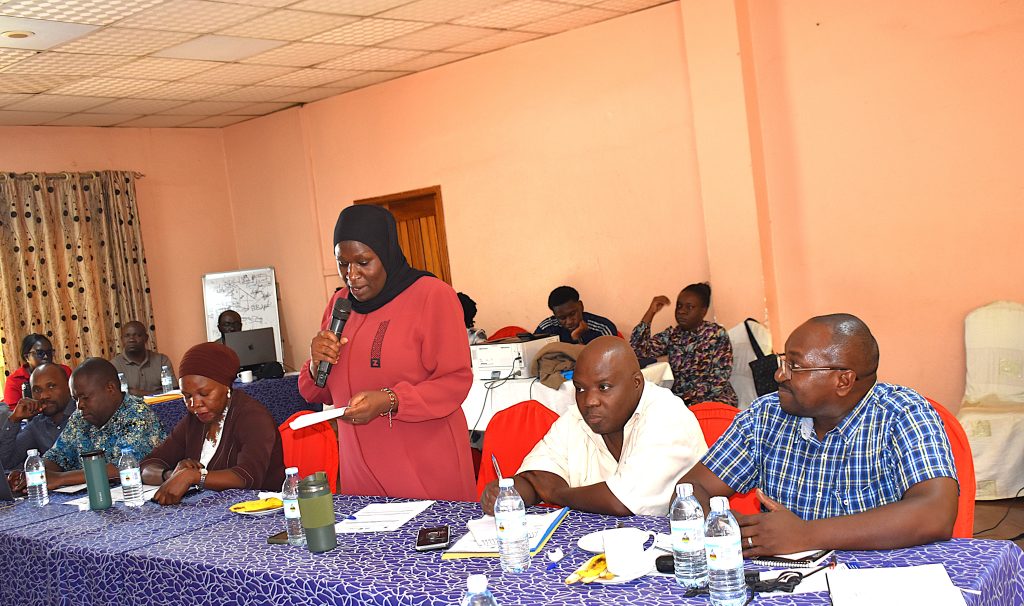
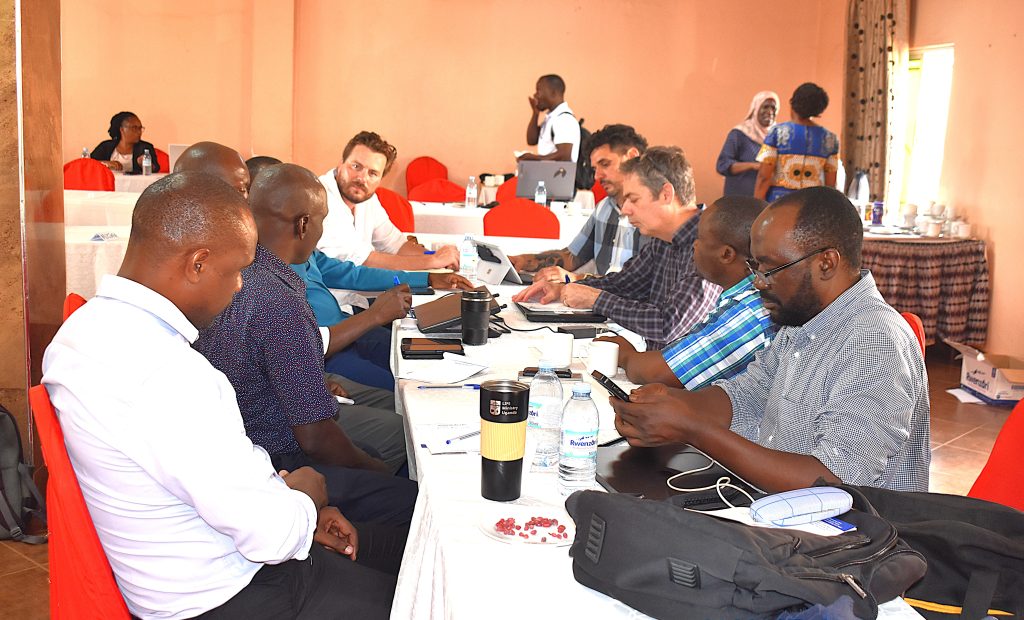
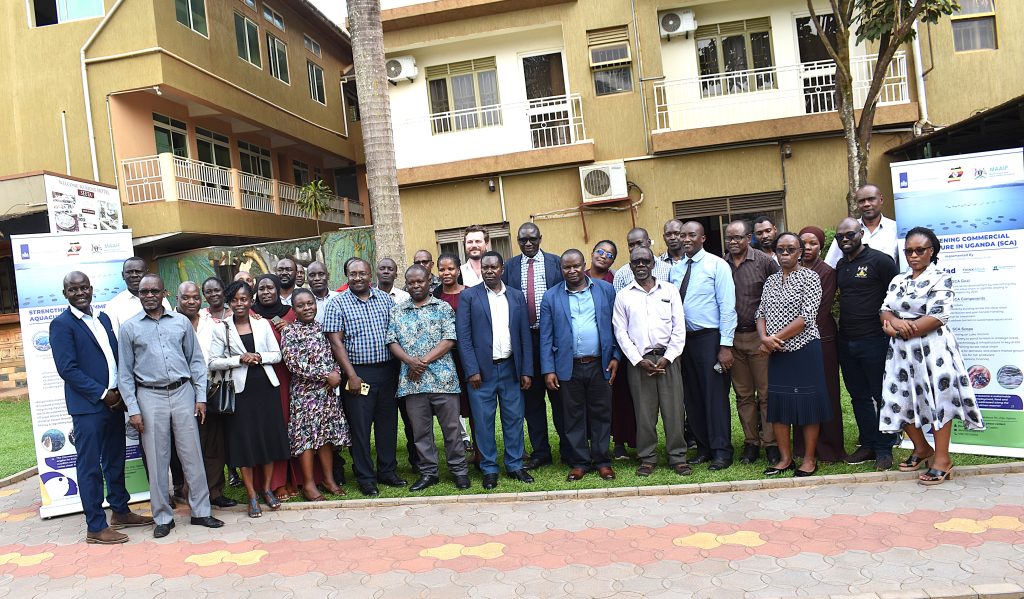
Photo highlights from Day One of the training: https://drive.google.com/drive/folders/1DZ_yEI2008uGo48C7hRyBZO8Dimxi_ky?usp=sharing
Photo highlights from Day Two and Three: https://drive.google.com/drive/folders/1XvsM3yggYG7FKX30binqpITB0wPBulhQ?usp=sharing