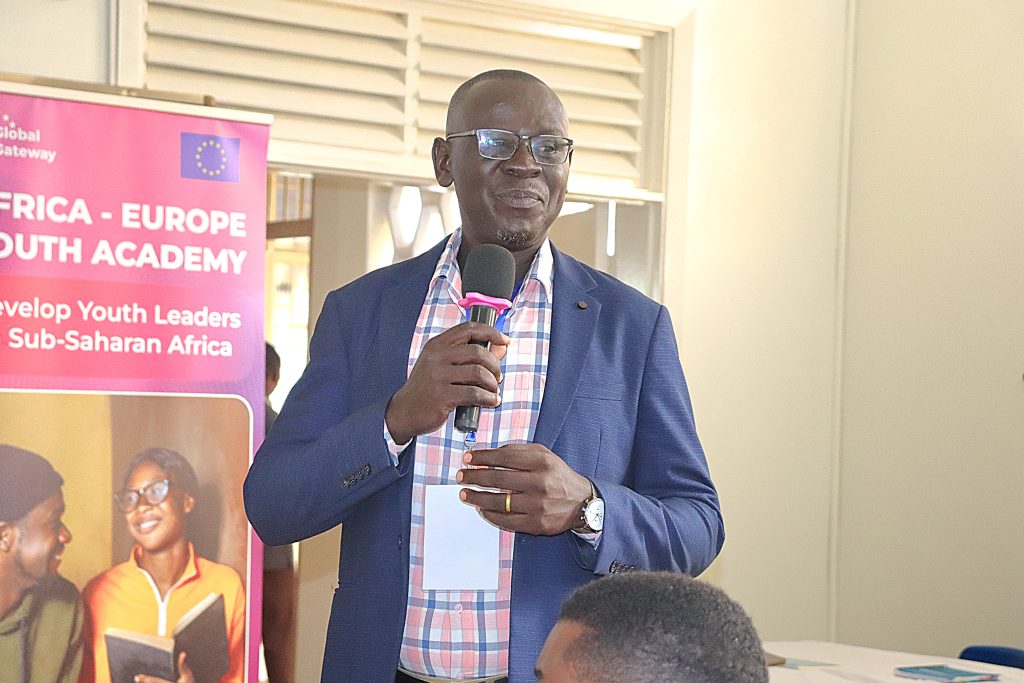
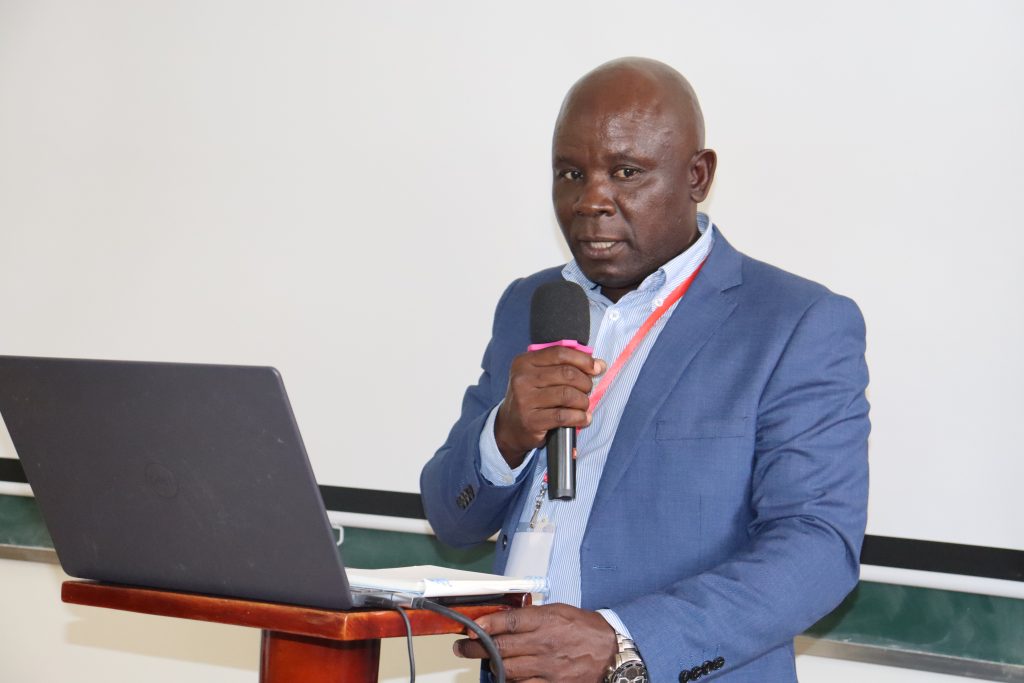
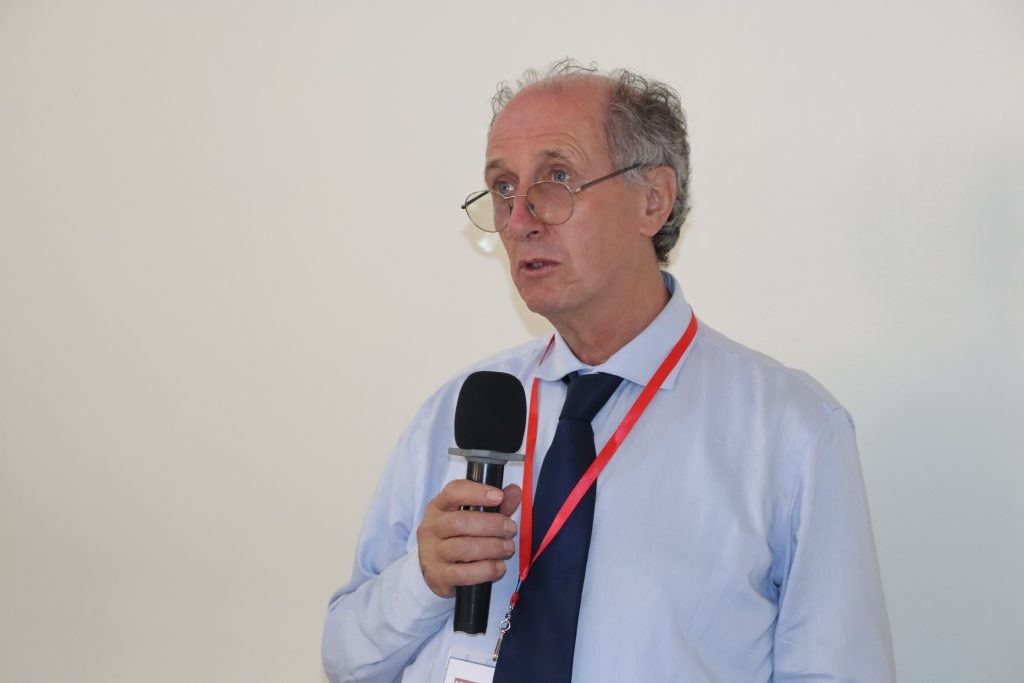
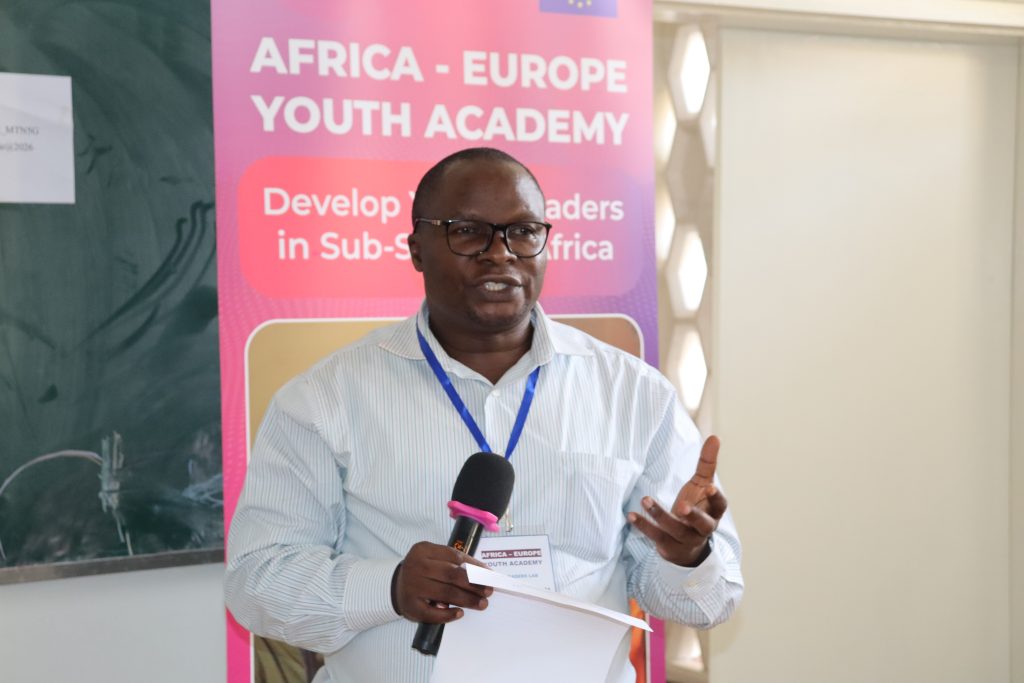
Dr Samuel Ojelel, Project Manager of the Africa-Europe (AEYA) New Leaders Lab welcoming participants
ByJulius Mugaga Tukachungurwa
The College of Natural Sciences (CoNAS) at Makerere University has launched the Africa-Europe Youth Academy (AEYA) New Leaders Lab under the theme – Biodiversity, FoodSystems, LivelihoodsandYouthLeadershipforSustainableDevelopment – bringing together 30 young leaders from Uganda for intensive leadership training.
The programme, which officially started on 2nd November and will run until 15th November 2026, will be followed by a three-day hackathon from 16th to 18th November 2026.
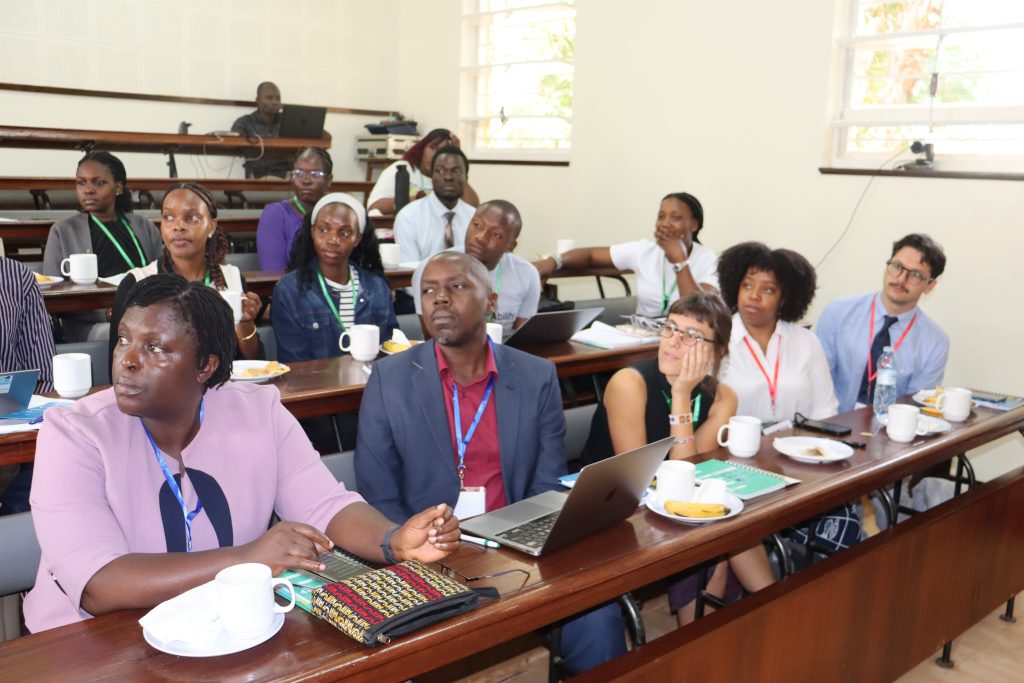
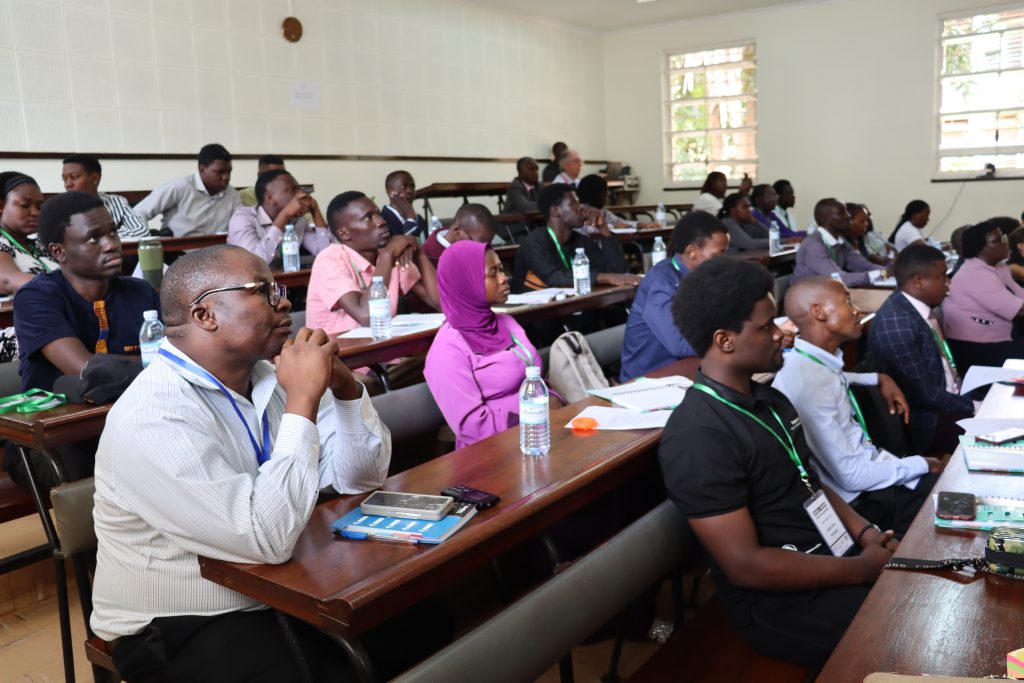
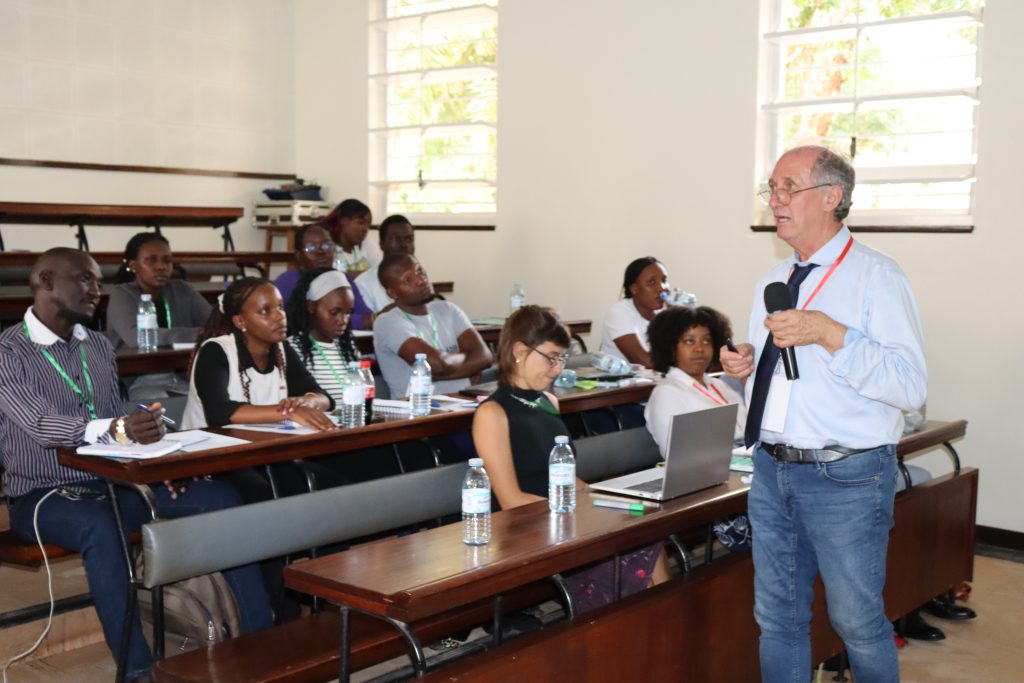
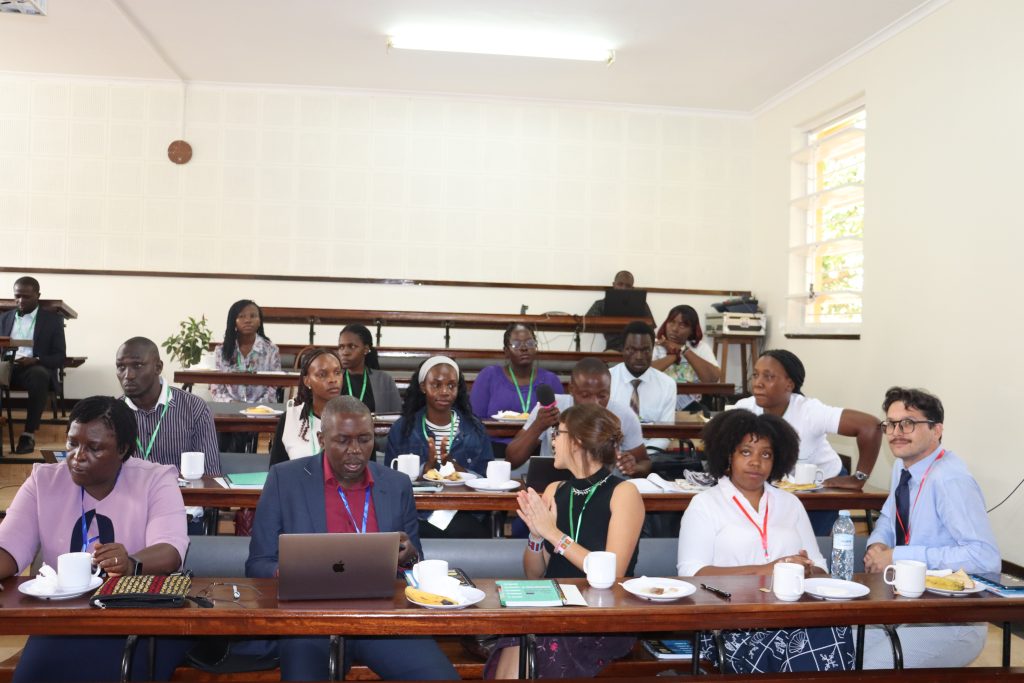
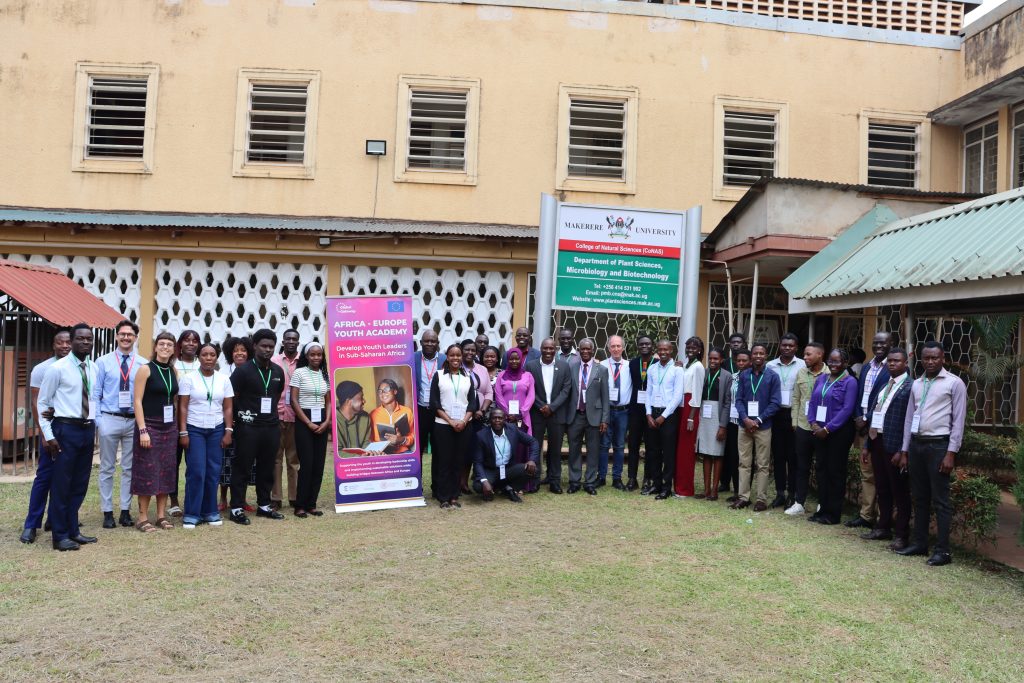
Some of the participants during the opening ceremony of the AEYA workshop at CoNAS
The initiative is funded by the European Union within the Global Gateway Africa-Europe Investment Package and implemented jointly by the Italian Agency for Development Cooperation (AICS Kampala) and Expertise France, in partnership with the University of Pavia, University of Turin, European University Institute and Makerere University.
Key supporters include the European Union Delegation to Uganda, the European Commission, Expertise France, and Makerere University.
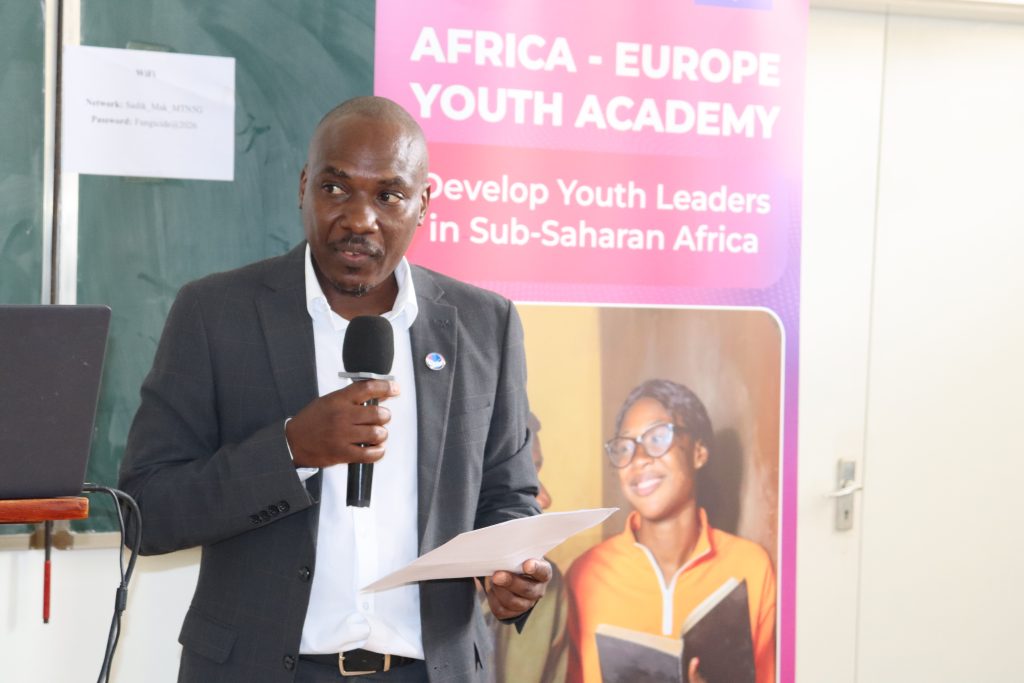
Prof. Winston Tumps Ireeta, Principal of CoNAS addressing the participants
Prof. Ireeta: BiodiversityandYouthCriticaltoUganda’sDevelopment
Opening the training, CoNAS Principal, Prof. Winston Tumps Ireeta said harnessing Uganda’s rich biodiversity and youthful population is critical to tackling food insecurity and unemployment.
Prof. Ireeta congratulated the 30 selected youth for emerging successful from 204 applicants and thanked the Italian Agency for Development Cooperation and the European Union for financing the initiative.
“This collaboration demonstrates the value of international partnership in strengthening opportunities for African youth,” Prof. Ireeta said.
He warned that biodiversity loss, climate change, and environmental degradation continue to undermine Uganda’s development, noting that biodiversity conservation is not merely environmental protection but an investment in food security and economic resilience.
Prof. Ireeta urged participants to translate knowledge into community solutions.
“The true measure of this training will not be what you learn over the next two weeks, but what you do differently in your communities afterwards,” he said.
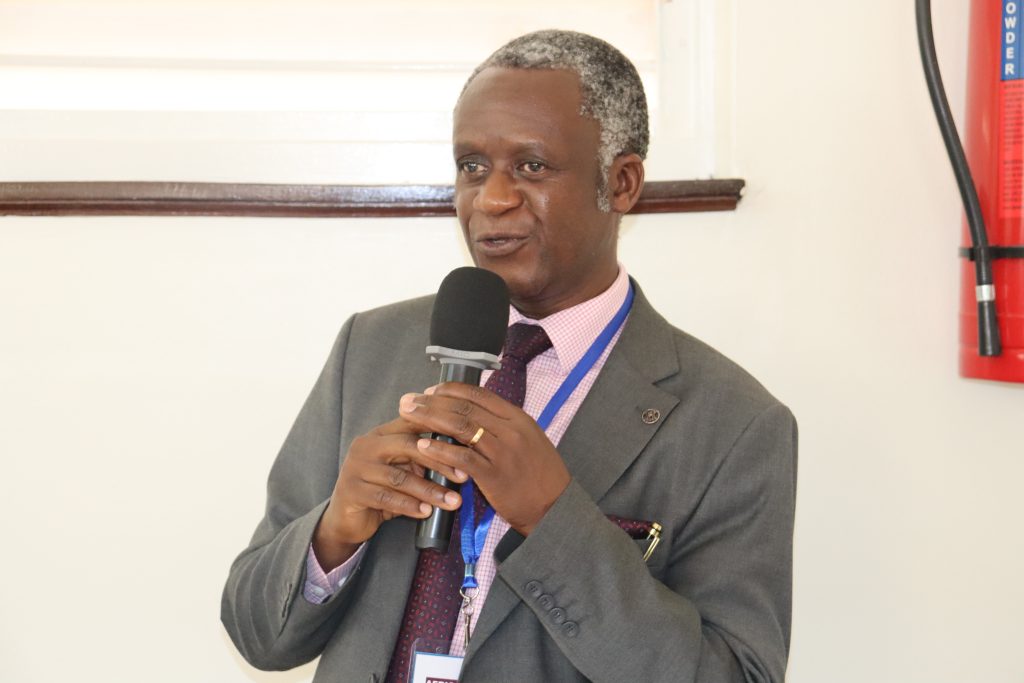
Dr. Jamilu Ssenku, PI of the project
YouthLeadershipattheCentre of the Initiative
Dr. Samuel Ojelel, Manager of the AEYA Project, outlined the strategic framework behind the initiative, noting it falls under the European Union Action Plan for Youth and is implemented through the Global Gateway as part of the Youth Mobility for Africa flagship.
He said the project responds to the demographic reality in sub-Saharan Africa, where young people constitute the majority yet face significant constraints, noting that in Uganda, about 73 percent of the population is below 30 years.
“These young people are an opportunity, but most often also they are burdened. We want to turn around and make that population productive, take leadership, and transform society,” Dr. Ojelel said.
He explained that the academy will focus on leadership skills, mentorship, dialogue, and solution-driven innovation through a hackathon, where participants will develop transformative ideas and compete for awards of up to UGX 5 million.
Dr. Ojelel noted the project is running in 20 African countries, with Uganda being the last in East Africa after Tanzania, Kenya and Ethiopia, and will run for three years to create a multiplier effect and a continent-wide youth network.
Some of the youth who were selected for the training
The Co-PI, Prof. James Kalema described biodiversity as a foundation for human livelihoods and economic transformation.
He said biodiversity encompasses variability of life across species and ecosystems, from plants and fungi to forests, wetlands, and water bodies, noting that humans must live in harmony with nature.
“Where does food come from if not biodiversity? Where do medicines come from, if not biodiversity?” Prof. Kalema asked, citing biotrade, tourism, forestry, and manufacturing as major economic opportunities.
On indigenous peoples, he explained they are descendants of original inhabitants with deep traditional ecological knowledge and are an asset for conservation, referencing groups such as the Batwa and Ik in Uganda.
He noted that Uganda’s Constitution provides for affirmative action for marginalised groups under Article 32, while the National Environment Act 2019 recognises nature’s right to exist and obligates both state and citizens to prevent species loss and ecosystem destruction, creating opportunities for sustainable utilisation.
Dr James Kalema addressing participants on biodiversity as a foundation for livelihoods and economic transformation
MakerereEmphasisesCollaborationandYouthNetworking
On his part, Dr. Jamilu E. Ssenku, PI of the project, also Head of the Department of Plant Sciences, Microbiology & Biotechnology at the College of Natural Sciences, said the university is fully committed to the international collaborative project with Italian counterparts.
Dr. Ssenku lauded the diversity of the selected team as critical to addressing Uganda’s multifaceted challenges. He noted that Uganda’s youthful population, which constitutes nearly 80 percent, bears the responsibility of driving the country forward.
“You constitute almost 80% of the entire population. Being the majority, you have a responsibility of taking this country forward,” Dr. Ssenku said.
He congratulated the participants for making history as pioneers of the project and emphasised the importance of networking at national, regional and global levels, arguing that challenges such as poverty, climate change and diseases are too diverse to be solved in isolation.
“We need to put our heads together. Please network as much as possible,” he urged, encouraging participants to enhance their online visibility to attract global collaborations.
Prof. Carola Ricci from the University of Pavia, Italy, one of the partner institutions addressing participants
University of Pavia Highlights Africa-Europe Partnership
Speaking virtually, Dr Carola Ricci, a Professor of Human Rights and International Law, including Climate Change, and Rector’s Delegate for International Cooperation and Africa at the University of Pavia, noted the project aims to support youth leadership skills and sustainable solutions.
“Strengthening your role as a change agent and leaders for sustainable development and reinforcing the links between Africa and Europe is crucial,” she stated.
She added that the training adopts a One Health approach, describing it as “an integrated, unified approach that aims to sustainably balance and optimise the health of people, animals, and ecosystems.”
She also noted Makerere is the first pilot group for Pavia, with the training co-designed with local associations and NGOs from day zero to address the needs of engaged African youth.
Prof. Graziano Rossi from the University of Pavia briefed participants on Europe’s experience in biodiversity and conservation
Europe’sExperienceinBiodiversityConservation
Prof. Graziano Rossi from the Department of Earth and Environment at the University of Pavia, Italy, shared European Union experience in managing biodiversity conservation as an economic opportunity.
He said the EU’s legal framework includes the 1979 Birds Directive, the 1992 Habitats Directive protecting about 1,000 animal species and 230 habitats, and the 2024 Habitat Restoration Regulation, forming the Natura 2000 network covering about 20 percent of EU territory and 30 percent in Italy, the largest network in the world.
“In many cases, we lost traditional agricultural pastoral activities. If we would like to have more, we have to pay,” Prof. Rossi said, noting farmers are now paid to graze sheep to prevent shrub encroachment in protected dry grasslands rich in terrestrial orchids.
Prof. Graziano Rossi addressing the participants
He explained conservation in Europe is funded through the LIFE programme and Common Agricultural Policy.
We got money not from the environment, but from agriculture. The farmers can become the people working for natural conservation,” he said, adding EU requires monitoring every seven years to ensure good conservation status, with financial penalties for failure.
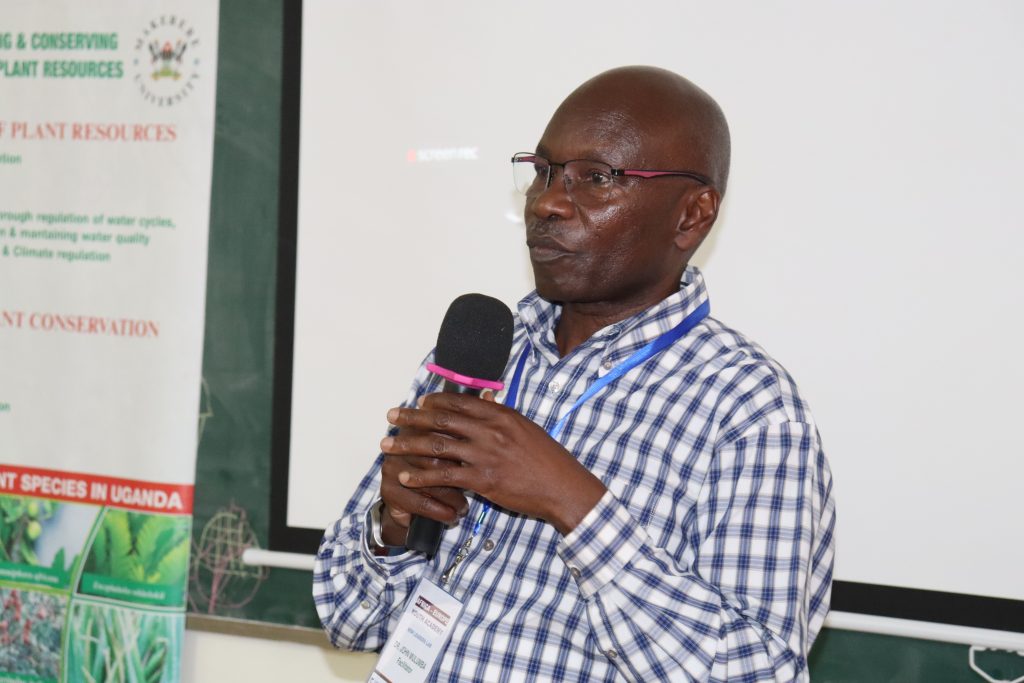
Dr. John Wasswa Mulumba, Head, Plant Genetic Resources Center at NARO
Biodiversity and Opportunities in Food and Agriculture
Presenting on “BuildingResilientSustainableCommunitiesthroughBiodiversityforFoodandAgriculture,” Dr. John Wasswa Mulumba, Head, Plant Genetic Resources Center at the National Agricultural Research Organization (NARO), defined biodiversity for food and agriculture to include crops, livestock, fish, insects, pollinators, earthworms and microorganisms that support food systems.
Dr. Mulumba warned that human practices drive biodiversity loss, noting agriculture accounts for 80 percent of global land use change through deforestation and conversion of wetlands.
“Unfortunately all of them stem from intensive human practices and environmental shifts. We are the main culprits,” he said.
He decried dietary narrowing, observing that out of tens of thousands of edible plants, only 15 provide 90 percent of calories, with wheat, rice and maize providing half.
He highlighted opportunities in insect farming, noting producing one kilogram of protein from grasshoppers requires only two kilograms of plants compared to 20 kilograms for cattle and generates up to 100 times less greenhouse gases and no methane, while medicinal plants like Warburgia ugandensis and Mondia whitei and bee products like bee venom offer lucrative youth enterprises.
Climate Change, Food Systems, and Community Health
Dr. Hedwig Acham, presenting on ‘FoodandHealthinaClimateChangeScenario, emphasised the need for a sustainable food system that supports health, responsible use of land, water and energy, and protects livelihoods while minimising food loss.
She distinguished availability as physical presence of food and access as means to obtain it, noting both affect quality and health.
Dr. Acham explained that climate change disrupts production, processing, and consumption, with drought reducing yields and floods causing rot of tubers like cassava while contaminating water sources.
“Water is life, but if water is contaminated, then it’s not life, it’s death,” she said.
She warned that climate-induced limited dietary variety leads to malnutrition, including stunting, wasting, underweight, micronutrient deficiencies, and overweight.
She urged diversification of crops, use of locally available varieties, safe storage and preservation methods such as sun drying, solar drying, salting, sugaring, fermentation and smoking, and meal planning that combines staples with legumes, vegetables, fruits and animal-source foods to build community food resilience, applying the principle of First In, First Out.
Dr Godfrey Kawooya Kubiriza, Head, Department of Zoology, Entomology and Fisheries Sciences
From Training to Community Action
As the two-week lab progresses, organisers expect the 30 pioneers to transform knowledge into tangible community actions, leveraging seed grants and cross-continental mentorship to advance food security, biodiversity conservation and youth employment, while strengthening the enduring partnership between Africa and Europe.
The project team with participants during the opening ceremony