pr.cns@mak.ac.ug

Makerere Engages Industry to Align Geology Training with Uganda’s Mineral Sector Ambitions

The curriculum review process is supported by the Government of the Federal Republic of Germany and the European Union through Deutsche Gesellschaft für Internationale Zusammenarbeit (GIZ)).
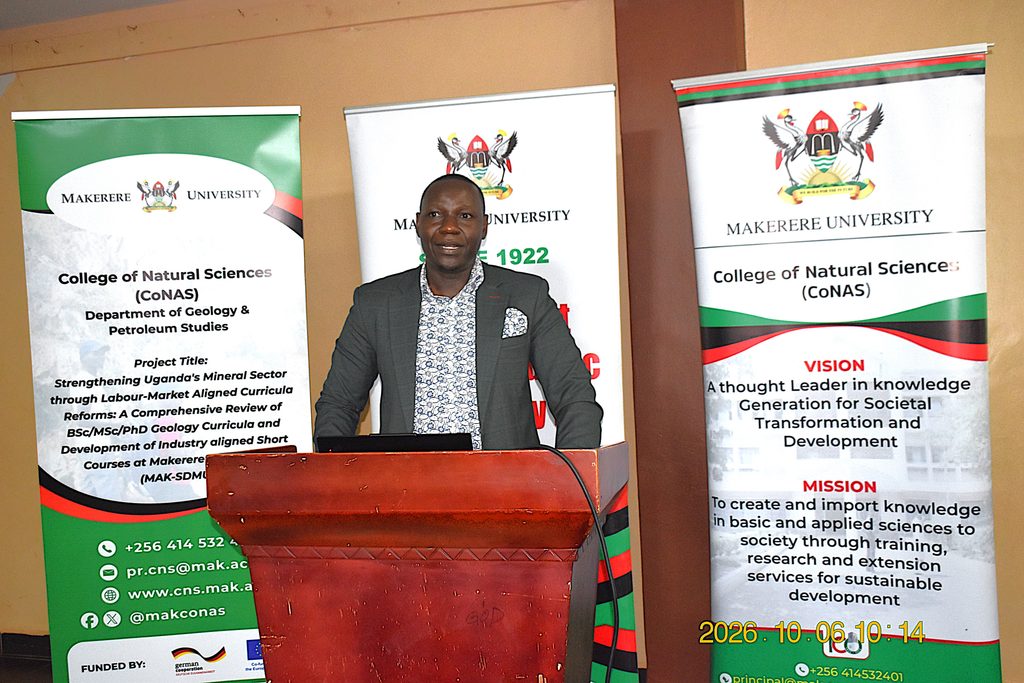
The Stakeholder Workshop
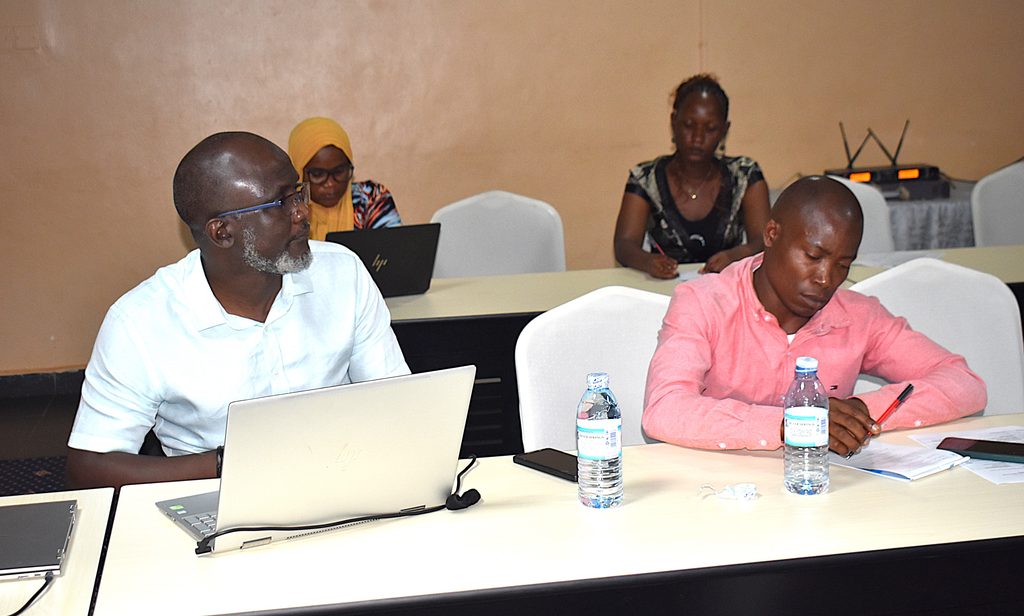
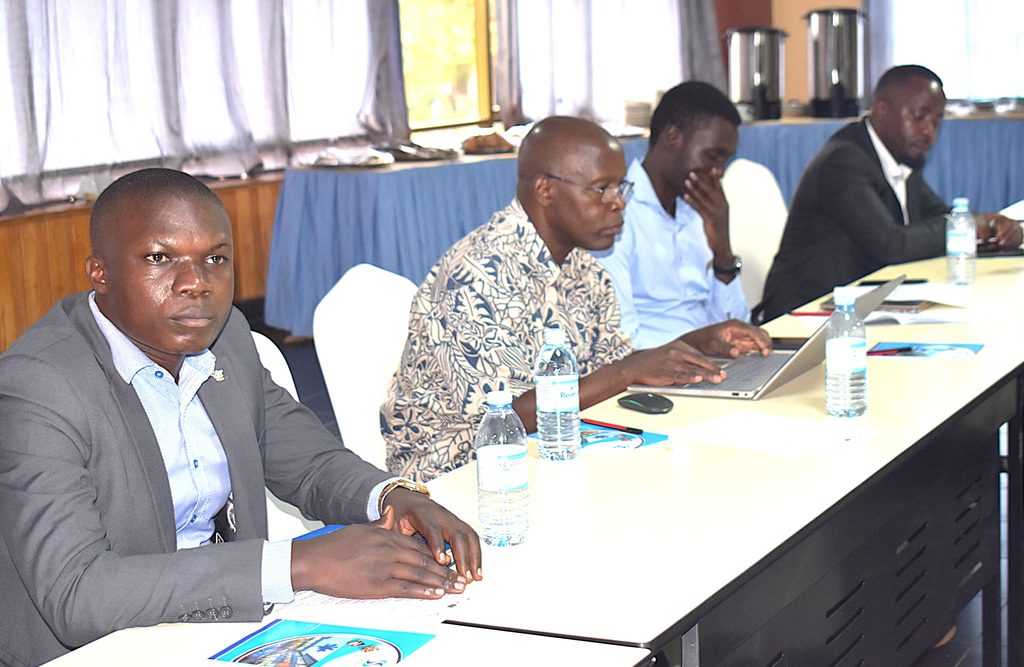
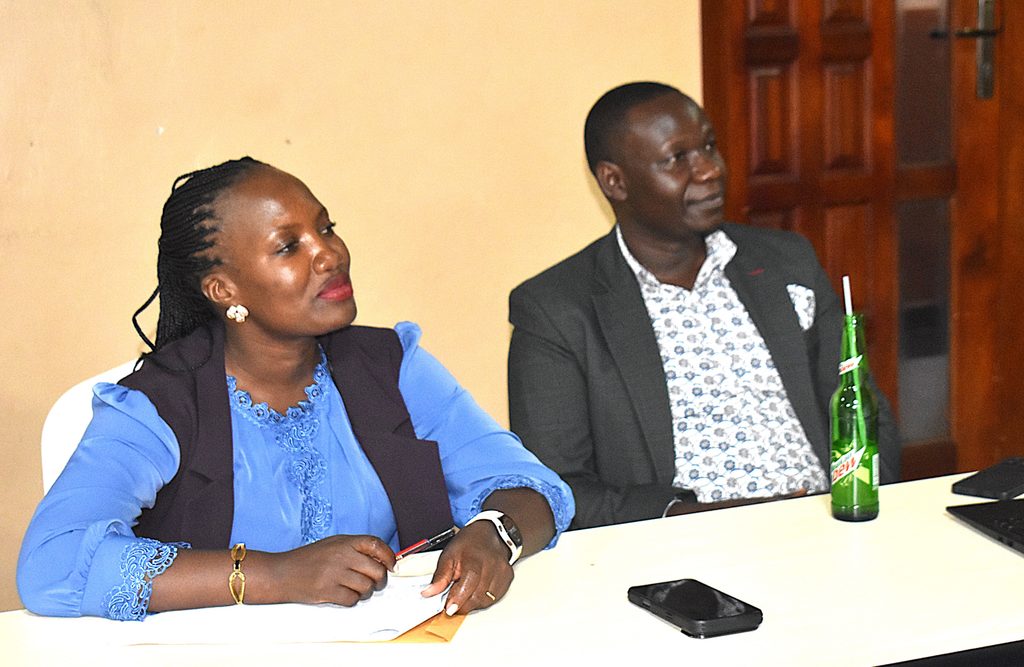
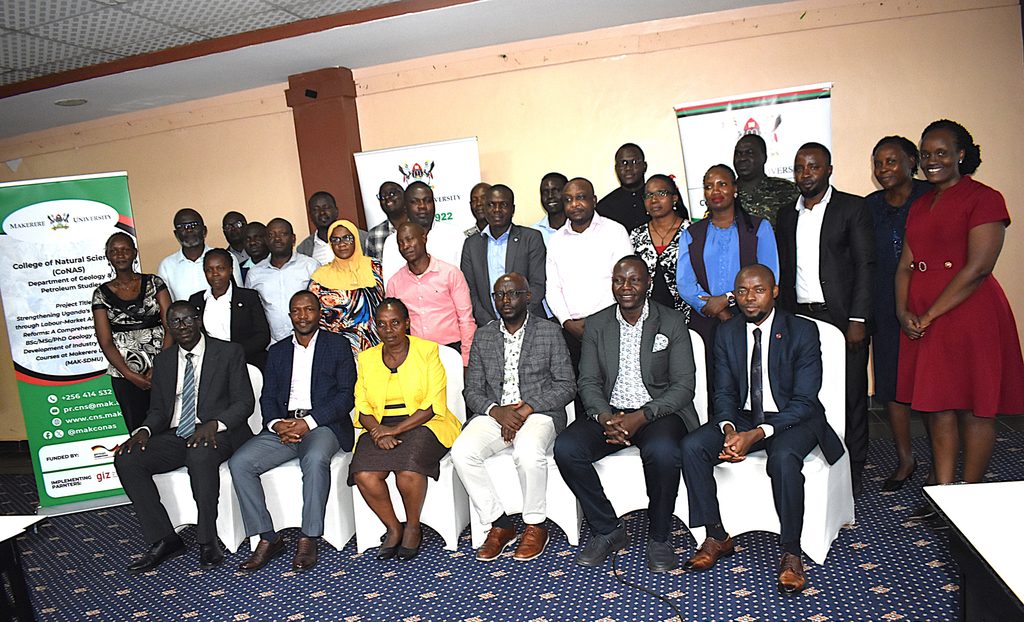
As part of the ongoing efforts to strengthen Geology training and align it with industry and national development needs, Makerere University convened a stakeholder workshop to get input on the review of its Geology curricula and the development of industry-aligned short courses.
Organized by the Department of Geology and Petroleum Studies, the workshop, held on 6th October 2026 at Silver Springs Hotel, Bugolobi, Kampala, brought together representatives from industry, government, academia and other key sectors to assess the relevance of Makerere’s BSc, MSc and PhD Geology programmes in light of the emerging industry needs. Participants included officials from the Ministry of Energy and Mineral Development, the Ministry of Water and Environment, the National Environment Management Authority (NEMA), the National Planning Authority (NPA), GIZ, and the UPDF Chemical, Biological, Radiological and Nuclear (CBRN) Unit.
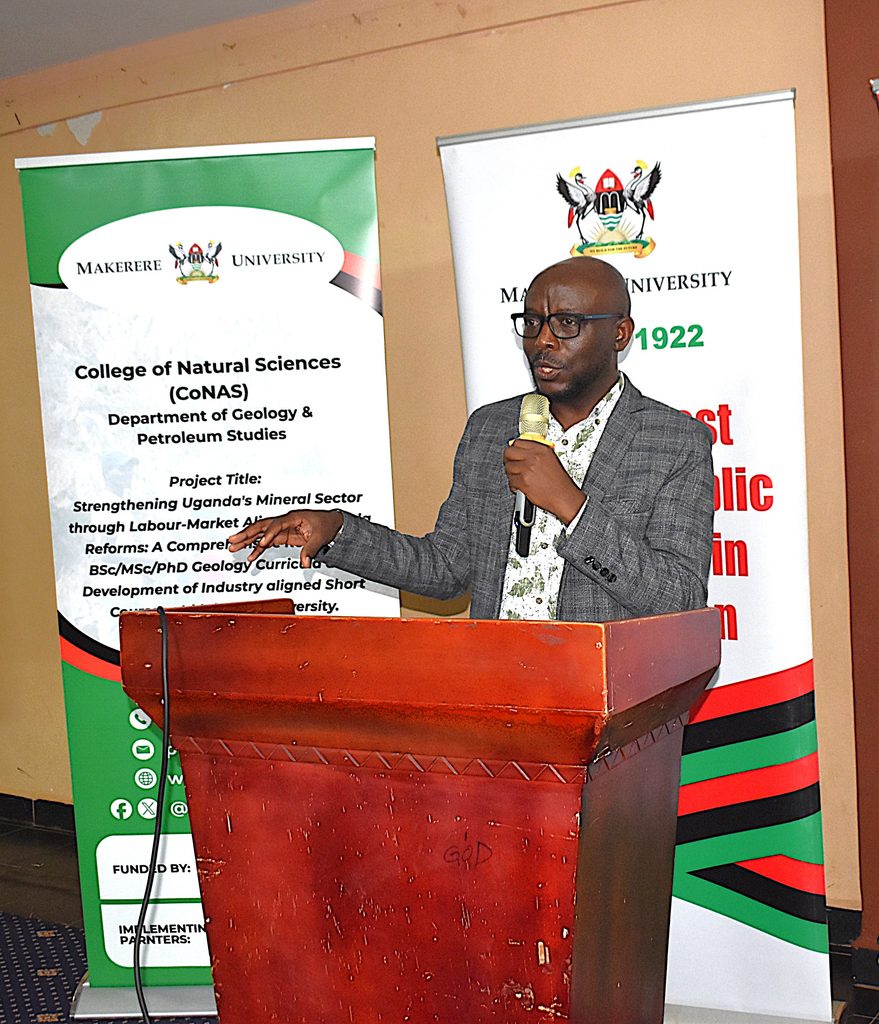
The reforms come at a time when Uganda’s mineral sector is evolving rapidly, creating demand for professionals who can work with emerging technologies, respond to changing industry practices and contribute to national development priorities.
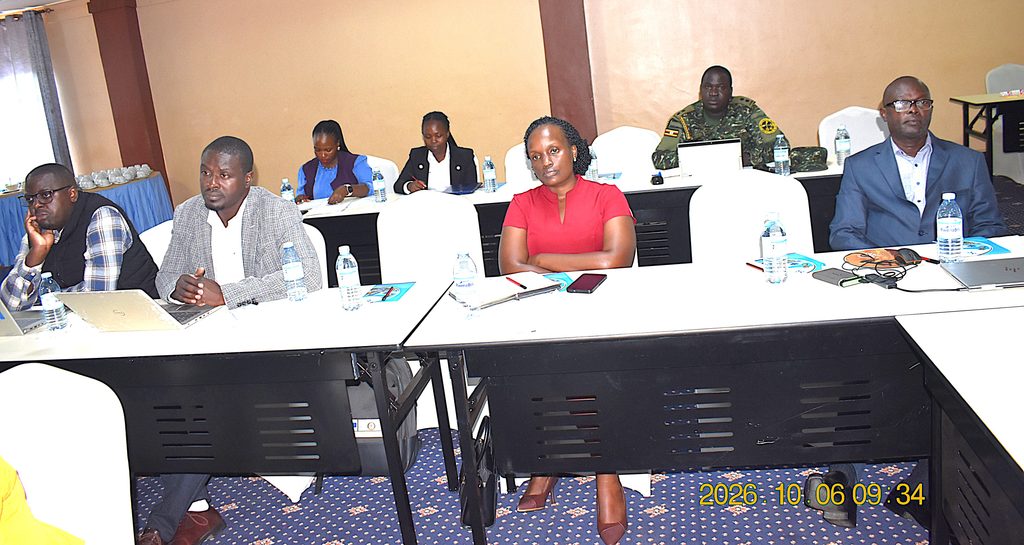
Conducted under a project titled – Strengthening Uganda’s Mineral Sector through Labour-Market Aligned Curricula Reforms: A Comprehensive Review of BSc/MSc/PhD Geology Curricula and Development of Industry-Aligned Short Courses at Makerere University- the review seeks to ensure that Geology graduates are equipped with competencies that meet labour-market demands, while also creating opportunities for professionals across Uganda’s mining and mineral value chain to update their skills.
The project is being implemented under the Sustainable Development of the Mineral Sector in Uganda (SDMU) programme, with support from the Government of the Federal Republic of Germany and the European Union through Deutsche Gesellschaft für Internationale Zusammenarbeit (GIZ), in collaboration with the Ministry of Energy and Mineral Development (MEMD).
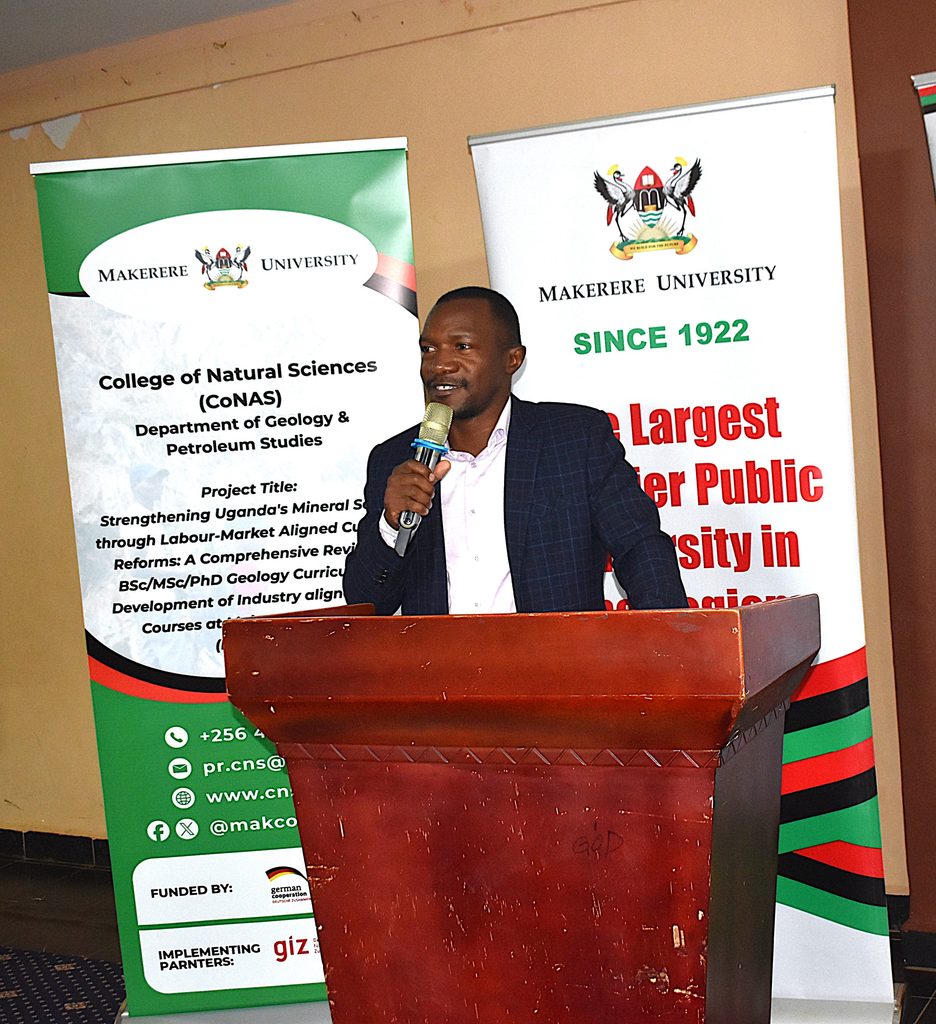
Briefing participants on the purpose of the workshop, the Project Coordinator, Dr. Denis Mutebi outlined the broader focus of the curriculum review and the key activities undertaken to inform the proposed reforms. These include constituting the project team, holding the inception meeting, developing project tools, including survey and monitoring and evaluation tools, conducting a baseline survey, benchmarking with Copperbelt University (CBU) in Kitwe, Zambia, and the Zimbabwe School of Mines (ZSM) in Bulawayo, Zimbabwe, engaging consultants, and undertaking a curriculum audit.
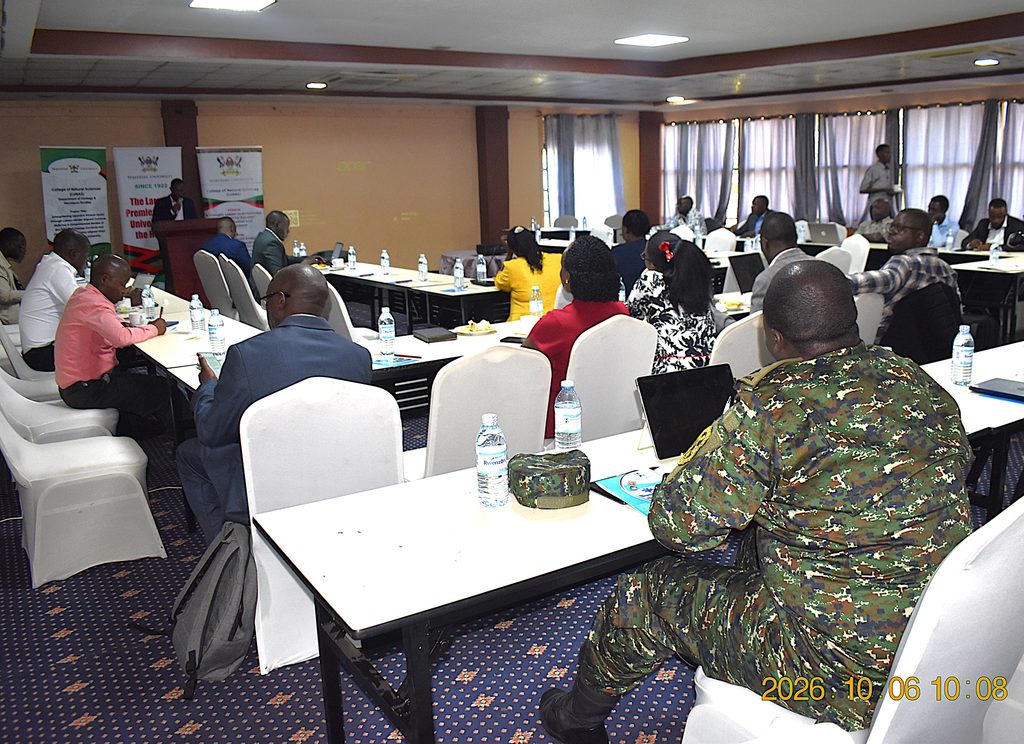
Skills Gaps and Proposed Reforms in Geology Training
Presenting findings from the stakeholder needs assessment, Geoscience Curriculum Development Consultant, Dr Betty Nagudi, highlighted gaps in areas including mineral processing and beneficiation, exploration and resource estimation, geological risk assessment, economic geology, fiscal modelling, analytical methods, remote sensing, and the use of exploration and survey equipment.
She pointed to a strong demand for skills in mineral economics, project feasibility studies, technical report writing, practical competency-based training, industrial attachment, and field-based learning.
Among students and alumni, mineral processing and beneficiation emerged as the weakest competency areas, followed by extractive metallurgy. 84 percent of respondents expressed interest in short courses, while 77 percent had undertaken additional training after graduation, underscoring the need for stronger opportunities for continuing professional development.
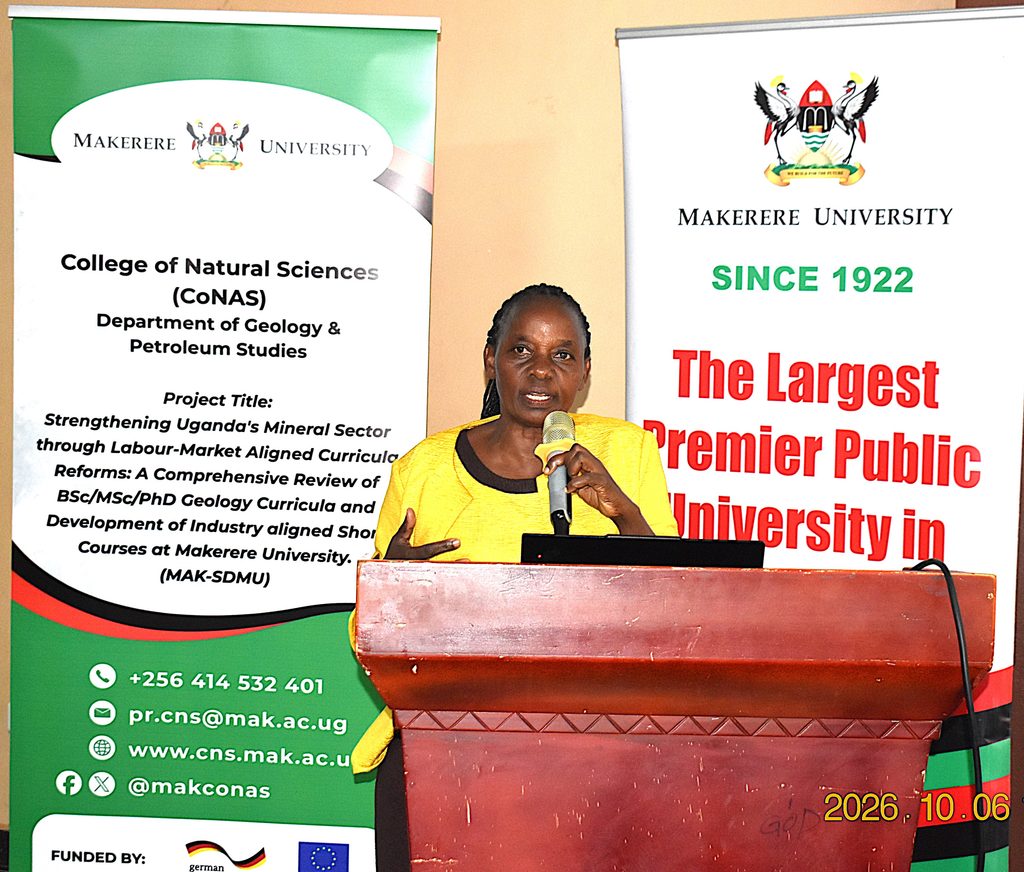
Proposed Reforms in the BSc, MSc and PhD Programmes
To address the skills gaps, the consultant proposed a package of reforms extending beyond the planned transition to a four-year BSc Geology programme. The reforms include strengthening competency-based and practical training, expanding industrial attachment and field-based learning, introducing industry-aligned short courses, and updating the curriculum to cover emerging technologies and skills demanded by the mineral sector.
The proposed undergraduate curriculum would strengthen training in mineral processing and beneficiation, exploration and resource estimation, geometallurgy, geospatial data analysis, programming and machine learning, analytical techniques, mineral economics, project feasibility, environmental management and value addition. It would also introduce or strengthen areas such as geohazards and climate change, geothermal and renewable energy systems, geoscientific equipment and techniques, and gemology.
The consultant further recommended eight recess terms across the undergraduate programme to increase students’ exposure to industry and field-based training, alongside greater involvement of industry practitioners, access to relevant equipment, and the use of real-world projects in teaching.
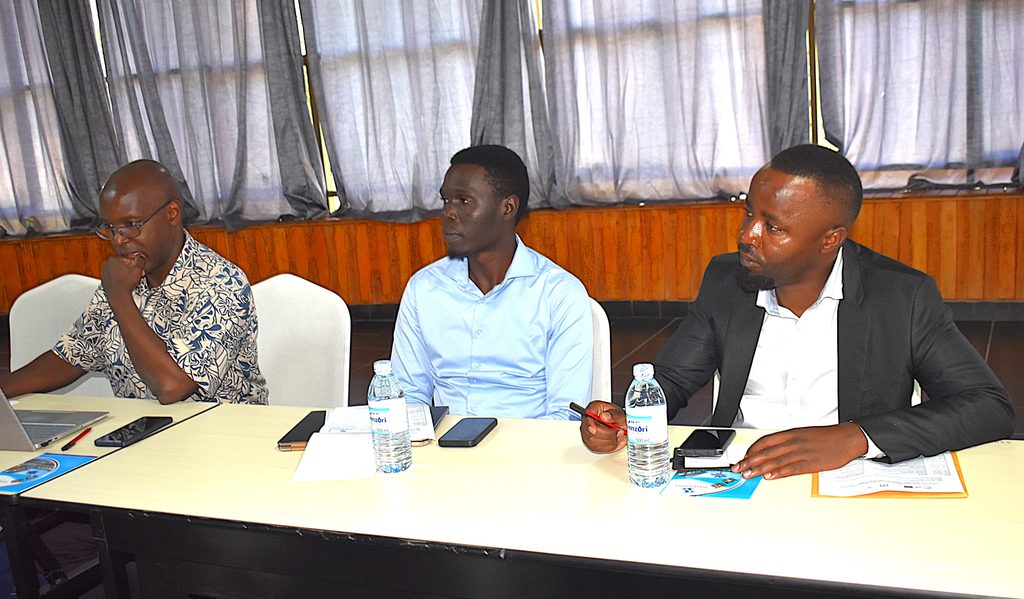
The proposed MSc reforms similarly introduce emerging areas such as advanced mineral processing, digital skills, health and safety, geothermal energy and seismology, alongside extended industrial attachment.
The reforms also seek stronger industry participation in postgraduate training through company-funded research, scholarships and access to industry laboratories.
For the PhD programme, proposals include strengthening structured training around research methods, scholarly communication and other competencies, while ensuring that research remains responsive to scientific, technological, environmental and industry challenges.
The review additionally recommends investment in specialized laboratories for mineral processing, metallurgy, analytical techniques, remote sensing, GIS and data science, greater staff specialization and retooling, and stronger university-industry partnerships.
Lessons from Regional Benchmarking
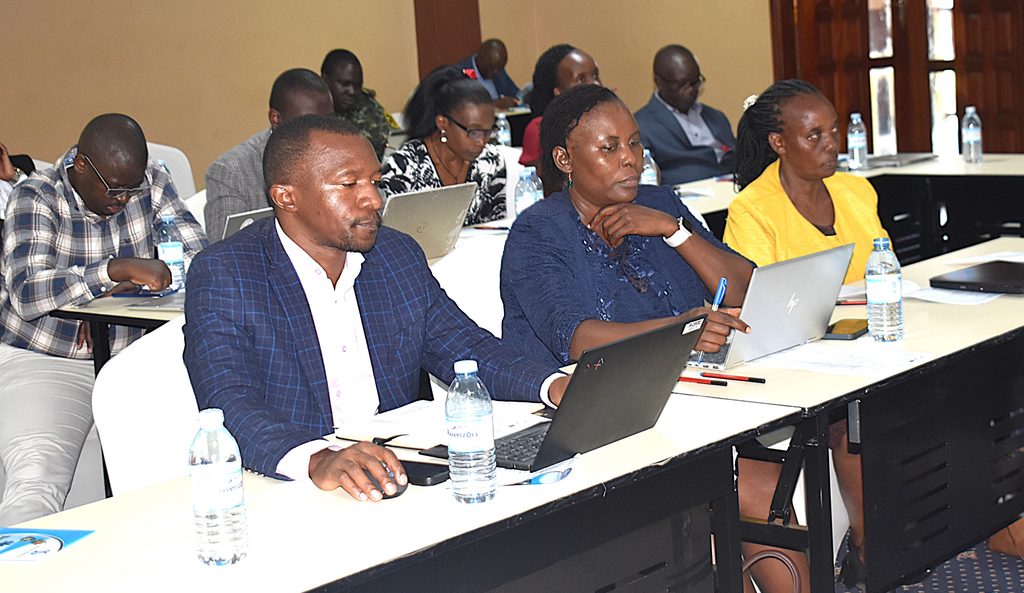
The curriculum review has also been informed by international benchmarking at Copperbelt University in Zambia and the Zimbabwe School of Mines.
The exercise pointed to opportunities for Makerere to strengthen university-industry collaboration through company-supported research, industry guest lectures, student visits to mines and processing plants, equipment and software support, scholarships and stronger academic advisory structures.
Together, the reforms are intended to strengthen graduates’ technical, practical and digital competencies while creating clearer pathways for continuous professional development through industry-aligned short courses.
Stakeholders Validate Demand for Geology Short Courses
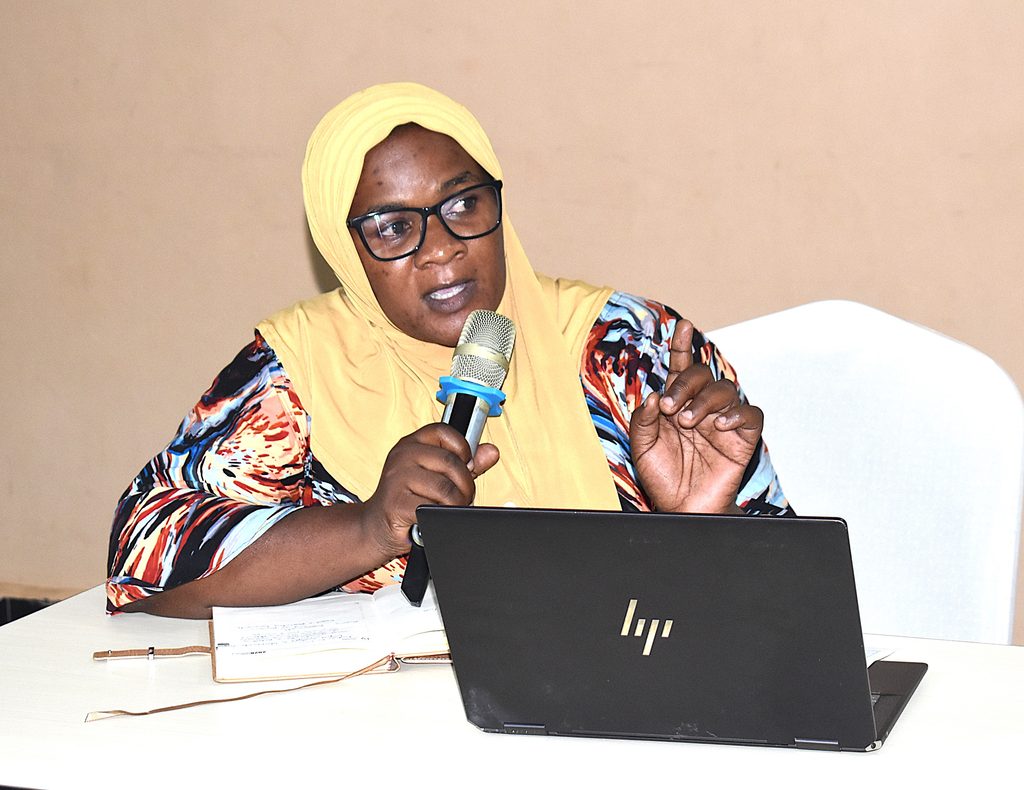
A cross-sector needs assessment confirmed strong demand for industry-aligned short courses in Geology, with 88% of ASM miners ranking Health, Safety and Environment (HSE) training as a top priority.
Presenting the findings during the stakeholder engagement, short-course consultant Harmony Musiyarira reported that 83% of women in ASM prioritized geological mapping and mineral marketing, while 84% of students and alumni expressed interest in professional short courses. All Department of Geology and Petroleum Studies staff indicated willingness to deliver the training.
The assessment highlighted skills gaps in mineral processing and beneficiation, economic modelling, field instrumentation and resource estimation, technical reporting, exploration technologies, environmental management and digital mining.
The recommended short courses broadly cover mineral exploration and resource estimation, mineral processing and value addition, mineral economics and governance, HSE, environmental and mine-waste management, GIS and remote sensing, drilling and field technologies, digital and AI applications, and entrepreneurship and business management.
Incorporation of CBET Principles
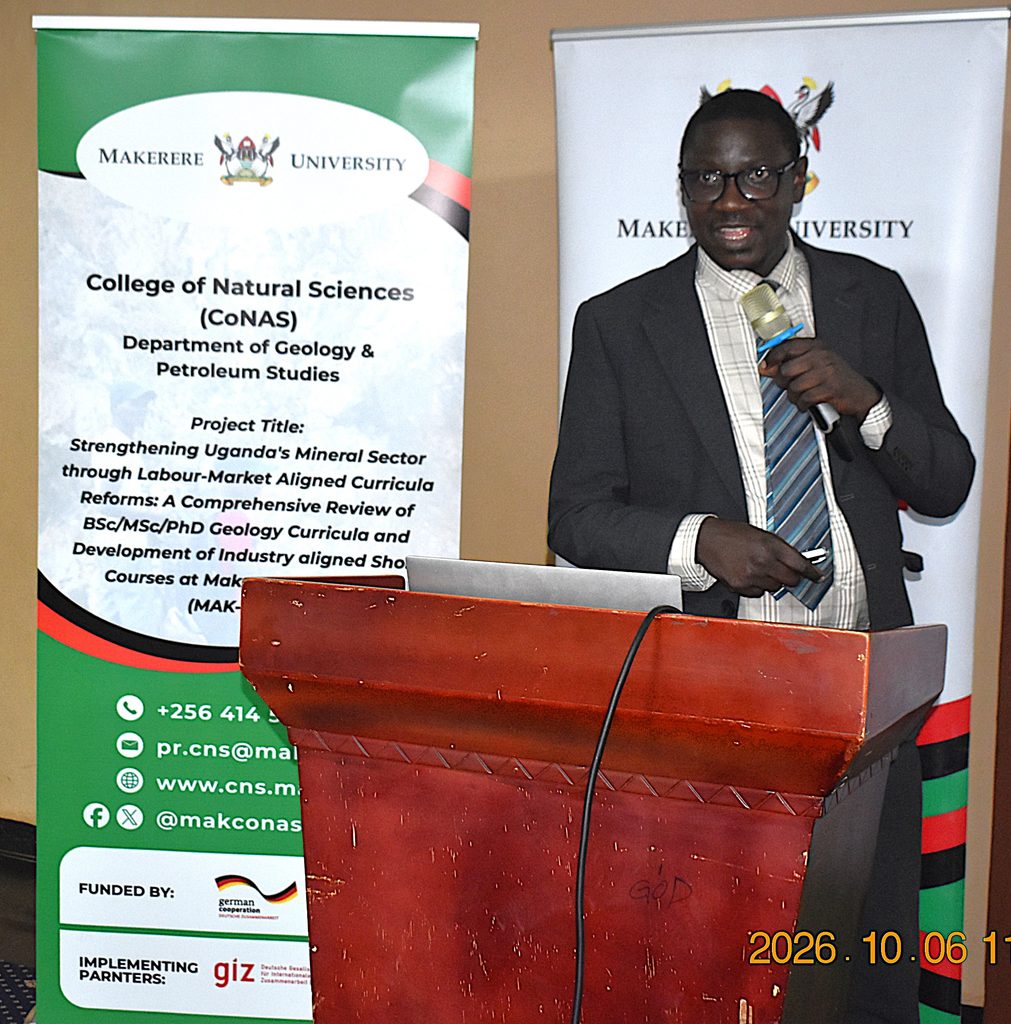
Speaking during the workshop, Dr. Cyprian Misinde, Chief Quality Assurance Officer at Makerere University, emphasized the need to embed Competency-Based Education and Training (CBET) principles to better prepare graduates for professional demands. Dr. Misinde cautioned against prioritizing academic grades over real-world skills, calling on faculty to move from traditional lecture delivery toward learner-centered instruction that fosters ethics, self-drive, and critical thinking.
To achieve this, Dr. Misinde recommended defining robust Programme Learning Outcomes (PLOs), supported in each course by at least three learner-centred teaching methods. He also highlighted the importance of flexible learning pathways for diverse student needs, strict alignment with National Council for Higher Education (NCHE) guidelines on internships and practical assessments, and the financial allocation required to implement CBET without compromising academic rigor.
Stakeholders’ Call for Legal and Regulatory Training
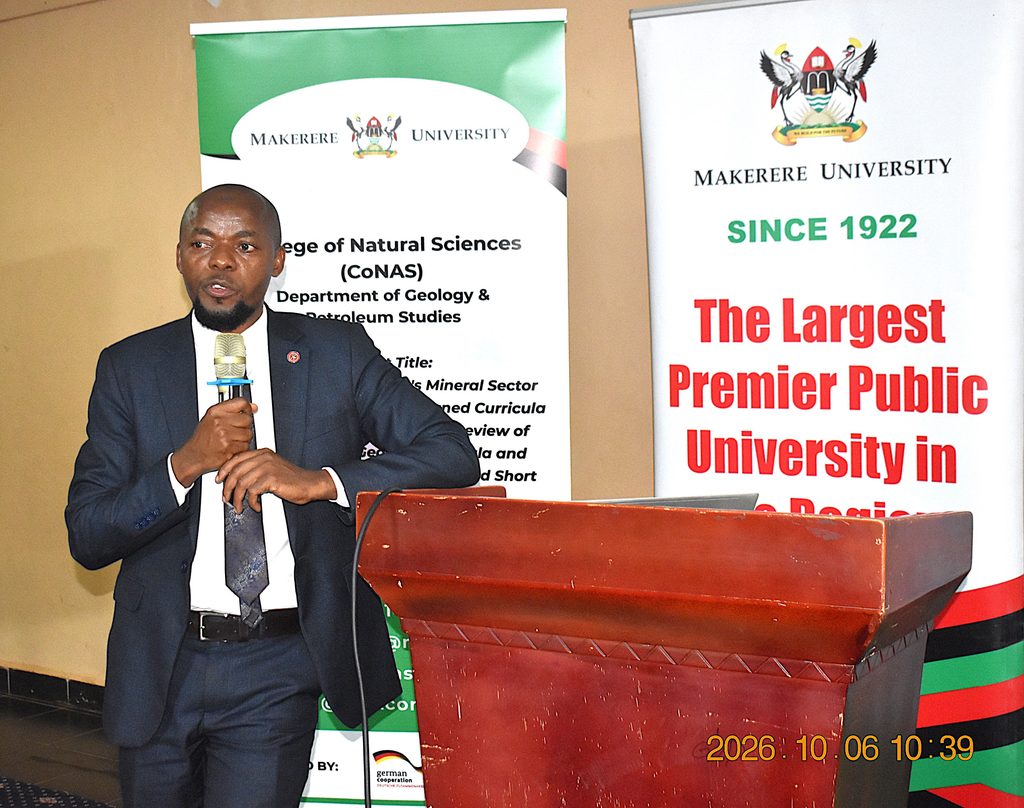
Stakeholders stressed the need for the revised Geology curriculum to give greater attention to the legal and regulatory framework governing Uganda’s minerals sector. They noted that geologists entering the industry must understand not only the technical aspects of mineral exploration and extraction, but also the laws, regulations, licensing requirements and institutional procedures that guide the sector.
Closing the Skills Gap in a Changing Mineral Sector – NPA Guidance
Addressing participants, Dr Kurayish Ssebulime, Senior Labour Economist at the National Planning Authority (NPA), said the curriculum review comes at a critical time as Uganda seeks to translate its development ambitions into economic opportunities.
He linked the reform to Vision 2040 and the Fourth National Development Plan (NDP IV), which place minerals, oil and gas, science, technology and human capital among the drivers of Uganda’s economic transformation.
“Minerals do not explore, mine, process or regulate themselves,” Dr Ssebulime noted, emphasizing that the availability of relevant skills is essential for transforming Uganda’s mineral sector.
He said the growing demand for geologists, geochemists, geophysicists, mining engineers, metallurgists and technicians makes it necessary for universities to continually align training with labour-market needs.
Dr Ssebulime pointed to emerging areas shaping demand for skills, including critical minerals and the energy transition, digital transformation, the green economy and regional integration.
He guided that effective curricula must focus on practical capabilities and value creation, rather than just factual knowledge, recommending the use of graduate tracer studies, employer feedback and labour-market data as part of the curriculum review cycle.
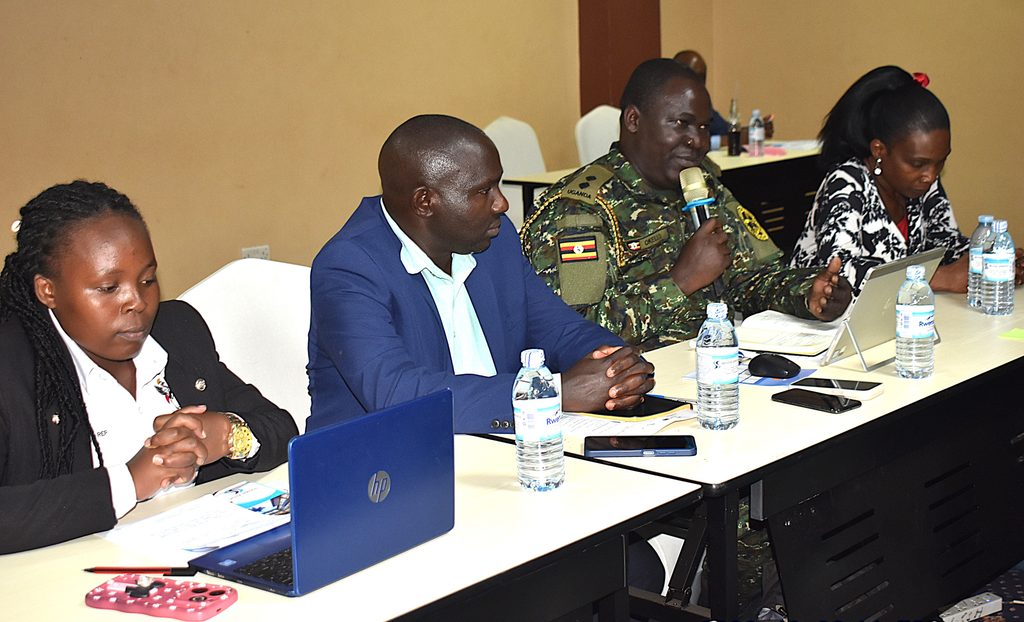
GIZ Urges Stronger Alignment of Geology Training with Industry Needs
Mr. Henry Mukasa, Advisor on Mineral Resources Governance at GIZ Uganda, stressed the need to bridge the gap between university training and the evolving skills demands in Uganda’s mineral sector.
“The growing investment in the sector is increasing demand for specialized skills in areas such as modern exploration technologies, digital mapping, resource estimation and data analytics. The Mak-SDMU project provides an opportunity to address these gaps through the review of BSc, MSc and PhD Geology curricula, development of industry-aligned short courses, and integration of environmental, social and governance considerations, as well as occupational health and safety, into training.
He called on industry, government and other stakeholders to provide candid input on the competencies required in the workplace, emphasizing the need for closer collaboration between academia and industry in shaping the curricula.
Mr. Mukasa said the initiative ultimately seeks to strengthen Uganda’s local technical capacity to enable more Ugandans to benefit from opportunities emerging from the country’s growing mineral sector.
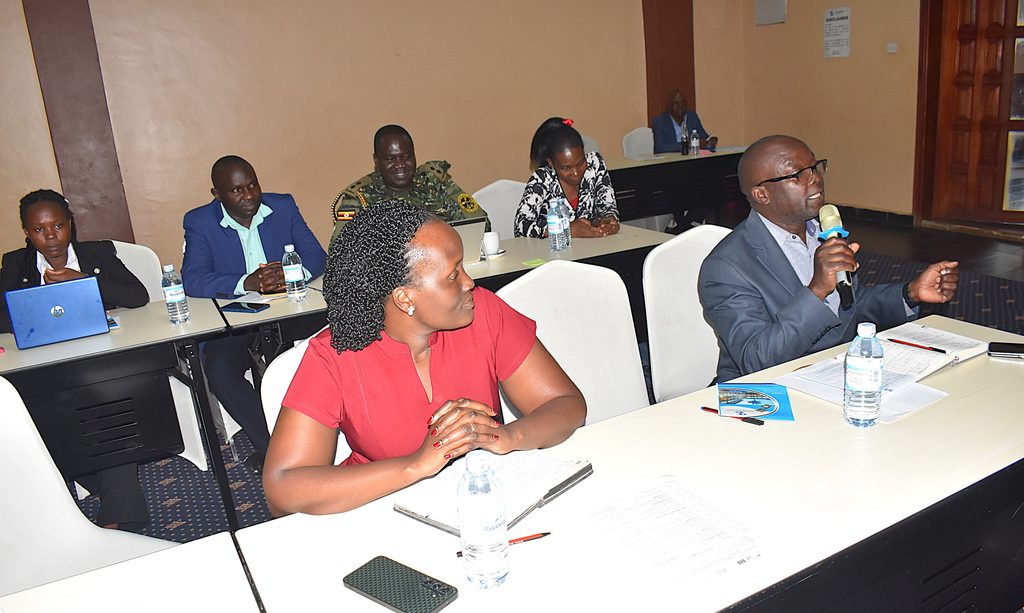
Call for Stronger Postgraduate Training and Industry Partnerships
On behalf of the Principal, Prof. Godwin Kakuba, Deputy Principal, College of Natural Sciences (CoNAS), urged the Department to use the curriculum review exercise as an opportunity to strengthen the entire Geology training pathway, from undergraduate to postgraduate education.
Prof. Kakuba noted that a strong undergraduate programme provides the foundation for a strong postgraduate training system, calling for deliberate efforts to strengthen the BSc Geology programme while simultaneously expanding opportunities for postgraduate training and research.
He encouraged the project team to integrate Competency-Based Education and Training (CBET) principles into the curriculum, with greater emphasis on the knowledge, skills and competencies graduates need to perform effectively in the workplace. He also called for the development of additional postgraduate programmes that respond to emerging needs in the geosciences and Uganda’s mineral sector.
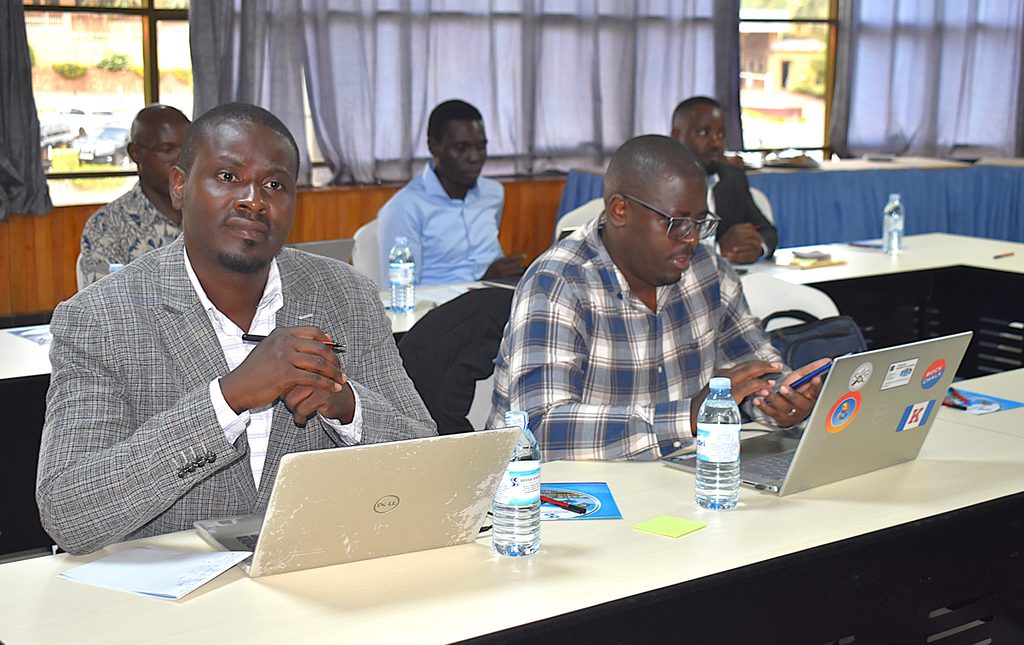
Prof. Kakuba further urged the team to consider the needs of working professionals when designing postgraduate programmes. He proposed the use of flexible learning approaches, including blended teaching and modularized programmes, to enable graduate students to balance their studies with professional responsibilities.
He also stressed the importance of stronger collaboration between the University and industry, noting that partnerships would enhance both teaching and research. He encouraged the Department to establish formal partnerships, including Memoranda of Understanding (MoUs) with industry players, to facilitate joint research, industry participation in teaching, student exposure and access to professional expertise and facilities.
“The curriculum review should ultimately contribute to building a Geology training system that is responsive to both academic and labour-market needs. It could also provide a useful model for similar curriculum review processes across the University, particularly in demonstrating how academic programmes can be aligned with evolving industry requirements while strengthening research and postgraduate training,” he noted.
Prof. Kakuba appreciated the funders and implementing partners for the support extended towards strengthening teaching, learning and research at the University.
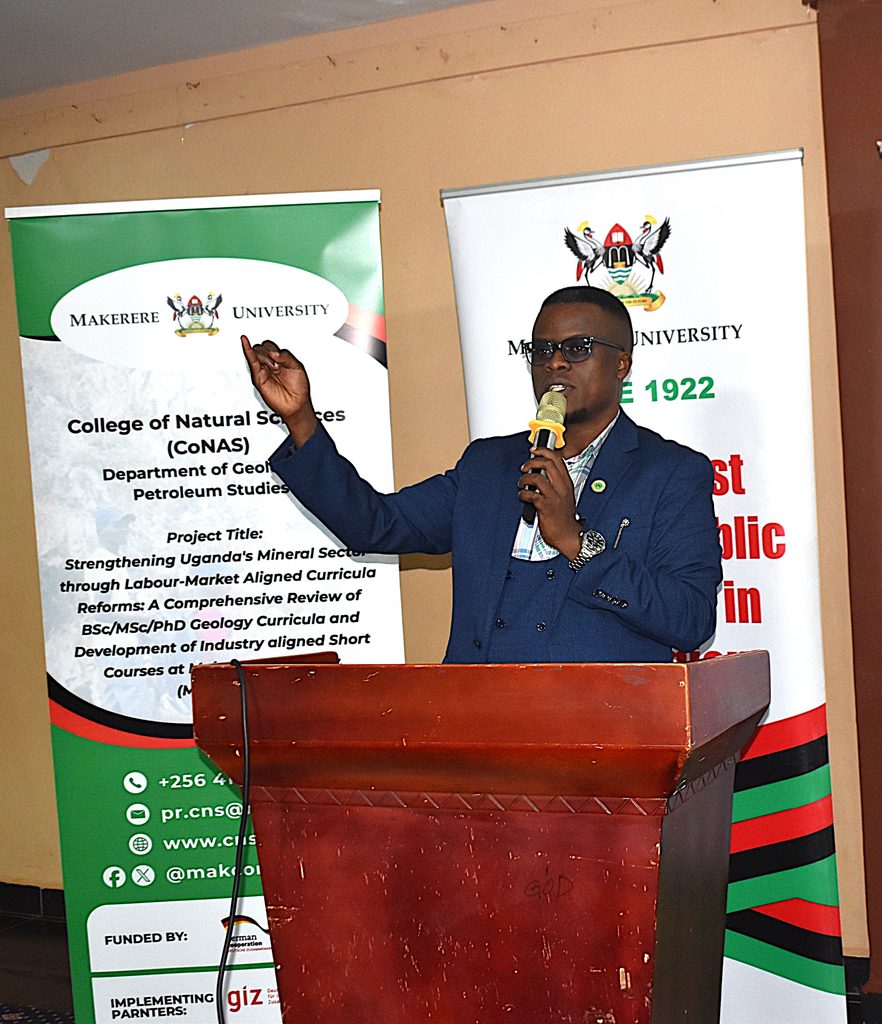
Mr. Data Gabriel, Assistant Commissioner for Geology at the Ministry of Energy and Mineral Development in Uganda, equally appreciated the support, highlighting the immense potential of Uganda’s mineral wealth to advance the country’s Ten-Fold Growth Strategy if effectively managed “The curriculum review and adoption of CBET principles will enable the university to make a vital contribution to the growth of the mining sector,” he noted.
The exercise was moderated by Mr. David Kisitu, IT Officer at the College of Natural Sciences (CoNAS), Makerere University.
Project Team
- Dr. Denis Mutebi – Project Coordinator
- Prof. Winston Tumps Ireeta – Compliance Lead
- Dr Arthur Batte – Data Analyst, Monitoring and Evaluation, and Quality Assurance Lead
- Dr. Ivan Ssewanyaga Mukiibi – Mining Industry Liaison and Skills Mapping Lead
- Dr John Mary Kiberu – Accreditation, Programmes, and Logistics Lead
- Dr Joan Nakajigo – Communication and Reporting Lead
- Ms. Claire Birungi – Project Accountant
Pictorial of the workshop: https://drive.google.com/drive/folders/1C-rYcYxUXNLDkOYuyjOFcEOAFuO2qQMC?usp=sharing