pr.cns@mak.ac.ug


From World’s Worst Water Weed to Worth: Makerere Researchers Turn Water Hyacinth into Valuable Products

For communities living along Uganda’s lakes and rivers, water hyacinth is more than an invasive weed. Its rapid spread can choke waterways, disrupt fishing and transportation, restrict access to water and interfere with livelihoods and essential community services.
But what has for years been viewed primarily as an environmental menace could also become a source of economic opportunity.
Turning an environmental challenge into an opportunity
Researchers at Makerere University, with support from the Government of Uganda through the Makerere University Research and Innovations Fund (MakRIF), have demonstrated how water hyacinth can be harvested and transformed into useful, value-added products through a small-scale community bio-refining approach.
Their project, titled “From World’s Worst Water Weed to Worth: Small-scale Community Bio-refining of Water Hyacinth to Produce Value-added Commercially Valuable Products,” sought to shift the focus from simply removing and disposing of the invasive plant to exploring opportunities for value addition, innovation and enterprise.
Led by Dr. Alice Nabatanzi from the Department of Plant Sciences, Microbiology and Biotechnology at the College of Natural Sciences (CoNAS), Makerere University, the research was inspired by the experiences of communities affected by water hyacinth, including residents of Katosi Ward in Mukono District, where the weed has had significant socio-ecological impacts.
According to a community assessment conducted as part of the research, 68.7% of the respondents reported extreme impacts on fishing, while 65.0% reported extreme impacts on water transport.
During community engagements, residents described how the proliferation of water hyacinth had blocked waterways, disrupted fishing and transportation, affected access to water and created significant challenges for household livelihoods. In some instances, obstructed waterways affected children’s access to essential services.
These experiences provided an important starting point for the research team.
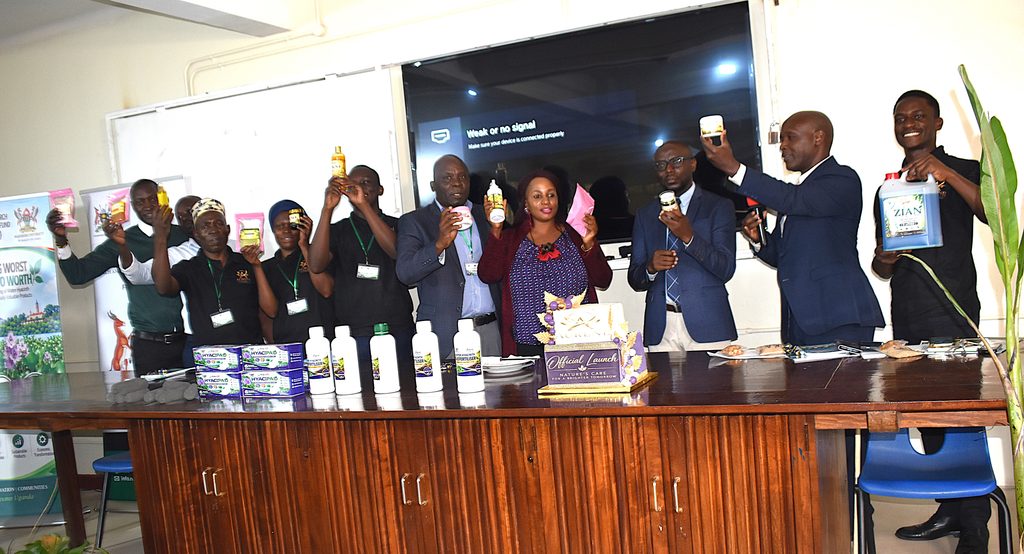
Through different processing methods, the team successfully developed three products from the harvested biomass: a bio-fertilizer, briquettes, and biodegradable sanitary pads.
Water hyacinth transformed into bio-fertilizer
One of the products developed by the researchers was a bio-fertilizer made from water hyacinth biomass.
The process began with harvesting the weed from affected water bodies and shredding the biomass to facilitate processing. The researchers explored biological processing approaches, including composting, vermicomposting and anaerobic digestion, to break down the plant material and release its organic matter and nutrients.
Following processing and curing, the resulting material was developed into an organic soil amendment, providing a productive use for harvested water hyacinth while returning organic matter and nutrients to the soil.
Briquettes offer an alternative solid fuel
The project team also developed briquettes from water hyacinth biomass, demonstrating its potential as an alternative solid fuel.
The innovation could, with further research, development and appropriate commercialization pathways, contribute to community-based enterprises.
From water hyacinth fibre to biodegradable sanitary pads
Another distinctive innovation emerging from the research is a biodegradable sanitary pad.
To produce the absorbent material, researchers extracted cellulose-rich fibre from the petioles of water hyacinth and combined it with other locally available plant fibres, including banana fibre and papyrus.
The resulting plant-based material was incorporated into sanitary pads that were subsequently developed and tested to assess their performance as a menstrual hygiene product.
According to the research findings, the water-hyacinth-based pads demonstrated higher liquid absorption capacity and potential health and safety advantages compared with conventional pads. Their use of locally available plant fibres also offers potential to reduce production costs and improve accessibility.
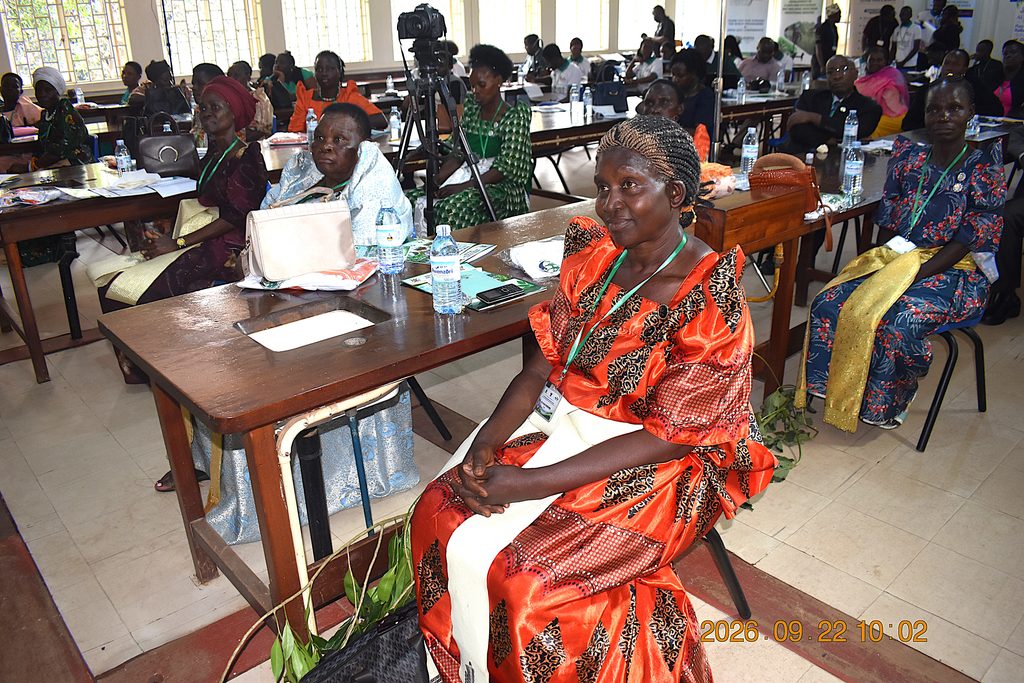
Research generating scientific knowledge
In addition to developing value-added products, the project has generated scientific knowledge on the socio-ecological effects of water hyacinth on affected communities.
The research findings have been published in Scientific Reports, Springer Nature Journal, in a peer-reviewed paper by Nabatanzi, A., Nambejja, C. and Byarugaba, I. (2026) titled “Socio-ecological impacts of water hyacinth (Pontederia crassipes (Mart) Solm) on livelihoods in Katosi Ward, Uganda.”
The study provides evidence of the impacts of water hyacinth on livelihoods, while the wider project demonstrates how the same invasive resource can be investigated as a potential source of useful products.
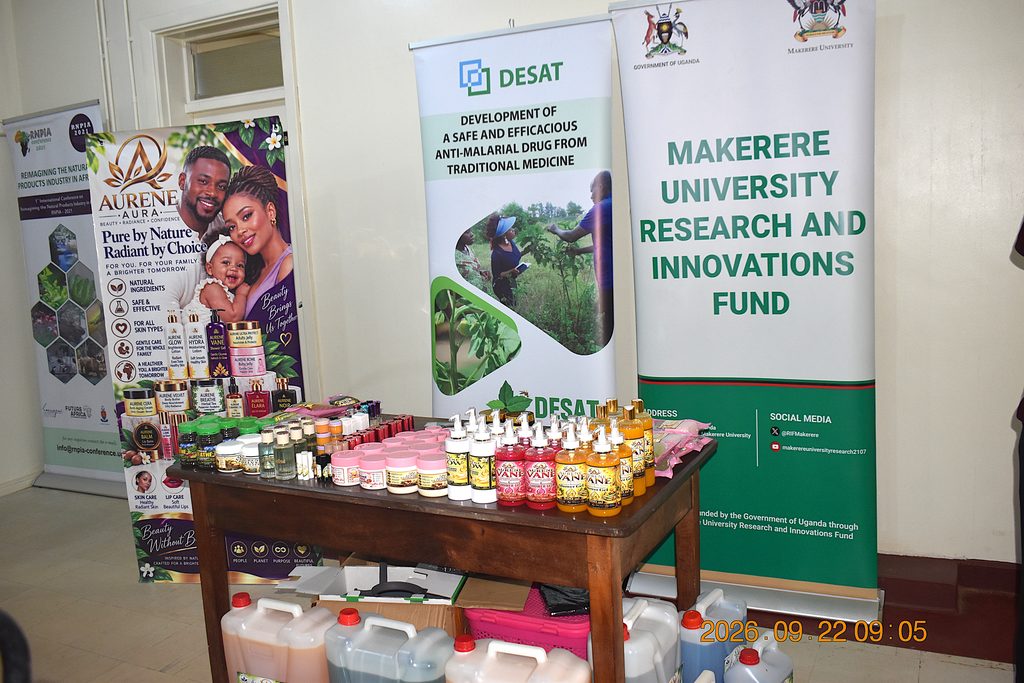
Other research outputs: Production of personal care and wellness products from different plant materials
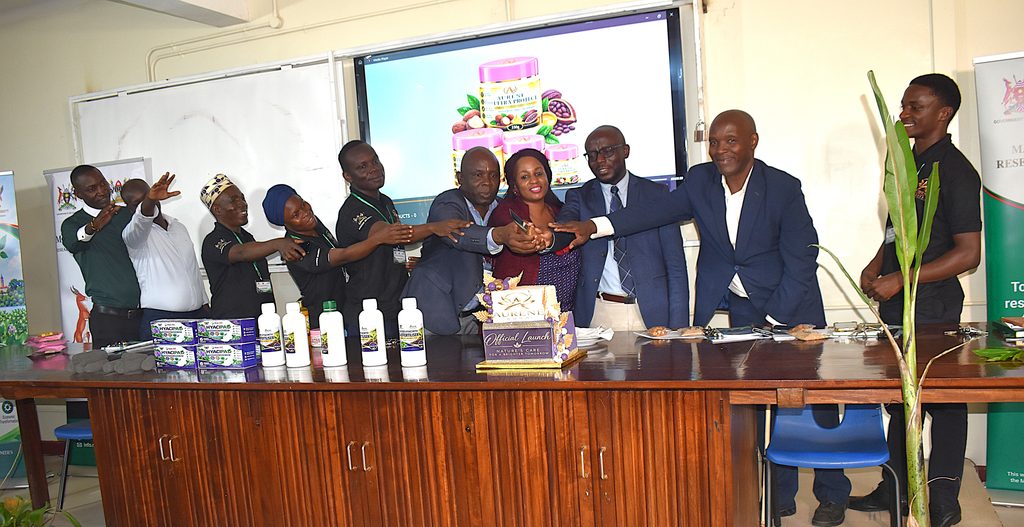
Beyond their work on value-added products from water hyacinth, Dr. Alice Nabatanzi and her research team are also translating scientific research into a growing range of locally developed skincare, personal care and wellness products under AURENE AURA, a Ugandan innovation emerging from the Makerere University Plant Sciences, Microbiology and Biotechnology (PMB) Product Development Hub.
Built around the integration of research, nature and innovation, AURENE AURA brings together botanical ingredients and formulation science to develop products designed for diverse skincare and personal wellness needs. The growing collection includes medicated acne-control bars, radiant and brightening soaps and lotions, hypoallergenic goat-milk cleansing bars, moisturizing shower gels, baby-care jelly, lip balms and lip gloss, liquid soaps and other personal-care formulations.
The portfolio also extends to fragrances and botanical perfume mists, herbal respiratory wellness products, and botanical teas and wellness blends, demonstrating the team’s efforts to explore the potential of locally sourced natural ingredients beyond conventional applications.
According to the team, the products are developed through a research-to-product process that involves identifying specific user needs, selecting appropriate botanical and active ingredients, formulation, testing, refinement and packaging. This approach seeks to combine the benefits of botanical ingredients with formulation science, product stability and user safety.
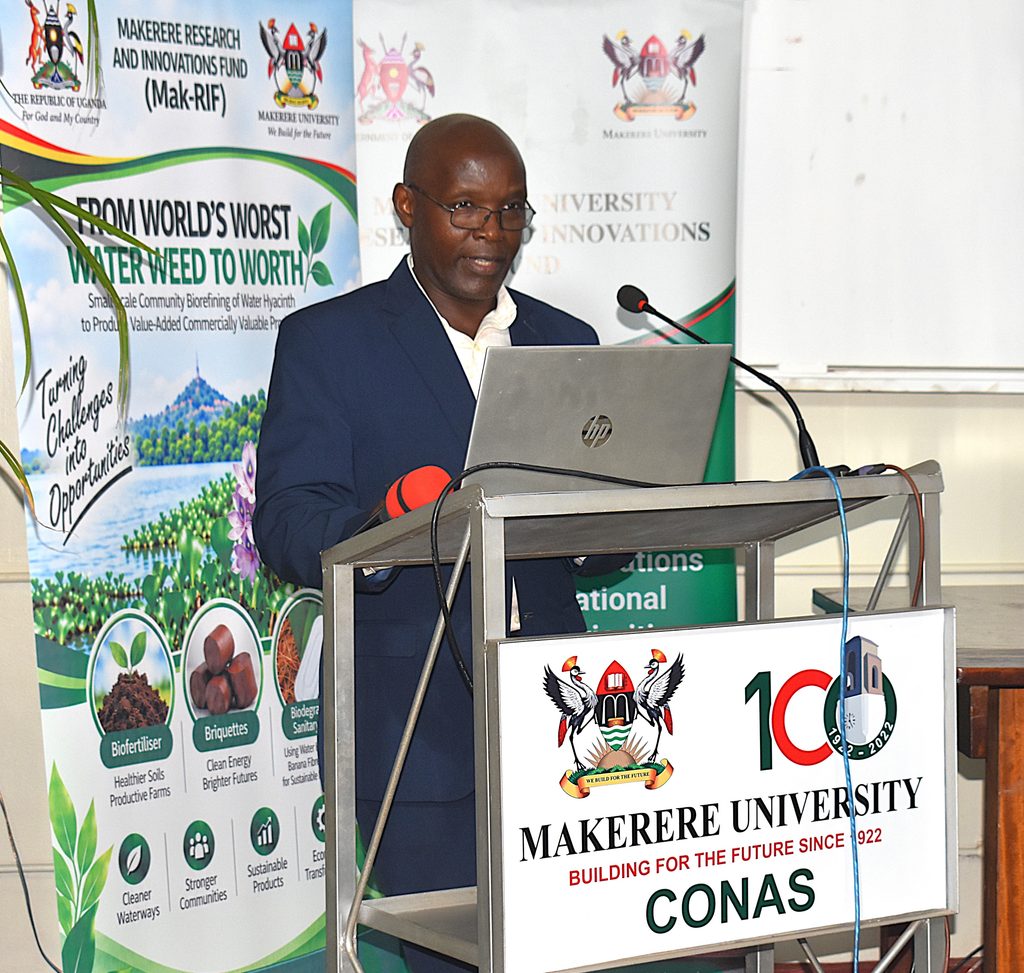
Research dissemination workshop
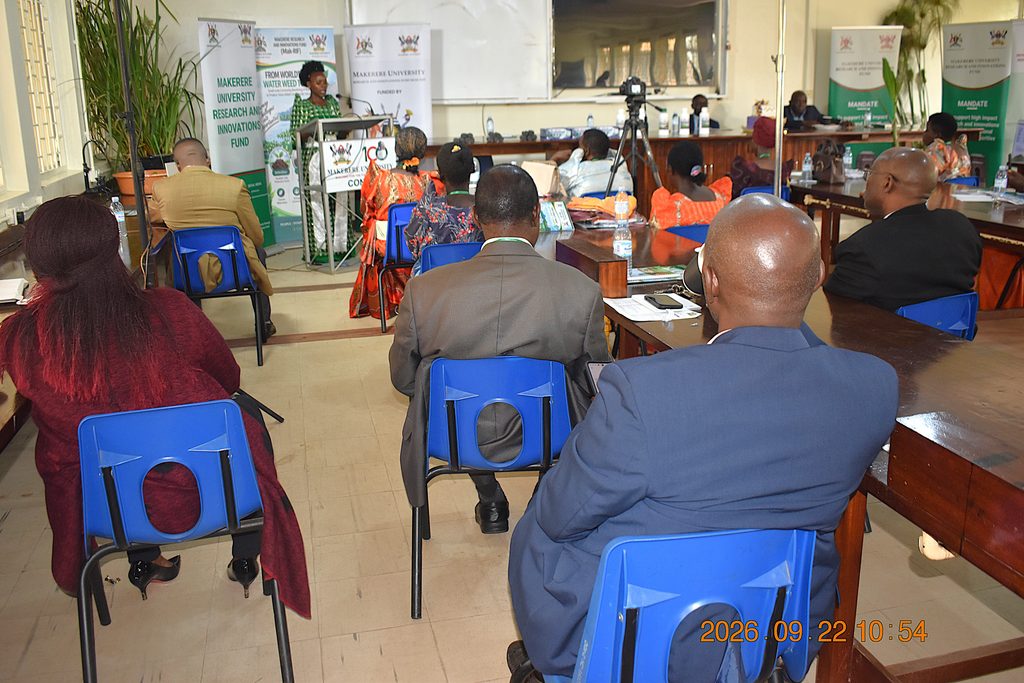
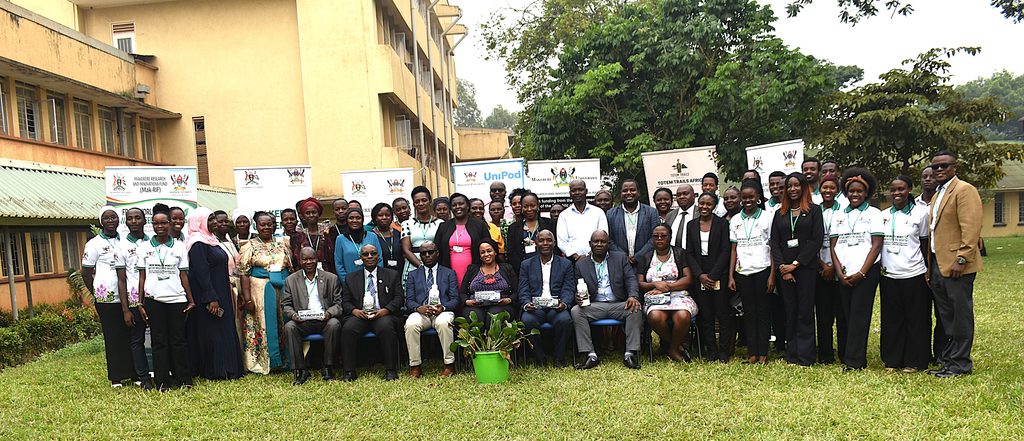
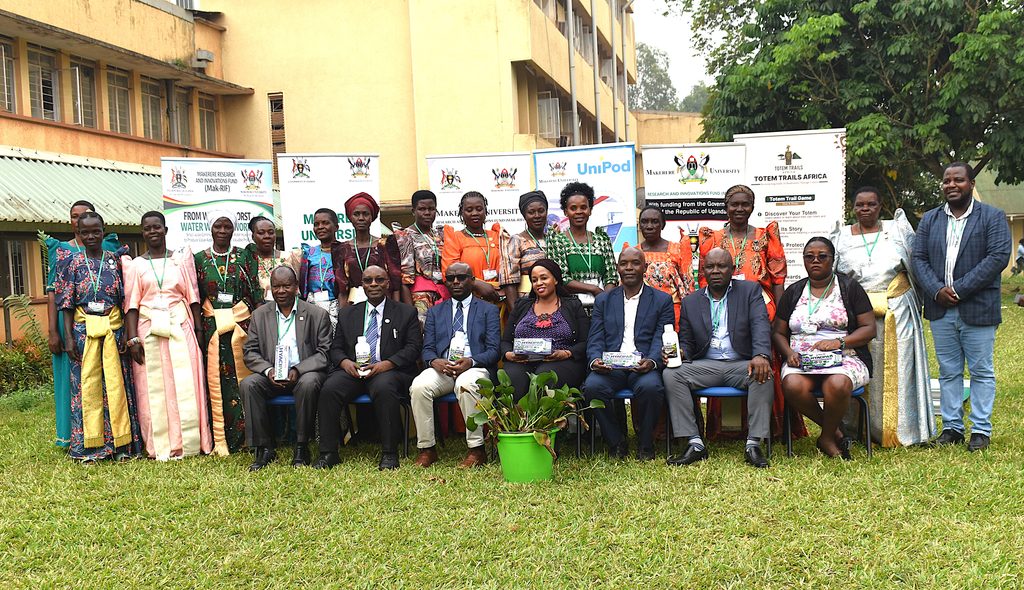
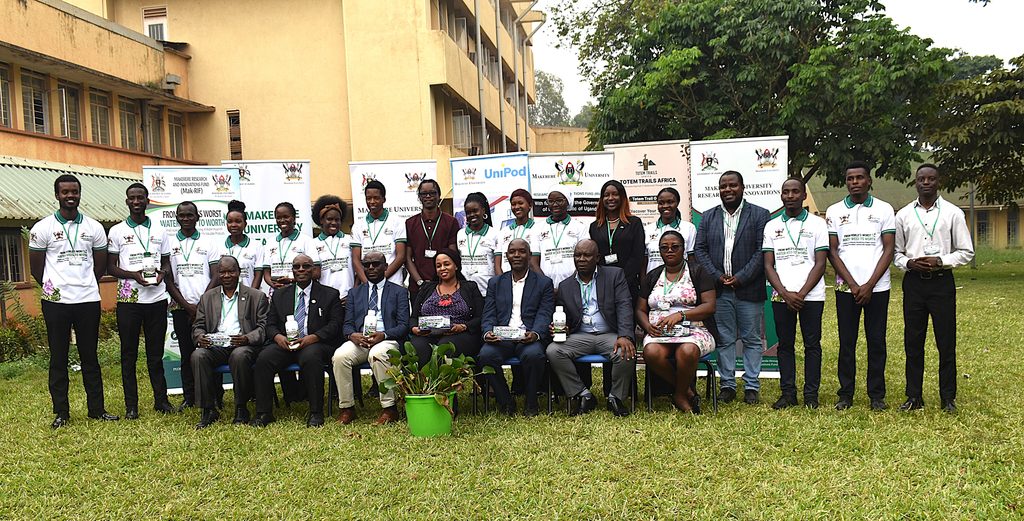
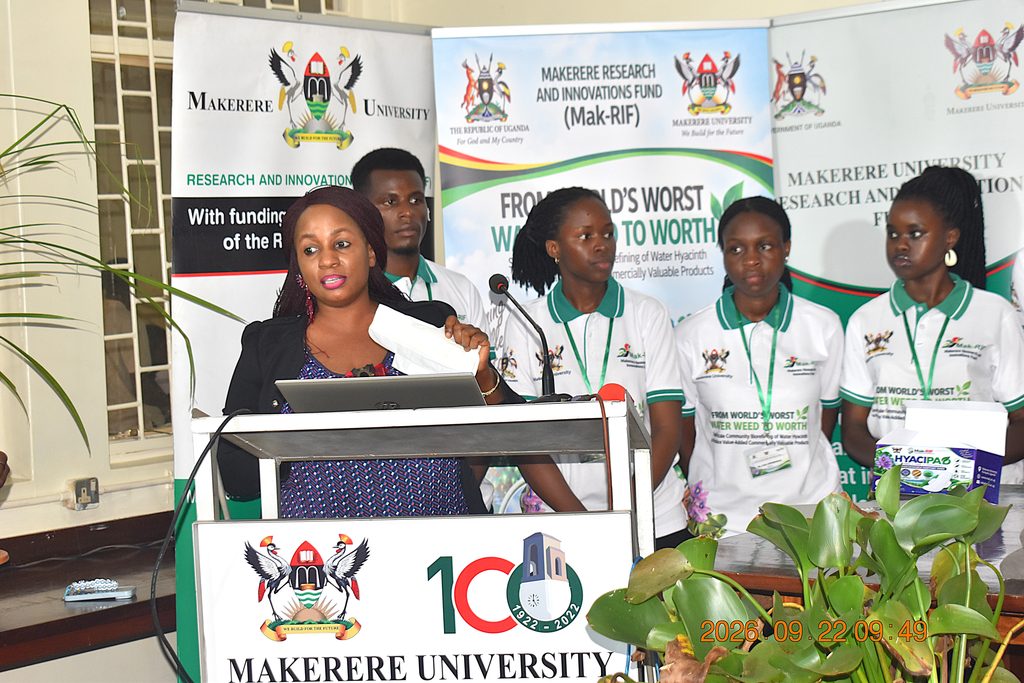
Dr. Nabatanzi and her research team presented the findings and innovations to the Makerere University community and key stakeholders during a research dissemination workshop held on 22nd September 2026 at the Department of Plant Sciences, Microbiology and Biotechnology.
The seminar provided a platform for the team to share the research outcomes, demonstrate the innovations and discuss pathways for translating the findings into practical solutions with environmental, social and economic value.
Remarks from the Chair, MakRIF
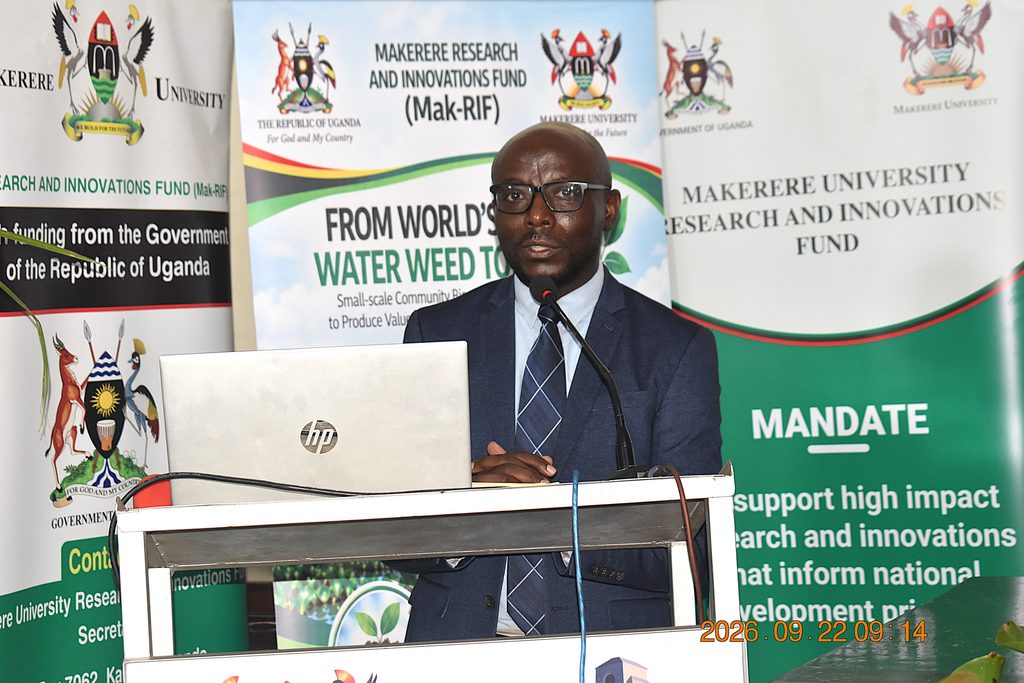
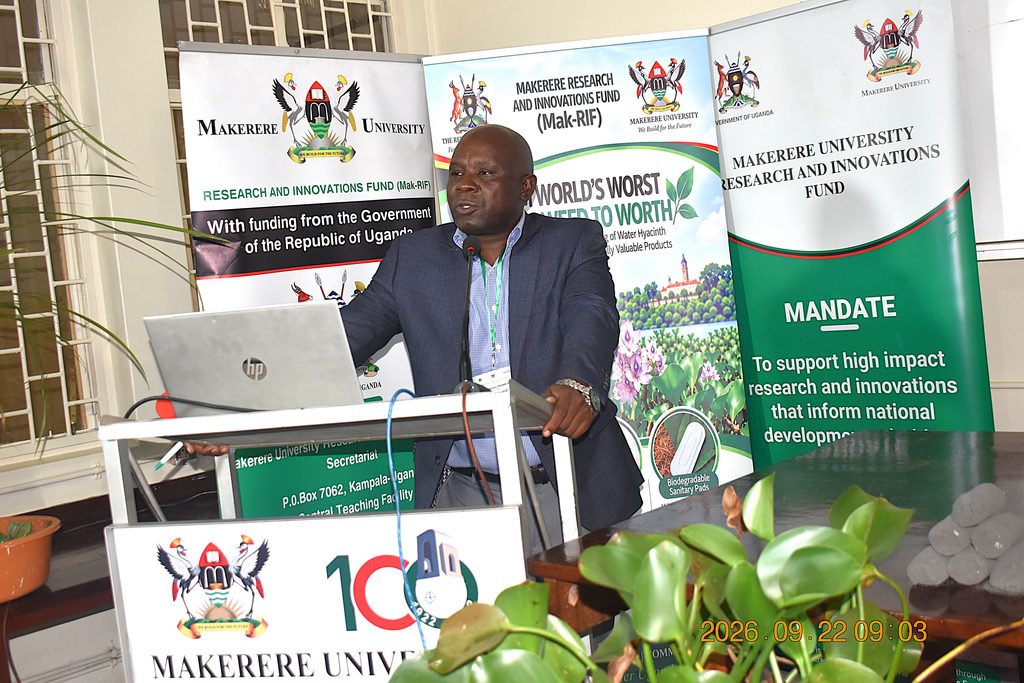
Representing the Chairperson of the Makerere University Research and Innovations Fund (MakRIF), Dr. Michael Owor commended the research team for moving beyond documenting the water hyacinth challenge to developing practical innovations with potential community and commercial applications.
He noted that the project exemplifies MakRIF’s mandate, established by the Government of Uganda to support research and innovation that responds to national development challenges.
“This project exemplifies that mandate by moving beyond describing the problem of water hyacinth to developing practical solutions that communities, enterprises and public institutions can potentially adopt,” he said.
He, however, noted that research findings and prototypes do not automatically translate into sustainable impact, stressing the need for stronger collaboration amongst stakeholders to advance product validation, safety, quality, affordability, regulatory compliance, intellectual property protection and market access.
He urged stakeholders to use the workshop to agree on concrete pathways for advancing the innovations, including further testing, standards development, community-based production, manufacturing and distribution partnerships, and resource mobilisation for scale-up.
Regarding the biodegradable sanitary pads, Dr. Owor stressed the need for sustained engagement with women and girls, schools, health professionals and relevant regulatory institutions to ensure that the product is safe, acceptable, affordable and responsive to the users’ needs.
He further challenged the research team to develop a clear post-project action plan.
“Dissemination should not mark the end of the project; it should serve as a transition from research findings to adoption, enterprise development and demonstrable community impact,” he said.
On behalf of the MakRIF Grants Management Committee, Dr. Owor appreciated the Government of Uganda for its continued investment in research and innovation through the MakRIF, and acknowledged the University Management for providing an enabling environment for the research.
He also recognized the contribution of the participating communities and stakeholders whose knowledge and experiences informed the project.
CoNAS: Turning knowledge into solutions for society – Remarks by the College leaders
On behalf of the Principal of the College of Natural Sciences (CoNAS), the Deputy Principal, Prof. Godwin Kakuba, congratulated Dr. Nabatanzi and her team on undertaking impactful, transformative and accessible research that demonstrates how a persistent environmental challenge can be turned into an opportunity for innovation, livelihoods and sustainable development.
Referring to the priorities of Uganda’s National Development Plan IV (NDP IV), Prof. Kakuba emphasized the importance of harnessing the country’s innovation capacity to drive socio-economic transformation. “Such research demonstrates how university-generated knowledge can contribute to addressing real-world environmental and socio-economic challenges.”
He commended Dr. Nabatanzi for involving communities and students in the research process, noting that such engagements strengthen the relevance of university research while providing students with practical opportunities to apply scientific knowledge to challenges affecting society. He further underscored the need to strengthen industry-academia partnerships to facilitate the translation of research findings into products and technologies that can be adopted.
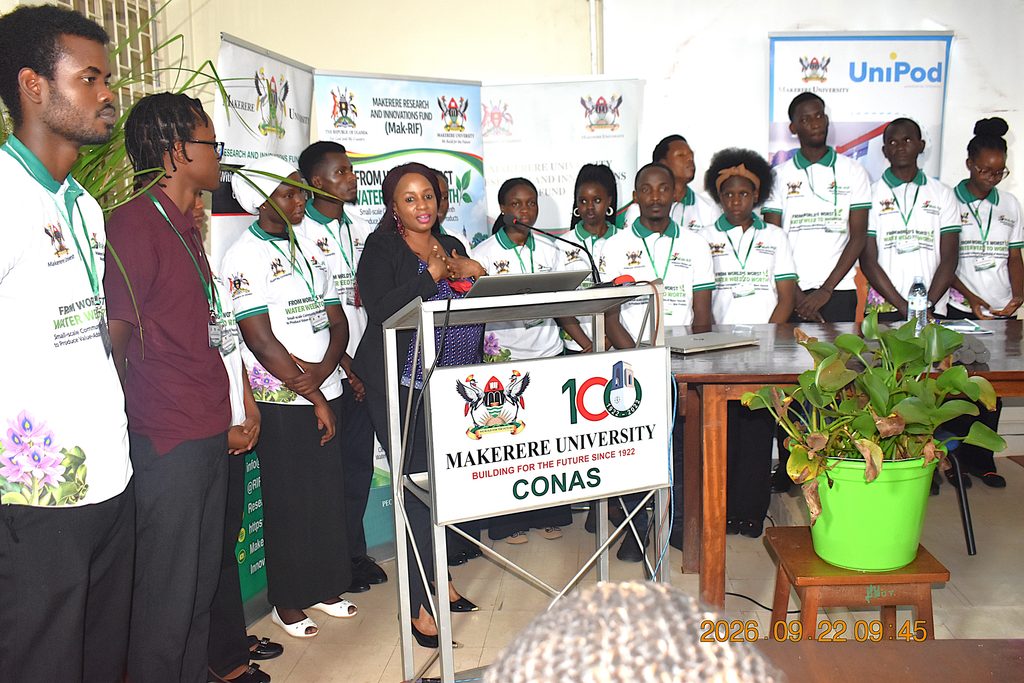
Prof. Kakuba also linked the initiative to the principles of competency-based learning, noting that practical, problem-solving research equips students with skills beyond the classroom and prepares them to contribute meaningfully to national development.
He urged Dr. Nabatanzi and the research team to widely disseminate their findings to increase awareness, uptake and potential commercialisation of the innovations. He also called for increased support to enable the project to progress beyond research and product development towards further validation, refinement, scaling and potential adoption by communities and industry.
The Head of the Department of Plant Sciences, Microbiology and Biotechnology at CoNAS, Dr. Jamilu Ssenku, equally commended Dr. Nabatanzi and her team for undertaking impactful research that demonstrates the potential of science to address pressing environmental and socio-economic challenges. He noted that the project contributes to the department’s growing body of impactful research, which continues to generate practical solutions and innovations with relevance to communities, industry and national development.
MUTIC support
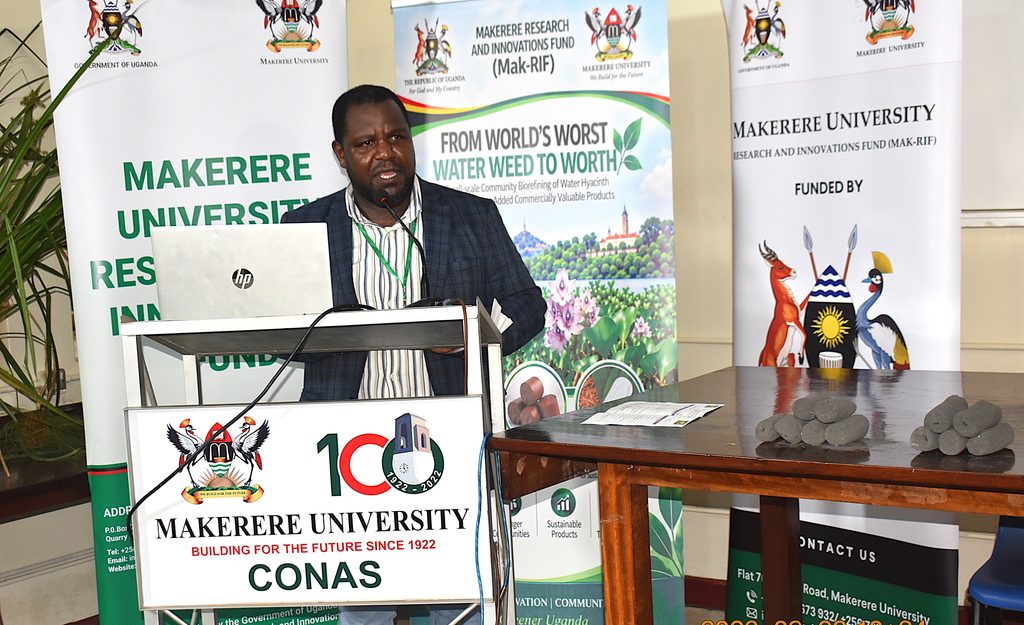
The Acting Manager of the Makerere University Technology and Innovation Centre (MUTIC), Prof. Michael Lubwama, commended the research team for its innovative approach to research and effective dissemination of the findings, noting that the project provides a valuable model that could be benchmarked by other research projects. He appreciated the contributions of the stakeholders, particularly the local communities whose participation was central to the success of the project. Prof. Lubwama further pledged MUTIC’s support in advancing the innovations towards product development, commercialization and wider community impact.
Innovation, commercialization and intellectual property
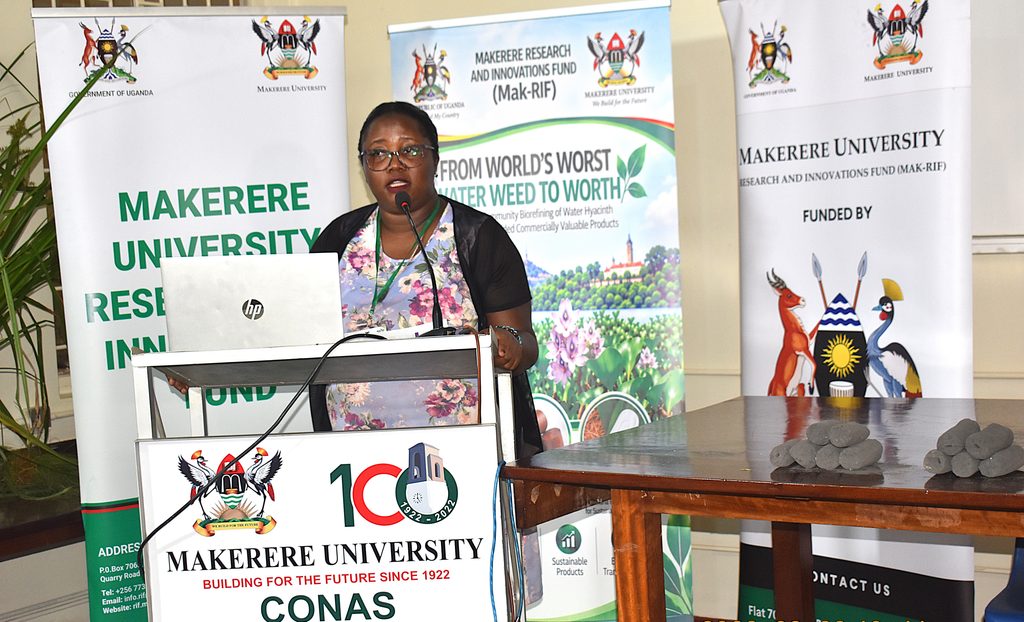
Ms. Esther Kabinga from the Makerere University Intellectual Property Management Office congratulated Dr. Nabatanzi and her team on the achievement and urged them to prioritise intellectual property protection as they advance the innovations towards wider use and commercialisation. She highlighted the need to formally register the innovations to safeguard them against unauthorised use, imitation and misappropriation, and pledged support in securing the necessary intellectual property rights.
Inspiring young women and advancing menstrual dignity
The Guild President of Makerere University, H.E. Gracious Kadondi, represented by the Guild Minister for Academic Affairs, Ms. Kalazani Neera Elsie, equally applauded Dr. Alice Nabatanzi and her research team for the achievements.
She particularly commended the development of biodegradable sanitary pads, noting that the innovation could help promote menstrual dignity among women and girls, especially those from economically disadvantaged backgrounds.
Ms. Kalazani also described Dr. Nabatanzi’s achievement as an important source of inspiration for young women and students pursuing science and research. She called for greater involvement of students and young people in research and innovation, noting that such opportunities can nurture the next generation of scientists and innovators capable of developing solutions to challenges affecting their communities.
Communities at the centre of research impact
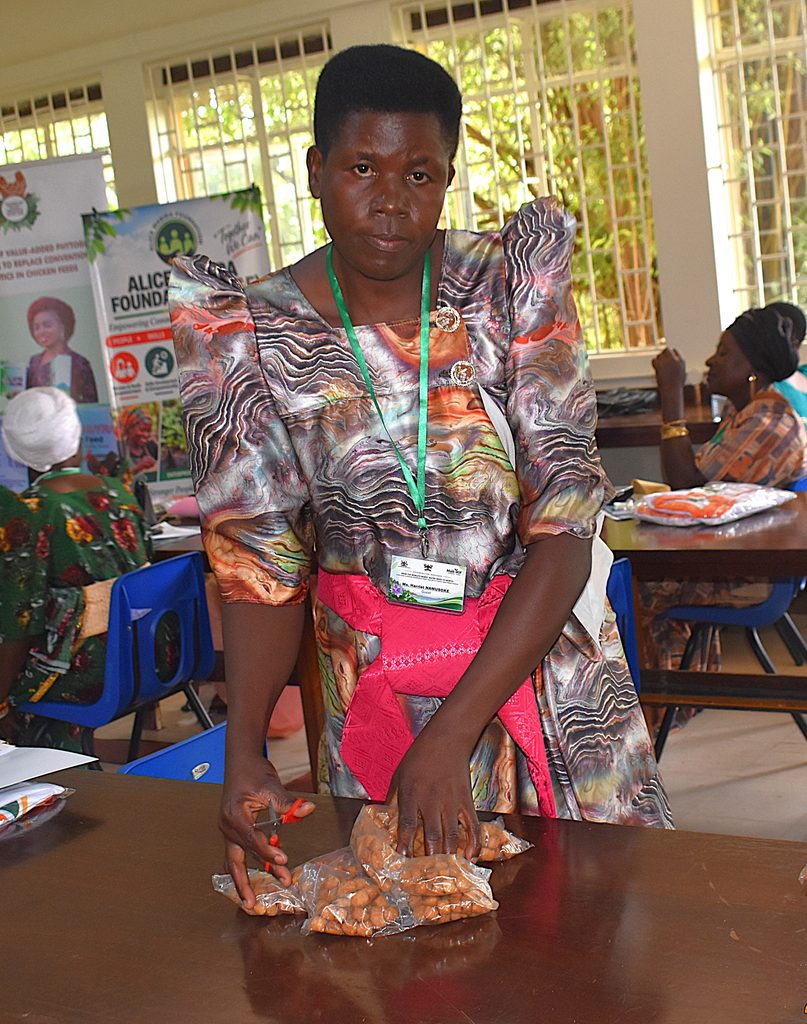
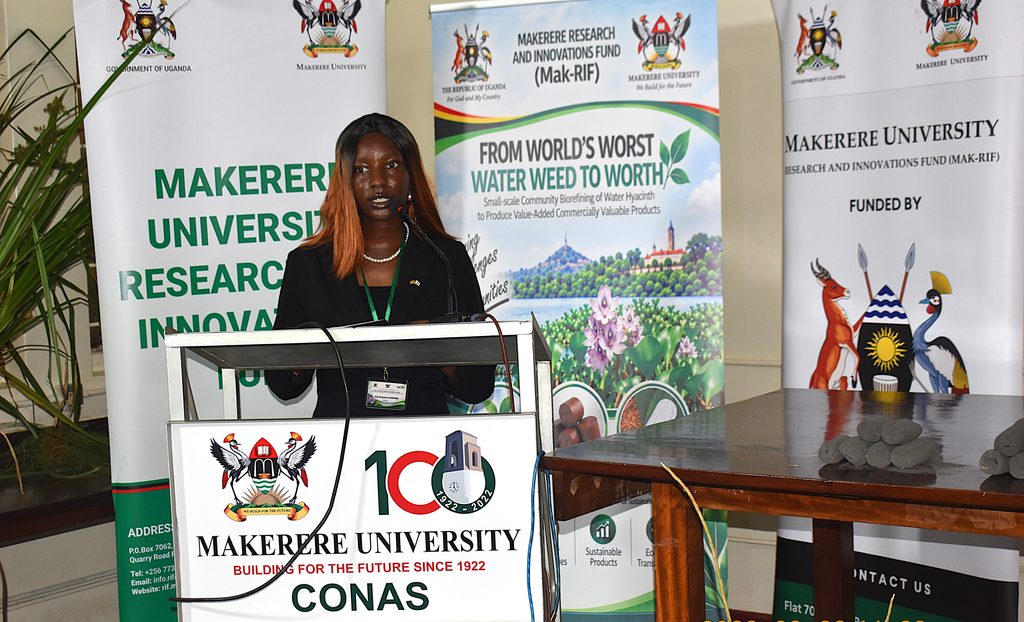
On behalf of the Najjembe community in Buikwe District, Ms. Nabukeera Sylvia expressed gratitude to Dr. Alice Nabatanzi, MakRIF, and the wider University community for the continued support extended to local communities through the Alice Mabira Foundation (AMAF) and other research initiatives undertaken in the area.
Ms. Nabukeera said the community had greatly benefited from Dr. Nabatanzi’s work and the support provided through the Alice Mabira Foundation, which she established to empower households to develop home-based enterprises and cottage industries. Through the Foundation, community members have gained practical skills in baking, processing food and medicinal products, and preserving and sustainably utilising important tree species.
She noted that these initiatives have enabled community members to turn knowledge and locally available resources into livelihood opportunities and solutions to everyday challenges, demonstrating the value of research that responds directly to community needs. She expressed gratitude to the researchers and partners for their continued engagement with the Najjembe Community and called for sustained collaboration to ensure that the innovations generated through university research continue to reach communities and create tangible social and economic benefits.
Future prospects
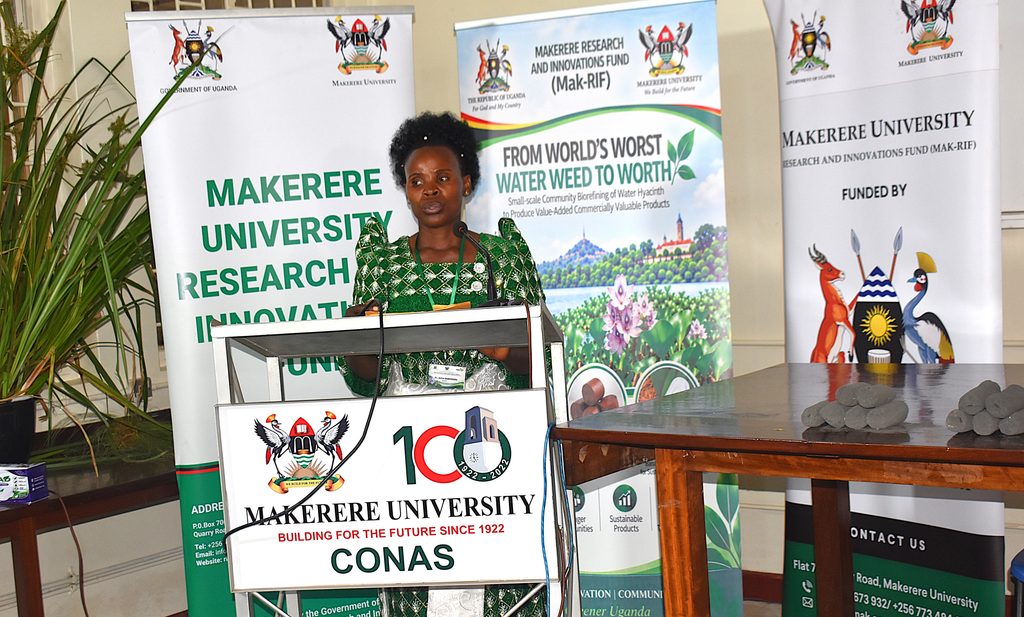
The research has laid the groundwork for transforming water hyacinth from an environmental challenge into a potential source of community enterprise and sustainable livelihoods through bio-refineries and circular bio-economies.
Moving the innovations from research to wider application will require collaboration among researchers, communities, government, industry and other stakeholders to refine the technologies, assess production and market opportunities, strengthen quality standards and establish pathways for scale-up and commercialisation.
Beyond the three products already developed, the research also opens opportunities for exploring additional value chains, including animal feed, crafts and other potentially marketable products, subject to further research to establish their safety, technical feasibility and economic viability.
If successfully scaled, the innovations could create new opportunities for employment, income generation and community enterprise, while contributing to the sustainable management of water hyacinth and the restoration of affected waterways.