
pr.cns@mak.ac.ug

Enhancing Data Quality: NutriFishPlus Research Assistants Retooled Ahead of Baseline Survey

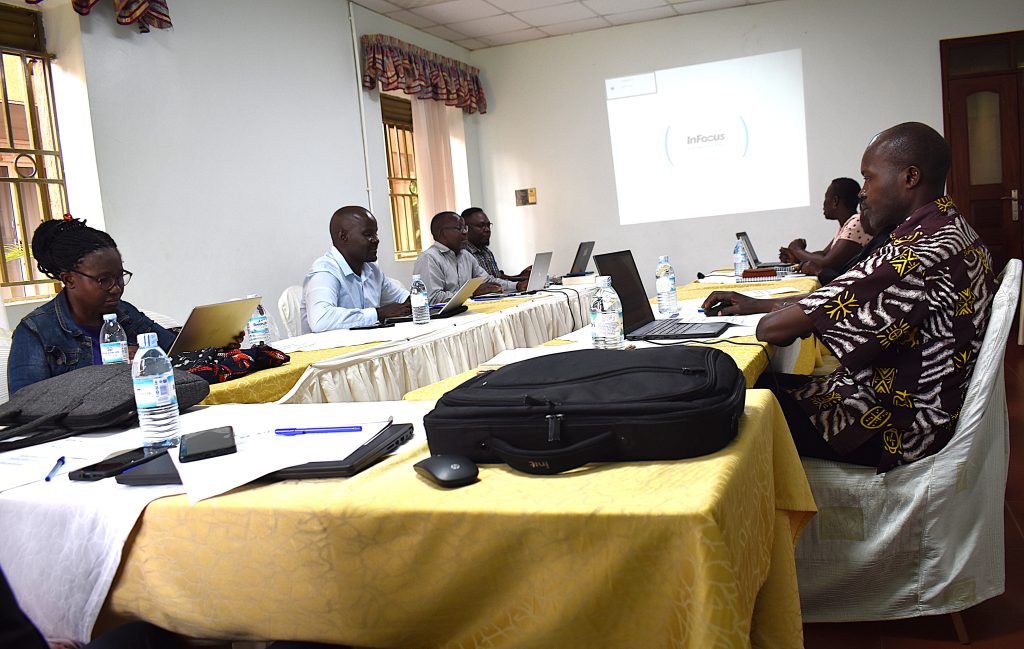
The NutriFishPlus Project team successfully conducted a one-day capacity-building training for its research assistants, centered on the Monitoring, Evaluation, and Learning (MEL) framework and the household survey tool. Held on 13th January 2026 at Ridar Hotel Seeta in Mukono District, the training aimed to improve data collection, analysis, and learning processes to support evidence-based project implementation and impact assessment.
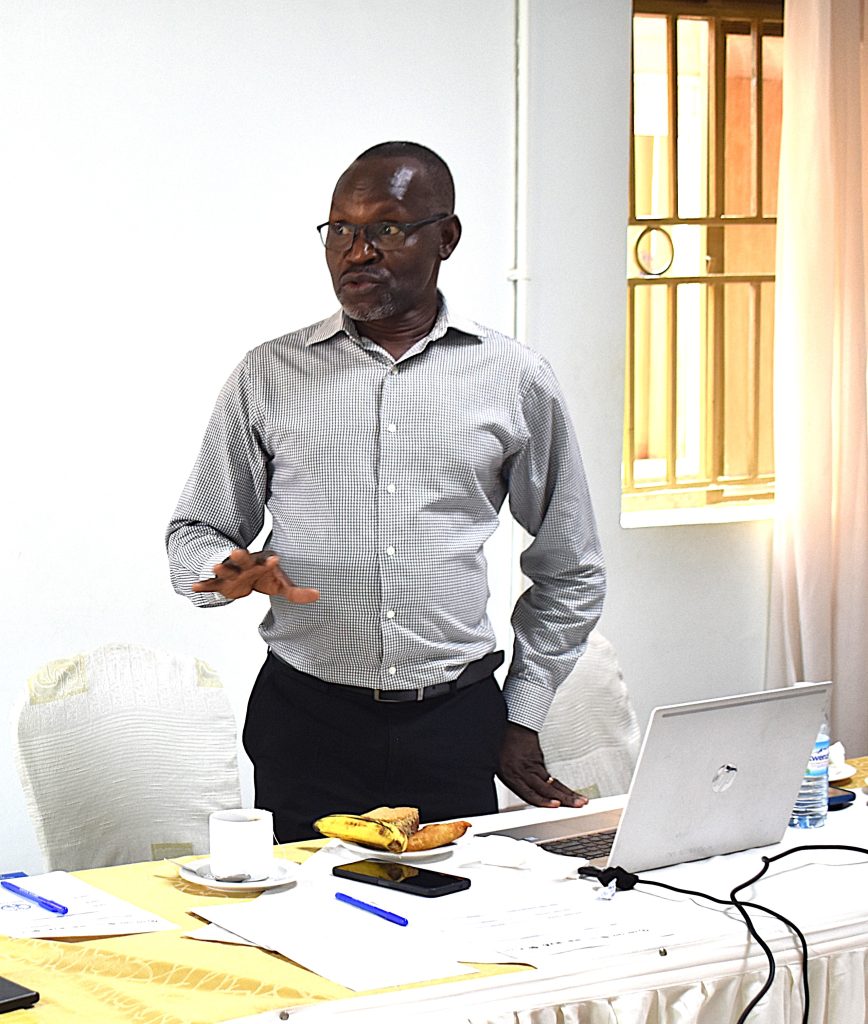
It was officially opened by Dr. Jackson Efitre, the Principal Investigator, who introduced the research assistants to the overall goal of the NutriFishPlus Project and the guiding principles of the International Development Research Centre (IDRC) Scaling Approach. In his remarks, Dr Efitre emphasized the importance of high-quality data in tracking progress, informing adaptive management, and scaling impact.
NutriFishPlus builds on the significant achievements of the ground-breaking NutriFish Project (2019–2023), which was funded by IDRC and the Australian Centre for International Agricultural Research (ACIAR) through the Cultivate Africa’s Future Fund Phase II (CultiAF2). Officially launched on 28th October 2025, the two-year and eight-month project seeks to scale proven innovations while deepening nutrition, livelihood, and gender outcomes within small pelagic fisheries.
The project aims to:
- Scale up the adoption of improved and sustainable fish processing technologies, including solar tent driers and raised racks, to reach new fishing communities across Uganda.
- Enhance market access and strengthen supply chain linkages for high-quality fish and fish-based products.
- Empower women and other vulnerable groups while strengthening community resilience through diversified income-generating activities.

Expected Outcomes:
NutriFishPlus is expected to deliver multiple socioeconomic and environmental benefits, including:
- Improved incomes and livelihoods for marginalized fishing communities, particularly women and youth.
- Enhanced health and nutrition outcomes through the development of diversified, market-embedded fish products.
- Establishment of sustainable and replicable fish processing and marketing models across Uganda and the wider East African region.
- Increased participation of women and youth in decision-making and benefit-sharing within the Small Pelagic Fishes (SPFs) value chain.
- Improved socioeconomic conditions and ecosystem health through participatory and scalable approaches.
Project Implementation and Partnerships
The project is implemented by the Department of Zoology, Entomology, and Fisheries Sciences at Makerere University, in partnership with Nutreal Ltd and Kati Farms Ltd under a public-private partnership. Project activities will be carried out at five landing sites across Lakes Victoria, Kyoga, and Albert.
The project team comprises:
- Dr. Jackson Efitre (Principal Investigator)
- Dr. Dorothy Nakimbugwe (Co-PI from Nutreal Ltd)
- Ms. Lovin Kobusingye (Co-PI from Kati Farms Ltd)
- Dr. Robinson Odong (Project Officer, Department of Zoology, Entomology and Fisheries Sciences, Makerere University)
- Ms. Juliet Ogubi Nafula (M&E Expert)
- Ms. Nelly Badaru (Gender Specialist)
- Mr. Eugene Swinnerstone Miheso (IT Expert)
- Mr. Maurice Ssebisubi (Kati Farms Ltd)
- Ms. Hasifa Kabejja (Communication Officer)
- Ms. Eve Akongo Ampa (Project Administrator)
Strengthening MEL and Data Quality
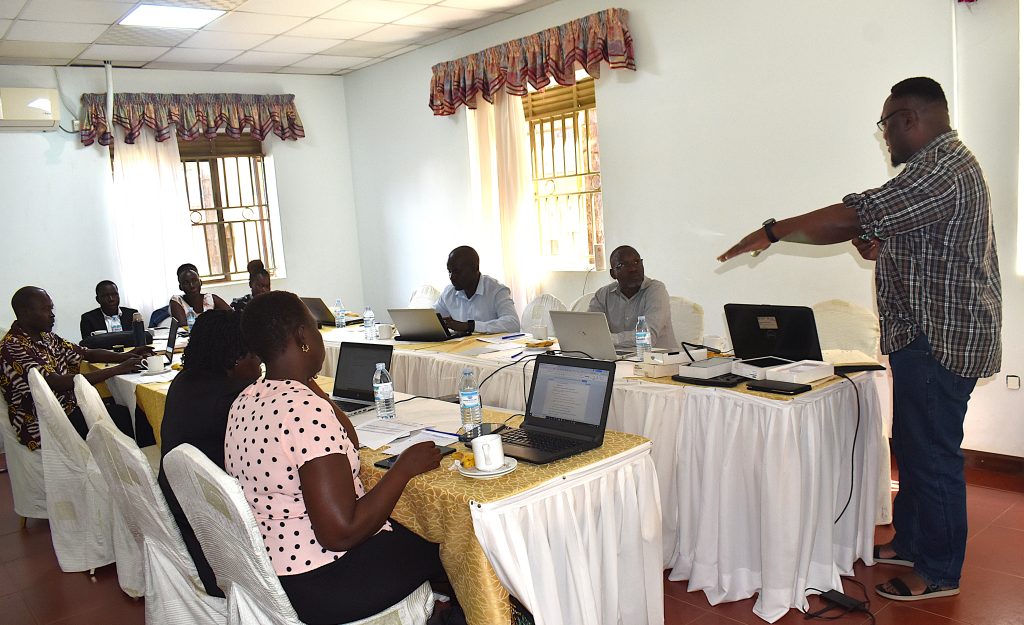
During the training workshop, Ms. Juliet Ogubi Nafula guided the team through the NutriFishPlus MEL framework, highlighting its objectives, indicators, results chain, and reporting requirements. Particular emphasis was placed on the role of high-quality data in facilitating project learning, adaptive management, and accountability to donors and beneficiaries.
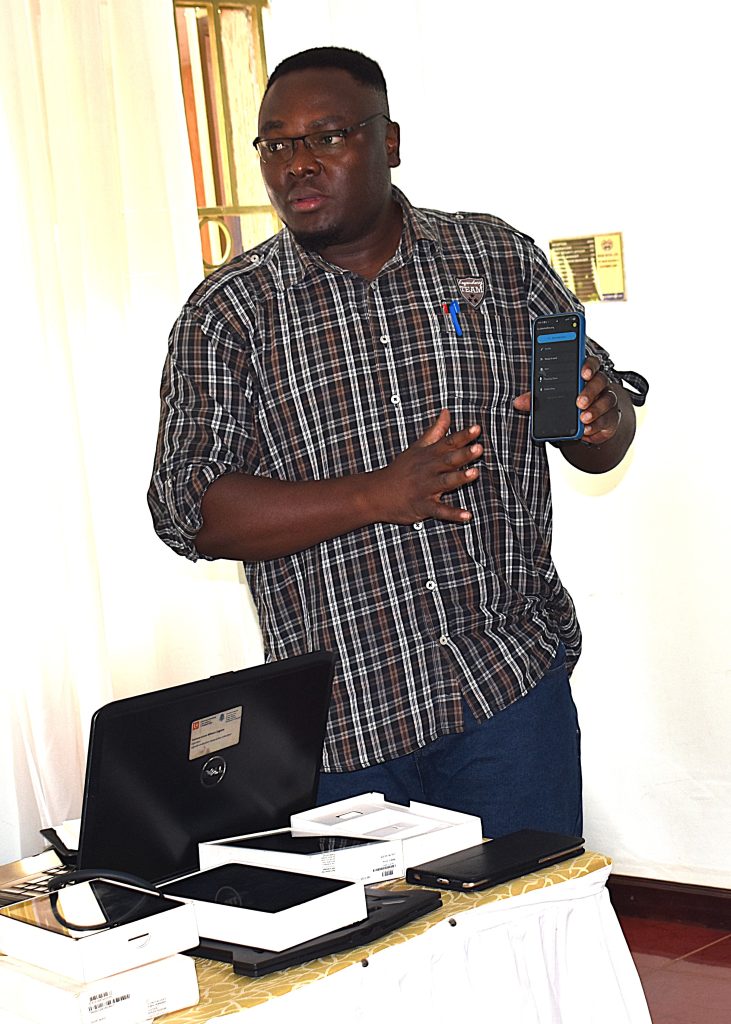
A key highlight of the training was a hands-on orientation to the household survey tool, led by Mr. Eugene Swinnerstone Miheso. Participants were taken through the structure of the questionnaire, which covers household demographics, nutrition and dietary diversity, fish consumption, livelihoods, value addition, gender dynamics, and food security. Practical sessions enabled the research assistants to practice administering the tool, apply effective probing techniques, and address common field-level challenges.
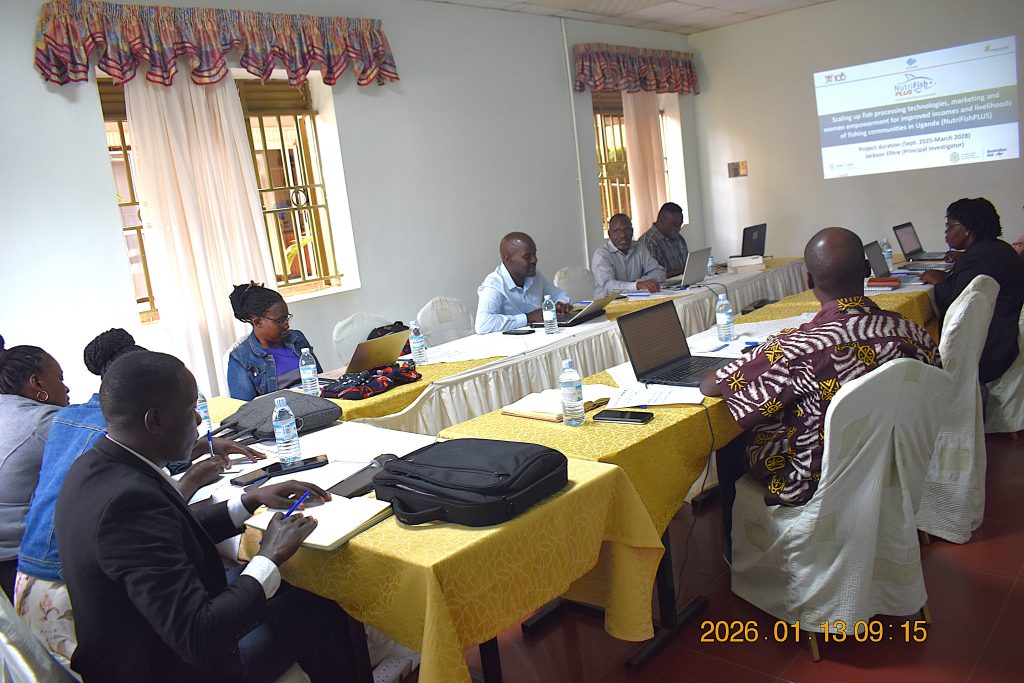
The training underscored critical ethical considerations in household data collection, including informed consent, confidentiality, and respectful engagement with respondents. Data quality assurance measures such as accurate data recording, use of digital data collection platforms, and daily review protocols were discussed to ensure consistency and reliability.
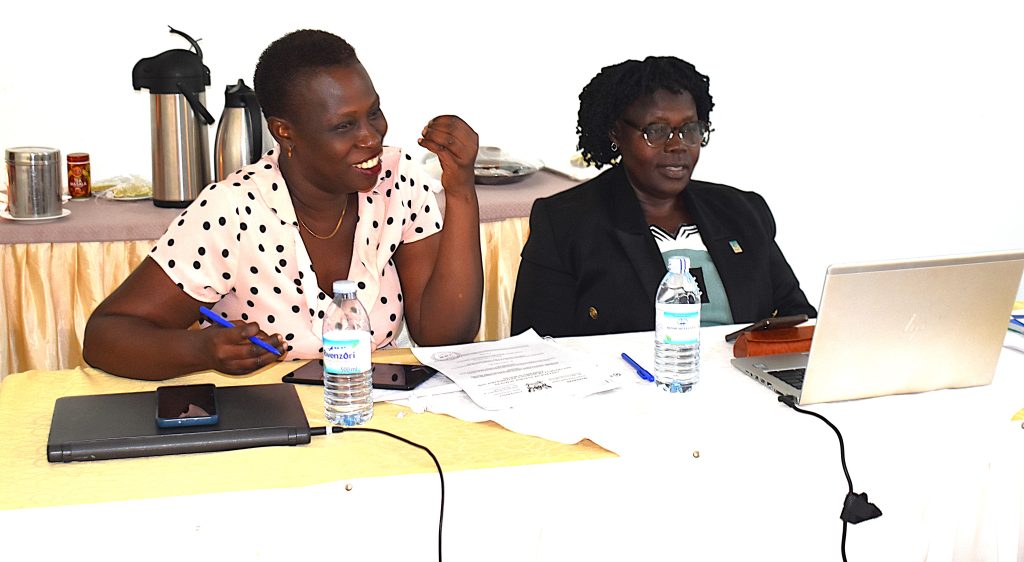
In his closing remarks, Dr. Efitre emphasized that well-trained research assistants are central to generating credible evidence that reflects the lived realities of beneficiary households. “This training is a vital investment in strengthening our MEL system and ensuring that the evidence we generate informs learning, accountability, and improved project outcomes,” he noted.
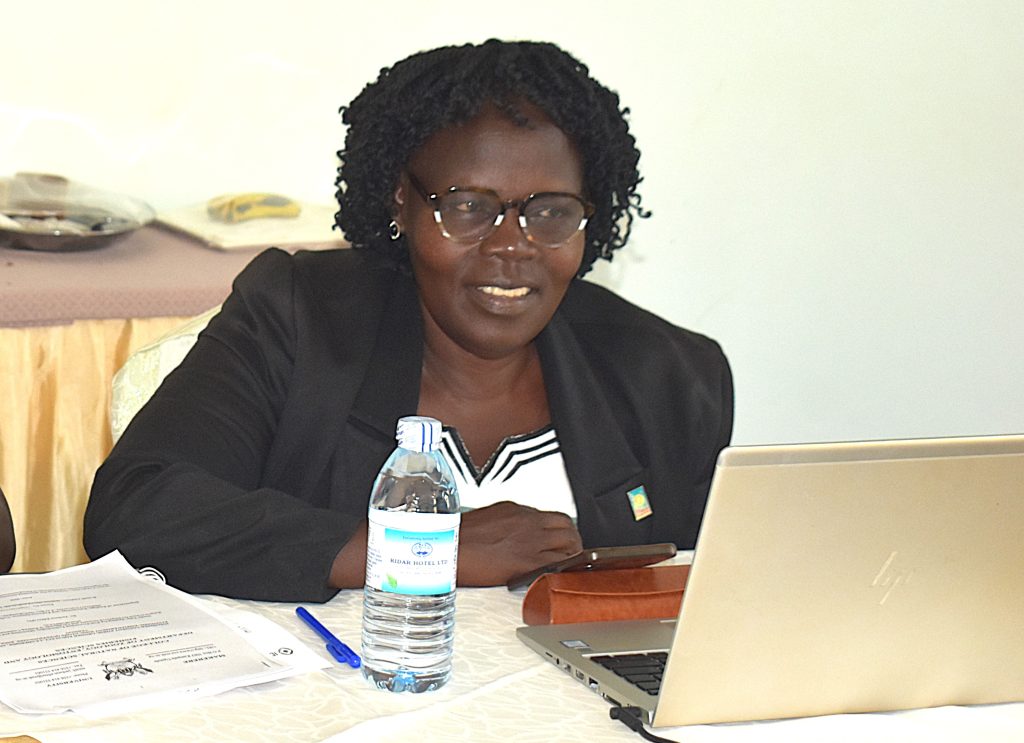
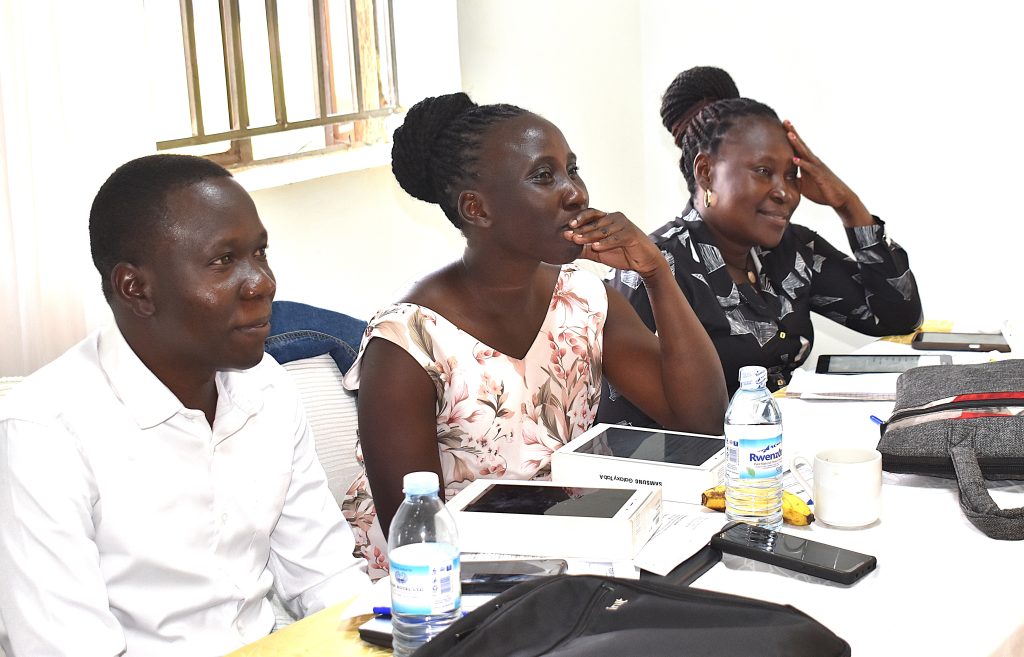
The participants expressed gratitude for the interactive and practical nature of the training, noting that the sessions significantly enhanced their confidence and readiness for fieldwork. The training concluded with a question-and-answer session and a brief assessment to confirm participants’ understanding of the MEL framework and household survey tool.
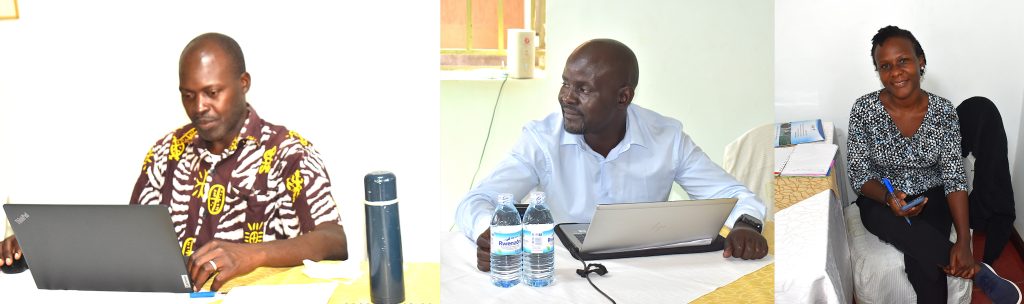
Pre-testing of the household survey tool
Following the training, the project team conducted a pre-test of the household survey tool at Kasenyi Landing Site in Entebbe on 19th January 2026, ahead of the baseline survey. The baseline data collection will be carried out across five landing sites: Katosi (Mukono District), Kikondo (Buikwe District), Bangaladesh and Kayago (Amolatar District), and Dei (Pakwach District), spanning Lakes Victoria, Kyoga, and Albert.
Details on the project at: https://news.mak.ac.ug/2025/10/mak-conas-launches-nutrifishplus-project/